
How to Prevent Frozen Pipes in Your New Jersey Home This Winter
It happens every winter. A homeowner turns on the kitchen tap on a January morning and gets nothing, or worse, hears water running somewhere behind a basement wall. A frozen pipe is one of the most common cold-weather problems in New Jersey, and a burst one can soak floors, drywall and cabinets in a matter of minutes.
The good news is that most frozen pipes are preventable. Learning how to prevent frozen pipes takes an afternoon of fall prep and a few habits you keep during cold snaps. None of it calls for special tools.
Below we cover the pipes most at risk, fall prep, cold snap habits, how to spot and safely thaw a frozen line, and what to do in the first few minutes if one bursts.
Why Pipes Freeze and Burst in New Jersey Winters
Water expands by about 9% when it freezes. Inside a pipe, pressure builds between the ice and the closed faucet, and the pipe often splits away from the ice itself, so a burst can show up where you least expect it.
Somerset County winters bring freeze-thaw cycles, with mild days followed by hard overnight freezes, plus the occasional nor'easter that knocks out power and heat. Those swings stress pipes over and over, and a cold night without power can put even a well-insulated house at risk.
Many homes in Basking Ridge and Bernardsville are older colonials, split-levels and houses built from the 1960s to the 1980s. They often have plumbing runs in exterior walls, unheated crawl spaces and garages, and insulation that has settled or gone missing over the decades.
Which Pipes Are Most at Risk
Pipes freeze where cold air reaches them and heat does not. Before you do any prep, walk your house and find these spots:
- Exterior wall runs: Supply lines to kitchen and bathroom sinks on outside walls, especially under cabinets where warm air cannot circulate.
- Crawl spaces: Pipes running through a vented or uninsulated crawl space are exposed to near-outdoor temperatures.
- Garages: Lines feeding a laundry area, utility sink or a bathroom above the garage.
- Rim joists and sill plates: The spot where the main line enters the basement, or where a hose bib line passes through the foundation wall.
- Outdoor spigots and irrigation: Hose bibs, sprinkler lines and any pipe that is outside or barely inside the building envelope.
- Cantilevered floors: Rooms over the garage or overhangs, common in split-levels, often hide poorly insulated supply lines.
If you have had a pipe freeze before, start there. A line that froze once will freeze again unless something changes.
Fall Prep: How to Prevent Frozen Pipes Before the First Freeze
Do this work before the first hard freeze. If you plan by the month, our New Jersey seasonal maintenance calendar shows where these tasks fit alongside gutters, furnace service and the rest of your fall list.
Shut Down Outdoor Faucets and Hoses
Disconnect every garden hose. A hose left attached traps water in the spigot, which can crack even a frost-free sillcock.
If your outdoor faucets have an indoor shut-off valve, close it, then open the outdoor spigot to drain it and leave it open for the winter. Have your irrigation company blow out any sprinkler lines before the ground freezes.
Insulate Exposed Pipes
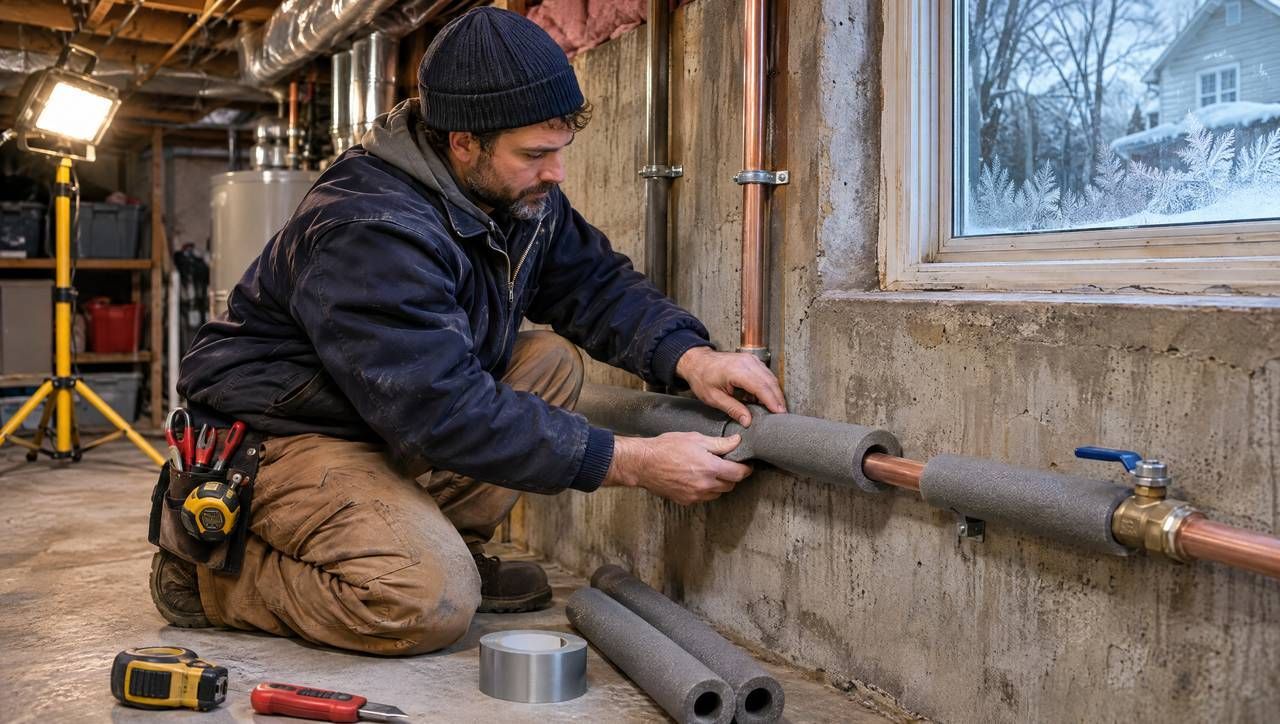
Foam pipe sleeves cost a few dollars at any hardware store and slide right over copper or PEX lines. Focus on the crawl space, garage, unfinished basement and rim joist, and cover elbows and joints too.
For lines that have frozen before, a UL-listed heat cable (often called heat tape) can warm the pipe when temperatures drop. Follow the instructions exactly, and have a professional install it if the run is long or there is no suitable outlet nearby.
Seal the Drafts That Reach Your Plumbing
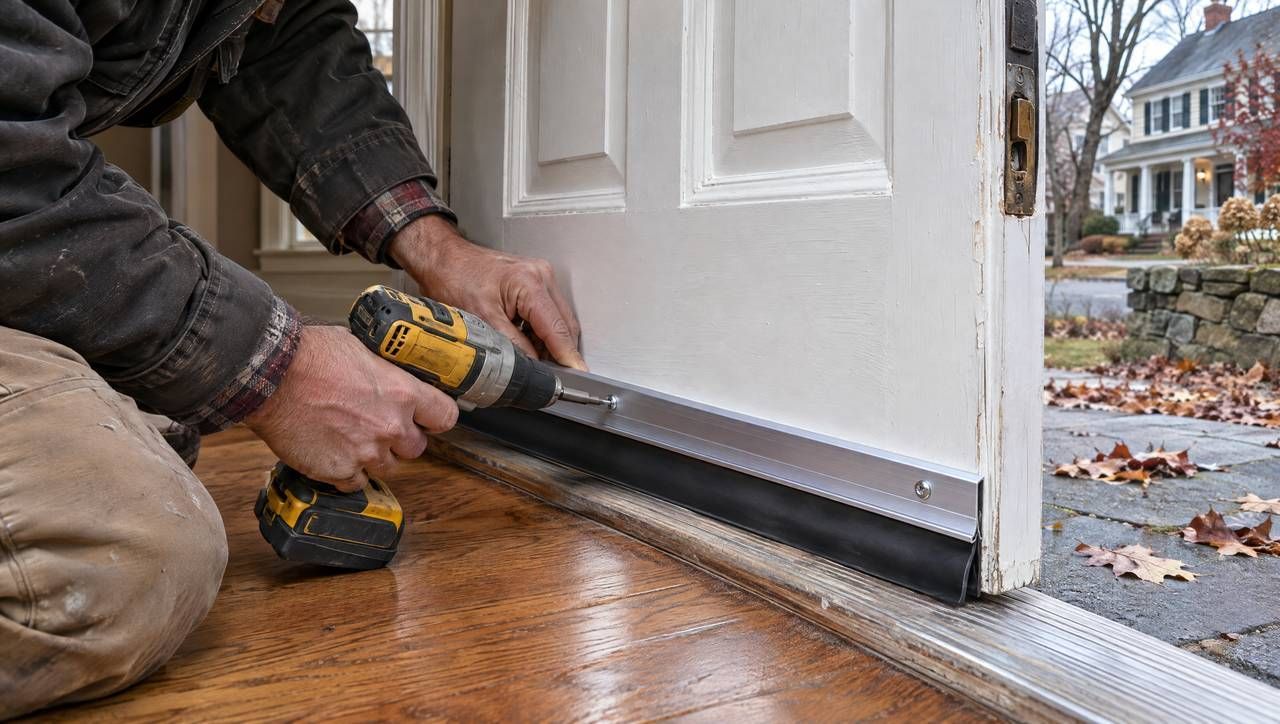
A steady draft can freeze an insulated pipe. Look for gaps where pipes, cables and dryer vents pass through exterior walls and the foundation, and seal them with caulk or expanding foam.
Close or cover crawl space vents for the winter. Older homes tend to have more of these leaks, and our guide to preventive maintenance for aging Somerset homes covers other weak points worth checking while you are down there.
Find Your Main Shut-Off Valve Now
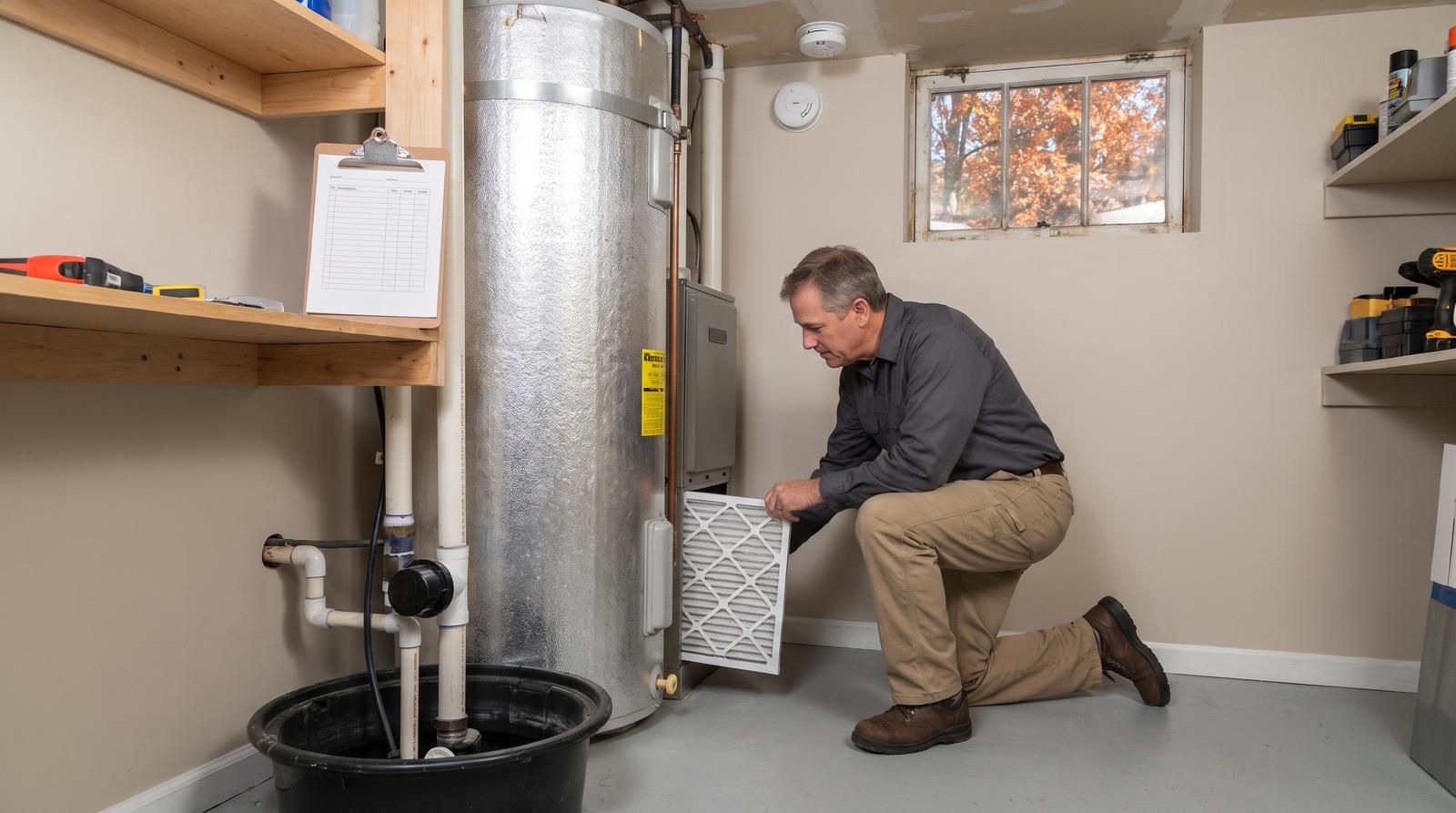
Find the main water shut-off valve, make sure it turns, and show everyone in the house where it is. In many homes it sits on the front foundation wall in the basement or near the water heater, close to where the line enters.
If the valve is stiff, corroded or does not stop the water completely, have it replaced before winter. Our step-by-step guide on how to shut off your water main in an emergency walks through the common valve types and what to do if yours will not budge.
How to Prevent Pipes From Freezing During a Cold Snap
When the forecast calls for single digits or a long stretch below freezing, take these extra steps, especially at night.
- Keep the heat steady: Hold the thermostat at the same temperature day and night during a cold snap. A deep overnight setback saves a little on fuel but lets wall cavities cool down.
- Open the cabinet doors: Open the doors under kitchen and bathroom sinks on exterior walls so warm room air can reach the pipes.
- Drip the faucets at risk: Let a slow drip of both hot and cold water run from faucets fed by vulnerable lines. Moving water is harder to freeze, and an open faucet relieves pressure if ice does form.
- Close the garage door: Keep it shut, especially if water lines run through the garage walls or ceiling.
- Watch for power outages: If a storm knocks out power and heat, start dripping faucets right away and keep the house as closed up as possible. If the outage looks long, call a professional about draining the system.
Never use a gas oven or a grill to heat the house during an outage. Both can produce dangerous levels of carbon monoxide.
If You Will Be Away This Winter
Holiday travel is when many pipes freeze, because nobody is home to notice. Leave the heat set no lower than 55 degrees and ask someone to check the house, including the basement, every day or two.
For longer trips, shut off the main and open a faucet on the lowest floor. If a pipe splits, only the water already in the lines can escape.
How to Tell a Pipe Is Frozen
A frozen pipe usually announces itself at the tap. The signs to watch for:
- No water or a weak trickle: One faucet runs normally and another nearby gives you little or nothing.
- Frost on the pipe: Visible frost or ice on an exposed line in the basement, crawl space or garage.
- A bulge or crack: A section of pipe that looks swollen, or a fitting that has pushed apart.
- Odd sounds: Gurgling or banging when you open the faucet.
- A damp spot on a wall or ceiling: This can mean a pipe already split and is leaking as it thaws.
If only one fixture is affected, the frozen section is likely on its supply line. If the whole house has no water, the problem may be near where the main enters, or with the street supply, so call your water utility too.
How to Thaw a Frozen Pipe Safely
If you can see and reach the frozen section, you can often thaw it yourself. Go slowly, since too much heat damages pipes and starts fires.
- Open the faucet first: Open the tap the pipe feeds so melting water and steam can escape and relieve pressure.
- Start near the faucet: Work from the faucet end back toward the frozen section, so the melted water has a path out.
- Use gentle heat: A hair dryer, a heating pad or towels soaked in hot water wrapped around the pipe all work. A space heater can help warm a cold cabinet or crawl space, but keep it clear of anything that can burn and never leave it running unattended.
- Keep the water running: Leave the faucet open until full flow returns, then check the rest of the faucets in the house.
Never use a propane torch or any open flame, which can ignite framing inside walls. Keep electrical appliances away from water, and do not use them on a wet floor.
If the frozen section is inside a wall, you cannot find it, or the pipe looks cracked, call a professional. Thawing a split pipe just turns it into a leak.
What to Do If a Frozen Pipe Bursts
The damage from a burst pipe grows every minute it runs. Here is what to do, in order.
Shut Off the Water Main
Go straight to the main shut-off valve and close it. If the leak is near your electrical panel or outlets, stay out of that area and call for help. Do not wade into a flooded basement where water may reach wiring.
Once the main is off, open the faucets on the lowest level to drain the remaining water out of the lines and away from the break.
Call for Emergency Repair
Our 24-hour emergency home repair team handles these calls around the clock across Somerset County. When you call, tell us where the water is coming from and whether the main is already off, so we arrive ready to stop the leak and start the repair.
Limit the Water Damage
While you wait, move furniture, rugs and electronics out of the wet area and mop up standing water. Photograph the damage before you clean up, since your insurer will likely ask.
Water that sits in drywall, subfloors and insulation can lead to mold within a day or two, so drying out quickly matters. Our water damage repair services cover drying out and replacing damaged drywall, flooring and trim. For a closer look at why waiting tends to make things worse, see our article on the real cost of water damage that will not fix itself.
Keep watching over the next few weeks. Our list of hidden water damage signs explains what to look for, from stains and soft spots to musty smells.
When to Call a Professional
Most of the fall prep here is homeowner work. These situations are better left to a pro:
- A pipe keeps freezing: A line that freezes every winter may need rerouting or insulation inside the wall.
- You cannot reach the frozen section: Pipes inside finished walls need someone who can open and patch them neatly.
- Your shut-off valve is seized: Replace it before you need it.
- The pipe is cracked or bulged: It needs to be cut out and replaced, not thawed.
- There is water damage: Wet drywall and warped flooring need proper drying and repair.
For smaller jobs like sealing drafts, insulating accessible pipes or adding access panels to reach plumbing, our handyman services can take care of it in one visit. For a burst pipe or active leak, use our emergency line.
Frequently Asked Questions
At what temperature do pipes freeze?
Water freezes at 32 degrees, but pipes in a heated home usually hold until it gets much colder outside, often into the teens. Pipes in exterior walls, crawl spaces and garages are at risk sooner, and a long stretch below freezing is riskier than one cold night.
Should I let my faucets drip at night?
Yes, during a cold snap, let a slow drip run from faucets fed by pipes on exterior walls or in unheated spaces. Moving water is harder to freeze, and an open faucet relieves pressure if ice starts to form. A thin, steady drip is enough.
How long does it take for a frozen pipe to burst?
There is no set time. It depends on the temperature, the pipe material and how exposed the line is. A pipe in a cold crawl space can freeze and split overnight in a hard freeze, so treat any frozen line as urgent and start thawing it or call for help right away.
Will homeowners insurance cover a burst pipe?
Many policies cover sudden water damage from a burst pipe, but coverage varies, and some insurers may deny claims if the house was left unheated. Check your own policy and talk to your agent before winter. Document the damage with photos and keep any repair records.
Get Your Home Ready for Winter
A few hours of prep this fall can save you from a flooded basement in January.
If you want help getting your plumbing and home ready for winter, or you are dealing with a frozen or burst pipe right now, contact Jeff of All Trades. We serve homeowners across Somerset County, including Hillsborough and Warren.