

Spring Maintenance Checklist: An Exterior and Systems Inspection for Somerset County Homes

When spring arrives in Somerset County, the snow melts, the days get longer and your house finally shows you what winter did to it. That first stretch of mild weather is the best time of year to walk your property and catch problems while they are still small.
Your home is your safe space and, for most families, your biggest financial asset. Skipping routine maintenance is how small issues turn into large, expensive repairs.
Ice, snow and freezing temperatures are hard on a house, and much of the damage stays hidden until someone goes looking for it. This checklist focuses on the exterior and the systems that keep your home running: roof, gutters, HVAC, plumbing, foundation and safety devices.
Keep it handy for when spring comes around. Several items, such as an AC tune-up or exterior painting, are worth booking ahead in late winter, before contractor calendars fill up. For a month-by-month view of the whole year, see our New Jersey seasonal maintenance calendar.
Let us break down the steps.
Inspect the Roof From the Ground
Your roof is your first line of defense against the weather, and neglecting it invites water damage. Grab a pair of binoculars and do a visual inspection from the ground, looking for missing shingles, curling edges or bare spots where granules have worn away.
If anything looks wrong, call a professional instead of climbing up yourself and risking a fall. A small leak in spring can become a mold problem by summer, so a quick roof check is one of the best ways to protect your home's value.
Clear the Gutters and Downspouts
Winter storms fill gutters with leaves, twigs and debris. When spring rain arrives, clogged gutters overflow and water pools around your foundation, which is how basements flood and foundations crack.
Scoop the debris out of your gutters, then run a hose through them to confirm water flows freely. Check that your downspouts carry water at least five feet away from the house. If water is pooling near your walls, downspout extensions are an inexpensive fix that can prevent far more costly foundation repairs.
On a taller home, gutter work means long ladders and real risk. Our guide to gutter cleaning schedules and tools for tall homes covers when to do it yourself and when to call for help.
Get the HVAC System Ready for Summer
You do not want your air conditioning to fail on the hottest day of the year, when HVAC companies are at their busiest. A professional tune-up is easy to book in late winter or early spring, so put it on the calendar ahead of time.
Once the weather turns mild, run your AC to confirm it blows cold air through every vent. Outside, clear leaves, overgrown shrubs and other debris away from the condenser unit. The system needs open airflow to run efficiently and keep energy bills in check.
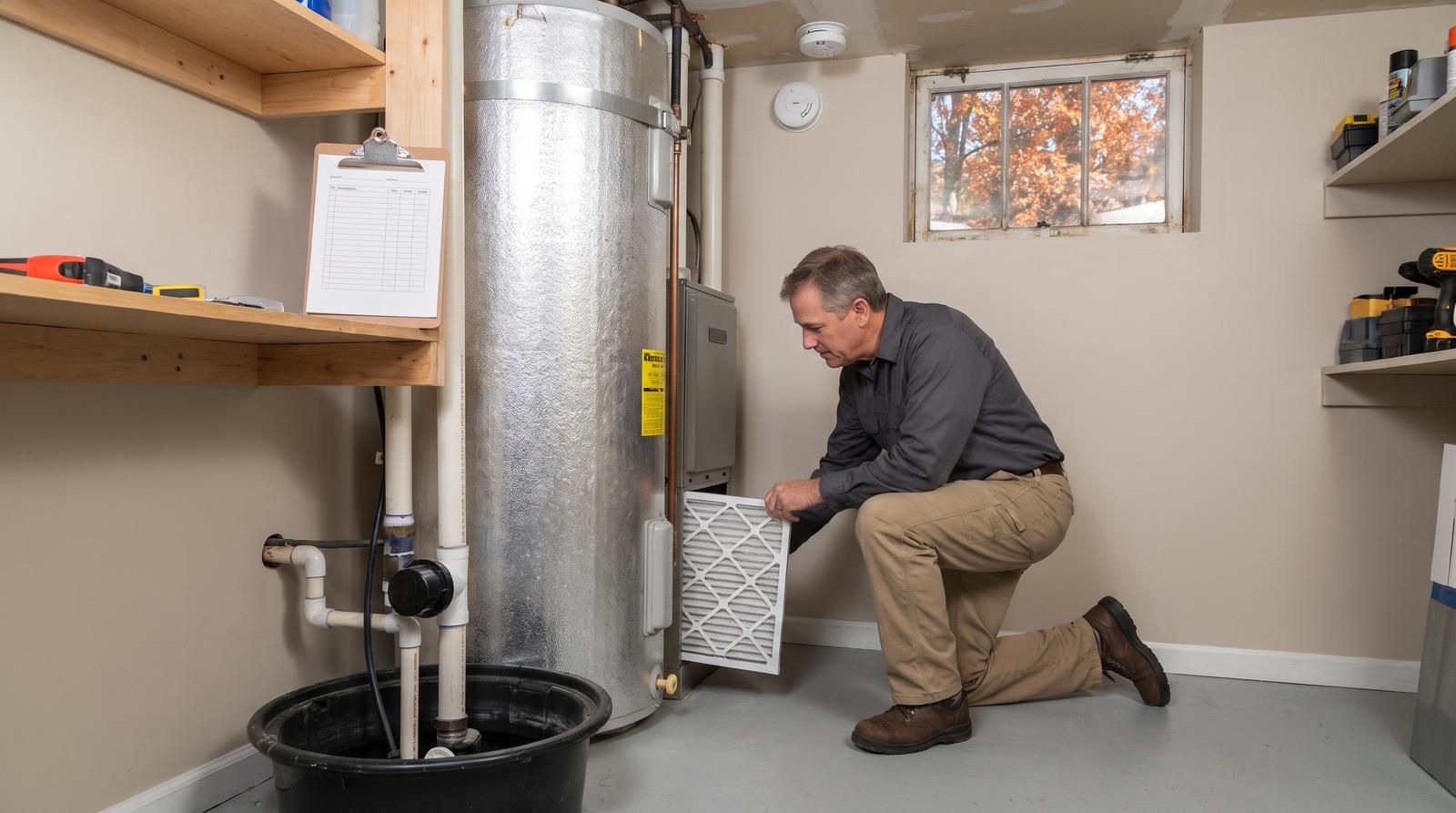
Then change your indoor air filters. Dirty filters make the system work harder and lower your indoor air quality, and fresh ones help you breathe cleaner air all season.
Seal Windows and Doors
Drafty windows let conditioned air, and your money, escape the house. Walk around and inspect the caulking around every window and door.
Winter weather can make caulk crack, shrink and pull away. If you see gaps, scrape out the old caulk and apply a fresh bead of exterior caulk. This keeps cool air in and insects out.
Next, take your window screens out of storage and check them for holes or tears. Small holes are usually a quick fix with an inexpensive screen repair kit.
Finally, wash your windows inside and out to let more natural light into your rooms. If you find frames that are soft, fogged glass or windows that still leak after resealing, it may be time to look at window replacement.
Clean and Check the Siding and Brick
After a long winter, exterior walls often look dull and dirty. Dirt, grime and mildew cling to vinyl siding and brick.
A rented pressure washer can make a big difference, but use a low setting on siding. The goal is to lift the grime gently, not to force water behind the panels or damage the surface.
If you have wood siding, check for soft spots and peeling paint. Wood rot should be repaired before it spreads, and chipped paint should be touched up so the wood stays protected from spring rain. Larger peeling areas are a job for professional exterior painting, which is worth scheduling early because spring and summer fill up quickly.
A clean exterior gives your curb appeal an immediate lift.
Check the Plumbing for Hidden Leaks
Water damage is one of the most costly problems a homeowner can face.
Start with your exterior spigots and turn each one on. Weak pressure or a leak can point to a pipe that cracked inside the wall over the winter.
Look under your kitchen and bathroom sinks for drips, water stains on the cabinet floor or a musty smell. Check that your toilets are not running constantly and wasting water.
If you have a basement with a sump pump, test it before the spring storms. Pour a bucket of water into the pit and make sure the pump switches on. A sump pump that fails during a heavy rain can flood a basement quickly. If you find damage that is already done, our damage repair team can help.
Prepare the Deck and Patio
Spring is when we all head back outside, and your deck or patio becomes the place to host friends and family. It needs some attention first.
Sweep away dead leaves and winter debris. Inspect your wood deck for loose boards, popped nails and splinters, and drive down any nails that stick up so nobody trips.
If the wood looks dry and faded, plan to apply a fresh coat of stain and sealer. This helps protect the wood from moisture and UV rays through the summer.
On concrete patios, look for cracks that need filling. Then pull out the patio furniture and scrub it with soapy water so your outdoor space is ready for weekend cookouts and evenings around the fire pit.
Get the Landscaping Ready
Your yard needs help after its winter rest. Start by raking leftover leaves and branches off the lawn so the soil can breathe and the grass can grow.
Trim dead branches from trees and shrubs, and make sure no branches touch your roof or siding, since they give insects an easy path into the house. Add a fresh layer of mulch to your flower beds to keep weeds down and hold moisture in the soil.
Check your sprinkler system for broken heads or underground leaks by running it zone by zone. Make sure the water lands on the lawn, not the sidewalk.
Walk the Foundation
Your foundation holds up the entire house.
Walk the perimeter and look closely at the concrete. Fine hairline cracks are common, but wide cracks, cracks that keep growing or walls that bow inward deserve a professional opinion. If you are unsure what you are looking at, have a structural engineer take a look.
Also make sure the soil around your foundation slopes away from the house so rainwater drains away from your walls, not toward them. If the soil has settled and slopes toward the house, add topsoil and regrade. This simple step goes a long way toward keeping your basement dry.
Foundation problems only get more expensive with time, so do not put this one off.
Check the Attic and Basement for Pests and Moisture
Nobody enjoys a trip into the attic or a dark basement, but both need a look. Take a flashlight up to the attic and check for mouse droppings, chewed wires or nests in the insulation, since rodents like to shelter in warm attics over the winter.
Check the underside of the roof deck for water stains or mold. If you can see daylight coming through the roof, call for a repair right away.
In the basement, use your nose to find damp, musty smells, and look for water stains on walls and floors. Run a dehumidifier if the air feels heavy. Keeping these spaces clean and dry protects the rest of the house.
Test Smoke and Carbon Monoxide Detectors
This is the easiest and most important task on the list.
Press the test button on every smoke detector and carbon monoxide detector in the house. If an alarm does not sound, replace the batteries right away. Hardwired units have backup batteries too, and those wear out over time.
Check the date on the back of each detector as well. Smoke detectors are generally replaced every ten years, and many carbon monoxide detectors last about five to seven years, so follow the manufacturer's date on the label. If you are adding or moving detectors, see our guide to smoke detector placement in New Jersey homes.
Ten minutes on this task could save a life.
Repair the Driveway and Walkways
Ice and snow shovels are hard on concrete and asphalt. Walk your driveway and look for new cracks or potholes. Water gets into small cracks, freezes, expands and breaks the surface apart, so fill cracks with a concrete patch or asphalt filler before they grow.
If you have an asphalt driveway, spring is a good time to apply a fresh seal coat, which helps protect it from the summer sun.
Check your front walkway for uneven bricks or pavers, which are a tripping hazard for guests and delivery drivers. If the walkway is beyond a simple reset, we can rebuild it with one of our custom walkways.
Keep Pests Out
Spring is when insects become active and look for a way inside. Ants, spiders and termites all go looking for shelter.
Set up a perimeter defense by applying an exterior insect barrier around your foundation, exterior doors and first-floor windows. Keep firewood stacked away from the house so it does not attract termites, and use trash cans with tight-fitting lids to keep raccoons away.
If you see a line of ants in the kitchen, set out liquid bait traps right away. Staying ahead of pests costs far less than calling an exterminator later.
Declutter and Deep Clean
Spring cleaning is more than a tradition. After months with the windows shut, the air inside is often stale, so open the windows and let fresh air move through the house.
Go room by room and declutter. If you have not used something in a year, donate it or throw it away. Once the clutter is gone, deep clean everything.
Wash the curtains, wipe down the baseboards and clean the ceiling fans. Dust collects on top of fan blades and falls when you switch them on.
Tune Up Your Tools
You cannot maintain your house with broken, rusty tools. Pull the lawnmower out of the garage and give it a tune-up: change the oil, replace the spark plug and put in a fresh air filter. Have the blade sharpened so it cuts the grass cleanly instead of tearing it.
Check your string trimmer and make sure you have enough line for the season. Clean your shovels, rakes and garden tools, and organize the garage so you can find what you need.
Being prepared makes yard work far less stressful.
Why Putting It Off Costs More
We see homeowners make the same mistake every year. They skip small maintenance tasks because they are busy or want to save money, and the small problem becomes a large one.
Failed caulk lets water into a window frame. A clogged gutter leads to a wet basement and ruined drywall. A skipped AC tune-up can end in an emergency repair in the middle of a heat wave.
Your house needs steady attention. Keep up with maintenance and it holds its value; ignore it and the repairs pile up. If you would rather hand part of the list to someone else, our handyman services cover the small repairs most homeowners never get to.
FAQs: Spring Home Maintenance
Why is cleaning my gutters so important in the spring?
Clogged gutters cause rainwater to overflow and pool around your foundation. That water can seep into your basement, contribute to foundation cracks and lead to expensive water damage repairs.
How often should I change my HVAC air filters?
Most homes should change HVAC air filters every one to three months, depending on the household. If you have pets or allergies, change them monthly to keep the system running efficiently and the air cleaner.
What is the easiest way to check for drafty windows?
On a windy day, hold a stick of incense or a damp hand near the edges of your window frames. If the smoke wavers or you feel moving air, you have a draft that needs fresh exterior caulk or new weatherstripping.
Which spring jobs should I book ahead of time?
Professional work that depends on good weather, such as an AC tune-up, exterior painting, deck staining and driveway sealing, books up quickly once spring arrives. Scheduling it in late winter gives you a better chance at the dates you want.
Make Spring Maintenance Easier
Taking care of your house does not have to be a miserable chore. Put on a playlist, grab a coffee and work through the checklist with your partner or roommates. Every task you finish makes your home safer, cleaner and more comfortable.
For a broader version of this list that also covers the inside of the house, see our 2026 spring home maintenance checklist.
We serve Basking Ridge, Bedminster, Bernardsville, Far Hills, Gladstone, Hillsborough and Warren, and we offer 24-hour emergency service for repairs that cannot wait. Contact Jeff of All Trades to get your spring repairs on the schedule.