The Real Cost of Waiting: Why That Small Water Damage in Your Basking Ridge Home Won't Fix Itself
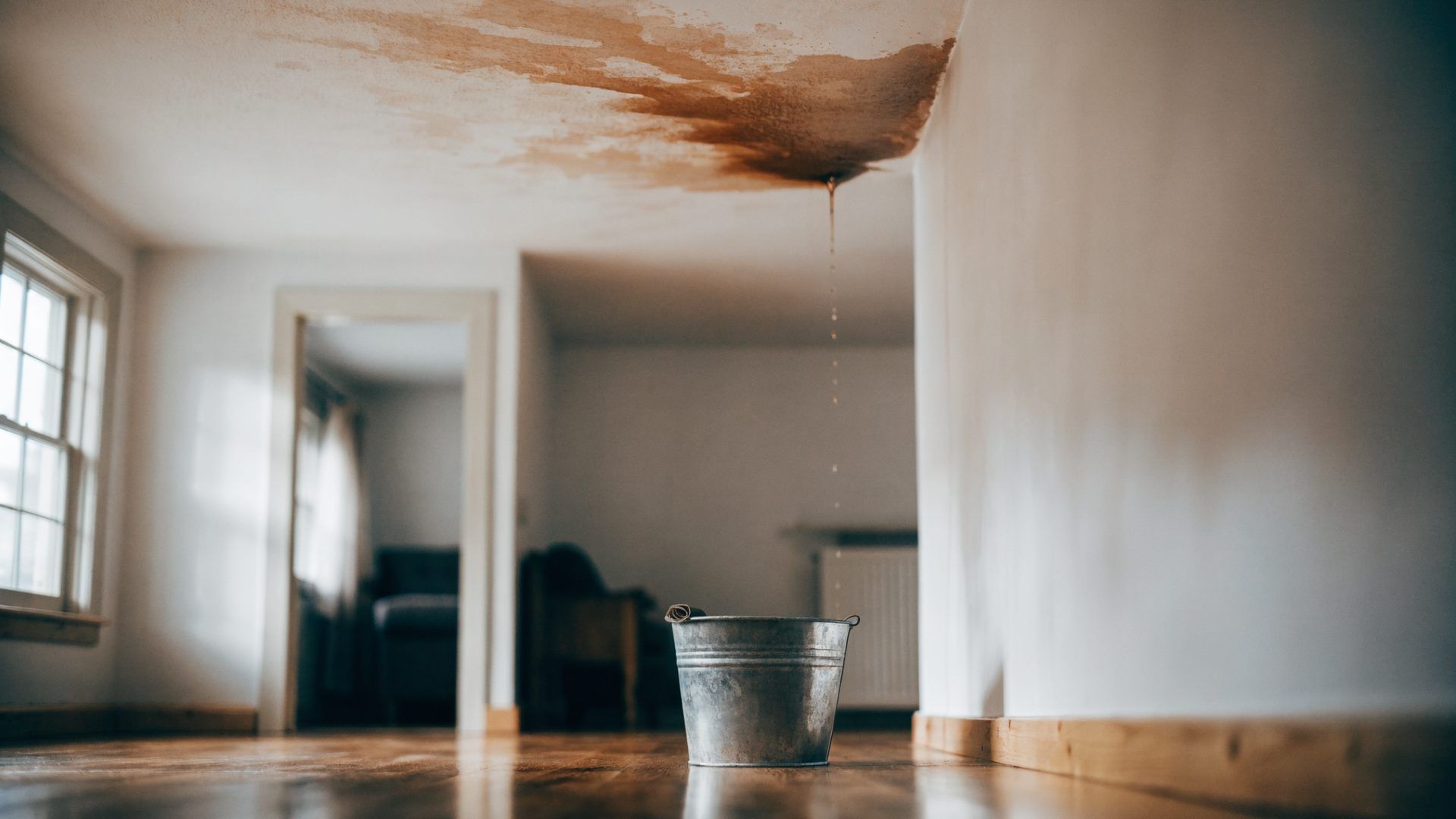
You noticed a small water stain on your ceiling last month. Maybe there is a damp spot on your basement wall that shows up after heavy rain. Perhaps you have a slow drip under the kitchen sink that you have been meaning to fix. It is easy to convince yourself these are minor issues that can wait until you have more time or more money.
Water damage does not fix itself. A small stain or slow leak can quietly spread, damaging drywall, flooring, insulation, and framing long before the problem looks serious.
For homeowners in Basking Ridge, Bedminster, Bernardsville, and across Somerset County, acting quickly can mean the difference between a simple repair and a costly restoration. This guide explains why water damage should never be ignored, and how fast action can protect your home, your budget, and your family.
The Financial Breakdown of Delayed Water Damage Repairs
Let us talk dollars and cents. Small water damage repairs are relatively affordable. A minor roof leak caught early might cost $200 to $500 to fix. Replacing a section of water-damaged drywall and repainting runs $300 to $800. Fixing a leaking pipe before it causes major damage costs $150 to $400.
Now let us look at what happens when you wait. That roof leak you ignored for six months has now rotted out the roof decking, damaged the insulation, ruined the drywall, and created a mold problem. Your repair bill just jumped to $3,000 to $8,000. The leaking pipe that seemed minor has now damaged your subfloor, created mold inside your walls, and requires opening up multiple sections of wall and floor. You are looking at $5,000 to $12,000 in repairs.
Water damage gets expensive fast. A small leak can lead to weakened materials, hidden moisture, mold, demolition, and major repairs. What could have been a simple fix may turn into a full damage repair project.
Insurance may help with sudden, accidental damage, but long-term leaks and neglected maintenance are often not covered. The sooner you address the issue, the better your chances of limiting damage and avoiding out-of-pocket costs.
Beyond the direct repair costs, there are indirect costs that add up quickly. If the damage is extensive enough to require you to move out temporarily, you are paying for a hotel or a rental. You are losing work time dealing with contractors and remediation companies. You are dealing with the stress and disruption to your daily life. Your home's value drops if water damage shows up in inspection reports when you try to sell.
The Hidden Health Dangers Lurking in Water Damage
Water damage is not just a repair issue. When materials stay wet, mold can grow quickly and spread through the air.
Mold and Poor Air Quality
Mold may trigger allergy symptoms, coughing, wheezing, eye irritation, and asthma flare-ups, especially for children, older adults, and people with respiratory conditions. Damp areas can also make indoor air feel musty and uncomfortable.
Contaminated Water Is More Serious
Water from sewage backups, floods, or other contaminated sources may contain harmful bacteria. Do not try to handle it yourself. Professional cleanup is usually the safest option.
Act Early
The longer water or moisture is left untreated, the more damage it can cause. Address the source right away and dry the area properly to help prevent mold, protect your home, and keep your family safe.
Common Sources of Water Damage in Basking Ridge Homes
Basking Ridge and Somerset County homes face several common sources of water intrusion. If you are not sure what to look for, our guide to the hidden water damage signs most homeowners miss walks through the early warning signs in detail.
Roof leaks are at the top of the list. New Jersey weather is tough on roofs. Ice dams in winter, wind-driven rain, and summer storms all create opportunities for water to penetrate your roof. Missing or damaged shingles, deteriorated flashing around chimneys and vents, and clogged gutters all contribute to roof leaks.
Plumbing problems are a common cause of water damage. Supply lines can leak or burst, drains can clog and overflow, and older water heaters may begin to leak. Washing machine hoses can also fail without warning. Knowing how to shut off your water main before that happens can save you thousands.
Basement water intrusion is extremely common in this area. Heavy rain, spring snowmelt, and poor drainage around foundations all lead to wet basements. Cracks in foundation walls, failed waterproofing, basement window leaks, and sump pump failures all allow water into your basement. Even minor dampness can cause mold growth and damage stored belongings. Our basement waterproofing checklist for the rainy season covers the drainage fixes that matter most in Somerset County.
HVAC condensation problems often go unnoticed. Your air conditioning system produces condensation that should drain away through condensate lines. When these lines clog or disconnect, water drips into your home. Poorly insulated ductwork can cause condensation that drips onto ceilings and promotes mold growth in attics and crawl spaces.
Why Homeowners Delay Fixing Water Damage
Understanding why people put off repairs helps you avoid making the same mistake. The reasons usually fall into a few categories.
Budget concerns top the list. You are worried about the cost and hoping the problem will somehow stabilize, or that you can stretch your budget a bit further before dealing with it. The irony is that waiting makes everything more expensive. The money you are trying to save by waiting gets multiplied several times over when the damage spreads.
Underestimating the severity is extremely common. That small stain does not look like a big deal. You have lived with it for a few months and nothing catastrophic has happened yet, so how bad could it be? The problem is that water damage progresses behind the scenes. What you see is usually a fraction of the actual damage.
Hoping it will fix itself is wishful thinking, but surprisingly common. Maybe the leak only happens sometimes. Maybe the stain has not gotten bigger recently. You tell yourself the problem may have resolved on its own. Water damage never resolves on its own. If you see signs of water intrusion, the source is still active even if it is intermittent.
Fear of what you will find stops many homeowners from investigating. You are worried that if you start pulling back drywall or looking in the attic, you will discover a much bigger problem than you expected. This fear is understandable but counterproductive. The problem exists whether you look at it or not. Looking at it gives you the information you need to fix it before it gets worse.
Busy schedules and procrastination play a role. You mean to call a contractor, but work is hectic, the kids have activities, and life gets busy. Weeks turn into months. Meanwhile, the damage continues spreading. Making time to address water damage should be a priority, because delaying it costs you more time and money in the long run.
What Actually Happens to Building Materials When They Get Wet
Different materials react to water in different ways, but none of them improve when wet.
Drywall is essentially compressed gypsum powder sandwiched between paper. When it gets wet, the gypsum softens and loses strength. The paper facing becomes an ideal food source for mold. Drywall that stays wet for more than 48 hours almost always needs replacement. Even if it dries out, it loses structural integrity, may contain mold, and often develops permanent staining and texture problems.
Wood framing absorbs water and swells. As it stays wet, it begins to rot. Rot compromises structural integrity and spreads to adjacent wood members. Once wood rot establishes itself, the affected sections need to be completely replaced. There is no way to reverse wood rot, and rotted framing can compromise the structural safety of your home.
Insulation becomes waterlogged and loses its insulating properties. Wet insulation also promotes mold growth and holds moisture against framing members, accelerating rot. Most types of insulation cannot be effectively dried and must be replaced after water damage.
Subfloors made of plywood or OSB (oriented strand board) absorb water and swell. Once they swell, they do not return to their original dimensions even after drying. Swollen subfloors make floors feel bouncy, cause squeaks, and prevent proper installation of new flooring. Severely damaged subfloors need replacement, which also affects any floor tiling laid over them.
Electrical systems exposed to water create safety hazards. Water and electricity obviously do not mix. Wet electrical boxes, outlets, and wiring can cause short circuits, electrical fires, and electrocution hazards. Any electrical components exposed to water need inspection and often replacement.
The Mold Problem: It Is Worse Than You Think
Mold deserves special attention because it is one of the most serious consequences of ignoring water damage.
Mold exists everywhere in nature. Outdoor mold spores constantly enter your home through doors, windows, and ventilation systems. Under normal conditions, these spores do not establish colonies because indoor surfaces are too dry. When water damage creates moist conditions, those spores find the perfect environment to grow.
Common household molds include Cladosporium, Penicillium, Aspergillus, and the infamous Stachybotrys, better known as black mold. While Stachybotrys gets the most attention because it produces mycotoxins, all molds can cause health problems, and all of them point to a moisture problem that needs addressing.
Professional mold remediation involves containment, removal of contaminated materials, HEPA air filtration, antimicrobial treatments, and verification testing. It is not a DIY project. Improper mold cleanup spreads contamination and makes the problem worse. You need professionals with the right equipment and training.
The Real Estate Impact of Water Damage
Water damage does not just cost you money in repairs. It affects your home's value and your ability to sell.
Any history of water damage must be disclosed to potential buyers in New Jersey. Even if you have repaired the damage, you are legally required to disclose it. Buyers see a history of water damage as a red flag. They worry about mold, structural problems, and the possibility of recurring issues.
If there are active leaks, mold, or structural damage, buyers may ask for major repairs, reduce their offer, or walk away altogether. Their lender or insurance company may also raise concerns, which can delay or derail the sale.
In most cases, fixing water issues before listing is the smarter move. Buyers often assume the worst and negotiate far more off the price than the repair would have cost. If you are weighing repairs against other pre-sale projects, our breakdown of which renovations actually pay back at resale puts the numbers side by side.
DIY vs. Professional Water Damage Repair
Some water damage fixes you can tackle yourself. Others need a professional, no question. Knowing which is which saves you from making expensive mistakes down the road.
You can handle small-scale drying if you catch it right away. A bit of water on the floor, an overflowing bathtub, or a small leak you spotted within a few hours can usually be mopped up with towels, fans, and a dehumidifier. The trick is to act fast, ideally within 48 hours, and make sure everything gets completely dry.
You should not attempt mold removal if it covers more than about 10 square feet. Getting rid of mold the right way means setting up containment barriers, wearing proper protective gear, running HEPA filters, and disposing of contaminated material safely. Doing it yourself sends mold spores through the rest of the house and puts everyone at risk.
Leave electrical and plumbing work to licensed professionals. Water damage usually affects both systems. Trying to fix electrical issues without the right training can cause fires or electrocution, and our guide on what homeowners can legally do themselves in NJ explains where the line sits. Plumbing has to be done right, or you will end up with more leaks and more damage.
Insurance claims often require professional documentation. If you are filing a claim, having a professional restoration and repair company document everything strengthens your claim and helps you recover appropriate compensation.
How to Find the Right Contractor for Water Damage Repairs
Not all contractors are qualified to handle water damage repairs. Here is what to look for.
Choose licensed and insured contractors. In New Jersey, home improvement contractors must be registered with the state. Jeff's Home Improvement holds NJHIC License #13VH06643500. Verify any contractor's license status before hiring them.
Choose a contractor with real water damage experience. Remodeling skills are helpful, but proper restoration also requires knowledge of drying, mold prevention, and insurance claims. Ask whether they have handled projects similar to yours.
Check references and reviews. Look for contractors with an established reputation in your community. You can read what Somerset County homeowners say about our work before you call. Jeff's Home Improvement has served Basking Ridge, Bedminster, Bernardsville, Far Hills, Gladstone, Hillsborough, and Warren for years.
Taking Action: What to Do Right Now
If you have water damage in your home right now, here is what you need to do immediately.
Stop the water source if possible. Shut off the water supply to a leaking pipe or appliance. Put a bucket under an active drip. Cover a leaking roof area with a tarp. Stopping additional water intrusion is the priority.
Remove standing water. Use a wet/dry vacuum, towels, or a mop to get up as much water as possible. The faster you remove water, the less damage occurs.
Move furniture and belongings out of the affected area. Water spreads quickly, and delays can lead to damaged possessions and structural damage.
Set up fans and dehumidifiers if you have them. Air circulation and humidity control help dry things out faster. Open windows if the weather allows.
Call a professional immediately. Do not wait to see if things get better. Within 48 hours you are facing mold growth and much more expensive repairs. Jeff's Home Improvement offers 24-hour emergency service for water damage situations. Call 908-963-3533 to get help fast.
FAQs: Water Damage in Basking Ridge
How do I know if water damage is new or old?
New water damage often appears darker, feels damp, and may leave surfaces soft or spongy. You might also notice dripping or running water.
Older damage is usually lighter or yellowish and may cause warping, bubbling, or changes in texture. Still, an old-looking stain does not always mean the leak is gone. Any water stain should be checked to confirm the source has been fixed and that no hidden damage remains.
Can I just paint over water stains on my ceiling?
No. Painting over water stains without addressing the source and properly repairing the damage is a mistake that will cost you more later. First you need to identify and fix the water source. Then you need to assess whether the affected drywall is damaged beyond surface staining.
If drywall has been wet for more than 48 hours, it likely contains mold and has lost structural integrity. It needs replacement, not just painting. Even if the drywall is salvageable, you need to use a stain-blocking primer before any interior painting or the stains will bleed through.
My basement gets damp after heavy rain but then dries out. Is this a serious problem?
Yes, this is a serious problem, even though it may seem minor. Recurring dampness indicates water intrusion that needs to be addressed. Even if water does not stay standing and things dry out between rain events, the cycle of getting wet and drying out causes cumulative damage. Materials in your basement are repeatedly exposed to moisture, which promotes mold growth, damages stored items, and can affect structural elements over time. The musty smell you probably notice is mold.
The dampness also makes your basement unusable for storage or living space. Common causes include poor exterior drainage, foundation cracks, failed waterproofing, and inadequate sump pump capacity.
Why Jeff's Home Improvement Is Your Best Choice for Water Damage Repair
When water damage happens, you need a contractor who responds quickly, understands the area, and can handle anything from a small repair to a full restoration. Homeowners in Basking Ridge, Bedminster, Bernardsville, Far Hills, Gladstone, Hillsborough, and Warren deserve reliable help when it matters most.
Jeff's Home Improvement has served Somerset County for years with a reputation for honest work, fair pricing, and getting the job done right. Licensed with the State of New Jersey (NJHIC #13VH06643500), we handle all aspects of water damage repair, including damage assessment, water extraction, drying, mold remediation coordination, demolition, reconstruction, and finishing work. For everything that comes after the water is gone, our handyman services cover the smaller repairs that tend to pile up.
We provide 24-hour emergency service because water damage does not wait for business hours. When you call, you get a prompt response and immediate action to limit the damage and start the restoration process. Get in touch or call 908-963-3533.