
The New Jersey Homeowner's Seasonal Maintenance Calendar: Month-by-Month Tasks to Prevent Costly Repairs
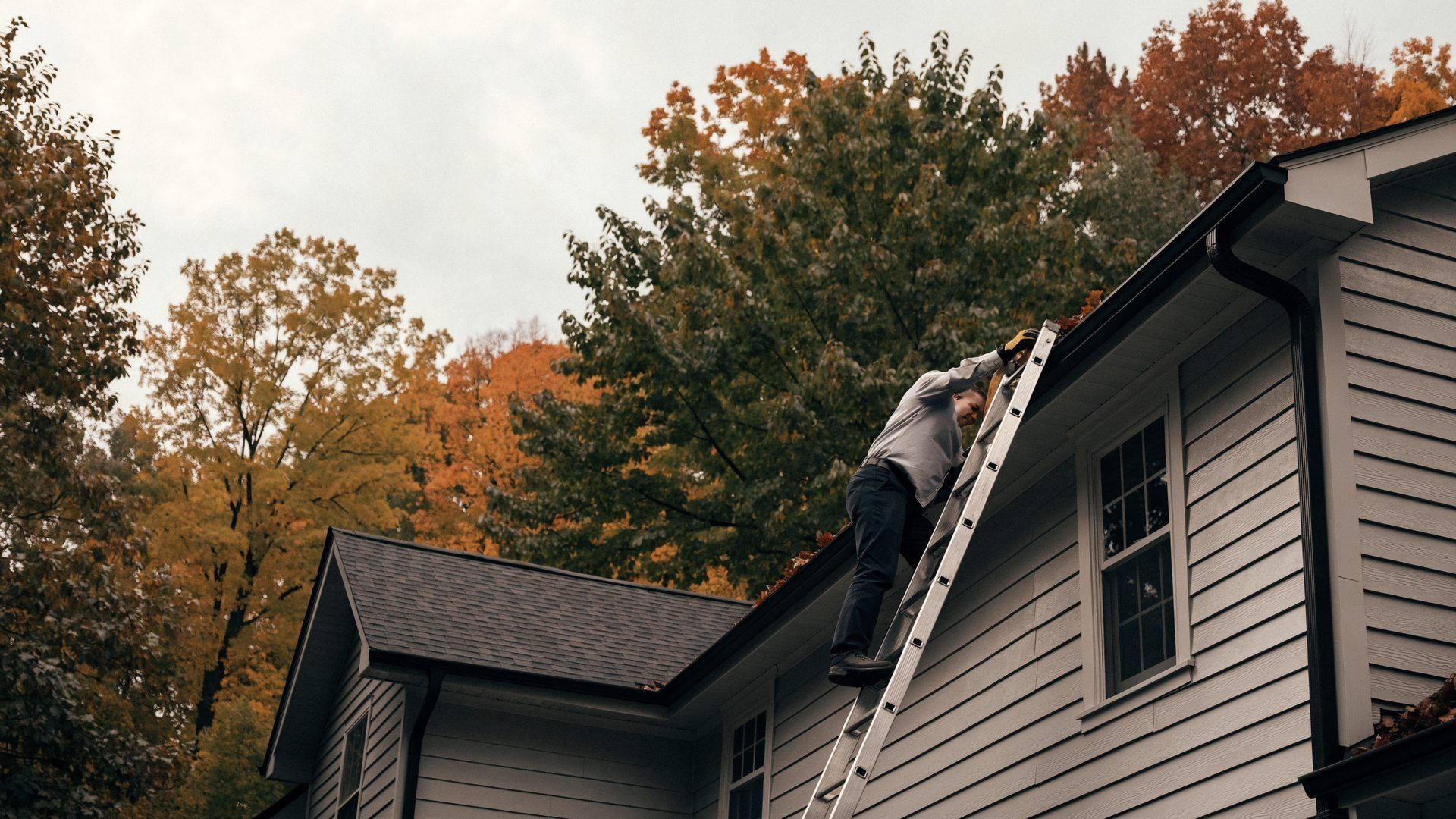
Owning a home in New Jersey has a lot going for it. You get four distinct seasons, strong communities, and a good mix of suburban space and urban convenience. Those four seasons also put your house through a great deal. Freezing winters, humid summers, spring storms, and fall winds all take their toll. If you are not staying ahead of maintenance, small problems turn into expensive ones faster than you would expect.
The good news is that you do not need to be a home improvement expert to keep your house in good shape. You need a plan. This month-by-month maintenance calendar breaks down what you should be doing and when. Follow it and you will catch issues before they become emergencies, save a significant amount on repairs, and keep your home running smoothly all year.
Why Seasonal Maintenance Actually Matters in New Jersey
New Jersey weather is demanding. One week it is 15 degrees with ice everywhere, the next it is 90 degrees with 80 percent humidity. Your house has to handle all of it. Roofs expand and contract. Foundations deal with freeze-thaw cycles.
Ignoring seasonal maintenance does not just make your home less comfortable. It costs you money. Regular maintenance extends the life of your home's major systems. Your HVAC unit lasts longer when it gets seasonal tune-ups. Your roof lasts longer when you catch minor issues before they turn into major leaks. Your plumbing stays functional when you address small problems instead of waiting for pipes to burst.
If a task on this calendar is beyond what you want to take on yourself, our handyman services cover most of it in a single visit.
Winter Maintenance: January and February
January: Recovery Mode After the Holidays
January in New Jersey means cold temperatures, potential snow, and your house recovering from the chaos of the holiday season. This is when you focus on indoor systems and making sure everything is holding up under winter stress.
Check your heating system. Your furnace or boiler has been working hard since November. Walk around your house and make sure every room is heating evenly. Listen for unusual noises coming from the system. Banging, rattling, or squealing sounds usually mean something needs attention.
Inspect your attic insulation. Go up there with a flashlight and look around. You are checking for two things: adequate insulation depth, which for most New Jersey homes means at least 10 to 12 inches, and any sign of moisture or ice damming. If you see frost on the underside of your roof deck or water stains on the insulation, you have ventilation or insulation problems that need fixing before they cause bigger damage.
Test your carbon monoxide and smoke detectors. Press the test button on each one. Replace batteries even if they seem fine. Carbon monoxide poisoning is a serious risk during heating season, especially if your furnace or water heater has issues. Do not skip this step.
Look for ice dams on your roof. Stand outside and check your roofline after snow. Ice dams form when heat escapes through your roof, melts snow, and then refreezes at the eaves. They cause water to back up under shingles and leak into your home. If you see them forming, you have insulation or ventilation problems to address.
February: Deep Winter Preparation
February is still full winter in New Jersey. You are focused on preventing cold weather damage and keeping your home comfortable and safe.
Prevent frozen pipes. Know where your pipes are most vulnerable: exterior walls, unheated crawl spaces, garages, and attics. Make sure these areas have adequate insulation. During extreme cold snaps, let faucets drip slightly to keep water moving, and open cabinet doors under sinks to let warm air circulate around the pipes.
Test your sump pump before you need it. Pour a bucket of water into the pit and make sure it turns on, drains the water, and shuts off properly. If it does not, have it repaired before heavy rain or spring runoff puts your basement at risk. Our basement waterproofing checklist covers the wider drainage picture.
Clean range hood filters. The mesh filters above your stove collect grease. Remove them and either run them through the dishwasher or soak them in hot soapy water and scrub them clean. Grease buildup reduces ventilation and creates a fire hazard.
Check for roof damage after storms. After any winter storm, do a visual inspection of your roof from the ground. If you see problems, get a professional inspection before small damage turns into leaks.
Spring Maintenance: March Through May
March: Welcome Spring and Start Opening Up
March brings the first hints of spring to New Jersey. Temperatures start rising, snow melts, and you can finally start thinking about outdoor maintenance again. Our spring home maintenance checklist goes into more detail on this season.
Schedule HVAC maintenance. Call now to get your air conditioning serviced before the summer rush. Technicians check refrigerant levels, clean coils, test electrical connections, and make sure everything is ready for the cooling season.
Clean gutters and downspouts. Winter debris and any remaining fall leaves need to come out before spring rains arrive. Clogged gutters cause water to overflow, damaging your fascia, soffit, foundation, and landscaping. While you are up there, check that gutters are securely attached and sloping properly toward downspouts. Make sure downspout extensions direct water at least four to six feet away from your foundation.
Inspect your roof. Now that the snow is gone, get up on a ladder and take a closer look. Check for loose, cracked, or missing shingles. Look at flashing around chimneys, vents, and skylights. Check for exposed or loose nails. Address any problems now, before spring storms test your roof.
Test your sump pump again. Spring thaw and rain put extra demand on sump pumps. Test yours the same way you did in February. Consider installing a battery backup if you do not have one. Power outages during storms are exactly when you need your sump pump working.
Service your lawn equipment. Check your mower, trimmer, and other power equipment. Getting this done now means you are ready when the grass starts growing.
April: Spring Maintenance in Full Swing
April means warmer weather, spring showers, and the right time to tackle outdoor projects before summer heat arrives.
Inspect and repair exterior paint and siding. Walk around your house looking for peeling paint, cracked caulk, or damaged siding. These openings let water into your home's exterior, causing rot and structural damage. Scrape, prime, and touch up paint where needed. Recaulk around windows, doors, and trim, and replace any damaged siding boards. If the paint is past touch-up stage, exterior painting is best done in spring or early fall.
Check your deck or patio. Look for loose boards, protruding nails, splintering wood, or wobbly railings. Test all connections and structural supports. Clean the surface with a deck cleaner and let it dry completely. If your deck needs staining or sealing, spring is the ideal time. Proper sealing protects wood from moisture damage and extends the life of the deck.
Inspect foundation and basement. Look for new cracks in foundation walls, inside and outside. Small hairline cracks are normal, but anything wider than a quarter inch, or cracks that are growing, need professional evaluation. Check for water stains or musty smells in your basement that point to moisture problems.
Trim trees and shrubs away from your house. Branches should be at least three feet from your roof and siding. Overgrown vegetation holds moisture against your home, damages siding, gives pests access, and can damage your roof during storms. Spring is the ideal time for pruning, before summer growth takes off.
May: Preparing for Summer
May brings consistently warm weather and the last chance to handle certain tasks before summer arrives in full.
Inspect and clean your air conditioning unit. The outdoor condenser should be clear of debris, leaves, and vegetation. Trim back plants or shrubs to allow at least two feet of clearance on all sides for proper airflow. Gently spray the unit with a hose to remove dirt from the fins. Check that the unit sits level on its pad.
Check weatherstripping and caulking. Inspect all exterior doors and windows. Replace worn weatherstripping and recaulk any gaps. If windows are drafty even after resealing, it may be time to consider window replacement.
Clean dryer vents. Pull your dryer away from the wall and disconnect the vent hose. Use a dryer vent brush or vacuum attachment to remove lint from the hose, the dryer connection, and the exterior vent opening. Lint buildup reduces efficiency and creates a serious fire hazard. Do this at least once or twice a year.
Inspect and repair screens. Check all window and door screens for holes or tears. Small holes can be patched with screen repair kits. Larger damage requires replacing the screen. Working screens keep insects out while letting you enjoy fresh air.
Summer Maintenance: June Through August
June: Early Summer System Checks
June means summer has officially arrived. Your focus shifts to keeping cool, managing moisture, and enjoying outdoor spaces. Our summer home maintenance checklist for Somerset County expands on this season.
Monitor indoor humidity levels. New Jersey summers are humid, and excessive indoor humidity leads to mold, mildew, and discomfort. Ideal indoor humidity is 30 to 50 percent. Use a hygrometer to check. If humidity is too high, run your air conditioning more, since it dehumidifies as it cools, or use a dehumidifier, especially in basements.
Inspect and clean outdoor furniture. Check patio furniture for rust, loose connections, or damaged fabric. Clean everything according to the material. Apply protective treatments to wood furniture. Store cushions somewhere dry when not in use to prevent mildew.
Clean and inspect your grill. Give it a deep clean if you have not already. Check gas connections for leaks by applying soapy water and watching for bubbles. Inspect burners for clogs or corrosion. Clean the grates and remove grease buildup that causes flare-ups.
July: Mid-Summer Maintenance
July is peak summer in New Jersey. Heat and humidity are at their highest, putting stress on cooling systems and increasing moisture issues.
Change HVAC filters. During heavy-use months, change filters more often than the standard schedule calls for. Check yours monthly and replace when dirty. Clean filters improve efficiency, indoor air quality, and system life.
Check attic ventilation. Your attic gets extremely hot in summer. Proper ventilation prevents heat buildup that damages roofing materials and makes your air conditioner work harder. Check that soffit vents are not blocked by insulation and that ridge or gable vents are clear.
Inspect your roof from inside. Go into your attic during daylight and look at the underside of the roof deck. You are checking for light coming through, which indicates holes or gaps, and water stains, which indicate leaks. Address any problems immediately, because water damage spreads quickly once it starts.
Clean refrigerator coils. Unplug the refrigerator and locate the coils, usually underneath or on the back. Vacuum away dust and pet hair with a brush attachment, then plug the unit back in. Dirty coils make the compressor work harder, raise your energy bill, and shorten the life of the appliance.
August: Late Summer Preparations
August is still hot, but it is time to start thinking about fall preparation and checking that summer has not caused any damage.
Inspect exterior paint and caulking again. Summer sun and heat cause paint to crack and caulk to fail. Do another walk around your house, checking for new damage. Small repairs now prevent water intrusion when fall rains arrive.
Check and clean window air conditioning units. If you use window units, clean the filters, coils, and drain channels. Pull them out for a thorough clean if that is practical. If they are staying in place, at least clean the filters and any accessible parts. Dirty units run inefficiently and push dust and allergens into the room.
Clean out window wells. If you have basement windows with window wells, remove debris, leaves, and dirt, and make sure drainage is working. Window wells that fill with water leak into your basement or cause foundation problems.
Fall and Winter Prep: September Through December
September: Transition to Fall
September brings cooler temperatures and the first signs of fall. This is when you start preparing your home for the colder months ahead.
Schedule heating system maintenance. Just as you serviced the air conditioning before summer, get your furnace or boiler checked before heating season. Technicians clean components, check for carbon monoxide leaks, test safety controls, and confirm everything runs efficiently and safely.
Inspect and clean your chimney. If you have a fireplace or wood stove, get the chimney professionally inspected and cleaned. Creosote buildup causes chimney fires, and damaged liners allow toxic gases into your home. This is not a DIY job.
Check weatherstripping and door sweeps. As temperatures drop you will notice drafts more easily. Inspect and replace worn weatherstripping around doors and windows. Install or replace door sweeps at the bottom of exterior doors.
Reverse ceiling fans. Ceiling fans should rotate clockwise in winter to push warm air down from the ceiling.
October: Full Fall Preparation
October means fall is here in full. Leaves are falling, temperatures are dropping, and winter preparation becomes urgent.
Final gutter cleaning. Once the leaves have finished falling, clean the gutters one more time before winter. This is critical. Ice dams and water damage often trace back to clogged gutters.
Drain and store garden hoses. Disconnect hoses from outdoor faucets, drain them completely, and store them in a garage or shed. Water left in hoses freezes and damages both the hose and the faucet.
Shut off and drain exterior faucets. Turn off the water supply to outdoor faucets from inside your house, then open the outdoor faucet to drain the remaining water. If you have frost-free faucets, make sure the hose is disconnected so they can drain properly.
Winterize your sprinkler system. If you have irrigation, hire a professional to blow out the lines with compressed air. Water left in sprinkler lines freezes and causes expensive damage.
Test your backup generator. If you have a generator, test it before storm season. Check fuel, oil, and operation, and make sure you know how to use it.
Inspect and seal your driveway. Check your driveway and walkways for cracks. Seal asphalt driveways to protect them from winter damage, and repair cracks in concrete before freeze-thaw cycles make them worse.
Service your garage door. Cold weather is hard on springs, rollers, and openers. Our guide to garage door maintenance covers the checks that prevent a mid-winter breakdown.
November: Winter Preparation Continues
November brings colder temperatures and possibly the first snow. Your winter preparations need to be finished by the end of this month.
Check and replace furnace filters. Your heating system is running regularly now. Check the filter and replace it if it is dirty.
Insulate pipes in vulnerable areas. Wrap foam insulation around pipes in unheated spaces such as garages, crawl spaces, and exterior walls. This prevents freezing and bursting.
Test your sump pump again. Make sure it is working properly before winter. Frozen ground and spring thaw put extra demand on sump pumps.
Clean your bathroom exhaust fans. Remove the cover and vacuum out dust and debris. A blocked fan leaves moisture in the room, which leads to mold on ceilings and around windows.
Check your roof and attic again. Make sure everything is ready for snow and ice. Look for any new damage that has developed since spring.
December: Monitoring and Indoor Focus
December means winter is here. You are mostly in monitoring mode, checking that systems are working properly and dealing with any problems that come up.
Monitor for ice dams. After snow, check your roof edges. If you see ice dams forming, address the underlying insulation and ventilation problems. You can temporarily relieve ice dams by using a roof rake to remove snow, but the real fix is improving attic insulation and ventilation.
Check your heating system performance. Make sure your house is heating evenly and efficiently. Listen for unusual noises. If something seems off, call for service immediately rather than waiting for a breakdown.
Test backup systems. Make sure your generator is fueled and ready if you have one. Check that you have fresh batteries in flashlights. Know where your main water shutoff is in case of an emergency.
Prevent holiday hazards. If you decorate for the holidays, do not overload electrical circuits. Check holiday lights for damage before stringing them up. Keep live trees watered. Turn off decorative lights when you are asleep or away from home.
FAQs: Home Maintenance Calendar
What is the most important maintenance task New Jersey homeowners should never skip?
Gutter cleaning is at the top of the list. New Jersey gets significant rain and snow, and clogged gutters cause water damage to your roof, fascia, siding, and foundation. Water damage is expensive to repair and can lead to structural problems and mold. Clean your gutters at least twice a year, in spring and fall, and check them after major storms.
If you have a lot of trees near your house, you may need to clean them more often. Gutter guards reduce how often you need to do it, but you will still need to check them periodically.
How much should I budget annually for home maintenance?
A common rule of thumb is to budget 1 to 3 percent of your home's value each year for maintenance and repairs. For a $400,000 home that is $4,000 to $12,000 annually.
The percentage depends on your home's age, condition, and which systems might need replacement soon. Newer homes typically fall at the lower end, while older homes need more. Some years you will spend less and others more, but having a dedicated maintenance fund prevents financial stress when your water heater fails or your roof needs repairs. Regular preventive maintenance also reduces your total costs by catching problems early.
Can I do most of this maintenance myself, or do I need to hire professionals?
Many of the tasks on this calendar are DIY-friendly. Changing filters, cleaning gutters, testing smoke detectors, and basic inspections do not require special skills or tools. Some tasks do need professionals.
Licensed contractors should handle HVAC maintenance, chimney cleaning, electrical work, and major repairs. The key is knowing your limits. If you are comfortable on a ladder and have basic tools, you can handle a good deal. If something feels unsafe or beyond your skill level, hire a professional.
The cost of professional service is almost always less than the cost of fixing mistakes or dealing with an injury from a DIY attempt that goes wrong.
The Bottom Line on Home Maintenance
Staying on top of home maintenance is not complicated, but it does require consistency. You do not need to spend every weekend working on your house. An hour or two each month on the right tasks makes a substantial difference.
Think of home maintenance as protecting one of your biggest investments. A little regular care prevents costly emergencies, extends the life of major systems, and keeps your home safer and more comfortable.
Focus on the areas that need it most. Have an older roof? Schedule inspections. Dealing with a damp basement? Stay ahead of drainage and moisture. If your HVAC system is aging, keep up with filter changes and routine service. Small steps now save you a great deal later.
Do not let the calendar overwhelm you. If you miss a month, pick up where you left off. Something is always better than nothing. Homeowners who complete even half the tasks on this list are well ahead of those who do none.
When you run into problems beyond your skill level, call a professional. Jeff's Home Improvement serves Basking Ridge, Bedminster, Bernardsville, Far Hills, Gladstone, Hillsborough, Warren, and surrounding areas in Somerset County. Whether you need help with maintenance tasks, repairs, or larger remodeling projects, having a reliable contractor makes homeownership much less stressful.
Your home takes care of you. Return the favor with consistent seasonal maintenance. For a straight answer on anything on this list, contact Jeff's Home Improvement or call 908-963-3533.