

Hidden Water Damage: 7 Warning Signs Somerset County Homeowners Miss Before It's Too Late
Water damage is one of those problems that sneaks up on you. You don't see a flood or burst pipe, so you figure everything's fine. Meanwhile, water is slowly destroying your home from the inside out.
By the time most Somerset County homeowners notice water damage, it's already caused thousands of dollars in destruction. The drywall is ruined. The framing is rotted. Mold is growing inside the walls. What could have been a $500 repair becomes a $15,000 nightmare.
The worst part? There were warning signs all along. Subtle clues that something was wrong. But nobody knew what to look for.
We're going to walk through seven warning signs that homeowners consistently overlook, explain what they mean, show you where to look, and tell you what to do if you spot them.
This isn't about scaring you. It's about saving you money and protecting your home. Let's get into it.
Why Water Damage Is So Dangerous
Before we dive into the warning signs, let's talk about why water damage is such a serious problem.
Water destroys everything it touches, given enough time. Wood rots. Drywall crumbles. Metal corrodes. Insulation becomes useless. But the damage happens slowly and out of sight, which is why it's so insidious.
Even worse, water creates perfect conditions for mold growth. Within 24-48 hours of getting wet, mold can begin to colonize damp materials. Once mold takes hold, you've got both structural damage and a health hazard.
The financial impact is significant. According to insurance industry data, the average water damage claim in the US costs over $11,000. But hidden water damage that's discovered late often costs much more because the destruction has spread far beyond the initial leak.
In Somerset County, where homes are valuable and many are older, water damage can significantly affect your property value and lead to costly emergencies.
The good news? If you catch water damage early, repairs are much simpler and cheaper. That's why recognizing these warning signs matters so much.
Warning Sign #1: Unexplained Increases in Your Water Bill
This is the easiest warning sign to miss because it's not in your house; it's on paper.
If your water bill suddenly jumps 20%, 30%, or more without any obvious explanation, you've probably got a hidden leak somewhere. The water is running constantly, day and night, even when you're not using it.
What to Look For
Compare your current bill to the bill for the same month last year. Seasonal variations are normal (you use more water in summer), but your bill should be consistent year to year.
A sudden spike, especially during months when your usage should be stable, is a red flag.
Even a smaller, steady increase over several months can indicate a slow leak that's getting worse.
Common Causes in Somerset County Homes
Underground pipe leaks - In our area with freeze-thaw cycles, underground pipes can crack and leak without any visible signs above ground.
Toilet leaks - A running toilet can waste hundreds of gallons per day. You might not hear it if it's a slow leak.
Water heater leaks - Small leaks around water heater connections often go unnoticed, but waste significant water.
Irrigation system leaks - If you have a sprinkler system, broken lines or valves can run water underground constantly.
What to Do
First, check your water meter. Turn off all water in your house, then look at your meter. If it's still moving, you've got a leak somewhere.
Next, check obvious culprits such as toilets (put food coloring in the tank and see if it appears in the bowl without flushing) and visible pipes under sinks.
If you can't find the source, you need a professional. Small leaks become big problems fast.
Why This Matters
A hidden leak isn't just wasting money on your water bill. That water is going somewhere, usually into your walls, foundation, or soil around your home. Every day you ignore it, the damage worsens and becomes more expensive to fix.
Warning Sign #2: Musty Odors That Won't Go Away
Your nose knows when something's wrong, even if your eyes don't see it.
That musty, earthy, slightly unpleasant smell that you've gotten used to? That's not just "old house smell." That's mold and mildew growing somewhere hidden, and mold only grows in moist conditions.
What It Smells Like
Musty odors from water damage smell earthy, stale, and vaguely unpleasant. Some people describe it as smelling like wet cardboard, damp basement, or old books.
The smell is often strongest in specific areas or rooms, and it might be worse on humid days or after rain.
If you notice the smell is stronger in certain spots, near a specific wall, in a closet, or around the HVAC vents, that tells you where the moisture problem is located.
Common Sources
Inside wall cavities - Slow leaks from pipes inside walls create perfect hidden environments for mold growth. You smell it, but you can't see it because it's behind the drywall.
Crawl spaces and basements - Poor ventilation, plus any moisture, creates musty smells that permeate up through the house.
Around windows and doors - If seals are failing, moisture gets in during rain and creates mold growth in the surrounding walls.
HVAC systems: If your AC drain line backs up or your system has condensation issues, mold grows in the ducts and spreads its smell throughout your house.
Under flooring - Especially with older homes, moisture can accumulate under floors from ground moisture or plumbing leaks, creating musty smells that seem to come from nowhere.
What to Do
Don't just spray air freshener and ignore it. The smell is telling you there's a moisture problem that needs to be fixed.
Start by investigating the area where the smell is strongest. Look for any visible signs of water damage, leaks, or moisture.
Check under sinks, around toilets, near water heaters, and any plumbing fixtures in that area.
Use a moisture meter (you can buy one for $30-50) to check walls and floors where the smell is strongest. High readings indicate moisture inside.
If you can't find the source or if the moisture is inside the walls, you need professional help to locate and fix the problem before mold spreads further.
The Hidden Danger
Mold isn't just unpleasant; it's a health hazard, especially for people with allergies, asthma, or respiratory issues. Some molds produce mycotoxins that can cause serious health problems.
Beyond health concerns, mold indicates ongoing water damage. The longer moisture remains, the more structural damage occurs.
Warning Sign #3: Stains, Discoloration, or Texture Changes on Walls and Ceilings
This one seems obvious, but people ignore it all the time. They see a small stain on the ceiling or a discolored patch on the wall and think, "I'll deal with that later."
Later, it turns into months or years, and in the meantime, the water damage spreads.
What to Look For
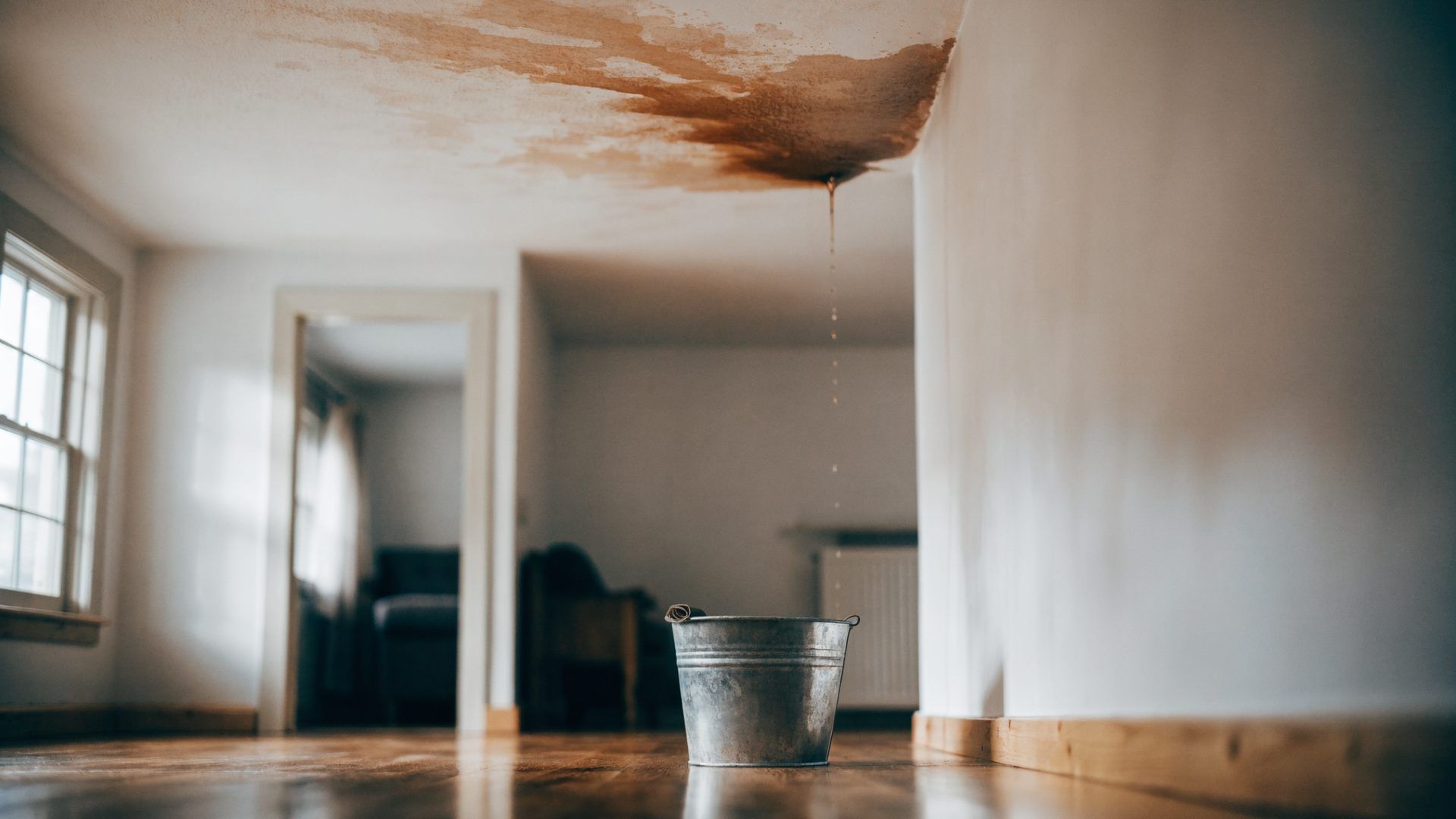
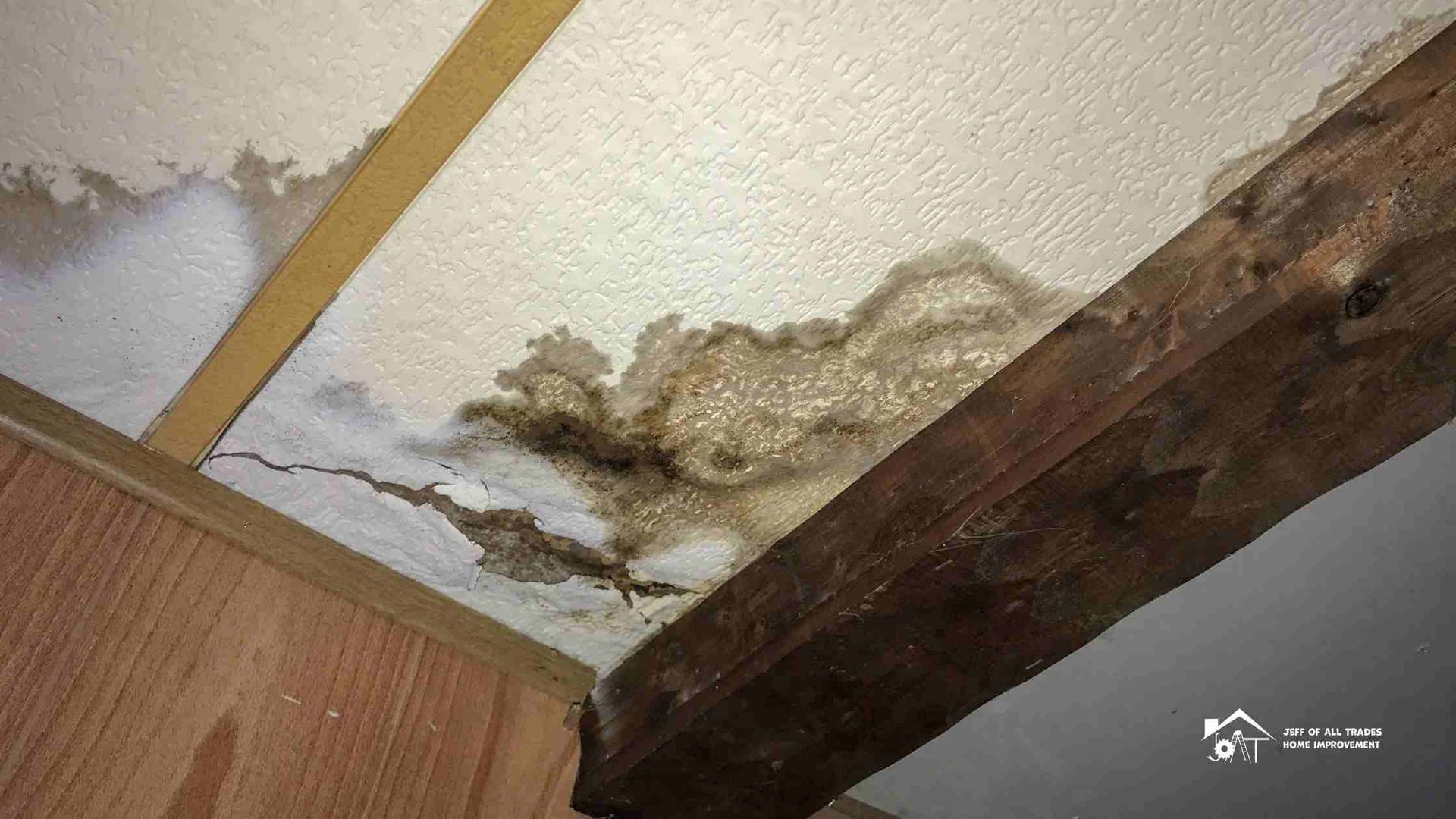
Water stains - Yellow, brown, or copper-colored stains on ceilings or walls, especially near plumbing or on upper floor ceilings.
Discoloration - Areas where paint or wallpaper appears darker, dingy, or a different shade than the surrounding areas.
Texture changes - Walls or ceilings that look bubbled, warped, or saggy. Paint that's cracking, peeling, or blistering.
Soft spots: areas where the drywall feels spongy or soft when pressed.
Visible mold or mildew - Dark spots, fuzzy growth, or discolored patches (often black, green, or white).
Common Locations in Somerset County Homes
Ceilings under bathrooms: Toilet leaks, shower pan failures, or tub overflow issues can cause ceiling damage in the room below.
Exterior walls - Failed siding, missing flashing, or clogged gutters allow water into the walls during rain.
Around windows - Failed seals or improper installation let water in around window frames.
Near plumbing fixtures - Under-sink leaks, toilet leaks, or supply line issues create damage around fixtures.
In basements, Foundation leaks or seeping ground moisture through walls can cause staining and discoloration.
Why People Ignore This
Small stains seem like cosmetic issues. People figure they'll just paint over it eventually.
But stains are symptoms, not the problem itself. The problem is water getting where it shouldn't be. Until you fix the source, painting over stains is pointless; they'll just come back, and the hidden damage will continue spreading.
What to Do
Never ignore stains or discoloration. Investigate immediately to find the source.
Press on stained areas. If the surface feels soft, spongy, or damp, you've got active water damage that needs immediate attention.
Look for the source above or behind the stain. Check plumbing fixtures, roof areas above interior stains, and exterior conditions around exterior wall stains.
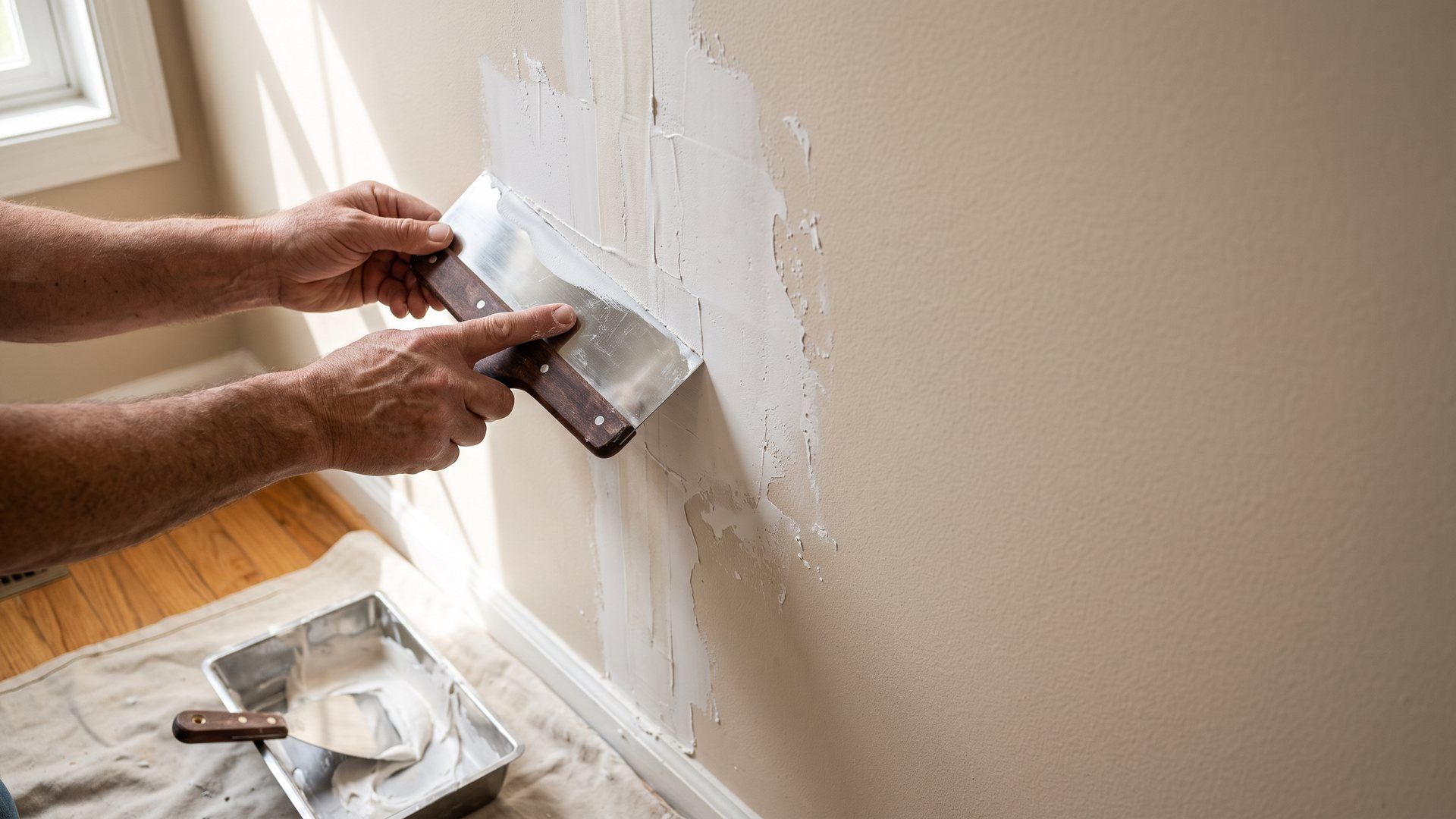
If you find the source of the leak, fix it immediately. Then assess the extent of the damage. If the drywall is soft or crumbly, it needs to be replaced. If framing is damaged, you need professional repair.
Don't just patch and paint without finding and fixing the source. You're covering up a problem that will get worse.
The Cost of Waiting
A small ceiling stain might cost $200 to repair if you address it now. Wait six months, and that same leak could require $3,000 in ceiling, structural, and mold remediation work.
Warning Sign #4: Warped, Buckling, or Soft Flooring
Your floors are literally the foundation of your living space. When they start changing shape or texture, something serious is happening underneath.
What to Look For
Buckling or warping - Hardwood floors that are curling at the edges, cupping in the middle, or creating peaks and valleys.
Soft spots - Areas where the floor feels spongy or gives slightly when you walk on it.
Loose tiles - Floor tiles that are cracking, separating, or coming loose from the subfloor.
Gaps appearing - Spaces opening up between floorboards or along baseboards.
Discoloration - Dark spots or staining on wood floors, especially near water sources.
What's Happening Underneath
Flooring damage indicates water in the subfloor or below. This can come from:
Plumbing leaks - Pipes running under floors or within walls near floor level leak slowly and saturate subfloor materials.
Ground moisture - In homes without proper moisture barriers, groundwater wicks up through concrete slabs or crawl spaces into flooring.
Appliance leaks - Dishwashers, refrigerators with ice makers, and washing machines often develop slow leaks that spread under the flooring.
What to Do
If you notice any changes to the flooring, investigate immediately.
Pull up a corner of the affected flooring to inspect the subfloor. Look for water stains, soft spots, mold growth, or rot.
Check all nearby plumbing fixtures and appliances for leaks. Look under sinks, behind toilets, under the dishwasher, and behind the refrigerator.
Use a moisture meter on the floor to check moisture levels. Readings above 12% in wood indicate a moisture problem.
If the subfloor is damaged, you'll need professional floor repair. This isn't a DIY job; proper repair requires identifying and fixing the water source, removing damaged materials, treating for mold, and installing new subflooring and finished flooring correctly.
Prevention
Watch for small signs before they become big problems. Any time you use water near a floor, mopping, kids playing with water, or cleaning, make sure the floor dries completely.
Install water sensors near dishwashers, water heaters, and washing machines. These $20 devices alert you immediately to leaks.
Warning Sign #5: Visible Efflorescence on Basement Walls or Floors
This one has a weird name, but it's an important sign of water problems, especially in basements.
Efflorescence is that white, chalky, powdery substance you sometimes see on concrete or brick basement walls. It looks like someone sprinkled white dust or salt on the surface.
What It Actually Is
Efflorescence is crystallized mineral salts left behind when water evaporates.
Here's what happens: Water seeps through concrete or masonry from outside. That water contains dissolved minerals. When the water reaches the interior surface and evaporates, it leaves the minerals behind as white deposits.
The important point: efflorescence means water is moving through your foundation walls or floor. That water carries more than just minerals; it's bringing moisture into your basement.
Where to Look
Foundation walls - Especially along the bottom where walls meet floors, and in corners.
Basement floors - Around the perimeter where floors meet walls, or in specific spots where the slab may be cracked.
Around windows - Basement windows often allow water intrusion that creates efflorescence.
On brick or stone - Interior brick or stone in basements commonly shows efflorescence.
What It Means
Light efflorescence on a concrete foundation in a basement isn't necessarily an emergency; some minor mineral deposits are common in older homes.
But significant efflorescence, or efflorescence that keeps coming back after you clean it, indicates ongoing water intrusion that you need to address.
Heavy efflorescence combined with dampness, musty odors, or visible water indicates a serious foundation water problem.
Related Problems
Efflorescence often appears alongside other water damage indicators:
Damp basement - If you see efflorescence and the basement feels damp or smells musty, water is definitely penetrating your foundation.
Mold growth - The moisture-creating efflorescence also creates conditions for mold.
Spalling concrete - In severe cases, the freeze-thaw cycle with trapped moisture causes concrete surfaces to flake, pit, or crumble.
Wall cracks - Water pressure from outside can crack foundation walls while creating efflorescence.
What to Do
Don't ignore efflorescence or just try to paint over it (which won't work, the minerals will push through the paint).
First, address exterior drainage. Most basement water problems come from poor grading, clogged gutters, or missing downspout extensions. Water pools against your foundation and seeps through.
Check your gutters and downspouts. Make sure downspouts extend at least 6 feet from the foundation. Ensure ground slopes away from the house.
For persistent problems, you may need exterior waterproofing, a French drain system, or a basement waterproofing solution like a perimeter drain and sump pump.
After fixing the water source, clean the efflorescence with a wire brush and allow the surface to dry completely before any finishing work.
Somerset County Considerations
Our area gets significant rain and snow. Freeze-thaw cycles are hard on foundations. Clay soil (common in parts of Somerset County) expands when wet and contracts when dry, which puts pressure on foundations.
These factors make basement water issues common in our area. Being proactive about drainage and waterproofing protects your home's value and prevents bigger problems.
Warning Sign #6: Peeling or Bubbling Paint, Especially in Bathrooms and Kitchens
Paint problems seem cosmetic, but they often signal hidden moisture issues, especially in rooms with plumbing.
What to Look For
Bubbling paint - Small bubbles or blisters forming under paint, particularly on walls or ceilings.
Peeling paint: paint that's lifting away from the surface in sheets or flakes.
Cracking paint - Fine cracks forming in paint, especially in specific areas rather than all over.
Discoloration under paint - Dark shadows or stains visible through paint layers.
What Causes This
Paint bubbles or peels when moisture gets trapped between the paint and the surface. The moisture either comes from behind (water inside the wall) or from extreme surface humidity.
In bathrooms and kitchens where moisture is common, paint failure usually indicates inadequate ventilation or hidden leaks rather than just normal steam and humidity.
Common Problem Areas
Bathroom ceilings and walls - Especially near showers and tubs. This could indicate failed grout or caulk allowing water into walls, poor ventilation causing condensation problems, or actual plumbing leaks.
Kitchen walls and ceilings - Near sinks or behind cabinets, often indicating plumbing leaks.
Exterior walls - Paint peeling on the interior sides of the exterior walls suggests water intrusion from the outside, failed siding, missing flashing, or roof leaks.
Around windows: Paint failure around window frames indicates seal failure, allowing water penetration.
Why This Matters
Paint isn't failing because it's old or of bad quality (though that happens, too). In most cases, paint failure indicates moisture issues.
If moisture is present, you likely have or will soon have mold growth, wood rot, and structural damage behind the paint.
Simply repainting without addressing the moisture source guarantees that the problem will return and worsen.
What to Do
Investigate the cause before any cosmetic repair.
In bathrooms, check all grout and caulk around tubs, showers, and tiles. Failed sealant is the most common cause of water getting into bathroom walls.
Check for plumbing leaks behind walls. If paint is peeling in a specific area near plumbing, you might have a slow leak inside the wall.
Improve ventilation. Bathrooms need exhaust fans that actually vent outside (not into attics). Run fans during and for 20 minutes after showers.
For exterior walls, inspect outside for any signs of water intrusion, damaged siding, missing caulk, poorly sealed windows, or roof problems.
Use a moisture meter on affected walls. High readings indicate moisture issues that must be addressed before repainting.
The Right Way to Fix It
Once you've found and fixed the moisture source:
- Remove all failed paint completely
- Allow surfaces to dry thoroughly (this might take days or weeks)
- Treat any mold with an appropriate cleaner
- Prime with a moisture-blocking primer
- Repaint with quality paint appropriate for the room
Skipping any of these steps means the problem will return.
Warning Sign #7: Windows and Doors That Suddenly Stick or Won't Close Properly
When windows or doors that used to work fine suddenly start sticking, refusing to close, or requiring force to operate, water damage might be the cause.
What's Happening
Wood absorbs water and swells. When framing around windows and doors gets wet from hidden leaks, the wood expands and warps.
This changes the precise measurements that allow windows and doors to operate smoothly. Suddenly, your door frame isn't square anymore, or your window sash is too tight in the frame.
What to Look For
Doors that stick - Particularly at the top of the frame or on the latch side, or doors that suddenly drag on the floor when opening.
Windows that won't open smoothly - Windows that bind, require force, or have developed gaps that let in drafts.
Gaps appearing - New spaces between doors or windows and their frames, or between the frame and the surrounding wall.
Warped trim - Molding around doors or windows that's pulling away, warping, or no longer sits flush.
Difficulty latching - Doors or windows where latches no longer line up properly with strikes.
Common Causes
Roof leaks - Water entering through the roof often runs down inside walls and affects door and window frames on upper floors.
Window seal failure - Failed exterior seals allow water into the wall cavity around windows during rain.
Plumbing leaks in walls - Pipes inside walls near door or window frames leak and swell the surrounding wood.
Foundation settlement - While not technically water damage, foundation movement (sometimes from soil moisture issues) can cause doors and windows to stick.
Why You Shouldn't Ignore This
Sticking doors and windows aren't just annoying; they're telling you that the wood framing is getting wet and swelling.
That moisture is also causing:
- Wood rot in the frame
- Mold growth inside the wall cavity
- Potential structural damage to wall framing
- Energy efficiency loss from gaps and poor seals
Trying to "fix" it by planing down the door or forcing windows will temporarily improve operation, but doesn't address the actual problem.
What to Do
If doors or windows suddenly start operating differently, investigate for water sources.
Check the roof above that area for any signs of leaks or damage.
Inspect the exterior around the window or door frame. Look for failed caulk, damaged siding, or missing flashing.
Look for other signs of water damage near the affected door or window, such as stains, paint damage, musty odors, or soft spots in the surrounding walls.
If you can't find an obvious source, you may need to remove interior trim to inspect the framing for moisture damage and locate where water is entering.
Professional damage repair often involves replacing rotted framing, fixing the water source, treating for mold, and properly reinstalling the door or window.
Somerset County Specific Issues
Our climate creates specific challenges. Heavy rain, ice dams in winter, and humidity in summer all stress window and door seals.
Older homes in Basking Ridge, Bernardsville, and surrounding areas often have original windows that may no longer seal properly, making them vulnerable to water intrusion.
Regular maintenance of exterior caulk and seals prevents these problems before they start.
What to Do If You Find These Warning Signs
Finding one or more of these warning signs doesn't mean your house is falling apart. It means you need to investigate and address problems before they become disasters.
Immediate Steps
Document everything - Take photos of warning signs. Note when you first noticed them and whether they're getting worse.
Stop the water source - If you can identify where water is coming from, stop it immediately. Turn off supply lines, seal exterior leaks, or place buckets under active leaks.
Dry affected areas - Use fans, dehumidifiers, and open windows to dry areas as much as possible. This prevents mold growth while you arrange repairs.
Don't cover up problems - Don't paint over stains or install new flooring over damaged subfloors. Fix the underlying issue first.
When to Call a Professional
Some water damage you can handle yourself, fixing a leaky faucet, recaulking a tub, or clearing a gutter.
But call a professional immediately if:
- You can't find the water source
- Water damage is inside the walls or ceilings
- You see significant mold growth
- Structural materials (framing, subfloors) are damaged
- The problem is in the foundation or basement
- Multiple warning signs are present in the same area
The Cost of Water Damage Repair
Costs vary dramatically based on the extent of damage:
Minor repairs (fixing a leak and replacing small areas of drywall): $300-1,000
Moderate repairs (addressing leaks, replacing damaged drywall and flooring, basic mold treatment): $2,000-5,000
Major repairs (structural damage, extensive mold remediation, replacing subfloors and framing): $5,000-15,000+
Severe damage (foundation issues, multiple rooms affected, extensive mold and rot): $15,000-50,000+
Preventing Hidden Water Damage
Prevention is always cheaper than repair. Here's how to protect your Somerset County home from hidden water damage.
Regular Inspections
Walk through your home monthly, specifically looking for these warning signs. Check:
- All ceilings and walls for stains or changes
- All floors for soft spots or warping
- Basement for efflorescence, dampness, or smells
- Check all plumbing fixtures for leaks or moisture
- Your water bill for unexplained increases
Catching problems in the first week or month rather than after months or years makes a huge difference in damage and repair costs.
Maintain Your Home's Exterior
Most water damage starts outside:
Gutters and downspouts - Clean gutters twice per year. Ensure downspouts extend at least 6 feet from your foundation. Consider gutter guards if trees drop lots of debris.
Grading - The ground should slope away from your foundation on all sides. Add soil if needed to maintain proper drainage.
Siding and trim: Check annually for damaged siding, missing caulk, or gaps that could allow water to enter.
Windows and doors - Inspect seals and caulk. Replace any that are cracked or separating.
Roof - Have your roof inspected every few years, especially after major storms. Replace missing shingles immediately.
Monitor High-Risk Areas
Certain areas are more prone to water damage:
Bathrooms - Check grout and caulk around tubs and showers every few months, and recaulk when needed. Run exhaust fans during and after showers.
Kitchens - Check under the sink periodically for leaks. Inspect dishwasher and refrigerator water connections annually.
Laundry rooms: Replace washing machine hoses every 5 years (or use stainless-steel braided hoses). Check for leaks regularly.
Water heaters: Inspect annually for signs of leaks or corrosion. Replace when the manufacturer recommends (typically 8-12 years).
Basements - Run a dehumidifier to keep humidity below 60%. Check the foundation walls regularly for signs of moisture.
Install Water Detection Devices
Technology makes prevention easier. Consider:
Water sensors - Small, battery-powered devices that alert you to water presence. Place near water heaters, under sinks, near washing machines, and in basements. They cost $20-50 each and can save thousands in damage.
Smart water shut-off systems - More expensive ($500-2,000) but automatically shut off your home's water supply if they detect a leak. Worth considering if you travel frequently or have an older home.
Humidity monitors - Help you maintain proper indoor humidity (30-60%) to prevent condensation and mold issues.
How Jeff of All Trades Can Help with Water Damage
If you've spotted any of these warning signs in your Hillsborough, Basking Ridge, or Somerset County home, Jeff of All Trades Home Improvement provides comprehensive damage repair services.
Water damage repair isn't just about fixing what you can see; it's about finding the source, assessing the full extent of damage, and making repairs that prevent future problems.
Jeff's approach to water damage includes:
Finding the source - Not just patching symptoms, but identifying where water is actually entering and stopping it permanently.
Complete damage assessment - Determining the full extent of damage, including checking inside walls and under flooring to find hidden problems.
Proper remediation - Removing damaged materials, treating for mold, and allowing everything to dry completely before repairs.
Quality repairs - Replacing damaged drywall, flooring, trim, and structural materials with proper materials and techniques.
Prevention advice - Helping you understand what caused the problem and how to prevent recurrence.
Whether you need bathroom remodeling to address chronic moisture issues, floor tiling to replace water-damaged flooring, interior painting after water-damage repairs, or general handyperson services to fix leaks and damage throughout your home, Jeff handles projects with the expertise and care they deserve.
The goal is complete, lasting repairs that protect your home's value and your family's health.
Don't Wait Until It's Too Late
Hidden water damage is one of those problems that gets exponentially worse the longer you wait.
What starts as a small leak, causing minor damage, can become extensive rot, serious mold contamination, and structural issues if ignored for months or years.
The warning signs are there. Most homeowners just don't know what to look for or assume small signs aren't worth worrying about.
Now you know what to watch for:
- Unexplained water bill increases
- Musty odors that persist
- Stains or discoloration on walls and ceilings
- Warped or soft flooring
- Efflorescence on basement surfaces
- Peeling or bubbling paint
- Doors and windows that suddenly stick
If you notice any of these signs in your home, don't put off investigating. A simple inspection now could save you thousands of dollars and months of disruption later.
Your home is likely your biggest investment. Protecting it from water damage isn't optional; it's essential maintenance that pays for itself many times over.
Get Professional Help
Spotted warning signs of hidden water damage in your Somerset County home? Don't wait for the problem to get worse.
Contact Jeff's Home Improvement for expert assessment and repair:
Phone:
908-963-3533
Email:
jeffofalltradeshandymanservice@gmail.com
Serving Basking Ridge, Bedminster, Bernardsville, Far Hills, Gladstone, Hillsborough, and Warren with reliable damage repair and home improvement services.
Water damage doesn't fix itself. But with the right help, you can address problems before they become disasters. Let's protect your home together.