Essential Tools Jeff Brings to 24-Hour Emergency Repair in NJ
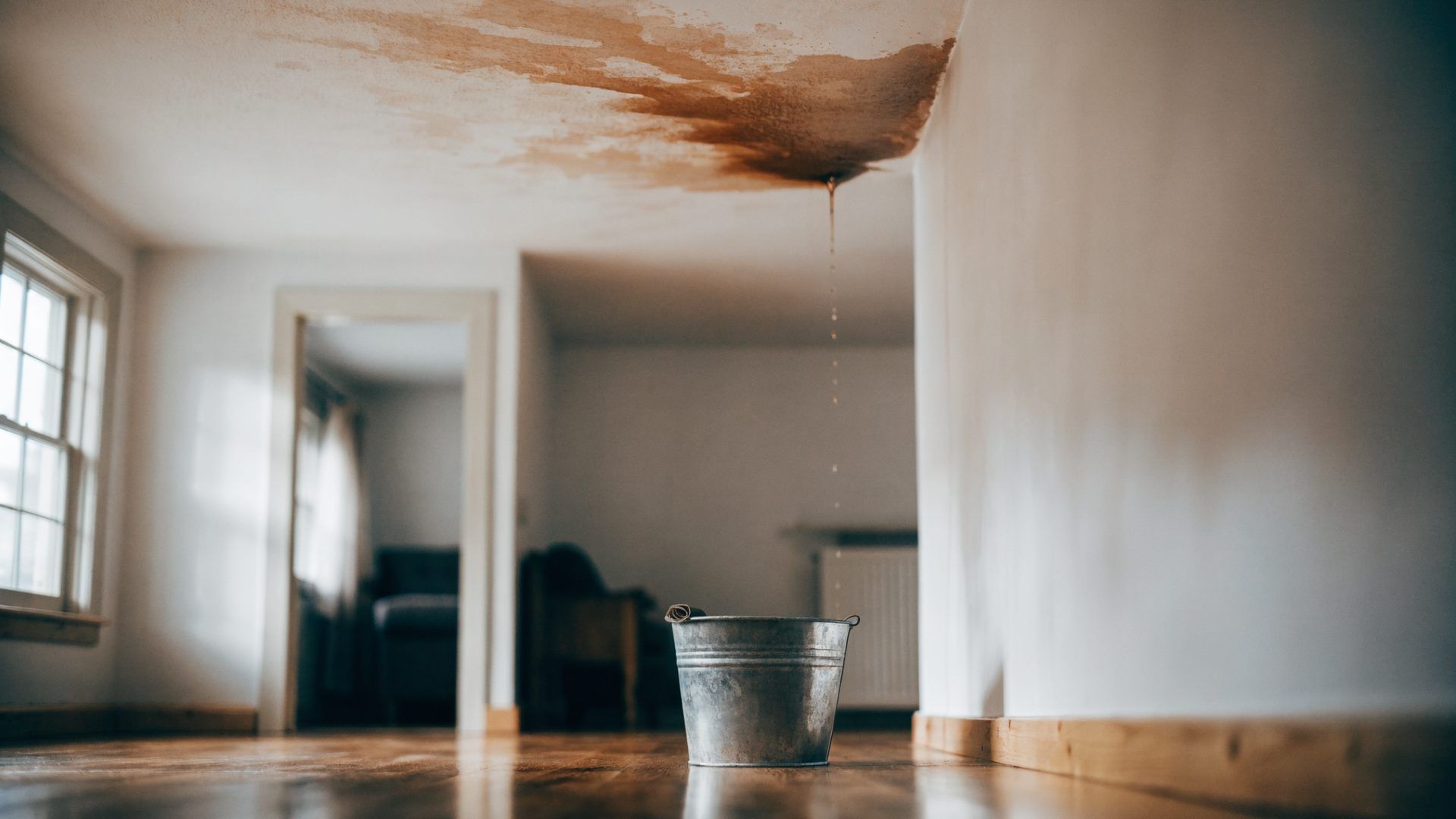
It's 2 AM on a Saturday. You just woke up to the sound of water dripping, no, not dripping, pouring through your kitchen ceiling. Or maybe it's Sunday afternoon, and your front door lock just snapped off, leaving your house unsecured. Perhaps it's a holiday weekend, and a pipe burst in your basement.
These things never happen at convenient times, do they? Home emergencies strike when you least expect them, and when they do, you need help immediately. Not Monday morning. Not when the office opens. Right now.
That's why I offer 24-hour emergency home repair services throughout Somerset County. I'm Jeff, owner of Jeff's Home Improvement, and I've been responding to emergency calls in Basking Ridge, Hillsborough, Bernardsville, Bedminster, Warren, Gladstone, and Far Hills for years. When you call 908-963-3533 in the middle of the night with a crisis, I show up ready to fix it.
But here's what most people wonder: What exactly does an emergency repair person bring? What tools and equipment do I keep ready to handle whatever disaster I find when I pull up to your house?
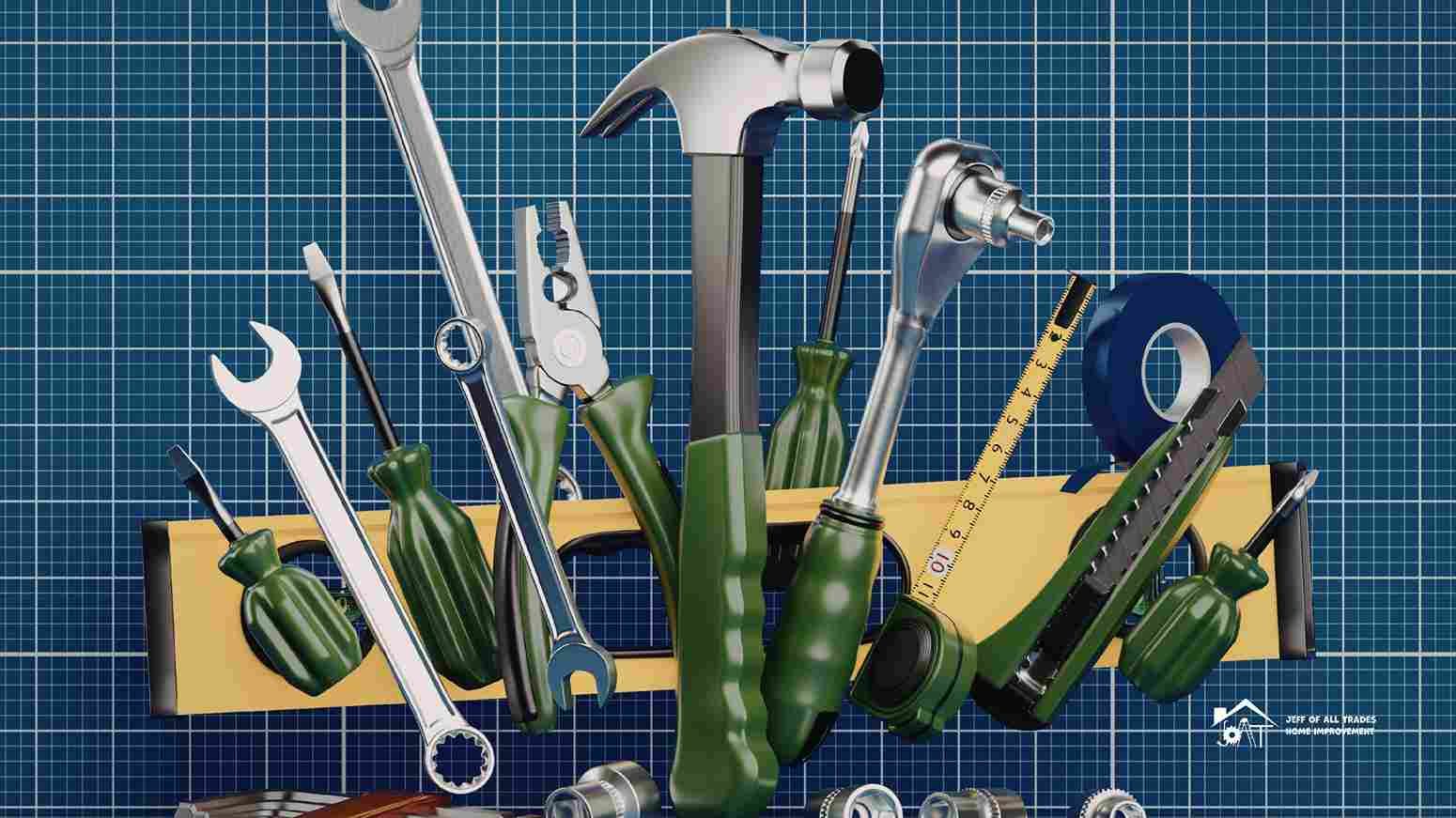
Today I'm pulling back the curtain to show you exactly what's in my truck, what tools I rely on for different emergencies, and why having the right equipment matters when seconds count. Whether you're dealing with an emergency right now or just want to know what to expect when you call for urgent help, this guide covers everything.
Why 24-Hour Emergency Response Matters
Before we get into the tools, let's talk about why emergency services are so critical.
Home emergencies don't wait for business hours. A burst pipe at 3 AM causes just as much damage, actually, way more damage, than one that breaks at 3 PM. Every minute, water pours into your house, soaking into floors, walls, insulation, and everything you own. An hour of uncontrolled water flow can cause $10,000 or more in damage.
Same with security issues. If your door gets kicked in or a window breaks, you can't just wait until Monday to secure your house. You need it fixed now, or you're leaving your family and belongings vulnerable.
Power problems in winter can lead to frozen pipes. A malfunctioning furnace in 20-degree weather isn't something you can ignore. Gas leaks, electrical sparks, and structural damage from fallen trees are all situations that demand an immediate professional response.
That's where emergency home repair services come in. When you search for "24-hour emergency home repair near me" at 2 AM, you're looking for someone who will actually answer the phone, arrive quickly, and have the skills and tools to fix the problem on the spot.
I keep my phone on 24/7 for emergency calls. When you reach out, you get me directly, not an answering service, not a voicemail. We talk about what's happening, and I head your way with everything I might need to handle the situation. Response time for genuine emergencies is typically 45-90 minutes, depending on where you are in Somerset County.
The Emergency Response Vehicle: More Than Just a Truck
My work truck is essentially a mobile workshop. It's a full-size van with custom shelving and organization systems, so I can find exactly what I need, even in the dark, in someone's flooded basement.
Everything has a place. When you're dealing with an emergency, fumbling around looking for the right tool wastes precious time. My setup lets me grab what I need in seconds.
The truck stays fully stocked at all times. After every job, I restock supplies and fuel up so I'm ready for the next call. I also keep the truck maintained religiously, oil changes, tire checks, the works. The last thing anyone needs is for the emergency repair guy to break down on the way to help them.
I carry about $15,000 worth of tools and materials in the truck at any given time. That might sound like a lot, but it means I can handle about 90% of emergencies without having to run to a supply store. When your basement is flooding, you don't want to hear "I need to go pick up some parts, I'll be back in an hour."
Let me walk you through the major categories of tools and why each one matters for emergency repairs.
Plumbing Emergency Tools
Water emergencies are probably the most common urgent calls I get. Burst pipes, backed-up sewers, water heater failures, toilet overflows, water does tremendous damage fast, so these tools are critical.
Pipe Wrenches and Basin Wrenches
I carry multiple sizes of heavy-duty pipe wrenches. These are used to shut off water supply lines, remove damaged sections of pipe, and tighten connections. Basin wrenches have long handles and special jaws that fit in tight spaces under sinks where regular wrenches won't reach.
When someone calls with water spraying everywhere, the first job is to stop the flow. That usually means shutting a valve or disconnecting a supply line. These wrenches make it happen quickly.
Tubing Cutters and PEX Tools
For copper pipes, I have professional tubing cutters that make clean cuts without crushing the pipe. For PEX (plastic) supply lines, I carry crimpers and cutters specifically designed for that material.
Once the emergency is stopped, I often need to cut out the damaged section and install a new pipe. Having the right cutting tools means I can do permanent repairs on the spot instead of just temporary patches.
Pipe Repair Clamps and Epoxy
Sometimes you can't shut the water off completely, or the damage is in a spot that would require tearing into the walls to replace the pipe. For these situations, I carry various sizes of pipe repair clamps, metal clamps with rubber gaskets that you tighten around a leaking pipe.
I also have professional pipe repair epoxy putty. This stuff hardens like steel and can temporarily seal leaks when clamps won't work. It's not a permanent solution, but it stops the leak so we can do proper repairs later.
Wet/Dry Shop Vacuum
A big 16-gallon wet vac rides in the truck permanently. When I arrive at a water emergency, we need to start removing water immediately. The shop vac pulls water out of carpets, off floors, and out of any pooled areas.
I can't tell you how many times this vacuum has prevented additional damage by getting water up before it soaks through to the subfloor or down to the floor below.
Sump Pump
For basement flooding or situations where there's too much water for a shop vac to handle, I carry a portable sump pump with a 50-foot discharge hose. This pump can move hundreds of gallons per hour out of a basement and discharge it away from the house.
During heavy rain events or when multiple neighbors are experiencing flooding, this pump has saved countless basements from severe water damage.
Drain Snake and Auger
Clogged drains and backed-up toilets are common emergencies, especially when they overflow. I carry both a hand-cranked snake for smaller drains and a powered auger for mainline stoppages.
The powered auger has a 50-foot cable and can punch through most clogs in sewer lines. It's saved many people from having to call an expensive emergency plumber for drain issues I can clear on the spot.
Inspection Camera
This is a newer addition, but it's been incredibly useful. It's a waterproof camera on a flexible cable that I can snake into drains and pipes. The camera shows me exactly what's causing a blockage or where a leak is coming from, even if it's deep in the plumbing system.
Having visual confirmation of the problem helps me fix it right the first time instead of guessing.
Electrical Emergency Equipment
Electrical problems are dangerous. Sparking outlets, burning smells, breakers that won't reset, and power outages are situations that need immediate attention because they can cause fires.
Voltage Tester and Multimeter
Safety first. Before I touch anything electrical, I test it to make sure the power is actually off. I carry both a non-contact voltage tester (just hold it near a wire and it beeps if there's voltage) and a full multimeter for detailed diagnostics.
These tools have literally saved my life by warning me about live wires that should have been off but weren't.
Wire Strippers and Electrical Pliers
Professional-grade wire strippers, needle-nose pliers, and lineman's pliers are essential for any electrical work. These let me safely connect wires, install new outlets, replace switches, and make proper electrical connections.
I carry multiple sizes to handle everything from small 18-gauge thermostat wire to heavy 10-gauge circuits for appliances.
Spare Breakers and GFCI Outlets
I keep common circuit breaker sizes in stock: 15, 20, 30, and 40 amp in both standard and GFCI types. When a breaker fails (and they do, especially older ones), I can swap it out immediately instead of leaving someone without power overnight.
Same with GFCI outlets. These are required in bathrooms, kitchens, and outdoor locations. When they fail or keep tripping, I can replace them on the spot.
Heavy-Duty Work Lights
Many electrical emergencies happen when the power is out. I carry multiple LED work lights, some on stands, some magnetic ones that stick to metal surfaces, and some headlamps for hands-free lighting.
Trying to work on an electrical panel or trace wiring problems in the dark is both dangerous and ineffective. Good lighting is essential.
Extension Cords and Power Strips
If someone loses power to part of their house, I can run temporary power from a working circuit to keep their refrigerator running or provide light and heat while I work on the permanent fix.
I carry 12-gauge extension cords rated for 20 amps that can safely handle higher loads than the cheap hardware-store cords most people have.
Structural and Carpentry Tools
Trees fall on houses. Strong winds rip off siding. Doors get kicked in. These structural emergencies need immediate securing to prevent further damage or security problems.
Cordless Drill and Impact Driver
I carry two heavy-duty cordless drills, one with a regular chuck for drilling holes and driving screws, and one impact driver for driving lag bolts and heavy fasteners. Both have backup batteries, so I never run out of power mid-job.
These tools are used constantly to hang temporary tarps, secure plywood over broken windows, reattach loose siding, fix doors, and perform dozens of other tasks.
Circular Saw and Reciprocating Saw
For cutting lumber, plywood, or damaged materials, I have both a circular saw (for straight cuts) and a reciprocating saw (for rough demolition and tight-space cutting). Both are cordless and battery-powered so that I can work anywhere.
The reciprocating saw is particularly useful for cutting out damaged wood, removing stuck nails, or trimming branches that have fallen through a roof.
Pry Bar and Hammer
Sometimes you need to remove damaged materials before you can repair them. A good pry bar and hammer are essential for pulling off broken trim, removing nails, or prying open stuck doors.
I carry multiple sizes, a small cat's paw for delicate work and a big wrecking bar for heavy demo.
Tarps and Plastic Sheeting
When someone has a roof leak or a broken window in the rain, the immediate priority is stopping water from getting in. I always carry multiple sizes of heavy-duty tarps and rolls of 6-mil plastic sheeting.
Combined with furring strips, nails, and staples, I can quickly cover openings and stop water infiltration until proper repairs can be done. This has prevented tens of thousands of dollars in secondary water damage over the years.
Lumber and Plywood
I keep sheets of 1/2" plywood and various sizes of 2x4 lumber in the truck. When a window gets broken or a door is damaged beyond quick repair, I can temporarily board it up to secure the house.
This is especially important for calls in the middle of the night. Someone whose door was kicked in during a break-in attempt can't wait until morning to secure their house. I board it up properly so they can sleep safely, then we arrange for permanent door replacement during business hours.
Roofing Repair Materials
I stock roof cement, caulk tubes, shingles, and galvanized nails for temporary roof repairs. When someone has shingles blow off in a storm or develops a roof leak, I can patch it well enough to stop water infiltration.
Most roof problems need daylight and dry conditions for proper permanent repair. But in an emergency, stopping the leak right now matters most. I can do a solid temporary patch that holds for weeks or months until the permanent fix is in place.
Damage Repair and Restoration Tools
Beyond stopping the immediate emergency, I often need to start the cleanup and damage mitigation process right away.
Moisture Meter
This tool measures the moisture content of building materials. After a water emergency, I use it to check walls, floors, and ceilings to see how far the water spread and what materials got saturated.
This helps determine what can be dried and what needs to be replaced. It also helps monitor drying progress if I set up fans and dehumidifiers.
Air Movers and Dehumidifiers
I carry two professional air movers (high-velocity fans) and a dehumidifier. After water emergencies, rapid drying is crucial to prevent mold growth and minimize damage.
I'll often set these up and leave them running for 2-3 days to dry out affected areas. This service alone has saved people thousands in additional restoration costs by preventing mold and further water damage.
Cleaning Supplies and Disinfectants
Water from burst pipes might be clean, but water from sewage backups or floods definitely isn't. I carry professional cleaning products, disinfectants, and protective gear for dealing with contaminated water situations.
Nobody wants to deal with that stuff, but it has to be cleaned up properly to be safe. Having the right supplies means I can sanitize the area effectively.
Security and Access Tools
When doors won't open, locks fail, or security is compromised, people need help accessing their property or making it secure again.
Lock Pick Set and Bypass Tools
I'm occasionally called when someone is locked out of their house, keys are lost, the lock is jammed, etc. I can often get doors open without damaging the lock using professional lock picks and bypass tools.
This is cheaper and faster than calling a locksmith for a simple lockout situation. Of course, I verify ownership before opening any locks.
Door Hardware and Repair Parts
I stock a variety of door hinges, strike plates, deadbolts, and door reinforcement hardware. When a door is damaged in a break-in attempt or the hardware fails, I can replace parts or reinforce the door frame on the spot.
This is particularly important for security emergencies. Someone who just had an attempted break-in needs their door and locks fortified immediately.
Plywood and 2x4s (mentioned earlier, but worth repeating)
For extreme security situations in which a door or window is damaged beyond quick repair, boarding up with plywood and securing it with 2x4s and lag bolts creates a temporary yet highly secure barrier until proper repairs are made.
Lighting and Safety Equipment
Working in emergencies often means working in the dark, in bad weather, or in dangerous conditions. Safety equipment is non-negotiable.
Portable LED Work Lights
I mentioned these earlier, but they're worth highlighting again. I carry at least four different lighting solutions, tripod-mounted work lights, magnetic lights, headlamps, and flashlights.
Many emergencies involve power outages or working in areas without lighting. Good lighting isn't just convenient, it's essential for safety and doing quality work.
Reflective Vest and Traffic Cones
When working outdoors at night, especially near a street, visibility is crucial. I wear a reflective vest and set out cones so drivers see me and don't create a secondary emergency by hitting me or my truck.
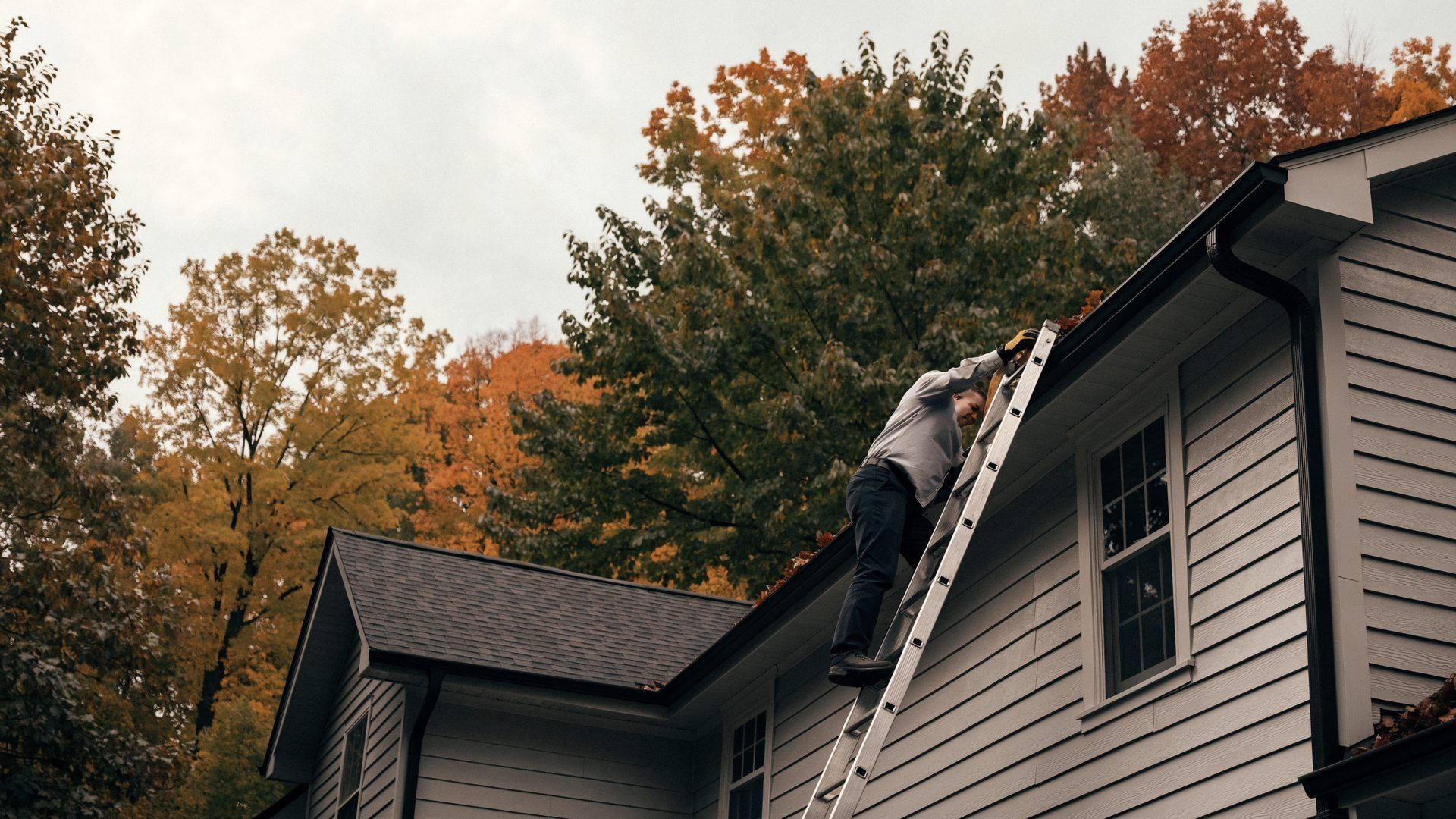
Ladder and Step Stool
An 8-foot fiberglass ladder lives in the truck. Most residential work doesn't need anything taller, and the fiberglass is safer than aluminum when working around electricity.
I also carry a sturdy 3-step stool for lower heights. The right ladder for the height makes work safer and faster.
First Aid Kit and Fire Extinguisher
Hopefully never needed, but always there. A professional first-aid kit handles minor injuries, and the fire extinguisher protects against fire if something goes wrong.
In 15+ years of emergency work, I've never had to use the fire extinguisher on a job, but I check it regularly, and it's always charged and ready.
Personal Protective Equipment
Safety glasses, work gloves, respirator masks, knee pads, and ear protection are always in the truck. Different jobs need different protection.
Working with sewage? Full respirator and gloves. Cleaning up water? Knee pads and waterproof gloves. Cutting materials? Safety glasses and earplugs. Using the right protection prevents injuries and keeps me healthy enough to help the next person who calls.
Specialized Equipment for Different Emergency Types
Beyond the general tools, I carry specialized equipment for specific situations.
Gas Leak Detection
A combustible gas detector alerts me to gas leaks. If someone calls about a gas smell, I bring this device to locate the source safely.
Gas emergencies are rare but extremely dangerous. Having proper detection equipment is critical.
Stud Finder and Inspection Mirror
For emergency repairs that involve opening walls or working behind surfaces, these tools help me locate framing and see into spaces without tearing everything apart.
The stud finder locates wood and metal in walls. The inspection mirror (a small mirror on a telescoping handle) lets me see behind appliances, into wall cavities, and other tight spots.
Thermal Imaging Camera
This is an expensive piece of equipment, but incredibly useful. It shows temperature differences, which helps locate water leaks hidden in walls, find air leaks, locate heat sources, and identify electrical hot spots.
When someone calls about a mysterious leak or recurring moisture problem, the thermal camera often reveals issues that would otherwise require opening multiple walls to find.
Communication and Documentation Tools
Emergency response isn't just about fixing things; it's also about communication and documentation for insurance and follow-up work.
Digital Camera
I photograph every emergency before, during, and after repairs. These photos serve multiple purposes:
- Insurance documentation for claims
- Before/after records for warranty purposes
- Visual record of what was done for follow-up work
- Evidence of proper repairs if questions arise later
Notebook and Measuring Tape
I document measurements, material quantities, damage extent, and repair details in a notebook. This information is crucial for accurate estimates on permanent repairs and for insurance documentation.
The measuring tape is used constantly to measure rooms, materials, openings, and pretty much everything.
Phone with Job Management Apps
My smartphone runs apps for invoicing, payment processing, scheduling follow-ups, and maintaining customer records. Even at 3 AM, I can create an invoice and process payment if someone wants to settle up immediately.
I can also pull up building codes, product specifications, and installation instructions on my phone if I need to verify the correct way to handle something unusual.
Materials and Supplies Inventory
Tools are useless without materials to work with. Here's what I keep stocked:
Fasteners: Multiple sizes of screws, nails, bolts, anchors, and specialty fasteners. When you need a specific screw at 2 AM, you can't run to the hardware store.
Adhesives and Sealants: Construction adhesive, wood glue, epoxy, various types of caulk, duct tape, waterproofing tape, and more. Every emergency seems to need some type of adhesive or sealant.
Pipe and Fittings: Common sizes of PEX and copper pipe, fittings, connectors, valves, and adapters. For water emergencies, having materials on hand is the difference between fixing it now and leaving someone without water until morning.
Electrical Supplies: Wire in various gauges, wire nuts, electrical tape, outlet boxes, cable clamps, and more. Basic electrical repairs need these materials.
Wood and Building Materials: Beyond plywood and 2x4s, I carry shims, trim pieces, door stops, threshold materials, and various building odds and ends used regularly.
Cleaning and Restoration Supplies: Shop rags, paper towels, contractor bags, antimicrobial cleaner, bleach, and more for cleanup after emergencies.
Why Having the Right Tools Matters
You might wonder why I'm telling you all this. I'm not bragging about my equipment; I'm showing you what sets a professional emergency response apart from someone with a basic tool kit.
When you call for 24-hour emergency home repair near me, you're often in a crisis. You need someone who can actually fix the problem right now, not just assess it and tell you they'll be back tomorrow with the right parts.
I've been on the other end of this. I've called service providers for emergencies at my own house. You know what's frustrating? When someone shows up, looks at the problem, and says, "Oh, I don't have the parts for that. I'll have to come back." Meanwhile, water is still dripping, or your house is still unsecured.
That's why I invested so heavily in tools and materials. When I show up, I'm ready to handle the situation. If it's something truly unusual that requires specialized parts, I'll tell you that upfront, and we'll make a plan. But for the vast majority of emergencies, plumbing, electrical, structural, and security, I have what I need to fix it immediately.
This is part of why I'm rated #1 for customer service in Somerset County. People appreciate that when they call in an emergency, they get actual emergency service, not just an appointment scheduled for later.
What Happens When You Call for Emergency Service
Here's how the process typically works when you call 908-963-3533 with an emergency:
1. Initial Phone Call: You describe what's happening. I ask questions to understand the severity and what equipment I'll need. Is there water spraying? Where? Can you shut it off? Is anyone in danger? Is there electrical arcing or a burning smell?
2. Immediate Advice: Sometimes I can walk you through immediate steps over the phone to minimize damage. "Go shut off the main water valve; it's usually near the water heater or where the line comes into your basement. That'll stop the water while I drive to you."
3. En Route: I head your way with my fully-equipped truck. Response time is typically 45-90 minutes, depending on where you are in my service area and the time of day. During major storms, when everyone has problems, it might take longer.
4. Assessment: I arrive and quickly assess the situation. What's the immediate danger? What needs to happen right now to prevent further damage? What's the proper repair?
5. Emergency Mitigation: Priority is stopping the immediate problem. Shut off water, kill power to dangerous circuits, secure openings, stop leaks, whatever needs to happen to prevent further damage.
6. Immediate Repair: If possible, I do permanent repairs on the spot. Replace the broken pipe, fix the electrical issue, repair the door, whatever can be completed immediately.
7. Temporary Measures: If permanent repair isn't possible right now (needs daylight, requires special-order parts, etc.), I will implement solid temporary measures to keep you safe and comfortable until proper repairs can be done.
8. Cleanup: I help with initial cleanup, removing water, cleaning up debris, and sanitizing contaminated areas.
9. Documentation: I photograph everything and document what was done for your records and insurance purposes if needed.
10. Follow-Up Plan: We discuss what permanent repairs are needed, schedule them, and I provide an estimate for that work.
11. Payment: I provide an invoice for the emergency service. I accept cash, checks, and credit cards and can process payments on the spot by phone.
Throughout this process, I'm communicating clearly about what I'm doing and why. Emergencies are stressful enough without wondering what's happening with your house.
Services Beyond Emergency Response
While this article focuses on emergency response, it's worth mentioning that Jeff's Home Improvement handles much more than just urgent repairs. We do bathroom remodeling, kitchen remodeling, interior and exterior painting, window replacement, floor tiling, door staining, custom walkways, and general handyperson services.
Many of my emergency response customers go on to become regular clients for planned projects. After all, if you trust someone to show up at 2 AM and fix a burst pipe professionally, you'll probably trust them for your kitchen renovation.
We serve homeowners throughout Somerset County, including Basking Ridge, Hillsborough, Bernardsville, Bedminster, Warren, Gladstone, and Far Hills.
How to Minimize the Need for Emergency Repairs
Obviously, the best emergency is the one that doesn't happen. Here's how to reduce your chances of needing emergency home repair services:
Regular Maintenance: Have your home systems checked annually, plumbing, electrical, HVAC, and roof. Catching problems early prevents emergencies.
Know Your Shutoffs: Make sure everyone in your household knows how to shut off the main water valve, the gas valve, and the main electrical breaker. In an emergency, shutting these off quickly minimizes damage.
Upgrade Old Systems: If you have plumbing or electrical systems over 40 years old, consider upgrading before they fail. Old galvanized pipes and knob-and-tube wiring are ticking time bombs.
Weather Preparation: Before major storms, check that gutters are clear, trees are trimmed away from the house, and outdoor items are secured. Many storm emergencies are preventable with preparation.
Don't Ignore Small Problems: That small leak under the sink? That outlet that sparks sometimes? That door that's getting harder to lock? These small issues often turn into big emergencies. Fix them while they're still small.
Keep Emergency Numbers Handy: Save 908-963-3533 in your phone now, before you need it. In an emergency, you don't want to be searching for a contractor's number.
Cost Expectations for Emergency Service
Emergency service costs more than scheduled work; that's true across all industries. When you call a plumber or electrician for after-hours emergency service, you pay premium rates because they're leaving their family at 2 AM to help you.
My emergency service rates are fair but reflect the reality of 24-hour availability:
- Emergency service call: $150-250, depending on time and distance
- Hourly rate: $125-175 per hour for after-hours work (vs. $85-100 for scheduled work)
- Materials: Marked up 20-30% vs. normal 10-15% markup to cover the cost of maintaining inventory
For a typical emergency response that takes 2-3 hours with moderate materials, you're looking at $400-700 total.
That might seem like a lot, but consider the alternative. A burst pipe that runs all night causes $10,000+ in damage. An unsecured door after a break-in attempt leaves your home vulnerable to an actual break-in. A sparking outlet could start a fire.
Emergency services are expensive, but home damage and security risks are far more costly. Most people who call are grateful just to have someone show up and fix the problem, regardless of cost.
I also frequently work with insurance companies. For emergencies covered by homeowners' insurance, I provide detailed documentation to support your claim. The cost of the emergency service is typically covered under your policy.
FAQs: 24-hour emergency home repair near me
Q: What if my emergency requires specialized work like major electrical panel replacement or complex HVAC repair?
I handle most general emergency repairs, plumbing, basic electrical, structural issues, security problems, and damage control. However, some situations require specialized contractors, such as licensed electricians for major panel work, HVAC technicians for complex heating/cooling failures, or structural engineers for serious foundation problems. If your emergency is beyond my scope, I'll tell you immediately and help you find the right specialist. I have relationships with emergency plumbers, electricians, and other contractors I can refer you to. I can often handle the immediate emergency mitigation, even if the permanent fix requires a specialist.
Q: How do you determine what's a real emergency versus what can wait until normal business hours?
Great question, because not everything that feels urgent is actually an emergency requiring a 24-hour response. Here's how I categorize it: True emergencies include active water leaks causing ongoing damage, sewage backups, gas leaks, electrical sparking or burning smells, security breaches like broken doors or windows, no heat in winter when temperatures are below freezing, fallen trees or storm damage exposing the house to weather, and any situation threatening immediate safety or property.
Available When You Need Help Most
Home emergencies are stressful, expensive, and always seem to happen at the worst possible times. Having a reliable contractor who actually provides 24-hour emergency service, not just claims to, makes all the difference.
My truck stays loaded, my phone stays on, and I stay ready to help. Whether it's a burst pipe flooding your basement at 3 AM, a broken door after an attempted break-in, storm damage to your roof, or any other urgent situation, I'll be there with the tools and experience to fix it.
For homeowners in Somerset County, Basking Ridge, Hillsborough, Bernardsville, Bedminster, Warren, Gladstone, and Far Hills, Jeff's Home Improvement is your local partner for emergency repairs and all other home improvement needs.
Save this number now: 908-963-3533. When an emergency strikes, you'll be glad you have it.