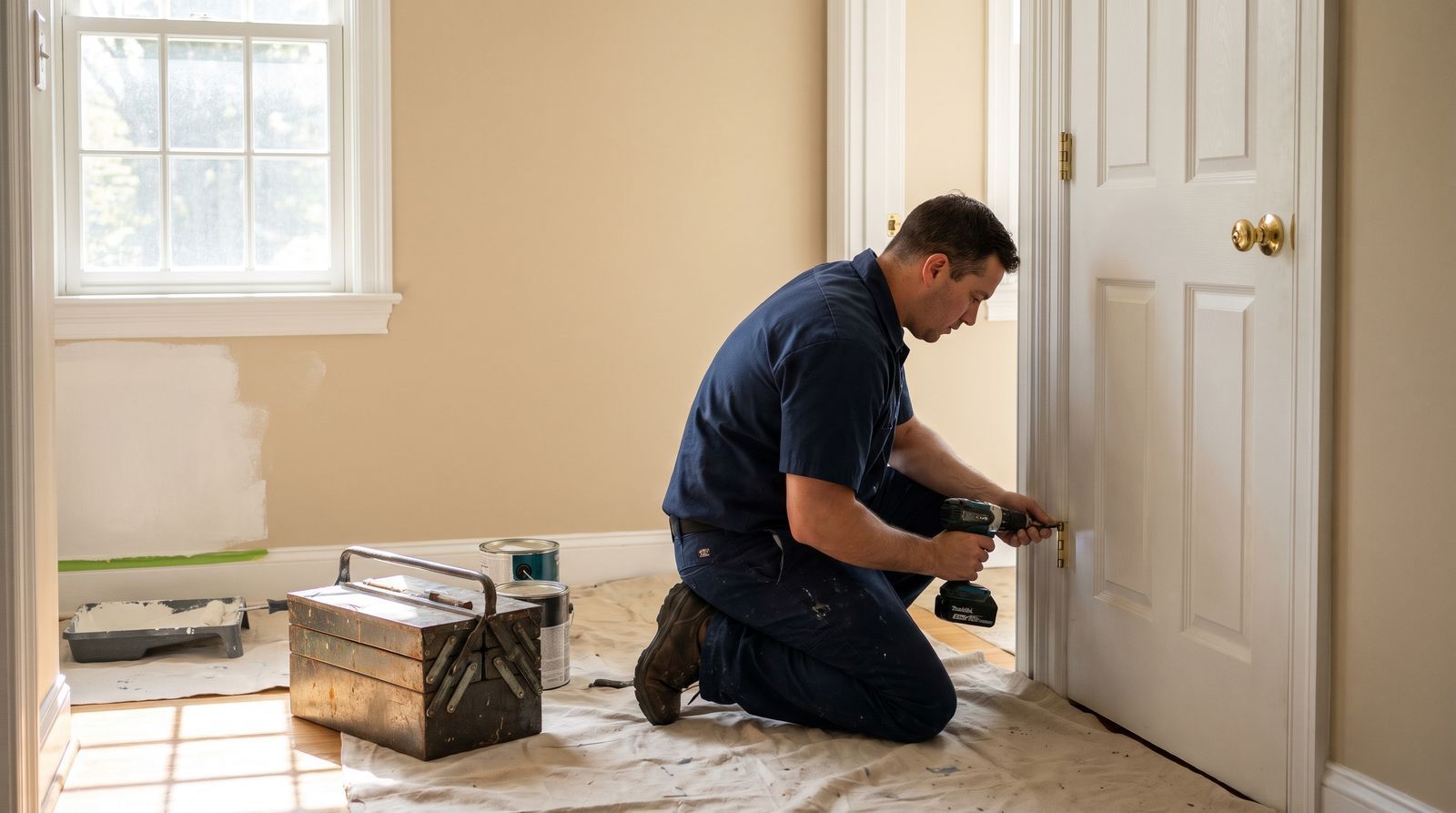


How to Prepare Your Home for Holiday Guests: Repairs to Finish First
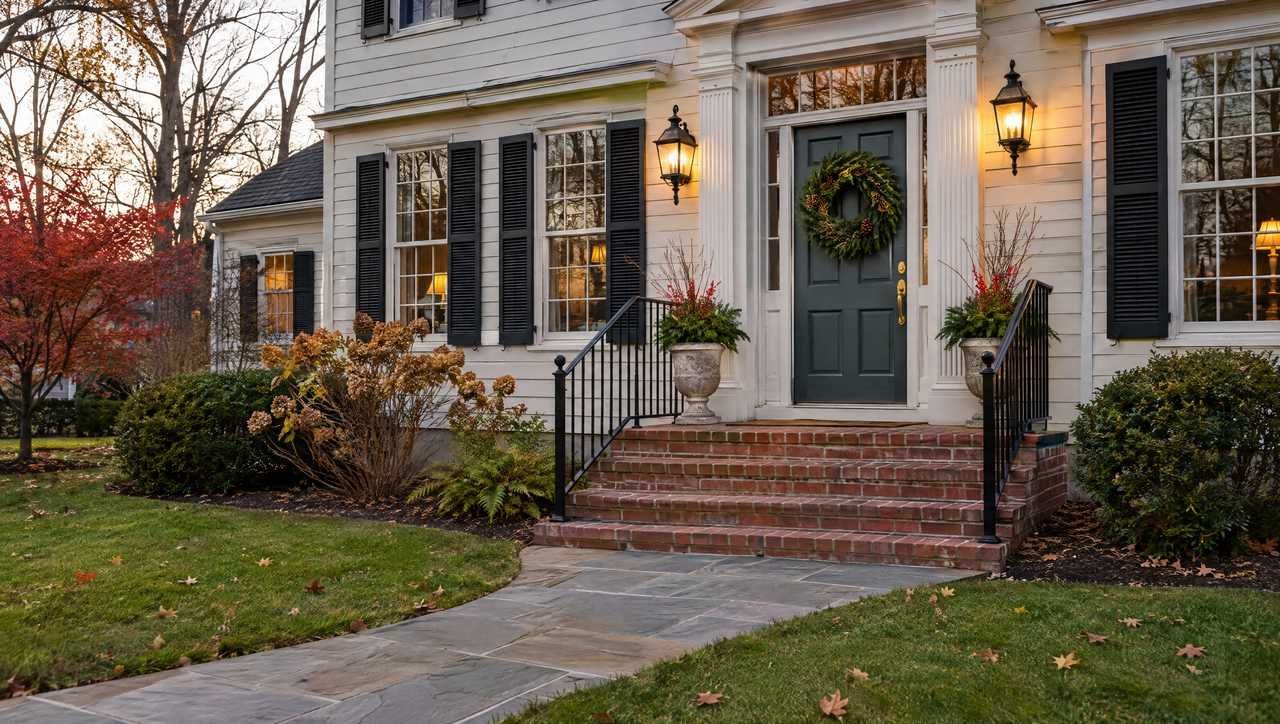
A house full of family has a way of finding every small problem you have learned to live with. The toilet that runs for a minute after each flush, the cabinet door that hangs a little crooked, the porch step that wobbles. You know to step around them. Your guests do not.
If you want to prepare your home for holiday guests without a last-minute scramble, the trick is to start with repairs, not decorations. Most of the fixes that matter are small, and many take less than an hour. The ones that need a professional just need to be booked early, because late fall is a busy season for every trade.
This guide walks through the rooms your guests will actually use, the safety checks that are easy to forget, and a timeline for what to schedule a few weeks out versus what to handle the weekend before. Start by walking through your home the way a guest would, from the driveway to the guest room, and write down every issue you have tuned out.
In many Somerset County homes, especially the older colonials and split-levels built in the 1960s to 1980s around Hillsborough and Basking Ridge, that list looks similar: worn caulk, tired hardware, settled steps and doors that stick once the heat comes on. None of it is serious, but all of it shows.
The Guest Bathroom: Fix What Runs, Drips and Peels
The guest bathroom gets more use over a holiday weekend than it might see in a month, and nobody wants to be the guest who reports a toilet that will not stop running.
Running Toilet
A toilet that runs on its own or keeps refilling between flushes usually has a worn flapper or a fill valve that is out of adjustment. To confirm a leak, add a few drops of food coloring to the tank and wait 15 to 20 minutes without flushing. If the color shows up in the bowl, water is leaking past the flapper.
Replacing a flapper is one of the simpler homeowner jobs: shut off the supply valve behind the toilet, flush to drain the tank and swap the part. If the fill valve will not shut off, the handle chain keeps tangling or you see water around the base, that is a job for a pro before guests arrive.
Dripping Faucet
A slow drip is easy to ignore until someone tries to sleep next to it. Most drips come from a worn cartridge, washer or O-ring. Our guide to quick faucet fixes that stop leaks covers what to check first. If the faucet is old, corroded or leaking from the base, replacing it may make more sense than repairing it.
Caulk and Grout
Cracked or discolored caulk around the tub and sink is one of the first things guests notice, and it lets water get behind tile. Cut out the old bead, clean and dry the joint, then apply fresh kitchen and bath silicone. Give it the full cure time on the tube before anyone showers.
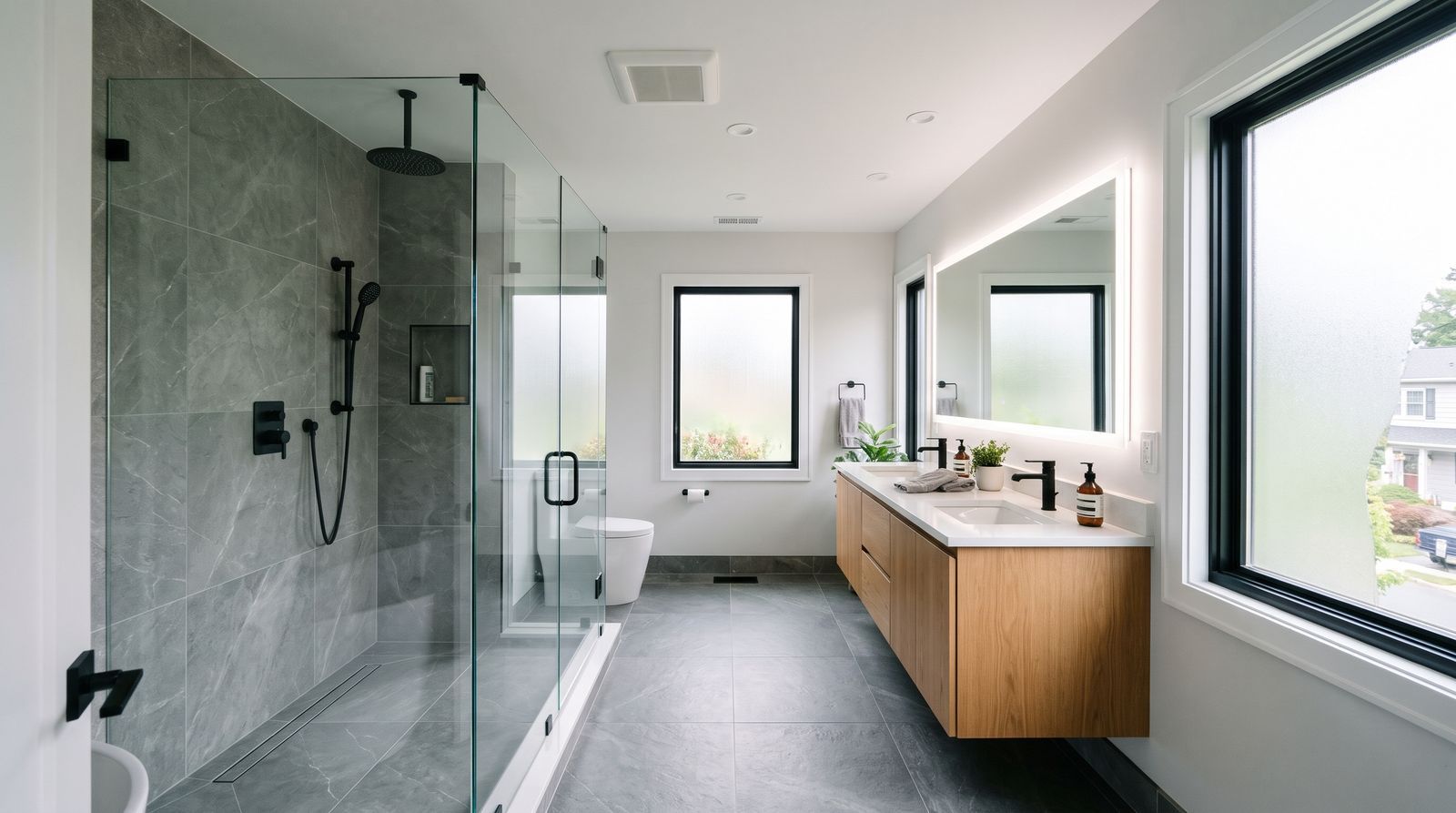
Stained grout may only need a grout cleaner and a soft brush. If grout is crumbling or tiles sound hollow when you tap them, there may be moisture behind them, and that is worth having looked at. When the problems go beyond touch-ups, it may be time to talk about bathroom remodeling after the holidays.
A few more quick checks for the guest bath:
- Exhaust fan: Hold a square of toilet paper near the grille to confirm it pulls air.
- Towel bars: Tighten loose ones, and use a proper wall anchor if one has pulled out of the drywall.
- Door lock: Confirm the privacy lock works and can be opened from the outside in an emergency.
The Kitchen: Doors, Drains and Lighting
Holiday cooking often puts several people in your kitchen at once, and small annoyances get bigger when someone is carrying a hot roasting pan.
Cabinet Doors and Hinges
Cabinet doors that sag, rub or will not stay closed usually just need a hinge adjustment. Most concealed hinges have adjustment screws that move the door up, down, in or out, and a quarter turn at a time is plenty. If a screw spins without tightening, the wood has stripped; a slightly longer screw usually solves it. Warped doors or cracked hinges need replacement parts.
Slow Drains
A kitchen sink that drains slowly will back up when you are rinsing dishes for 12 people. Clean the sink strainer and run hot water. If you have a disposal, run it with plenty of cold water and keep grease, potato peels and poultry skin out of it.
Skip harsh chemical drain cleaners, which can damage older pipes. If a drain stays slow after basic cleaning or more than one fixture backs up at once, the clog is further down the line and needs a professional.
Lighting
Replace burned-out bulbs and match the color temperature across fixtures so the room does not look patchy. If a fixture flickers, buzzes or a switch feels warm, do not try to fix it yourself. Wiring work should go to a licensed electrician.
The Entry: Make Arrivals Safe and Easy
The front entry is the first thing guests see and the place they are most likely to get hurt. Shorter days mean many will arrive after dark, sometimes on a wet or icy surface.
Front Door
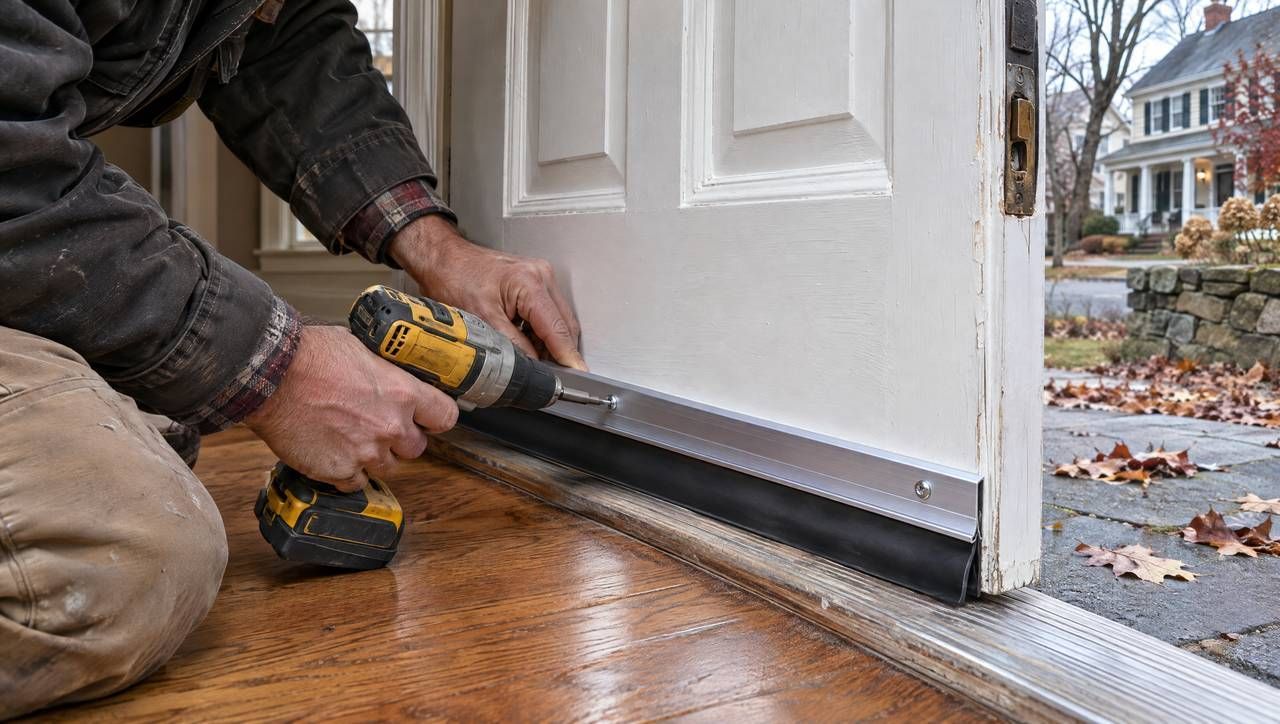
Check that the door latches without a shove and locks easily. If it sticks, swapping one short screw in the top hinge for a longer one that reaches the framing often pulls it back into line. Replace worn weatherstripping so the entry is not drafty with the door opening all day.
Loose Railings and Steps
A railing that moves when you lean on it is a real hazard for older relatives. Tighten mounting brackets and check that the posts are solid. If the wood around the fasteners is soft or rotted, tightening will not hold, and the post or rail section needs to be repaired properly.
Inspect each step for loose treads, cracked boards and popped nails. Concrete or stone steps that have shifted or cracked through freeze-thaw cycles should be checked before guests start using them.
Walkway Trip Hazards
Walk the path from the driveway to the door and look for heaved pavers, sunken spots and cracks with raised edges. New Jersey's freeze-thaw cycles move walkways a little more every winter. You can reset a single loose paver, but larger sections that have lifted may need to be rebuilt. If your path is past saving, we can talk about custom walkways once the ground allows. Keep ice melt and a shovel by the door in case the weather turns.
Exterior Lighting
Check every porch light, garage light, path light and motion sensor. Clean out the fixtures, replace bulbs and confirm timers still switch on at dusk. New circuits or hard-wired fixtures belong with a licensed electrician.
The Guest Room: Touch-Ups That Make It Feel Ready
Drywall Dings and Nail Holes
Small dents and nail holes fill easily with lightweight spackle and a quick sanding. For larger dents or a doorknob hole, our sheetrock patch guide walks through the steps. Patch a few days before painting so it can dry fully.
Touch-Up Paint
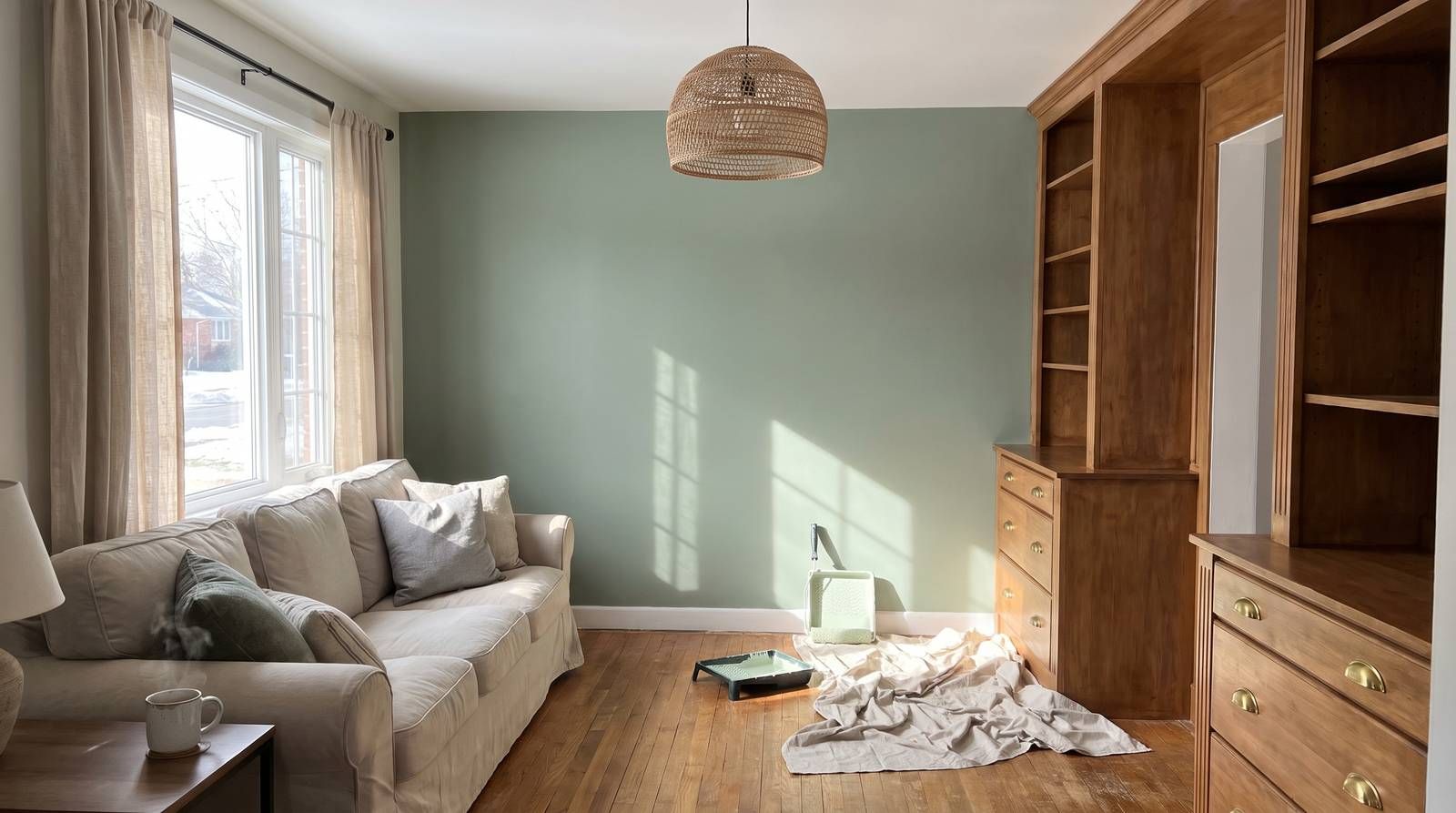
Touch-ups work best when you have the original paint and the walls are not faded. If spots look shiny or mismatched, painting the full wall from corner to corner usually looks better. For a room that needs more than a few touch-ups, interior painting is worth booking early.
Sticking Doors and Closets
Doors often stick in late fall when the heat comes on and the house dries out. Tighten the hinge screws first. If the door still rubs, light sanding where it catches may fix it; seal or paint any bare edge afterward. Check that bifold and sliding closet doors are still on their tracks.
Smoke and CO Alarms: The Check Nobody Should Skip
Extra cooking, candles and a lit fireplace add risk over the holidays.
- Test every alarm: Press the test button on each smoke and carbon monoxide alarm in the house.
- Replace batteries: Swap in fresh batteries now, even if the old ones still test, so you are not woken by a chirp at 3 a.m. with a full house.
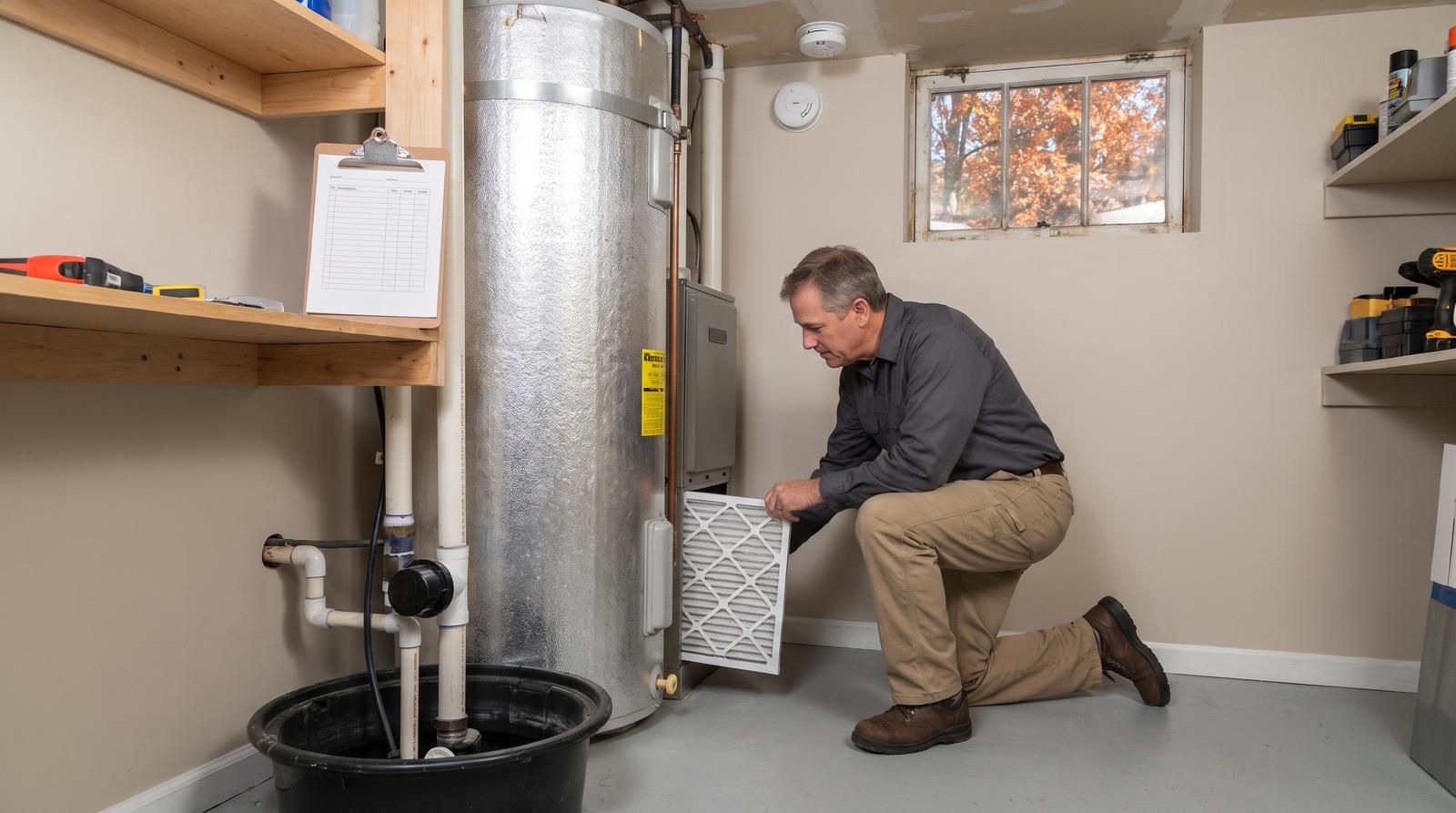
- Check the dates: Smoke alarms should be replaced 10 years from the manufacture date printed on the back. CO alarms have a shorter life, so check the manufacturer's date.
- Cover sleeping areas: Make sure there is a working alarm near the guest room and on every level.
Our post on smoke detector placement in NJ homes explains where alarms should go. For CO, see our guide to carbon monoxide alarms for NJ families, especially if you have a gas range, furnace or attached garage. Hard-wired alarms that need new wiring should go to a licensed electrician.
A Timeline to Prepare Your Home for Holiday Guests
The most common mistake is waiting until the week of the visit. Here is a practical way to spread out the work.
Three to Four Weeks Before
This is the window for anything that needs a professional. Handymen and contractors book up quickly in November and December, and some repairs need time for materials or curing.
- Book a handyman visit: Bundle loose railings, sticking doors and drywall patches into one appointment.
- Schedule plumbing work: Fill valve problems, leaking faucets and drains that basic cleaning did not fix.
- Plan painting: A full room repaint needs lead time and dry time.
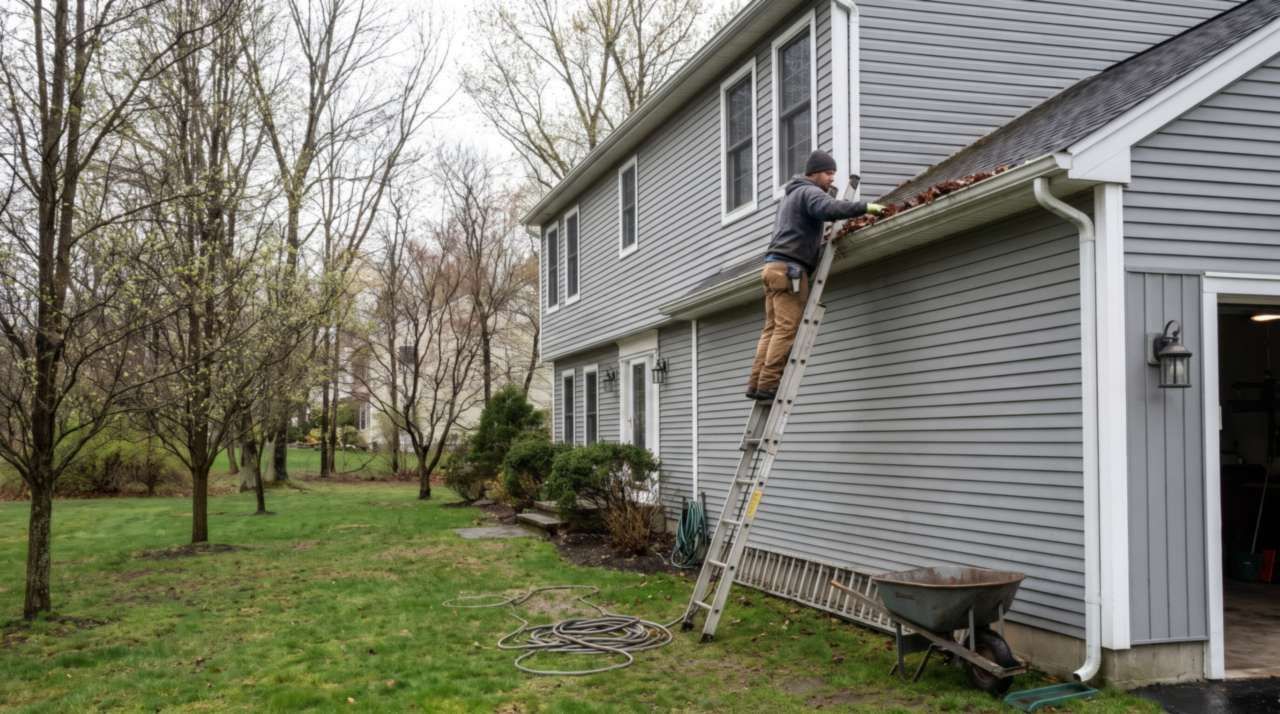
- Fix walkways and steps: Exterior work gets harder as the ground freezes.
One to Two Weeks Before
- Recaulk the tub and sink: This gives the silicone plenty of time to cure.
- Patch drywall: Fill dings and holes so they are dry and ready for paint.
- Test alarms: Replace batteries and order any replacement units.
- Check exterior lights: Replace bulbs and reset timers.
The Weekend Before
- Tighten everything: Cabinet hinges, knobs, towel bars and toilet seats.
- Do paint touch-ups: Small spots dry quickly.
- Clear drains: Clean strainers and run hot water through the sinks.
- Walk the entry at night: Make sure the path is well lit and nothing is loose.
- Stock supplies: Plunger in the guest bath, spare bulbs, batteries and ice melt by the door.
When to Call a Professional
Some of these jobs are better handed off because getting them wrong costs more than the visit. Our handyman services are built for exactly this kind of mixed punch list.
Call a pro when you see:
- Water where it should not be: Around the toilet base, under the sink or staining the ceiling below a bathroom.
- Structural movement: Railings or steps that move even after tightening, or soft and rotted wood.
- Drains that stay slow: Especially when more than one fixture is affected.
- Electrical warning signs: Flickering lights, warm switches or buzzing outlets, which need a licensed electrician.
- A long list with a short deadline: One handyman visit can clear a dozen small jobs in a day.
Many homeowners in Bernardsville and Warren hand us their home repairs before the holidays as one list, so they can focus on cooking and family.
Frequently Asked Questions
How far ahead should I book a handyman before the holidays?
Three to four weeks ahead is a safe target. November and December are busy months, and some jobs, such as railing repairs, tile work or painting, need time for materials and drying. Booking early also gives you room to fix anything else that turns up during the visit.
What repairs matter most when guests are coming?
Focus on safety first: railings, steps, walkways, exterior lighting and smoke and CO alarms. After that, fix the guest bathroom, since it gets the heaviest use, and then the kitchen. Cosmetic touch-ups in the guest room can wait until last.
Can I fix a running toilet myself?
Often, yes. A worn flapper is the most common cause, and replacing it is a simple job once you shut off the water and drain the tank. If the fill valve will not shut off or you see water around the base, call a professional.
How often should I replace smoke alarm batteries?
Test alarms monthly and replace batteries at least once a year unless your alarm has a sealed 10-year battery. Fall, before the heating and holiday season, is a good time to do it. Replace the entire smoke alarm 10 years after its manufacture date.
Get Your Home Ready Before the First Knock at the Door
Hosting is easier when the house works the way it should. A few hours of repairs now saves you from a running toilet or a dark front walk when your guests arrive.
If your list is longer than your free weekends, contact Jeff of All Trades to schedule a visit, and spend the holidays with your family instead of your toolbox.