
The Ultimate Year-Round Home Maintenance Checklist for 2026
Your home is one of the biggest investments you will ever make. It is where you recharge, host friends and family, and live your everyday life.
If you do not take care of it, though, small problems can turn into expensive repairs. Neglecting basic upkeep is one of the fastest ways to drain your budget.
We want you to love your home every time you walk through the front door. That means keeping it safe, functional and looking its best.
You do not need to be a professional contractor to keep your house in top shape. You just need a solid plan and a little consistency. If you like to work month by month, our New Jersey seasonal maintenance calendar breaks these jobs down by month.
Your Year-Round Home Maintenance Checklist
Here are 10 essential home maintenance tasks for every season to protect your equity and keep your home in good condition. They matter even more in older homes, as we explain in our guide to preventive maintenance for aging Somerset homes.
1. Give Your HVAC System Regular Attention
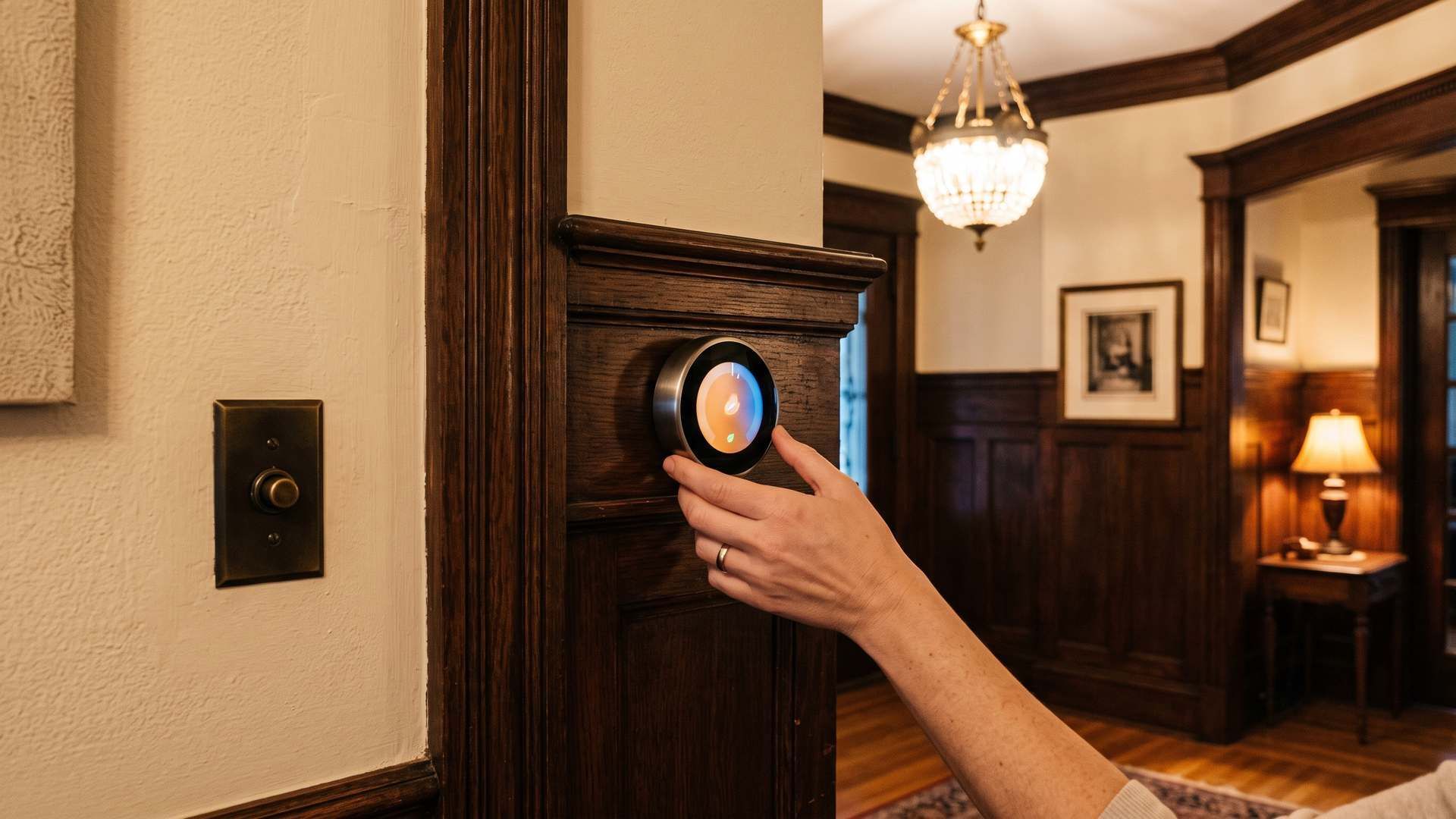
Your heating and cooling system is the heart of your home. If it goes down in the middle of a July heat wave or a January cold snap, you will be miserable.
Emergency weekend service calls can cost more than a scheduled visit. You can avoid much of that stress by being proactive.
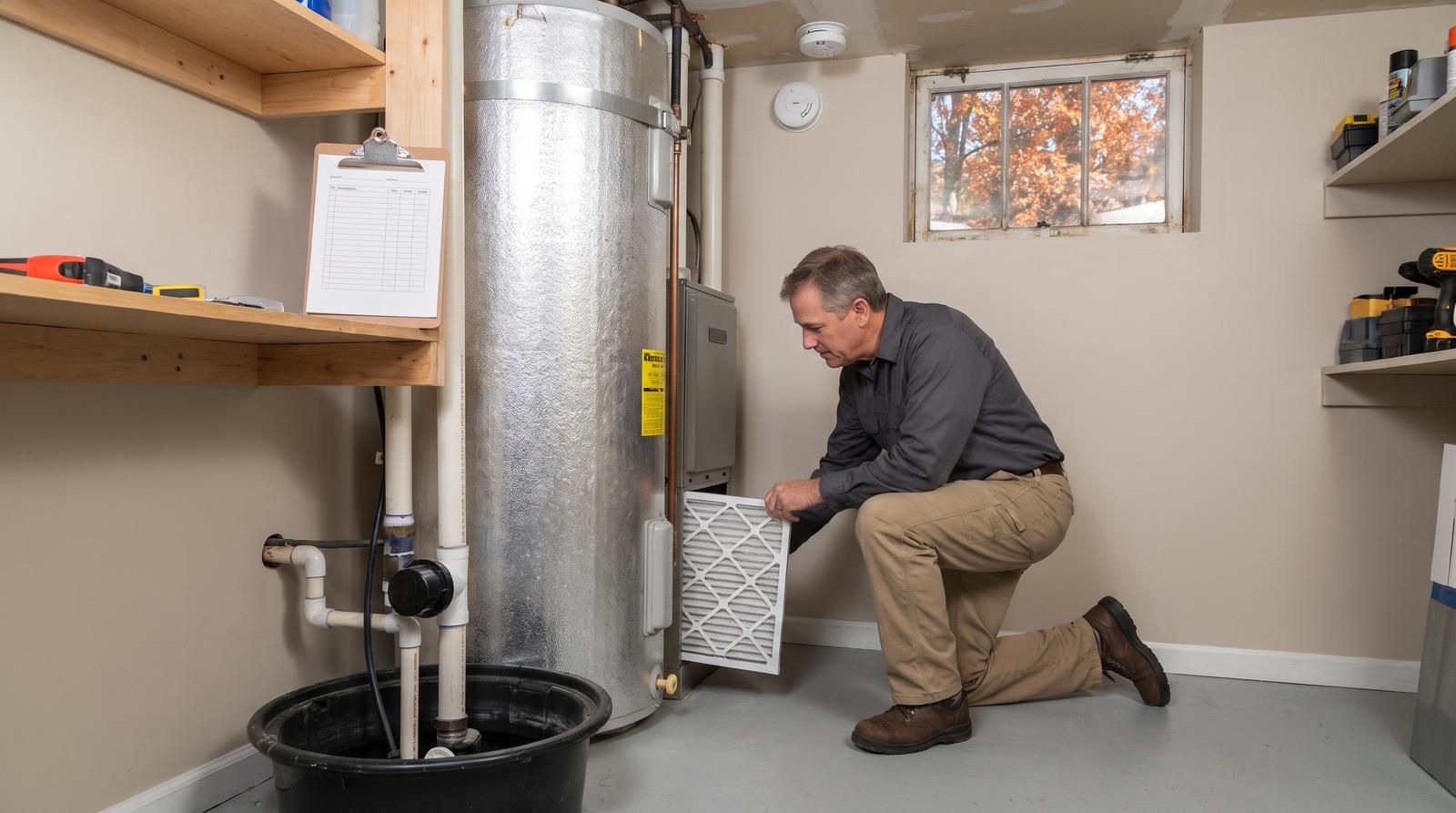
- Check the filters: Look at your indoor air filters every month and replace them every 30 to 90 days.
- Clear the unit: Remove dead leaves and cut back overgrown bushes that block your outdoor AC unit.
- Book a tune-up: Have a professional inspect your system every spring and fall.
Dirty filters force your system to work harder. That can hurt your indoor air quality and raise your energy bills, so keep fresh filters in place and let your system breathe easily.
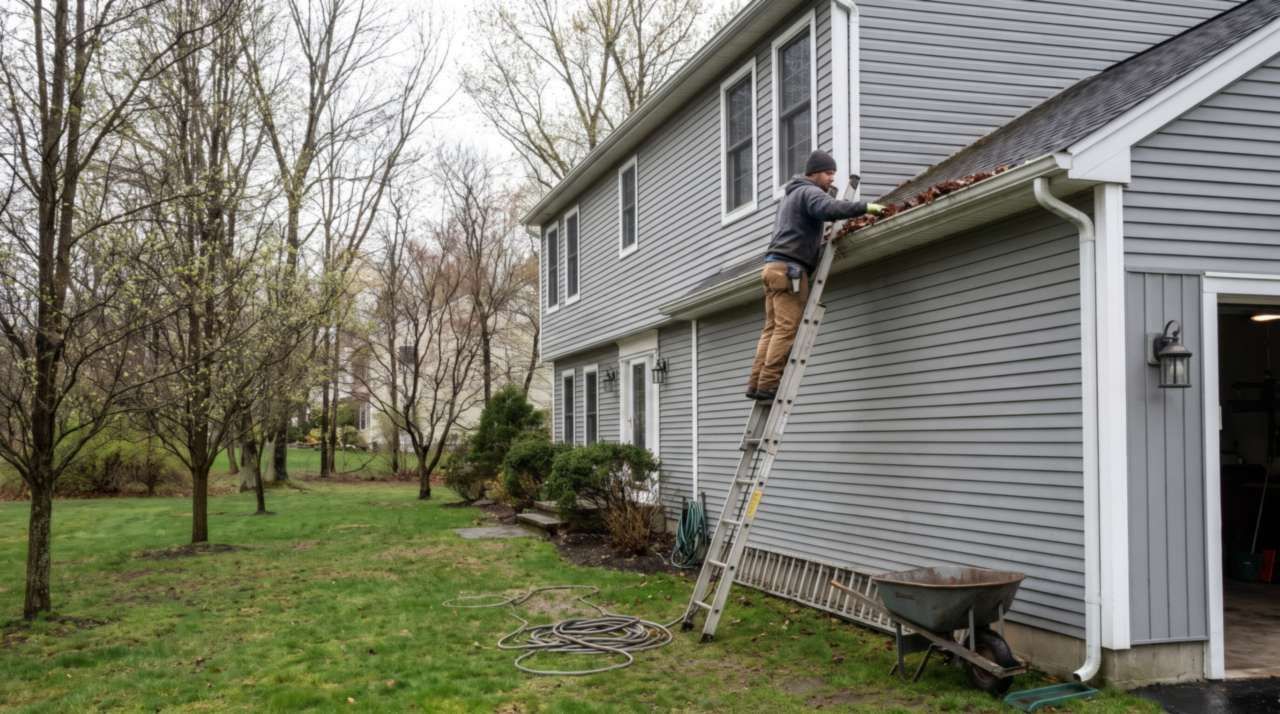
2. Keep Your Gutters Clear
Fall leaves and winter storms fill your gutters with leaves, twigs and other debris. When spring showers arrive, clogged gutters overflow.
Water then spills over the sides and pools around your foundation. That is how basements flood and foundations crack.
- Clean them out: Scoop the debris out of your gutters at least twice a year.
- Test the flow: Run a hose through them to make sure the water drains freely.
- Check the downspouts: Make sure they carry water at least five feet away from your house.
If water is pooling near your walls, add downspout extensions. It is a low-cost fix that can help you avoid much more expensive foundation repairs.
Do not put off gutter maintenance. It is one of the most important things you can do for your home's exterior.
3. Inspect Your Roof From the Ground
Your roof is your home's first line of defense against the weather. If you neglect it, you invite water damage that is costly and disruptive to fix.
You do not need to climb up there to check it. Grab a pair of binoculars and do a visual inspection from the ground.
- Look for missing shingles: High winds can tear them loose.
- Check for curling edges: Curling can mean your shingles are aging and starting to fail.
- Spot the bald spots: Granule loss is a warning sign for roof health.
If you see anything suspicious, call a professional. Do not climb up there yourself and risk a serious fall.
A small leak today can become a mold problem by summer. Protecting your roof is one of the best ways to protect your home's value.
4. Seal Drafty Windows and Doors
Drafty windows let the air you paid to heat or cool escape outside. Walk around your house and inspect the caulking around every window and door, because winter weather causes caulk to crack, shrink and peel away.
- Scrape the old caulk: Remove any peeling or cracked caulk completely.
- Apply a fresh bead: Use a high-quality exterior caulk to seal the gaps.
- Check the weatherstripping: Replace any torn rubber seals around your doors.
Fresh caulk and weatherstripping help keep conditioned air in and insects out. It is an inexpensive DIY project that can help lower your energy bills.
While you are at it, wash your windows inside and out to let more natural light into your rooms. If your windows are still drafty after sealing, or the frames are failing, it may be time to look at window replacement in Somerset County.
5. Build a Pest Barrier Around Your Home
Spring is when insects become active and start looking for a way inside. Ants, spiders and termites are all looking for shelter, and your house is an easy target.
Staying proactive with pest prevention is usually cheaper than dealing with an infestation later.
- Treat the foundation: Apply a quality insect barrier around your entire exterior, following the product label.
- Cover the entry points: Treat around all exterior doors and first-floor windows.
- Move the firewood: Keep firewood stacked away from your house to discourage termites.
Make sure your trash cans have tight-fitting lids to keep raccoons and rodents away. If you see a line of ants in your kitchen, put down liquid bait traps right away so the problem does not grow.
6. Flush Your Water Heater
Your water heater works every single day. Over time, sediment and minerals build up at the bottom of the tank.
That buildup makes the heater work harder and can shorten its lifespan. A failing water heater can also leak and flood your garage or basement.
- Turn off the power: Switch off the power or gas, and close the cold water supply, before you start.
- Attach a hose: Hook a garden hose to the drain valve at the bottom of the tank.
- Flush it out: Let the water run until it is clear of sediment.
The water in the tank is hot, so let it cool and run the hose somewhere safe. Doing this once a year helps your water heater run efficiently, and if you are not comfortable with the job, a professional can handle it.
7. Test Your Sump Pump
If you have a basement, your sump pump is one of your most important pieces of equipment. It stands between you and a serious indoor flood.
Spring rain and melting snow can overwhelm your foundation drainage, so make sure your pump is ready before the wet season.
- Find the pump: Locate the sump pit in your basement or crawlspace.
- Add some water: Pour a bucket of water directly into the pit.
- Watch it work: Make sure the pump turns on, drains the water and shuts off.
If it does not turn on, have it repaired right away, because a broken sump pump leaves your basement exposed to water damage. If it fails during a storm, our 24-hour emergency home repair team can help.
Consider adding a battery backup system. If the power goes out during a storm, the backup can keep the pump running.
8. Prepare Your Yard and Landscaping
When your yard wakes up after winter, it needs some attention. A healthy, well-kept yard boosts curb appeal.
Start by raking up leftover dead leaves and branches from the lawn. This lets the soil breathe and gives your grass a chance to grow.
- Trim the trees: Cut back dead branches on your trees and shrubs.
- Protect the house: Make sure no branches are touching your roof or siding.
- Add fresh mulch: Spread a fresh layer in your flower beds to keep weeds down.
Branches touching your house give insects an easy path inside, so keep everything trimmed back for a clean, tidy look.
Check your sprinkler system for broken heads or underground leaks. Turn it on zone by zone and make sure the water is hitting the grass, not the sidewalk.
9. Inspect Your Plumbing for Hidden Leaks
Water damage is one of the biggest threats to any home. Even a small drip under your sink can rot your cabinets and lead to mold, and timely damage repair can save you a lot of stress later on.
Inspect your plumbing fixtures regularly. Catching a leak early is one of the best things you can do for your budget.
- Check the cabinets: Look under every sink for damp spots or water stains.
- Inspect the toilets: Make sure the base of each toilet is dry and secure.
- Check the hoses: Look at the supply lines for your washing machine and dishwasher.
If you see bulging or cracked hoses, replace them with braided stainless steel lines right away. Rubber hoses wear out over time and can burst, causing major flooding.
Also keep an eye on your water bill. If it spikes for no clear reason, you may have a hidden leak somewhere in the house.
10. Test Your Safety Alarms
This is the most important step on the entire list. Smoke detectors and carbon monoxide alarms save lives.
Test these devices every month. It takes a few seconds and gives you real peace of mind.
- Press the button: Hold the test button on each alarm until it sounds.
- Change the batteries: Replace the batteries every six months, unless the unit has a sealed long-life battery.
- Check the date: Replace the entire unit if it is more than ten years old.
For help deciding where alarms belong, see our guide to smoke detector placement in NJ homes.
Keep a fire extinguisher in the kitchen and one in the garage, and make sure everyone in the house knows how to use them. Staying on top of these alarms is one of the simplest ways to protect your family and your home.
Frequently Asked Questions
How often should I change my air filters?
Change your HVAC filters every 30 to 90 days. If you have pets or allergies, swap them out monthly to keep your air fresh and your system running well.
What is the most expensive home maintenance mistake?
Ignoring water problems is one of the costliest mistakes you can make. A small roof leak or a clogged gutter can lead to foundation repairs and mold removal that cost far more than routine upkeep.
Can I do my own roof inspection?
You can and should do a visual inspection from the ground using binoculars. However, do not climb onto the roof to make repairs yourself; hire a professional to avoid serious injury.
Keep Your Home in Top Shape All Year
A few hours of maintenance each season can save you from the repairs that disrupt your life and your budget. For a closer look at each season, see our spring home maintenance checklist and our summer maintenance checklist for Somerset County.
If a task on this list is more than you want to take on, our handyman services cover everything from caulking to repairs. Contact Jeff of All Trades to schedule help with your home maintenance anywhere in Somerset County.