The Hidden Costs of DIY Home Improvements: When Saving Money Costs You More
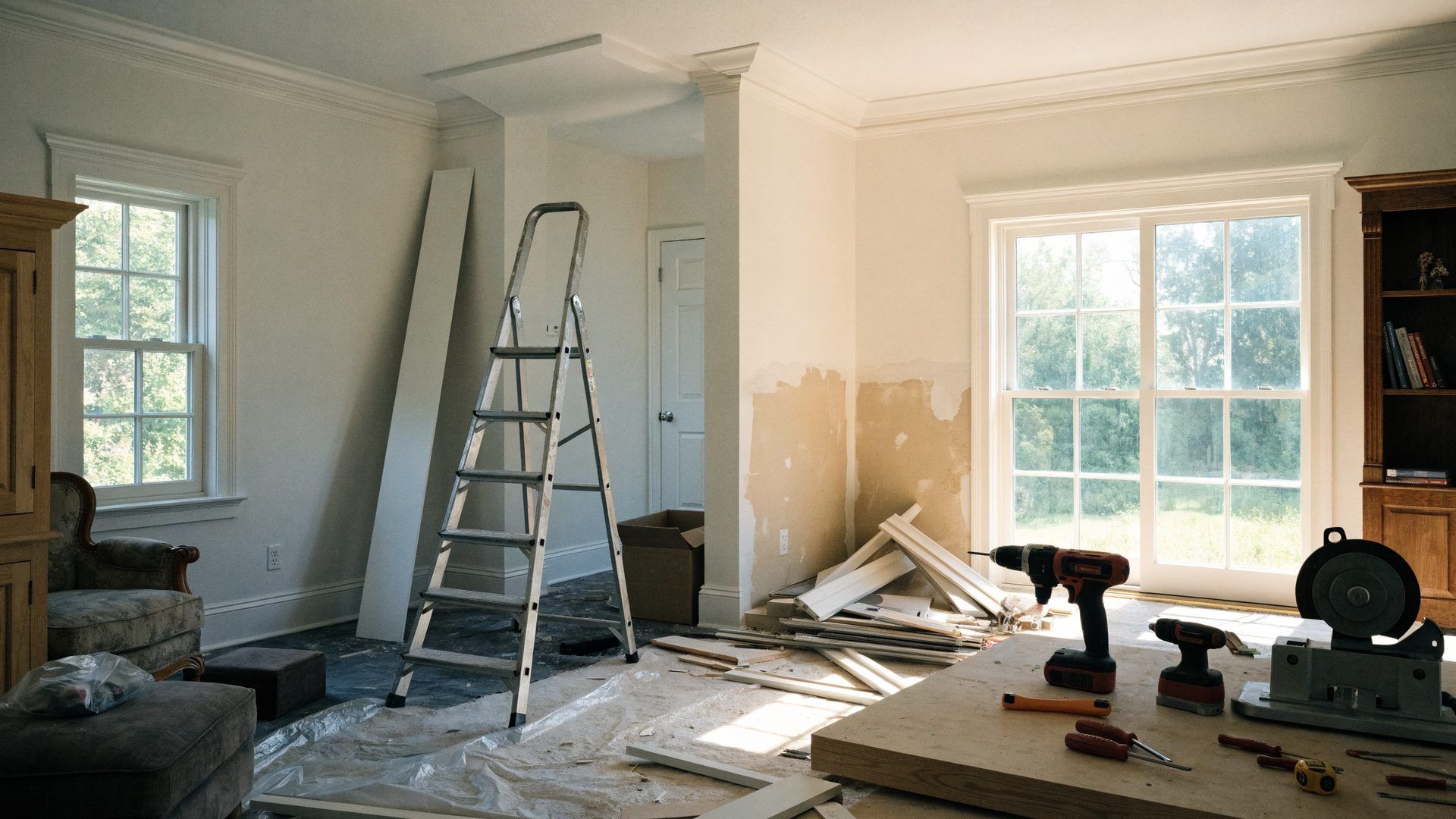
There is a lot to like about DIY projects. You learn new skills, save money, and get the satisfaction of improving your own home. But some jobs are more complicated than they appear online.
A project that starts with a small budget can grow quickly once you factor in tools, mistakes, extra materials, and repairs. Before you begin, be realistic about the time, cost, and skill involved. Knowing when to handle a project yourself and when to bring in a professional can save you money and a great deal of frustration.
Let us break down the real costs of DIY gone wrong and help you make smarter decisions about your home improvement projects.
The True Cost of "Savings"
Most people start DIY projects with one goal: saving money. The logic seems sound. Why pay someone $5,000 for a job when you can do it yourself for $1,500 in materials?
Here is the problem with that arithmetic. It assumes everything goes according to plan, that you have all the necessary tools, that you make no mistakes, and that your time has zero value.
Reality rarely cooperates with those assumptions. That $1,500 in materials often reaches $3,000 once you account for the supplies you forgot, the tools you had to buy, and the materials you damaged and had to replace. Then there is your time. If a professional can complete a bathroom remodel in two weeks but it takes you three months of weekends, you have invested roughly 100 hours of your own time. Value that at even $30 per hour and you have added another $3,000 to your budget project.
The cost is not just materials. Mistakes take time to fix, create stress at home, and lead to rushed decisions that make the project harder still.
When Permits Become Your Worst Enemy
Here is something many DIY enthusiasts discover too late. Permits are not optional suggestions. They are legal requirements that protect you, your family, and future buyers of your home.
Building departments in Basking Ridge, Bernardsville, and surrounding areas take permits seriously. When you eventually sell your home, the inspection process can uncover unpermitted work. Buyers will either walk away or demand major price reductions. Some mortgage companies refuse to finance homes with unpermitted additions or renovations. You might find yourself forced to rip out work you completed years ago, or to hire an engineer to certify its safety at considerable expense.
Permits matter even more if something goes wrong. If unpermitted electrical work causes a fire, your insurer may question or deny the claim, leaving you responsible for major damage and possible liability.
Skipping a permit may look like a small saving, but the risk is far more expensive than doing the job properly from the start.
What Home Projects Usually Need Permits?
Permit requirements vary by town, but major work usually needs approval before it begins. This includes electrical, plumbing, HVAC, structural changes, additions, finished basements, and larger kitchen or bathroom renovations. Our guide to when NJ building permits are required covers this in more detail.
Cosmetic updates such as painting, flooring, cabinet replacement, doors, and basic landscaping often do not require permits if you are not changing wiring, plumbing, or structure.
When in doubt, call your local construction office before work begins. A quick call helps you avoid delays, fines, and expensive corrections later.
The Tools You Do Not Have (And Should Not Buy)
Walk into any home improvement store on a Saturday morning and you will see people loading up on tools they will use exactly once. That tile wet saw for $300? You need it for one bathroom project. The pneumatic flooring nailer for $250? One room. The drywall lift for $180? One ceiling repair. Suddenly your budget project requires a $1,000 investment in tools before you even start.
Professional contractors spread tool costs across hundreds of jobs. When a contractor turns up with a $2,000 tile saw, that investment is distributed across 200 or more tile jobs, so you are paying pennies of it as part of your project price. When you buy it for one bathroom, you absorb the entire expense.
Renting tools helps, but it is not always as simple or as cheap as it sounds. Rental fees add up when a project runs late, and missing a return deadline can mean paying for another full day.
There is also a learning curve. Professionals use these tools every day; most homeowners do not. A rental tile saw may cost less than buying one, but not if mistakes lead to wasted materials and a job that has to be redone.
Code Violations That Cost You Later
Building codes are not just paperwork. They exist to keep homes safe and reliable for years to come.
DIY electrical work creates serious problems when it is done without the right knowledge. Overloaded circuits, poorly wired outlets, and indoor-rated wiring used outdoors all increase the risk of damage or fire. Our comparison of DIY electrical work and hiring a licensed electrician explains where the real risk sits.
Plumbing code violations usually come down to venting. Every drain in your house needs proper venting to work correctly and to keep sewer gases out of your living space. DIY plumbers routinely skip vents or install them incorrectly because the system is not intuitive. Your sink may drain fine today, but you have set yourself up for trap problems and sewer gas entering the house.
Structural code violations are the ones that stop home inspections and collapse property deals. Cutting into walls that hold up your house without adding proper support headers. Installing beams that are undersized for the load they carry. Removing structural supports when finishing a basement because they are in the way. These are not small mistakes. They weaken the house and put everyone living there at genuine risk.
When these violations are discovered during a home sale, you face difficult choices. Hire professionals to remove and redo the work correctly, which is expensive. Lower your asking price to account for the problems, potentially by tens of thousands. Or watch buyers walk away entirely because their inspectors and insurance companies will not approve the sale.
Material Mistakes Get Expensive
Choosing the wrong material turns a budget project into an expensive repair. Contractors know which products are built for particular jobs and where it is safe to save money.
The cheaper option may look almost the same, but it may not hold up the way you need it to. Spending less upfront leads to failures, wasted labor, and much higher repair costs later.
Ordering mistakes add up faster than you would expect. You measure incorrectly and order too much or too little. You forget to account for waste. You buy materials from different lots that do not quite match. Each mistake means more money out the door.
Projects You Should Never DIY
Some jobs are not suited to DIY at all. Unless you hold a license in that trade, do not attempt them.
Anything electrical beyond swapping out a light fixture needs a licensed electrician. Getting it wrong risks house fires and electrocution. The code rules are complex and they change. Capable people make dangerous mistakes because they do not grasp everything that goes into safe electrical work. Our guide on what homeowners can legally do themselves in NJ is worth reading before you open a panel.
Anything affecting your home's structural integrity needs a professional engineer and contractor. Removing walls, cutting through framing, adding to your house, or altering the foundation all take expertise you do not develop from watching videos. Get it wrong and you are not just looking at damage, you are looking at possible collapse.
Major plumbing work requires licensed plumbers. Moving drain lines, rerouting water supply, installing fixtures that need proper venting, or touching anything connected to your main water or sewer lines should be left to professionals. When plumbing fails you get water damage, mold, and sewage backing up into the house, and those repairs cost far more than hiring a plumber would have.
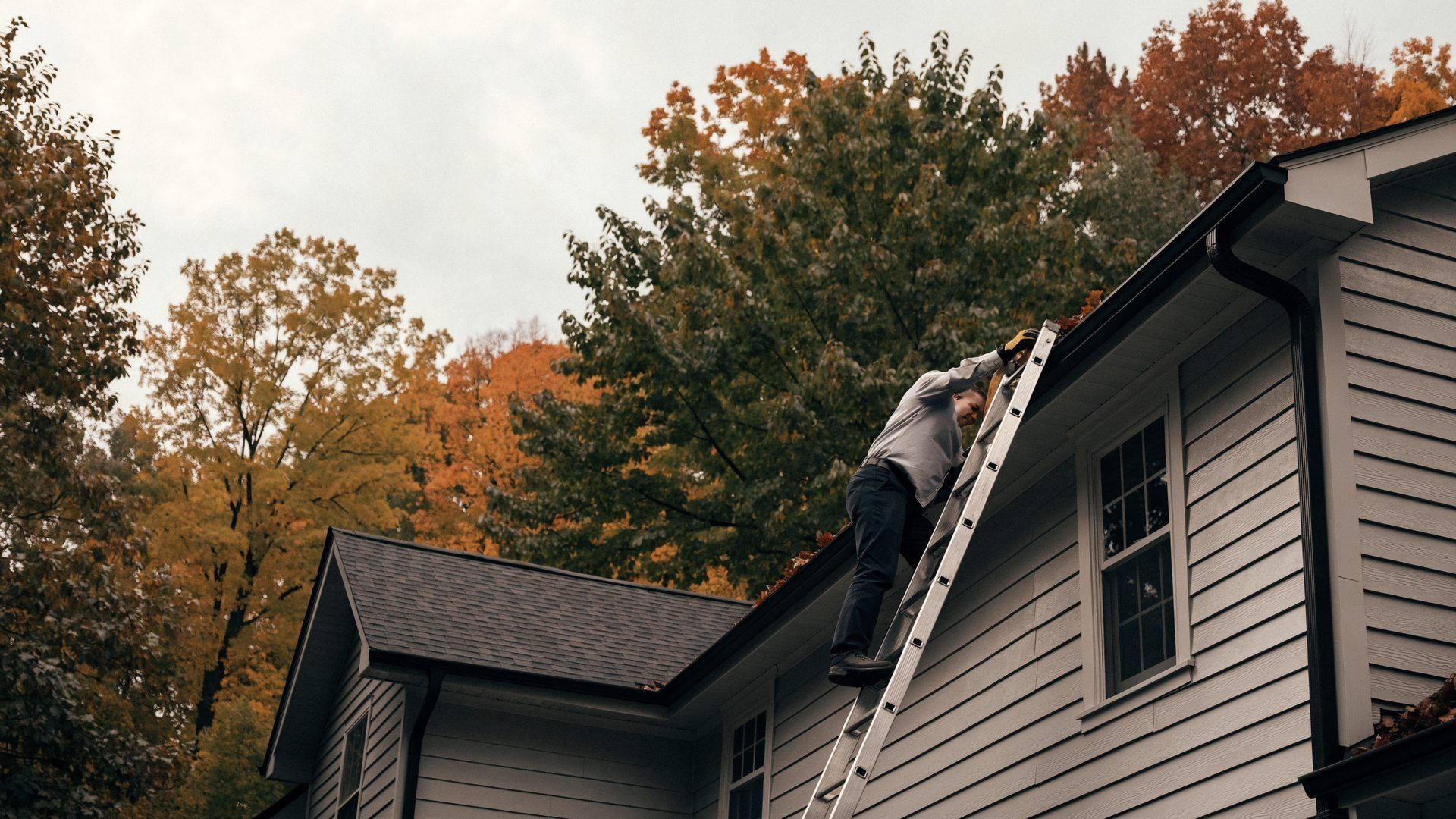
Roofing is more dangerous than people think. Falls from roofs kill homeowners every year. Even if you do not fall, incorrect installation lets water in and damages the house from the inside out. The money you thought you saved disappears the first time it rains and water runs into your attic and down your walls.
HVAC work requires specialized knowledge, expensive tools, and legal certification to handle refrigerants. Modern heating and cooling systems have to be sized exactly right and installed correctly to work efficiently and safely. DIY HVAC work voids your equipment warranties, creates a system that wastes energy, and still fails to keep the house comfortable.
DIY Projects You Can Handle
Not every home project needs a contractor. The best DIY jobs are low risk, easy to correct, and do not involve plumbing, wiring, or structural changes.
Good DIY Options
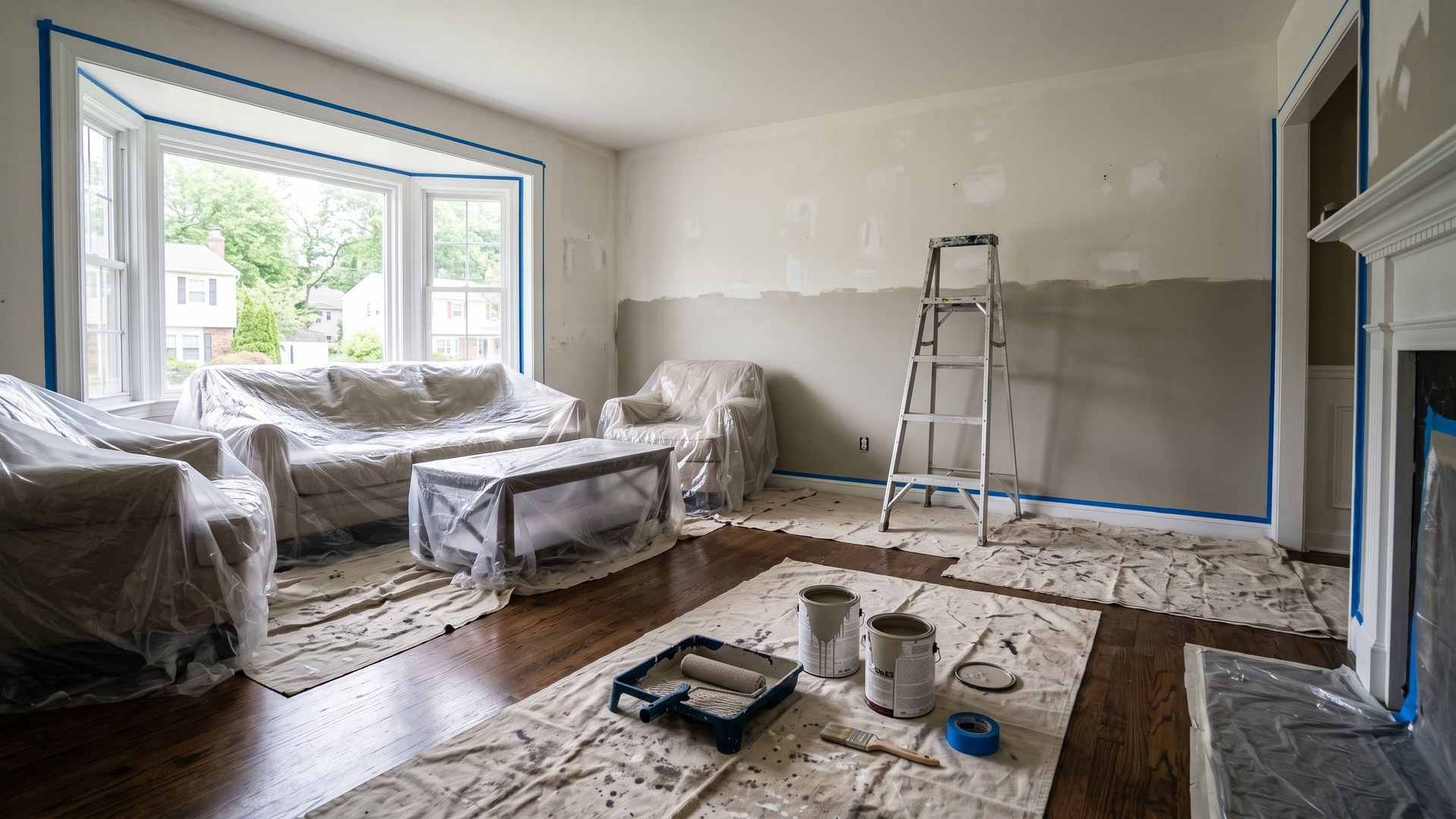
Interior painting. With good prep work, decent brushes, and patience, painting is one of the easiest ways to update a room and save on labor. If the job covers the whole house or involves exterior surfaces, professional painting is usually faster and lasts longer.
Laminate or vinyl plank flooring. Many of these products are designed for homeowner installation. Take your time measuring and follow the instructions carefully.
Simple cosmetic updates. Replacing cabinet hardware, changing existing light fixtures, and hanging shelves are all well within reach.
Basic carpentry. Installing trim or molding, building simple shelves, and creating basic storage solutions are good entry-level projects.
Landscaping and outdoor work. Building raised garden beds, planting flowers, shrubs, or trees, laying a simple paver area, and general yard improvements are all straightforward.
Choose projects that match your skill level. If a job involves major electrical work, plumbing, structure, or safety concerns, it is usually best to call a professional. Our guide on when to call a professional home repair contractor helps you draw that line.
Working With Contractors the Smart Way
When you do decide to hire professionals, making smart choices protects you from a different set of problems. Poor contractors cause nearly as many expensive disasters as DIY attempts gone wrong.
Start by getting multiple quotes for any significant project, ideally three to five. This gives you a realistic sense of fair pricing and helps you spot outliers at both ends.
Verify registration and insurance before signing any contract. In New Jersey, home improvement contractors need NJHIC registration. Check that it is current and in good standing. Confirm they carry both general liability insurance and workers' compensation coverage. If someone is hurt on your property and the contractor does not carry workers' compensation, you could be held liable.
Check references and actually follow up with them. Ask previous customers about the contractor's communication, reliability, workmanship, and how they handled any problems that came up.
Get detailed written contracts specifying exactly what work will be performed, which materials will be used including brands and grades, the project timeline, the payment schedule, and how changes will be handled. Never work on a handshake agreement or pay everything upfront. Standard practice is a deposit to start, progress payments at defined milestones, and final payment on satisfactory completion.
Understand what warranties come with the work, and get those terms in writing so you are protected if problems appear after completion.
The Jeff's Home Improvement Difference
When homeowners in Basking Ridge, Bernardsville, Bedminster, Far Hills, Gladstone, Hillsborough, and Warren need reliable home improvement work, they turn to Jeff's Home Improvement for good reasons.
The one-stop-shop approach saves you time and hassle. Instead of coordinating multiple specialists for a project that involves several trades, you work with one contractor who handles everything. Kitchen remodels that require plumbing, electrical, carpentry, and finish work are completed in sequence without you having to act as the general contractor. You can see the full range of services we cover.
Transparent pricing builds the trust that makes customer relationships last. You get a clear estimate for the work, and that is what you pay unless you request changes. No surprise bills, no hidden fees, and no bait-and-switch.
Licensed and insured work protects you legally and financially. When problems occur you have recourse and protection. The work is done to code, passes inspections, and will not create problems when you eventually sell your home.
Local knowledge of Somerset County building codes, permit requirements, and the specific challenges homes in this area face makes projects go more smoothly. We know what local building departments expect and have the relationships that keep the permit process moving.
FAQs: DIY Home Improvement Mistakes
How much does hiring a professional really cost compared with doing it myself?
On paper, DIY always looks cheaper, because the comparison usually counts only materials. A fair comparison adds the tools you have to buy or rent, the materials you waste on mistakes, the value of your own time, and the cost of correcting anything that goes wrong.
For simple cosmetic work, DIY genuinely does cost less. For anything technical, professional work often costs less overall, because it avoids the failed materials, code corrections, and repeat repairs that turn a cheap project into an expensive one. The honest answer is that DIY saves money on low-risk jobs and loses money on high-risk ones.
What home improvement projects should I never attempt as DIY work?
Leave high-risk work to qualified professionals. This includes major electrical or plumbing repairs, structural changes, roofing, HVAC work, gas lines, foundation repairs, and large mold problems.
These jobs involve serious safety hazards, permits, and code requirements. A mistake can cause major property damage, injury, or expensive repairs later. If the work goes beyond a simple, low-risk fix, hiring a licensed professional is the safer choice.
How do I find a reliable home improvement contractor in Somerset County?
Start by checking that any contractor you are considering holds current NJHIC registration and carries both general liability insurance and workers' compensation coverage. Get multiple detailed written quotes, ideally from three to five contractors. Check references by calling previous customers and asking about their experience. Look for online reviews across several platforms to spot patterns in how the contractor operates. Local contractors who have built reputations in specific communities often provide the most reliable service, because their business depends on referrals and repeat customers.
Making the Right Call for Your Home Project
DIY is a good way to save money, build skills, and take pride in your home. Not every project is worth the risk. Before you start, consider the true cost of materials, tools, time, permits, and possible mistakes.
If the job involves safety concerns, major repairs, or specialized work, hiring a professional is usually the smarter investment. Quality work protects your home, saves time, and prevents costly problems later.
For homeowners in Somerset County, Jeff's Home Improvement provides dependable help with remodeling, painting, flooring, repairs, and more, and our handyman services cover the smaller jobs that pile up. Know when to tackle a project yourself, and when it is better to call a professional. Get in touch or call 908-963-3533.