

Rainy-Season Checklist to Keep Somerset Basements Safe & Dry
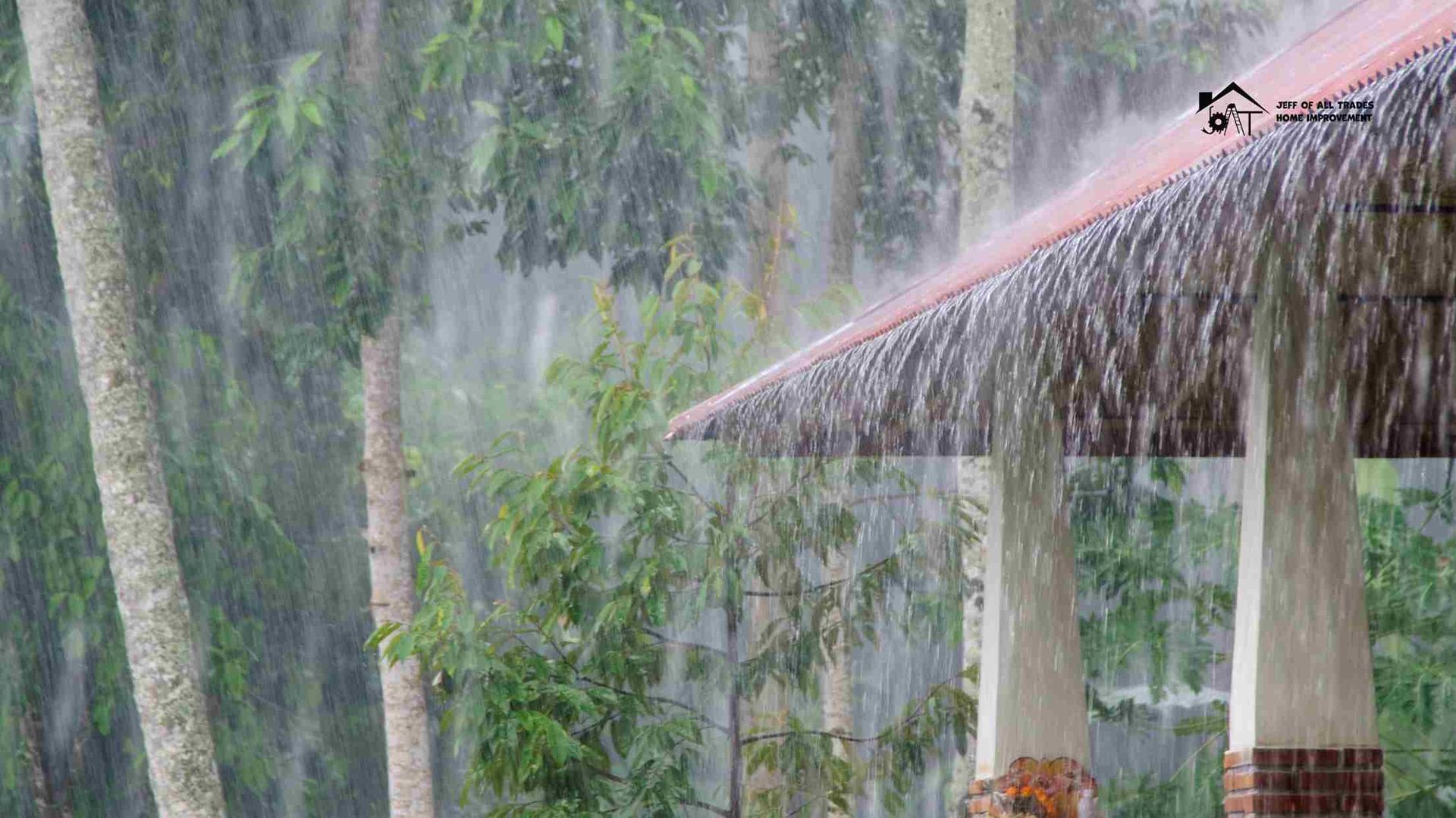
Here in Somerset County, we know the rhythm of the seasons. It’s the spring nor’easters that saturate our heavy clay soil and the remnants of late-summer hurricanes that test our homes. That dense soil holds water like a sponge, creating immense pressure on your foundation. A small oversight can quickly lead to a damp, musty basement or worse.
This rainy season home checklist isn’t about panic; it’s about preparation. By taking a few proactive steps, you can ensure your basement stays safe, dry, and healthy year-round.
Basement Threats: A Quick-Glance Guide
| Threat | Common Symptom | Time to Inspect | DIY or Pro? |
|---|---|---|---|
| Rising Groundwater | Damp floor near center, sump pump runs often | 5 minutes | Pro (for system install/repair) |
| Gutter Overflow | Water pooling against the foundation walls | 15 minutes | DIY |
| Is Window-Well Leaks | Puddles or water stains directly below windows | 10 minutes | DIY |
| Hydrostatic Pressure Cracks | Dark, wet lines or active drips from wall cracks | 20 minutes | DIY (minor) / Pro (major) |
| Sump Pump Failure | Flooded sump pit, high water alarm sounds | 5 minutes | DIY (test) / Pro (replace) |
Your Step-by-Step Guide to Somerset Basement Waterproofing
Follow these steps before the heavy rains begin. An afternoon of prevention is worth weeks of cleanup.
1. Clear & Extend Gutters and Downspouts
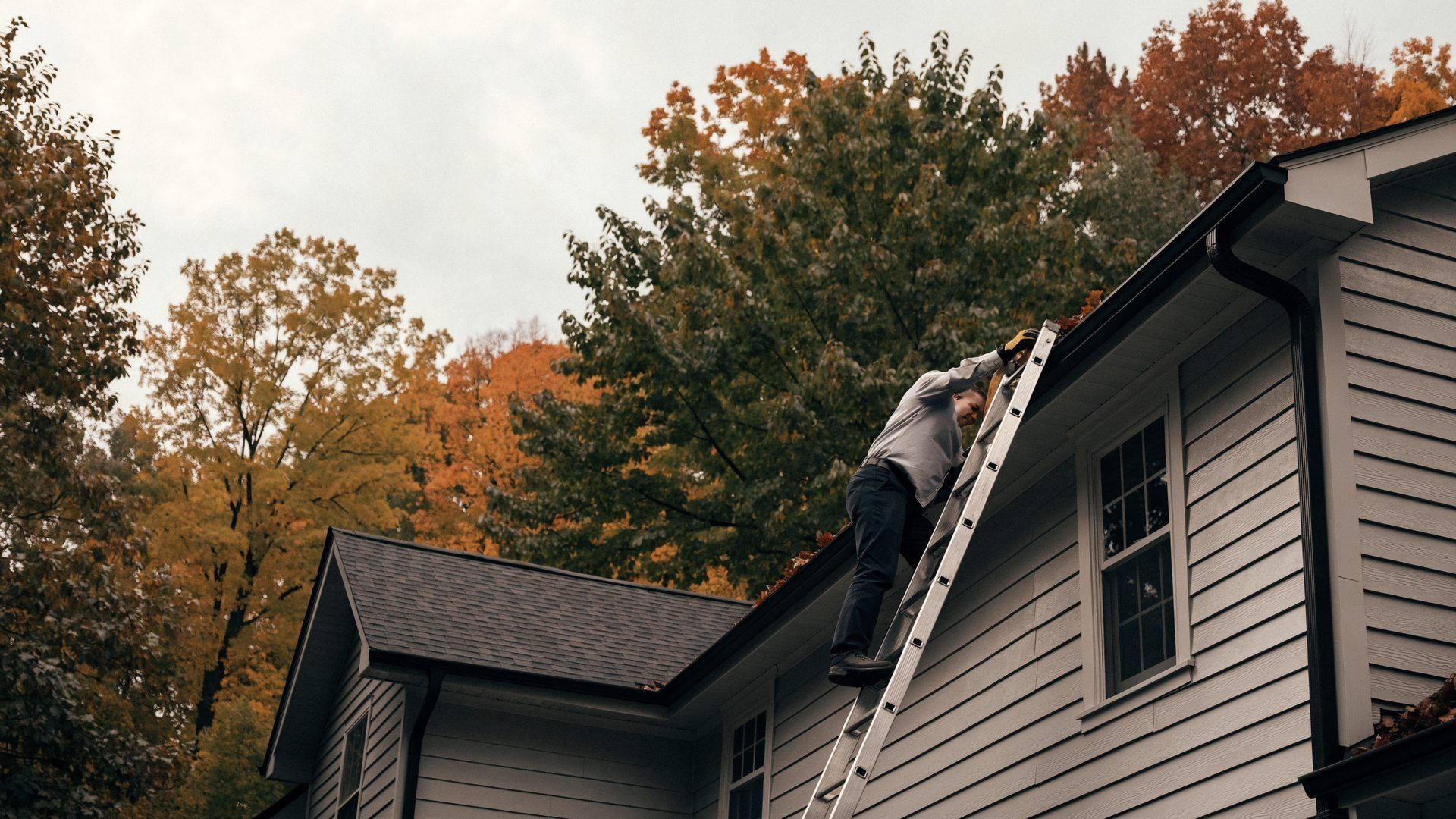
This is the single most important step to keep your basement dry in NJ. Your gutter system is designed to capture thousands of gallons of roof runoff. If it’s clogged with leaves and debris, that water will sheet down your siding and pool directly against your foundation. First, clean your gutters thoroughly. Then, inspect your downspouts. They should discharge water at least 6 to 10 feet away from your house. If they don’t, purchase simple plastic or metal extenders. This small investment moves the biggest threat far away from your basement walls.
2. Grade Soil Away From the Foundation
Take a walk around your home. Does the soil and mulch slope towards your foundation? This is a common problem that creates a moat around your house. Over time, soil settles and needs to be rebuilt. The goal is a gentle slope away from the foundation—a drop of at least 1 inch per foot for the first 6 feet. You can achieve this by adding bags of clean fill dirt or topsoil. This simple grading encourages surface water to flow away from your home rather than percolate down along your basement walls. It's a key principle of effective basement waterproofing in Somerset.
3. Test Your Sump Pump & Battery Backup
Your sump pump is your last line of defense against groundwater. Don’t wait for a 2 AM downpour to find out it’s failed. You can test it easily. Slowly pour 5 gallons of water into the sump pit. The float should rise, activate the pump, and discharge the water in under 90 seconds. If it doesn't, or if it makes grinding noises, it needs service. Crucially, test your battery backup system. Unplug the main pump from the wall and repeat the bucket test. The backup should kick on immediately. This is vital for sump pump maintenance in Somerset County, where storm outages are common.
4. Inspect Foundation Cracks & Seal with Hydraulic Cement
Walk the perimeter of your basement and look for cracks in the concrete or block walls. Hairline vertical cracks are often from normal concrete curing. However, horizontal cracks, step cracks in block walls, or any crack that becomes actively wet during rain need immediate attention. For minor, actively leaking cracks, hydraulic cement is a powerful DIY solution. It’s a powder you mix with water to form a putty that sets in minutes, even against incoming water pressure. For larger or structural cracks, you need a professional assessment.
5. Check Window Wells & Install Bubble Covers
Basement window wells are notorious for collecting water, leaves, and debris. Essentially, they are buckets dug right next to your foundation. Shovel out any accumulated gunk and ensure there’s a layer of clean gravel at the bottom for drainage. To prevent them from filling up in the first place, install clear plastic “bubble” covers. These inexpensive covers snap over the well, shedding water and debris away from the window without blocking sunlight. This simple fix eliminates a major source of basement leaks.
6. Set Up a Dehumidifier & Monitor Humidity
Even without active leaks, a basement can feel damp due to high humidity, especially in our muggy New Jersey summers. This moisture can lead to musty odors, mold growth, and damaged belongings. A good dehumidifier is essential. Set it to maintain a relative humidity (RH) between 45% and 55%. You can monitor this with a cheap digital hygrometer. A properly dehumidified basement feels more comfortable and is far less hospitable to mold and mildew. This is a critical, ongoing part of any Somerset basement waterproofing strategy.
7. Have a Backup Power Plan for Storm Outages
What happens to your sump pump when a hurricane remnant knocks out the power for hours? If you don’t have a battery backup, the pit will fill and overflow. For ultimate peace of mind, consider a portable generator. A small 2,000-watt generator is more than enough to power a sump pump and a few other essentials. Remember to always run a generator outdoors, at least 20 feet away from windows and doors, to prevent carbon monoxide poisoning. Having a plan before the storm hits is key.
DIY Tool & Supply List
- Gutter Scoop & Gloves: ~$25
- Downspout Extenders (2): ~$35 each
- Bagged Topsoil (5 bags): ~$25 total
- Hydraulic Cement (4-lb. tub): ~$25
- Polyurethane Crack Sealant & Caulk Gun: ~$30
- Window Well Cover (1): ~$40–$80
- Digital Hygrometer: ~$15
Cost Comparison: DIY vs. Pro
- DIY Rainy-Season Prep: Following the checklist above, your supply costs will typically range from $180 to $350, depending on the number of downspouts and window wells you have.
- Professional Waterproofing Tune-Up: A pro service that includes gutter cleaning, downspout assessment, sump pump service, and a foundation inspection typically costs between $650 and $1,250.
Warning Signs That You Need a Pro
This rainy-season home checklist can address the most common issues. However, call a professional immediately if you see:
- Bowing, bulging, or curving foundation walls.
- Cracks in the foundation are wider than 1/4 inch.
- A white, chalky powder (efflorescence) covering large sections of the walls.
- Water is seeping up through cracks in the concrete floor.
- A persistent musty smell even after running a dehumidifier.
Safety & Compliance Notes
- Electrical Safety: Your sump pump and dehumidifier must be plugged into a Ground Fault Circuit Interrupter (GFCI) outlet. If you need a new circuit installed, this requires a licensed electrician and a permit in New Jersey.
- Mold Safety: If you suspect significant mold growth, do not disturb it. According to guidance from sources like the Rutgers Cooperative Extension, improper cleaning can release millions of spores into the air. Professional remediation is often necessary for large-scale problems.
FAQs: Rainy Season Home Checklist
How often should I test my sump pump?
You should test it before the start of each rainy season (spring and late summer) and at least once a month during those periods. A quick bucket test is all it takes.
Can I just paint over minor foundation cracks?
No. Standard paint will not stop water from coming through. The hydrostatic pressure will simply cause the paint to bubble and peel. You must seal the crack first with hydraulic cement or an appropriate sealant, then you can paint over the repair.
Will my homeowners insurance cover basement water damage? Specifically, no.
Standard homeowners' policies cover sudden and accidental events, such as a burst pipe. Groundwater seepage is usually considered a maintenance issue. You would need a separate flood insurance policy to cover groundwater entering the home.
Will installing a French drain raise my property taxes?
Generally, a French drain or other Somerset basement waterproofing system is considered a repair or maintenance item and does not trigger a property tax reassessment. Unlike an addition or a finished basement, it doesn't add habitable square footage. However, it's always wise to confirm with your local tax assessor in towns like Hillsborough or Warren.
A Pro Tip Before You Touch That Wall
I’ve seen DIY videos suggesting homeowners drill "weep holes" in the bottom of their concrete block walls to relieve pressure. Please, don't do this. Without a professionally installed interior drainage system leading to a sump pump, you are not solving the problem. You are simply inviting water from the hollow cores of the block to pour onto your floor, creating a larger mess and potentially compromising the wall's integrity.
Don't Wait for the Water to Rise
A dry basement protects your home's value and your family's health. If this checklist seems daunting or if you've discovered problems that go beyond simple DIY fixes, give us a call. With over 20 years of experience keeping homes safe and dry in our local communities, we can provide an honest assessment and a lasting solution.
- Call or Text for a Free, No-Obligation Quote: 908-963-3533
- Email Us Your Questions: jeffofalltradeshandymanservice@gmail.com
- Proudly Serving: Bedminster, Basking Ridge, Bernardsville, Far Hills, Gladstone, Hillsborough, Warren, and surrounding towns.