
2026 Home Renovation ROI Guide: Which Projects Actually Increase Your Home Value in Somerset County?

You're standing in your outdated kitchen, mentally calculating whether that $40,000 remodel will actually pay off when you sell. Or maybe you're eyeing your tired bathroom, wondering if a renovation will add enough value to justify the expense.
Here's the uncomfortable truth: Not all home renovations increase your home's value. Some barely break even. Others lose money. And a few special projects return more value than they cost.
This guide cuts through the renovation hype to show you exactly which projects deliver real returns in 2026, which ones maintain value without profit, and which ones you should skip if resale value matters to you.
Whether you're planning to sell soon or just want to invest wisely in your home, you'll learn how to maximize your renovation return on investment without wasting money on improvements that don't pay back.
Understanding Home Renovation ROI
Before we dive into specific projects, let's clarify what we mean by return on investment for home renovations.
ROI Formula:
ROI = (Value Added - Cost) / Cost × 100
A 100% ROI means you recoup every dollar spent. A 75% ROI means you get back $75 for every $100 invested. A 120% ROI means you actually add more value than you spent—the holy grail of home improvements.
But understanding renovation ROI requires nuance beyond simple math.
Time Horizon Matters
ROI calculations typically assume you'll sell immediately after the renovation. If you're living with improvements for years, the value equation changes—you're also getting years of enjoyment and functionality.
A kitchen remodel might have 65% ROI at resale, but if you use and love that kitchen for ten years, the value calculation is completely different.
Over-Improvement Risk
This is the biggest ROI killer: spending more on renovations than your neighborhood supports.
If comparable homes in your area sell for $500,000 and you put $150,000 into renovations, hoping to sell for $700,000, it rarely works. You'll likely top out near neighborhood values regardless of how much you spend.
High-ROI Projects: The Smart Investments
These renovations consistently deliver strong returns in Somerset County's real estate market.
Minor Kitchen Remodel (75-85% ROI)
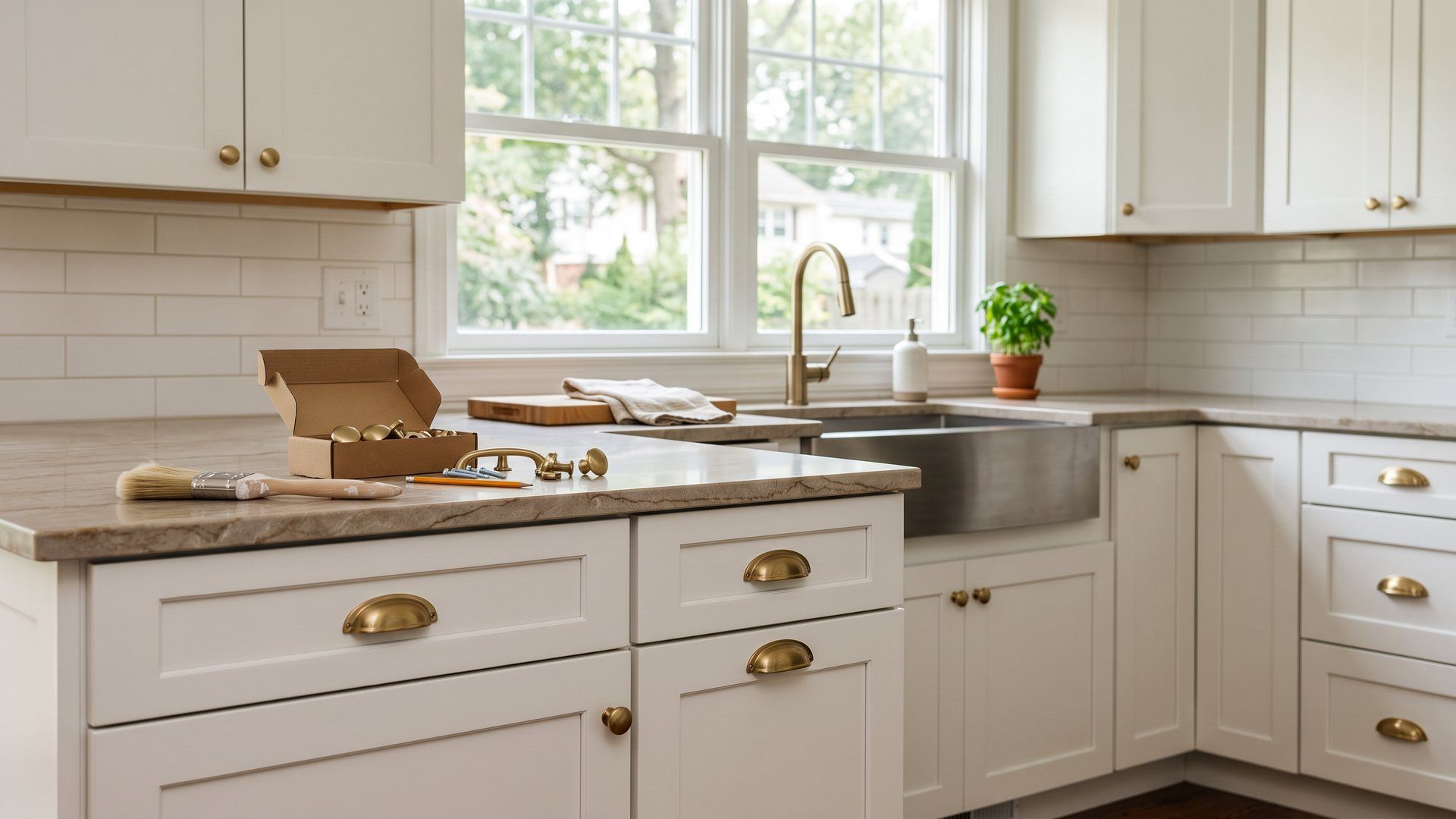
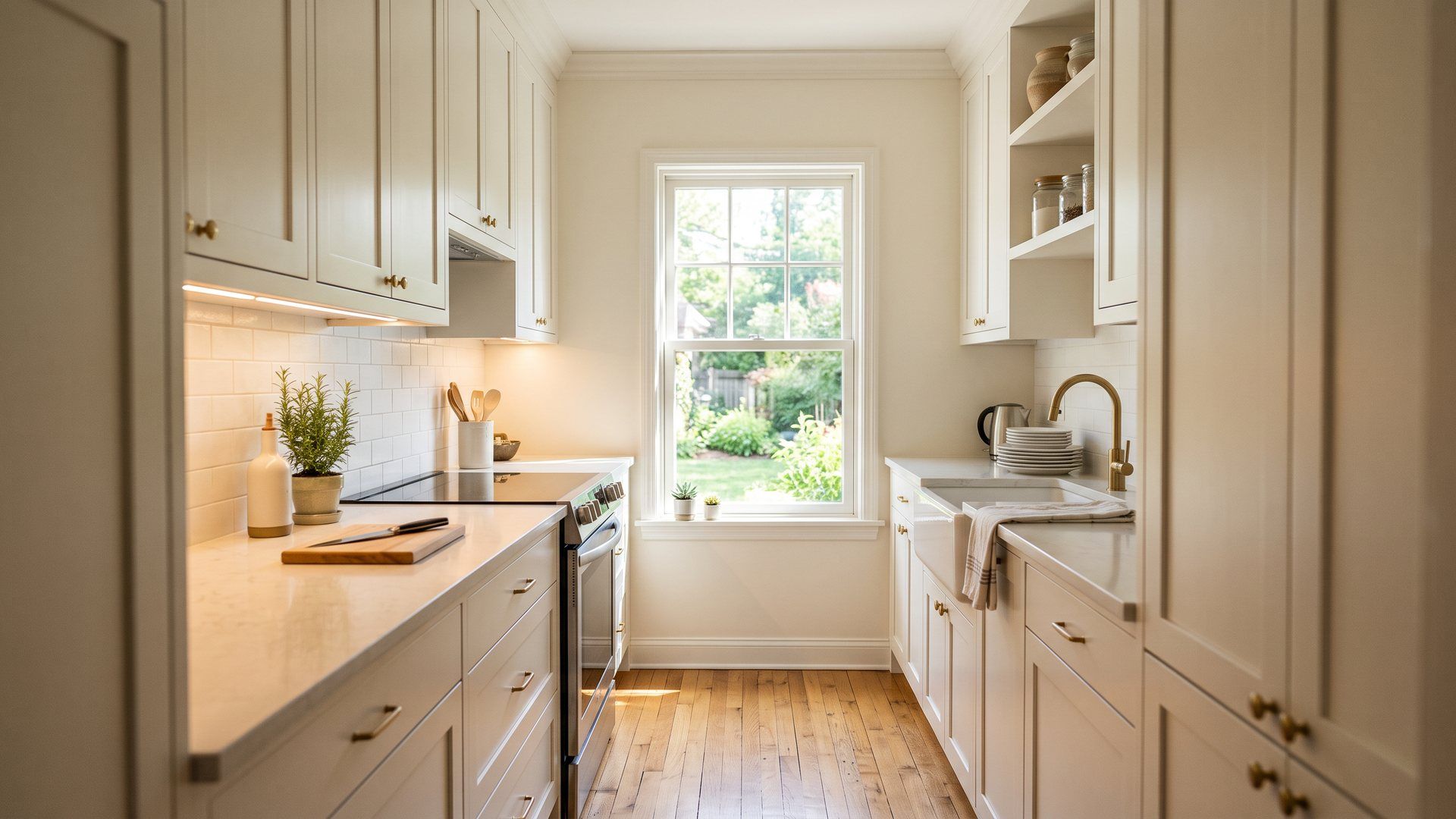
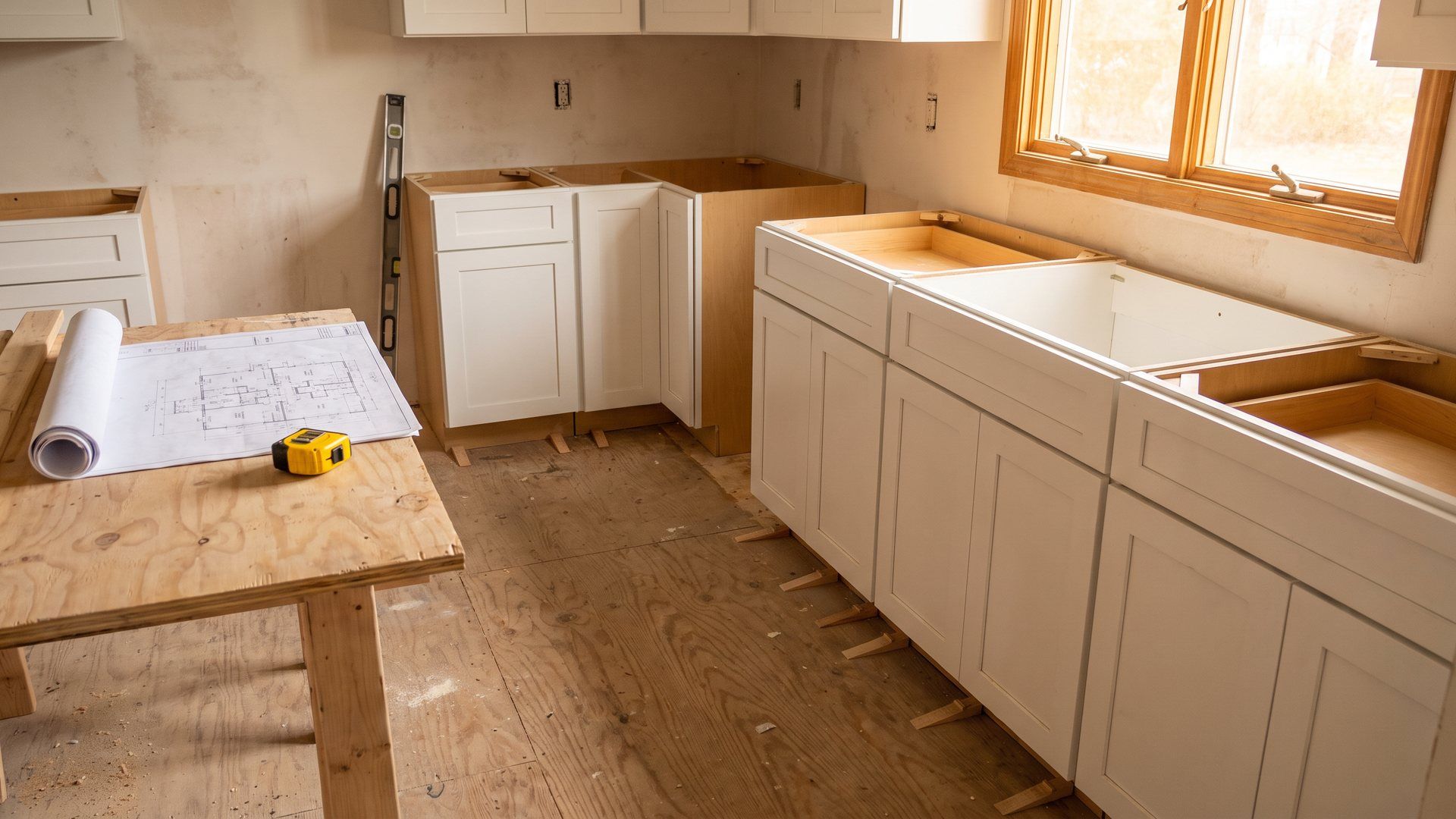
A minor kitchen update—new cabinet doors or refacing, updated hardware, new countertops, fresh paint, modern fixtures, and appliances—typically costs $25,000-$35,000 and returns $20,000-$28,000 in added value.
Why it works: Kitchens sell homes. Even modest updates make a huge visual impact. Buyers notice kitchens immediately and factor them heavily into offers.
Bathroom Remodel (70-80% ROI)
Full bathroom renovations typically cost $15,000-$25,000 and return $11,000-$20,000 in value. The ROI is solid because bathrooms are critical to buyer decisions.
Why it works: Dated bathrooms turn off buyers immediately. Modern, clean bathrooms signal that a home has been maintained and updated.
Exterior Paint (75-90% ROI)
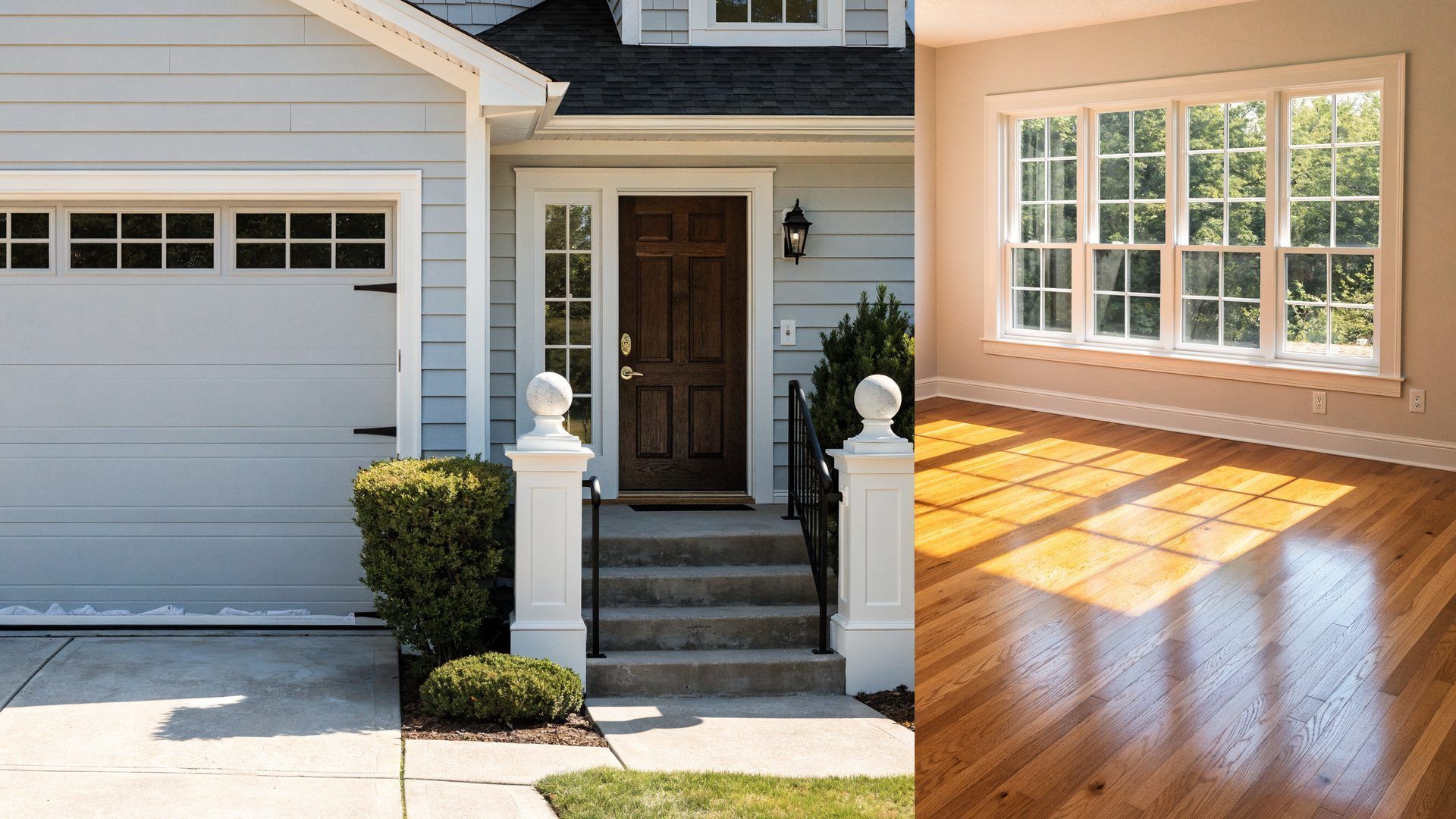
Exterior painting typically costs $4,000-$8,000 for an average home and can return $3,500-$7,000 in value. The ROI is strong because exterior appearance creates crucial first impressions.
Window Replacement (65-75% ROI)
Full window replacement typically costs $12,000-$20,000 and returns $8,000-$15,000 in value.
Why it works: New windows improve energy efficiency, reduce drafts, improve appearance from both inside and outside, and signal to buyers that the home has been maintained.
Door Replacement (Entry Door: 75-85% ROI)
Replacing your entry door costs $1,500-$3,500 and returns $1,200-$3,000 in value.
Why it works: Like exterior paint, the entry door creates first impressions. A beautiful, secure entry door enhances curb appeal at relatively low cost.
Deck Addition (60-70% ROI)
Adding a wood or composite deck costs $10,000-$20,000 and returns $6,000-$14,000 in value.
Why it works: Outdoor living space appeals strongly to buyers, especially in areas with good weather portions of the year. Decks extend usable living space and create entertainment areas that buyers value.
Medium-ROI Projects: Maintaining Value
These renovations typically return 50-65% of their cost but are often necessary to sell your home competitively.
Major Kitchen Remodel (50-65% ROI)
Full kitchen renovations with layout changes, new cabinets, appliances, flooring, lighting, and finishes cost $60,000-$100,000+ and return $30,000-$65,000 in value.
Why the lower ROI: At this investment level, you're often exceeding what's recoverable in many Somerset County neighborhoods. The kitchen functions beautifully and looks stunning, but you won't recoup the full cost at resale.
The trap: Over-improving beyond neighborhood standards. If comparable homes have $30,000 kitchens, your $80,000 kitchen won't return proportional value.
Master Suite Addition (50-60% ROI)
Adding a master suite costs $100,000-$200,000 and returns $50,000-$120,000 in value.
Why the lower ROI: This is expensive construction work, and you're adding square footage that may not be valued proportionally to cost in your market.
When it makes sense:
- Your home lacks a proper master suite, and this limits marketability
- You're in a high-value neighborhood where this is standard
- You plan to stay long-term
When to skip it:
- Your home is already appropriately sized for the neighborhood
- The addition would make your home significantly larger than comparable properties
Basement Finishing (50-60% ROI)
Finishing a basement costs $30,000-$70,000 and returns $15,000-$42,000 in value.
Why the mixed ROI: Buyers value finished basements but often discount the space compared to above-ground square footage. Quality matters significantly here.
What matters:
- Proper moisture control and waterproofing
- Adequate ceiling height (below 7 feet feels oppressive)
- Egress windows for legal bedrooms
- Quality finishes that don't feel like "basement space."
When it makes sense:
- Your home lacks adequate living space
- Moisture and structural issues are already resolved
- You'll use the space extensively before selling
Attic Conversion (50-60% ROI)
Converting attic space to a living area costs $40,000-$80,000 and returns $20,000-$48,000.
Why the challenges: Similar to basements, attic space is typically valued less than main-floor space, additionally, proper conversion requires adequate ceiling height, access, HVAC extension, and compliance with building codes.
When to consider:
- You need additional space and can't build out
- The attic has good ceiling height and structure
- You're in a market where finished attics are common and valued
Low-ROI Projects: Proceed with Caution
These renovations typically return less than 50% of the investment and should only be done for personal enjoyment, not resale value.
Home Office Renovation (40-50% ROI)
Converting space to a dedicated home office costs $15,000-$30,000 but returns only $6,000-$15,000 in value.
Why the poor ROI: Office needs are highly personal. What works perfectly for you may not suit the next buyer. Additionally, removing a bedroom or other flexible space to create an office can actually decrease value.
When it makes sense:
- You work from home extensively and will use it for years
- You're not eliminating bedrooms or other valuable spaces
- The conversion is relatively simple and doesn't involve expensive built-ins
Luxury Primary Bathroom (40-50% ROI)
High-end master bathroom renovations costing $40,000-$80,000 return only $16,000-$40,000 in value.
Why you lose money: Luxury features like steam showers, high-end fixtures, heated floors, and exotic materials appeal to some buyers, but many won't pay premiums for them.
The principle: Bathrooms need to be clean, modern, and functional. Beyond that, luxury features don't return proportional value.
Swimming Pool Addition (25-50% ROI)
In-ground pools cost $40,000-$80,000 but return only $10,000-$40,000 in value, and sometimes decrease home value.
Why pools are risky:
- They appeal to some buyers but turn off others (families with small children, buyers who don't want maintenance)
- Ongoing costs concern buyers
- Climate matters (pools in Florida add more value than in New Jersey)
- Insurance and liability concerns
When to install one:
- You'll enjoy it extensively for years
- Comparable homes in your neighborhood have pools
- You're not counting on recovering the cost
Sunroom Addition (30-50% ROI)
Three-season or four-season sunroom additions cost $25,000-$60,000 but return only $8,000-$30,000.
Why the low return: Sunrooms are expensive to build properly, but buyers often view them as bonus space rather than essential square footage. Poor construction that doesn't integrate well with the home's HVAC and insulation makes them uncomfortable and less valuable.
Upscale Garage Addition (40-50% ROI)
Building or expanding a garage costs $30,000-$60,000+ but returns $12,000-$30,000.
Why it doesn't pay back: Garages are utilitarian. Buyers value having adequate parking and storage, but premium features don't return premium value.
Exception: Going from no garage to a garage in markets where this is expected can have better ROI. Going from a two-car to a three-car garage in luxury markets can also work. But fancy finishes don't pay back.
High-End Landscaping (30-50% ROI)
Elaborate landscaping projects costing $20,000-$50,000 return only $6,000-$25,000 in value.
Why the poor return: Landscaping has diminishing returns. Moving from poor to good landscaping adds significant value. Moving from good to elaborate adds much less.
What happens: Tastes vary dramatically. Your expensive water feature or elaborate garden may not appeal to the next buyer. Maintenance concerns also limit how much buyers are willing to pay for complex landscaping.
What Not to Renovate for Resale
If maximizing home value is your goal, avoid these renovation mistakes:
Converting Bedrooms
Removing bedrooms—to create offices, gyms, closets, or combined spaces—often decreases value. Bedroom count matters significantly to buyers, especially families.
Exception: Converting a tiny, awkward bedroom that barely functions into a bathroom or useful space may add value, but only if the home has adequate remaining bedrooms.
Highly Specific Hobby Spaces
Wine cellars, home theaters, craft rooms, and other highly specific spaces appeal to narrow buyer segments. Most won't pay premiums for them.
If you'll use these spaces extensively, build them for your enjoyment, not expecting to recoup costs.
Over-the-Top Custom Work
Custom built-ins, elaborate woodwork, and other expensive custom features reflect personal taste. Future buyers may not share your aesthetic or needs.
Standard, quality finishes appeal more broadly and return value more reliably.
Trendy Design Choices
That ultra-modern kitchen or industrial-style bathroom might be trendy now but could look dated in five years.
Classic, timeless design choices maintain value better than following trends closely.
Inferior Materials to Save Money
Using cheap materials to save renovation costs backfires. Buyers recognize quality (or lack thereof), and low-quality renovations don't add commensurate value.
It's better to do a smaller project with quality materials than a larger project with cheap ones.
Maintenance vs. Improvement
Not all spending on your home counts as renovation. Regular maintenance is necessary but doesn't add value—it prevents value loss.
Necessary Maintenance
These don't increase value, but failing to do them decreases it:
- Roof replacement when needed
- HVAC system repairs or replacement at the end of life
- Plumbing and electrical repairs
- Foundation and structural repairs
- Exterior maintenance (paint, siding, gutters)
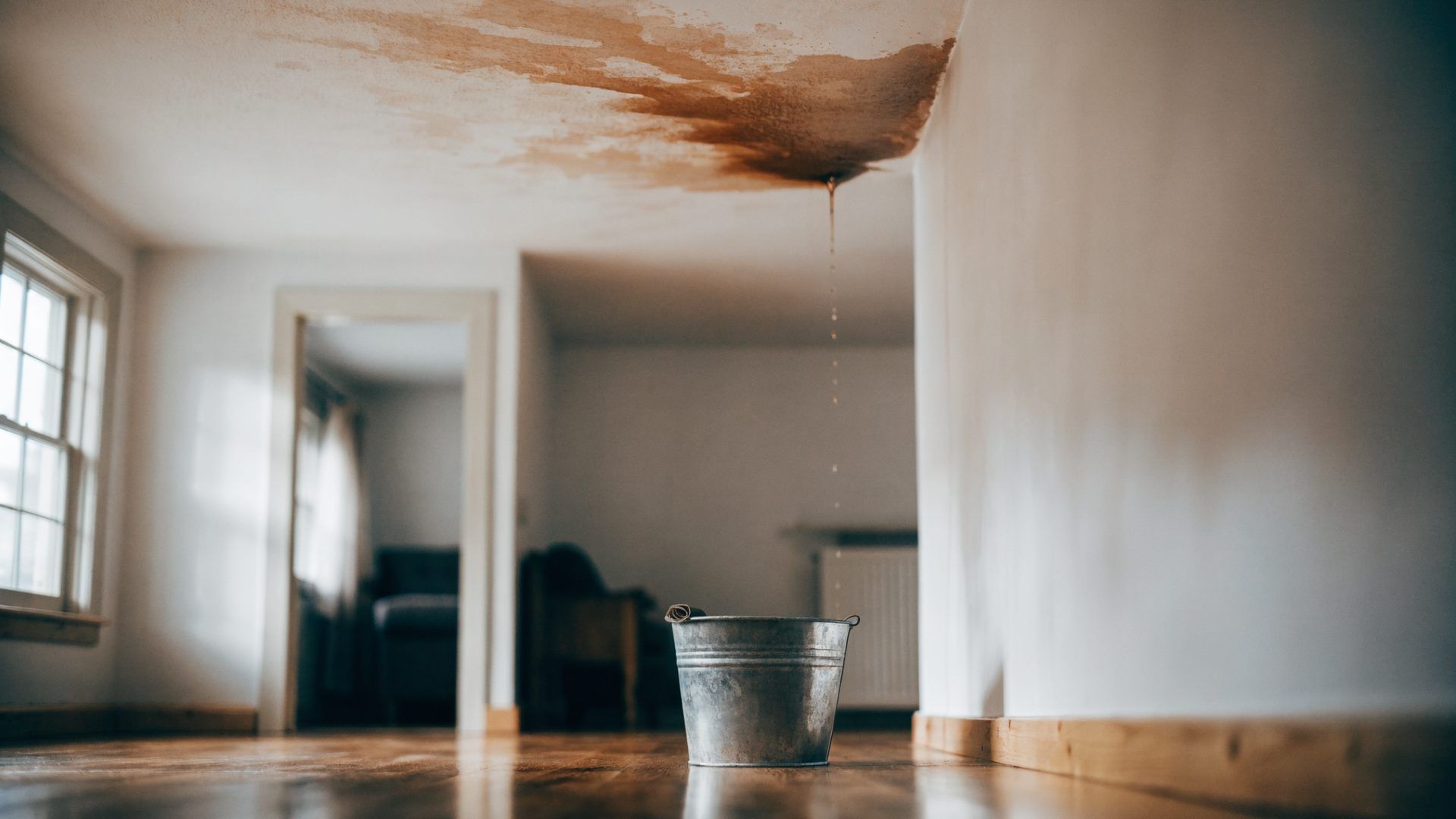
- Damage repair from storms, leaks, or accidents
Save for Quality Work
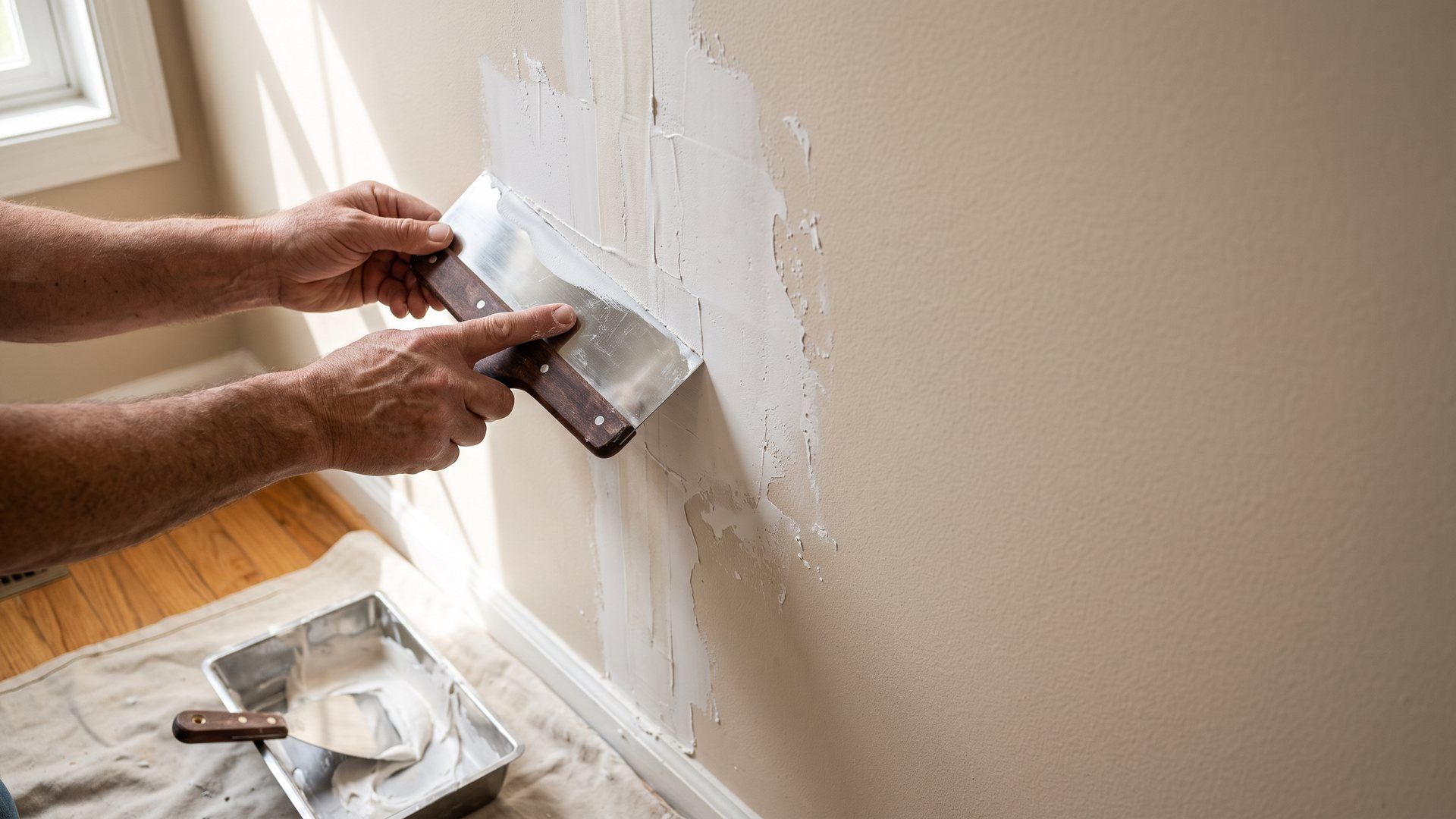
It's better to wait and save for a professional-quality renovation than to cut corners or DIY projects beyond your skill level.
In many cases, poor-quality work returns less value than not renovating at all.
Get Multiple Estimates
Talk to several contractors to understand typical costs for your projects. Unusually low bids often mean corners will be cut. Unusually high bids may indicate over-engineering or inflated pricing.
Fair market pricing with quality work delivers the best renovation ROI.
Conclusion: Renovate Strategically
Not all home renovations are created equal in terms of return on investment. Some add significant value, some maintain value without profit, and others lose money at resale.
The key to maximizing home renovation ROI in Somerset County is strategic thinking:
Choose projects that address buyer priorities - Kitchens, bathrooms, condition, and curb appeal matter most.
Match your neighborhood - Don't dramatically over-improve beyond comparable homes.
Focus on quality and condition - Well-maintained, clean, and modern beats luxury features.
Remember that the best renovation is often the one that makes your home competitive with what's selling successfully in your market, not the one that exceeds everything around you.
Plan Your Value-Adding Renovations
Ready to renovate strategically to increase your home's value? Want professional guidance on which projects make sense for your home and neighborhood?
Contact Jeff of All Trades Home Improvement for honest assessment and quality renovation work:
Phone: 908-963-3533
Email: jeffofalltradeshandymanservice@gmail.com
Smart renovations start with understanding what actually adds value—then executing those projects with quality that buyers recognize and appraisers reward.