

NJ DIY vs Pro Electrical Repairs: Safety, Codes, and Warranties
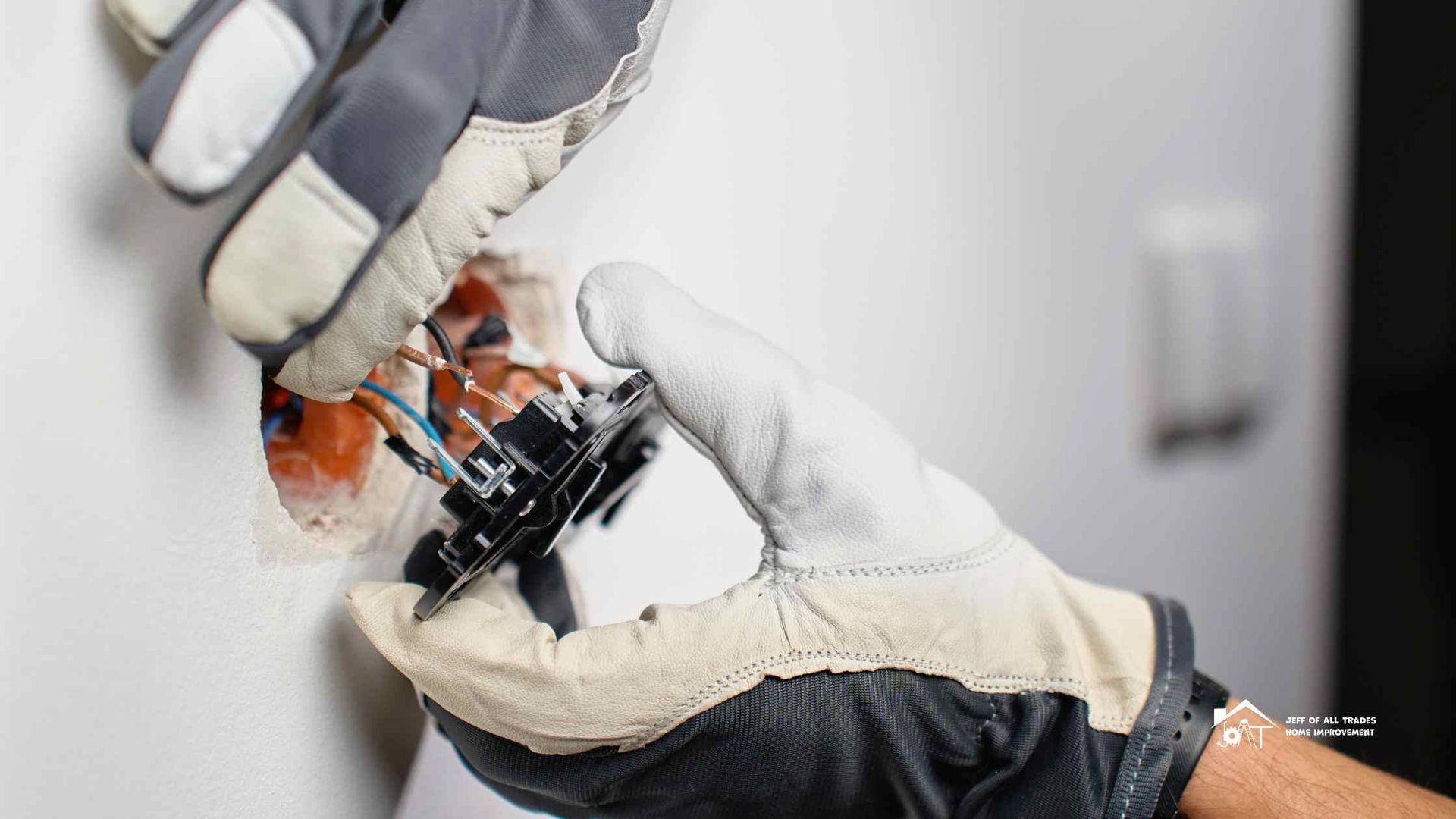
Last month, a homeowner in Bernardsville called me in a panic. He'd attempted to install a new ceiling fan himself to save money. Seemed simple enough: disconnect the old fixture, wire up the new fan, flip the breaker back on. Except when he flipped that breaker, nothing happened. The fan didn't work, and now half the outlets in two rooms were dead too.
After some troubleshooting, I discovered he'd created a short circuit that damaged the circuit breaker. He'd also connected wires incorrectly, creating a serious fire hazard that could have burned his house down while his family slept. What started as a $200 professional installation to save money turned into a $650 emergency repair, plus the stress of knowing he'd endangered his family.
This isn't about scaring you or drumming up business. It's about helping you make informed decisions that keep your family safe, protect your home's value, and avoid costly mistakes. Some electrical work is reasonable for knowledgeable DIYers. Much of it isn't. Let's talk about the difference.
Understanding New Jersey Electrical Codes and Laws
Before we discuss specific projects, you need to understand the legal framework around electrical work in New Jersey. This isn't just bureaucratic red tape; these laws exist because improper electrical work kills people and destroys homes every year.
New Jersey Electrical Code Requirements
New Jersey follows the National Electrical Code (NEC) with some state-specific amendments. This comprehensive set of standards covers everything from wire sizing to circuit protection to proper grounding. The code is updated every three years to incorporate new safety standards and address emerging issues.
Here's what most homeowners don't realize: just because you can physically do electrical work doesn't mean you're legally allowed to. New Jersey law is very specific about who can perform electrical work and under what circumstances.
Who Can Legally Perform Electrical Work
In New Jersey, electrical work must be performed by licensed electricians, with one important exception. Homeowners can perform electrical work on their own primary residence that they occupy. You cannot do electrical work on:
- Rental properties you own
- Investment properties
- Your second home or vacation property
- Properties you're flipping
- Anyone else's home
Even for work on your own home, there are limitations and requirements we'll discuss shortly. The key point is that New Jersey takes electrical licensing seriously. Unlicensed contractors performing electrical work face serious penalties, and homeowners who hire them can face liability issues.
Permit Requirements
Most electrical work in New Jersey requires permits, even when homeowners do the work themselves. This includes:
- Adding new circuits
- Installing new outlets or switches
- Upgrading electrical panels
- Installing permanent fixtures
- Running new wiring
- Any work that involves opening walls to access electrical systems
Some minor work doesn't require permits, such as replacing a light bulb, swapping a broken outlet cover, or replacing a like-for-like light fixture. But anything more substantial requires a permit from your local building department.
Here's why permits matter: they ensure work is inspected by qualified officials who verify it meets code requirements. They create a record that work was done properly, which matters for home sales and insurance claims. And they legally obligate you to do the work correctly.
Skipping required permits creates serious problems:
- Your municipality can fine you
- You may have to tear out and redo work that doesn't meet code
- Your homeowner's insurance might deny fire claims if unpermitted electrical work caused the problem
- You'll have disclosure issues when selling your home
- Your home's value can be negatively affected
I've seen homeowners discover during home sales that previous owners did unpermitted electrical work. It creates negotiation headaches, potential liability, and sometimes requires expensive corrections before the sale can proceed.
Inspection Requirements
When you pull electrical permits, inspections are mandatory. An electrical inspector will examine your work at specific stages, typically rough-in (before walls are closed) and final (after everything is complete).
Inspectors check that:
- Wire sizes are appropriate for the loads
- Circuits are properly protected
- Grounding is correct
- Boxes are properly sized and secured
- Clearances meet code requirements
- Connections are secure and proper
- GFCI and AFCI protection is installed where required
If your work doesn't pass inspection, you'll need to correct the issues and schedule a re-inspection. This is frustrating for DIYers who thought they did everything right but missed code requirements they weren't aware of.
Professional electricians know the code inside and out. We design work to pass inspection the first time, saving time and hassle.
The Real Dangers of DIY Electrical Work
Electrical work is fundamentally different from other home improvement projects. Mess up tile installation, and you have an ugly floor. Mess up electrical work, and you can kill someone or burn your house down. The stakes are completely different.
Electrocution Risk
Electricity can kill you instantly. It doesn't take much, as little as 50 milliamps (0.05 amps) across the heart can cause cardiac arrest. A standard household circuit provides 15-20 amps, 300-400 times more than needed to kill.
Every year, hundreds of Americans die from electrical accidents, and thousands more suffer serious injuries, including burns, falls (from shock, causing them to fall from ladders), and permanent nerve damage.
Common mistakes that lead to electrocution:
- Assuming a circuit is off without properly testing it
- Not understanding that multiple circuits might feed a single junction box
- Touching live wires with wet hands or while standing on wet surfaces
- Using improper tools that aren't insulated
- Working on service panels without understanding the dangers
Professional electricians use proper safety equipment, test circuits thoroughly before touching anything, and understand exactly where electrical current is present. We also carry insurance that covers accidents, which doesn't help you if you're dead but matters to your family.
Fire Hazards
Faulty electrical work is one of the leading causes of house fires in the United States. The National Fire Protection Association estimates that electrical failures or malfunctions cause over 45,000 home fires annually, resulting in hundreds of deaths and over a billion dollars in property damage.
The scary thing about electrical fires is that they often start inside walls, where you can't see problems developing. By the time you notice smoke, the fire may have spread extensively. Many electrical fires occur at night, when families are asleep and most vulnerable.
I've responded to several electrical fire situations. In one case, a homeowner had spliced wires in a junction box buried in insulation in his attic. The poor connection generated heat, which ignited the insulation and spread to the roof framing. Fortunately, the fire was discovered quickly, but the damage was extensive, with over $30,000 in repairs.
The homeowner's insurance company investigated the cause and discovered the unpermitted DIY electrical work. They covered some of the damage, but not all, and the homeowner's rates increased dramatically. That "free" DIY electrical work ended up being incredibly expensive.
Damage to Property and Equipment
Even when DIY electrical work doesn't cause fires or injuries, it frequently damages property and equipment. Incorrect wiring can:
- Damage expensive appliances and electronics through voltage irregularities
- Cause outlets and fixtures to fail prematurely
- Create power quality issues throughout your home
- Damage your electrical panel
- Burn out other circuits through improper connections
I've seen homeowners destroy $2,000 refrigerators, $1,500 computers, and expensive home theater equipment through improper electrical work. The appliances themselves might have cost less than hiring a professional electrician, making the DIY attempt a costly mistake.
Long-Term Hidden Damage
Some electrical mistakes don't cause immediate problems but create ticking time bombs. Connections that seem fine initially can degrade over months or years due to:
- Corrosion from moisture that got into improperly sealed boxes
- Loosening connections as wires heat and cool with use
- Insulation breakdown from overheating
- Vibration slowly separates inadequately secured connections
You might do DIY electrical work and think everything is fine because it "works." But three years later, a hidden problem you created causes a fire that destroys your home. This delayed consequence makes it hard to connect the fire back to the DIY work, but the cause-and-effect relationship is real.
Professional electricians make connections that last for decades because we follow proper procedures, use high-quality materials, and understand how electrical systems age.
Common DIY Electrical Mistakes
Having fixed hundreds of DIY electrical disasters, I've seen certain mistakes repeatedly. Here are the most common errors that create safety hazards and code violations:
Incorrect Wire Connections
Proper wire connections require more than just twisting wires together. Connections must be mechanically secure before adding wire nuts; wires must be properly stripped (not too much, not too little), and the wire nut must be sized correctly for the number and gauge of wires.
DIYers often:
- Strip too much insulation, leaving bare wire exposed outside the wire nut
- Fail to twist wires together before applying the wire nut
- Use wire nuts that are too small or too large
- Mix copper and aluminum wires without proper connectors
- Make connections outside of proper junction boxes
- Splice wires in walls without accessible junction boxes
Every one of these mistakes creates fire or shock hazards.
Improper Grounding
Grounding is critical for safety, yet it's frequently done wrong in DIY projects. Ground wires provide a safe path for electrical current in fault conditions, preventing shocks and fires.
Common grounding mistakes:
- Not connecting ground wires at all
- Connecting ground wires to neutral wires (creating dangerous conditions)
- Using improper grounding methods for metal boxes
- Not grounding metal faceplates on outlets
- Cutting ground wires too short to work with
- Not maintaining ground continuity through junction boxes
Improper grounding might not cause immediate problems, but it means protection isn't there when something goes wrong. A ground fault that should trip a breaker safely instead energizes metal parts of your electrical system, creating serious shock hazards.
Wrong Wire Sizes
Wire size must match the circuit breaker size and the expected electrical load. Use a wire that's too small, and it will overheat, potentially causing fires. This is one of the most dangerous DIY mistakes.
The NEC specifies minimum wire sizes for different amperage circuits:
- 14-gauge wire: maximum 15-amp circuits
- 12-gauge wire: maximum 20-amp circuits
- 10-gauge wire: maximum 30-amp circuits
- And so on for larger loads
DIYers often:
- Extend 15-amp circuits with 14-gauge wire when the circuit breaker is actually 20 amps
- Use undersized wire for appliances with high power demands
- Fail to account for voltage drop on long wire runs
- Don't understand that wire sizing depends on multiple factors beyond just amperage
I've found 14-gauge wire used on 20-amp circuits countless times. It "works" in that power flows through it, but the wire can overheat under heavy load, degrading insulation and creating fire risks.
Overloading Circuits
Modern homes use far more electricity than homes built 30-40 years ago. Adding outlets and devices to existing circuits without accounting for the total load often causes overload.
Each circuit has a maximum capacity based on the breaker size. DIYers often add outlets, lights, or appliances without calculating whether the circuit can handle the additional load. The breaker might not trip immediately because the overload isn't severe enough, but the circuit is operating beyond safe parameters.
This is particularly common in kitchens, where homeowners add outlets for countertop appliances without realizing they're overloading the circuit. Modern refrigerators, microwaves, coffee makers, and toasters draw significant power. Running multiple items simultaneously on an overloaded circuit generates heat, which, over time, damages wiring insulation.
Improper Box Sizing
Electrical boxes must be sized based on the number and size of the wires they contain. This prevents overcrowding, which makes proper connections difficult and creates heat buildup. The NEC has specific box fill calculations based on wire count and size.
DIYers typically ignore box fill requirements, cramming as many wires as will physically fit into standard boxes. This makes connections difficult, increases the chance of damaged insulation, and creates heat problems.
I've opened boxes that were so overstuffed it was nearly impossible to remove the outlet or switch without damaging wires. This is a clear code violation and safety hazard.
Missing GFCI and AFCI Protection
Ground Fault Circuit Interrupter (GFCI) protection is required in areas where water and electricity might interact, such as bathrooms, kitchens, outdoors, garages, unfinished basements, and other locations. Arc Fault Circuit Interrupter (AFCI) protection is required in most living spaces to protect against arc faults that can cause fires.
DIYers often:
- Don't install GFCI protection where required
- Install standard outlets where GFCI outlets are needed
- Don't understand the difference between GFCI outlets and GFCI breakers
- Fail to install AFCI breakers when adding circuits in living areas
- Wire GFCI outlets incorrectly, so they don't provide protection
These protective devices save lives and prevent fires. Skipping them is dangerous and violates the code.
Ignoring Clearance Requirements
The NEC specifies clearance requirements around electrical equipment to ensure safe access and prevent contact with energized parts. This includes clearances for:
- Electrical panels (36 inches minimum in front, 30 inches wide clear space)
- Outlets near sinks and water sources
- Wiring near heat sources
- Boxes and connections in attics and crawl spaces
DIYers often ignore these requirements, placing electrical equipment where it's convenient rather than where it's safe and legal.
Mixing Old and New Methods
Electrical standards have evolved significantly over the decades. Methods that were acceptable 40 years ago are now prohibited. When working on older homes, DIYers often continue using outdated methods without realizing modern code requires different approaches.
Examples include:
- Not updating two-prong outlets to properly grounded three-prong outlets
- Using old cloth-insulated wiring methods
- Not installing proper boxes where old wiring splices exist
- Mixing old knob-and-tube wiring with modern wiring improperly
Professional electricians understand how to properly update old electrical systems to meet current code while maintaining functionality.
When DIY Electrical Work Might Be Reasonable
I'm not suggesting homeowners should never touch electrical systems. Some electrical work is relatively safe and reasonable for knowledgeable DIYers who follow proper procedures. Here's what might be okay:
Truly Simple Replacements
- Replacing a light bulb (obviously)
- Swapping a broken outlet cover or switch plate
- Replacing a damaged light fixture with an identical one (same wiring, same mounting)
- Replacing a worn-out outlet or switch with an identical replacement
Even for these simple tasks, you need to turn off power at the breaker, test that power is actually off with a voltage tester, and understand basic wiring conventions (which wire is hot, neutral, and ground).
Minor Work With Proper Knowledge
If you have genuine electrical knowledge, not just YouTube videos but actual training or extensive experience, some additional work might be reasonable:
- Installing GFCI outlets to replace standard outlets (following all code requirements)
- Adding a single outlet to an existing circuit with adequate capacity
- Installing basic lighting fixtures
- Running low-voltage wiring (like doorbell systems, though even these have requirements)
However, even for this work, permits may be required depending on the scope. And "adequate knowledge" means understanding not just how to physically do the work but how to do it safely and to code.
When You Absolutely Need a Professional
Licensed professionals should always do the following electrical work:
- Anything involving the electrical service panel
- Upgrading electrical service (going from 100-amp to 200-amp service, for example)
- Installing or replacing circuit breakers
- Adding new circuits
- Any work involving 240-volt circuits (for dryers, ranges, HVAC, etc.)
- Installing generators or transfer switches
- Running wiring through walls, especially between floors
- Anything requiring permits (which is most substantial electrical work)
- Work in older homes with outdated wiring systems
- Outdoor electrical work
- Pool, hot tub, or other water feature wiring
- Anything you're uncertain about
For these projects, the risks and complexity make professional installation essential. The cost of proper professional work is far less than the potential cost of mistakes.
The Insurance and Liability Issues
Many homeowners don't consider insurance implications when deciding to DIY electrical work. These implications are serious and can be financially devastating.
Homeowner's Insurance Coverage
Your homeowner's insurance policy covers damages from many causes, but coverage often has exceptions for damages resulting from unpermitted or improper work. If a fire or other electrical problem occurs and the insurance company's investigation reveals unpermitted DIY electrical work caused the issue, they may deny your claim.
Even if they don't deny the entire claim, they might reduce the payout, arguing that your negligence contributed to the damages. Either way, you're left covering high costs out of pocket.
I've personally witnessed several instances in which insurance companies reduced payouts or denied claims after discovering unpermitted electrical work. In one case, a homeowner lost over $80,000 in coverage because his DIY electrical work (which saved him maybe $500) caused a fire that damaged two rooms.
Liability for Future Owners
If you do DIY electrical work and later sell your home, you can face liability issues if problems emerge after the sale. Most states require sellers to disclose known defects, and electrical problems definitely qualify as such.
If you did unpermitted electrical work, future buyers discovering this during home inspections can:
- Demand that you bring everything up to code before closing
- Negotiate significant price reductions
- Walk away from the purchase entirely
- Sue you after closing if undisclosed electrical problems cause damage
Proper permitted work creates a paper trail showing the work was done legally and inspected. This protects you and adds value to your home.
Personal Liability
If your DIY electrical work causes problems that injure others or damage their property, you face personal liability. Your homeowner's insurance likely won't cover damages you caused through unlicensed work that professionals should have done.
Imagine your electrical work causes a fire that spreads to your neighbor's home. Your neighbor's insurance pays for their damages, then potentially sues you to recover those costs. Without insurance coverage for your negligent DIY work, you're personally liable for potentially hundreds of thousands of dollars.
This isn't theoretical. I've known homeowners who faced exactly this situation. The financial and emotional stress is devastating.
Professional Liability Insurance
When you hire a licensed professional like me, my work is covered by professional liability insurance. If something goes wrong despite proper procedures, which is rare but possible, insurance covers damages. This protects both you and me.
DIYers have no such protection. Any problems are entirely your financial responsibility.
The Real Cost Comparison
Many homeowners choose DIY electrical work primarily to save money. Let's look at whether that actually makes financial sense.
Upfront Cost Comparison
Yes, DIY is cheaper upfront; you're only paying for materials, not labor. A project that costs $400 in materials and $600 in professional labor seems like an obvious $600 savings by doing it yourself.
But this calculation ignores several factors:
Time Investment
How long will the project take you versus a professional? What's your time worth? If a pro can do in three hours what takes you twelve hours (including research, trips to the hardware store, and fixing mistakes), are you really saving money?
Let's say you make $50/hour at your job. Nine extra hours of your time represent $450 in opportunity cost. Suddenly, that $600 "savings" is only $150, and that's assuming nothing goes wrong.
Tool and Material Costs
Professionals already own the necessary tools and know exactly what materials are needed. DIYers often need to buy tools they'll rarely use again and frequently make extra trips to buy additional materials or replace parts they damaged.
These extra costs add up quickly. That $600 savings might be $300 after accounting for tools and extra materials.
Permit and Inspection Fees
If permits are required (and they usually are for electrical work), you'll pay permit fees whether you DIY or hire a pro. But when hiring a professional, permit fees are typically included in the quote. DIYers must navigate the permitting process themselves, which can be confusing and time-consuming.
Risk Costs
What's the financial value of the risks you're taking? The cost of potential:
- Property damage from electrical problems
- Injury requiring medical treatment
- Insurance claim denials
- Future sale complications
- Having to hire a pro to fix your mistakes
These risk costs are hard to quantify but very real. One house fire wipes out any savings from a lifetime of DIY electrical projects.
Long-Term Value
Professional electrical work done to code and properly inspected adds value to your home. DIY work, even if functional, may be viewed negatively by future buyers if it's not properly documented and permitted.
Permitted professional work provides documentation that electrical systems are safe and compliant. This matters during home sales and adds tangible value.
The Fix-It-Twice Scenario
I regularly meet homeowners who attempted DIY electrical work, couldn't get it to work correctly, and ultimately called me to finish or fix it. Now they're paying for materials twice, plus the professional labor they tried to avoid, making the total cost higher than it would have been if they'd hired me from the start.
When homeowners ask me to fix failed DIY attempts, I often need to undo their work completely and start fresh because their mistakes make it harder to do things right. This increases labor costs beyond what the original job would have required.
True Cost Comparison Example
Let's look at a real example, installing a new outdoor outlet with GFCI protection:
DIY Costs:
- Materials: $85 (outlet, box, wire, breaker, connectors, etc.)
- Permit: $50
- Additional trip to hardware store: $10 gas
- Voltage tester purchase: $25
- Wire strippers purchase: $15
- Time: 6 hours (research, work, inspection coordination)
- Risk cost: Unquantifiable but real
Total: $185 + 6 hours of your time + risk
Professional Costs:
- Complete installation, including materials, permit, labor, and inspection: $425
Difference: $240 + 6 hours of your time
If your time is worth $40/hour, the real difference is only $240 versus $240 (6 hours × $40). You're essentially working for zero dollars per hour with all the risk on your shoulders.
This math changes the calculation significantly. Professional work often makes financial sense even purely on cost, before considering safety and quality benefits.
What Professional Electricians Provide
When you hire a licensed professional for electrical work, you're getting far more than just someone to do the work physically. Here's what professional service includes:
Expertise and Knowledge
Licensed electricians complete extensive training, typically four to five years of apprenticeship plus classroom education. We study electrical theory, the National Electrical Code, local amendments, safe work practices, and hands-on skills.
This education means we:
- Understand how electrical systems work at a fundamental level
- Know current code requirements and how they apply to your specific project
- Can troubleshoot problems systematically when issues arise
- Recognize potential problems before they become actual problems
- Can design electrical systems that are safe, efficient, and expandable
YouTube videos can't replace years of professional education and experience.
Proper Tools and Equipment
Professional electricians invest thousands of dollars in quality tools designed specifically for electrical work. We have:
- Voltage testers and multimeters for safely verifying power status
- Insulated tools rated for electrical work
- Wire strippers, cutters, and crimpers are designed for precision
- Fish tapes and other specialized tools for running wire
- Safety equipment, including insulated gloves and proper footwear
- Code books and reference materials
Having the right tools makes work safer, faster, and more precise.
Permits and Inspections
Professional electricians handle the entire permitting process. We:
- Pull necessary permits on your behalf
- Schedule required inspections
- Coordinate timing so inspections happen at appropriate stages
- Understand what inspectors will look for and design work accordingly
- Fix any issues that arise during inspections
This eliminates hassle for you and ensures work is done legally and to code.
Code Compliance
We design and install electrical systems that meet or exceed all code requirements. This isn't just about passing inspection, it's about genuine safety and long-term reliability.
Code compliance matters for safety, insurance coverage, home value, and future sale. Professional work provides documentation that everything was done right.
Warranty and Guarantee
Professional electricians stand behind our work. When you hire Jeff's Home Improvement, I guarantee the work will be done correctly and to code. If any problems arise due to my artistry, I'll fix them at no additional cost.
This guarantee provides peace of mind that DIY work simply cannot offer.
Insurance and Liability Protection
As mentioned earlier, professional electricians carry liability insurance that protects both you and us if something goes wrong. This insurance transfers risk away from you.
If the unthinkable happens and electrical work causes damage despite proper procedures, insurance handles it. You're not personally liable for damages.
Efficiency
Professional electricians work faster than DIYers because we do this every day. What takes you an entire weekend takes me a few hours. This minimizes disruption to your home and your life.
Faster completion also means less time your electrical system is partially disassembled and potentially hazardous.
Problem Solving
Electrical projects rarely go exactly as planned. Older homes have surprises hidden in the walls. Sometimes the circuit you thought would work for new loads is already maxed out. Occasionally, you discover knob-and-tube wiring that needs to be addressed before new work can proceed.
Professional electricians handle these complications as routine parts of the job. We adapt, problem-solve, and complete the project correctly despite obstacles.
DIYers often get stuck when problems arise, leading to half-completed projects or calls to professionals to bail them out.
Making the Right Choice for Your Project
So how do you decide whether to DIY or hire a professional for electrical work? Here's my honest advice:
Consider These Questions:
- Is the work permitted or routine maintenance? If permits are required, seriously consider hiring a professional. Navigating the permitting and inspection process while also doing the work is challenging.
- Do you have genuine electrical knowledge? Not just "I watched some videos" but actual training or extensive hands-on experience? Be honest with yourself.
- What are the consequences of mistakes? For simple replacements, consequences might be minor. For work involving circuits, panels, or new wiring, consequences can be catastrophic.
- What's your time worth? Factor in the total time, including research, multiple trips to hardware stores, and fixing mistakes. Is this the best use of your time?
- How comfortable are you with the risks? Are you willing to accept personal liability if something goes wrong?
- Will you do it right or just do it? Will you follow all code requirements, pull permits, arrange inspections, and use proper materials and methods? Or will you cut corners?
My Professional Recommendation
For most homeowners, electrical work beyond the simplest replacements should be done by licensed professionals. The safety risks, legal requirements, insurance implications, and complexity make professional services worth the cost.
I understand the appeal of DIY I'm a handy person myself and tackle many home projects. But electrical work is different. The invisible nature of electricity, the severe consequences of mistakes, and the specialized knowledge required put electrical work in a different category than painting, floor tiling, or other projects where mistakes are less dangerous.
Think of it like medical care. You might treat minor cuts and colds yourself, but you go to doctors for serious health issues. Electrical work is similar; simple tasks might be DIY-appropriate, but anything significant requires professional expertise.
When to Definitely Call a Pro
Never attempt DIY electrical work if:
- You're not certain that the power is off, and you know how to verify this
- You don't understand the specific code requirements for the work
- Permits are required, and you're not comfortable navigating that process
- The project involves your electrical panel
- You're working with 240-volt circuits
- The work involves running new circuits or wiring through walls
- Your home has old wiring systems you're not familiar with
- You've started a project and gotten stuck
- You're feeling uncertain or uncomfortable at any point
For any of these situations, call me at 908-963-3533. I'll assess the project, provide a fair quote, and handle everything properly and safely.
What to Expect When Hiring a Professional
If you decide to hire a professional electrician (the smart choice for most electrical work), here's what the process typically involves:
Initial Consultation
Contact me by phone at 908-963-3533 or through my contact page. We'll discuss your project, what you want to accomplish, and any specific concerns or requirements.
On-Site Assessment
I will visit your home to assess the project in person. I review your existing electrical system, identify any issues or additional work needed, and take measurements.
This on-site visit is essential for providing accurate quotes. Electrical work involves hidden elements inside walls and panels that can't be assessed remotely.
Detailed Quote
Based on the assessment, I provide a detailed written quote that includes:
- All materials needed
- Labor costs
- Permit fees
- Timeline for completion
- Payment terms
Q: Can I legally do any electrical work myself in New Jersey, or do I always need a licensed electrician?
New Jersey law allows homeowners to perform electrical work on their own primary residence that they personally occupy. This is an important exception to the general rule that licensed electricians must do electrical work. However, there are significant limitations and requirements you need to understand. First, you can only work on your own home that you live in, not rental properties you own, investment properties, vacation homes, or anyone else's property. Second, even when working on your own home, most substantial electrical work requires permits from your local building department.
Q: What happens if I do electrical work without required permits, and it's discovered during a home inspection when I sell?
This is a common and serious problem that many homeowners face. When you attempt to sell your home, buyers typically hire professional home inspectors who examine the property thoroughly. These inspectors often identify electrical work that appears unpermitted. Visible signs include new circuits, outlets, or wiring that don't match the home's age or aren't listed in permit records. When unpermitted electrical work is discovered, several things can happen, none of them good for you as the seller. First, the buyer will likely demand that you bring all electrical work up to code and obtain proper permits and inspections before closing. This means hiring a licensed electrician to inspect your DIY work, correct any code violations (which DIY work almost always has), pull permits retroactively, and schedule inspections. This process is expensive and time-consuming, often costing significantly more than if the work had been done properly initially.
Q: My DIY electrical work seems to be working fine. How do I know if it's actually safe and up to code?
This is one of the most dangerous assumptions homeowners make about electrical work. Just because electrical work appears to function doesn't mean it's safe or code-compliant. In fact, most electrical hazards are invisible and don't cause immediate problems; they create ticking time bombs that might not manifest for months or years. Electrical current follows the path of least resistance. If you've wired something incorrectly but it still allows current to flow to the device, it will "work" from a functional standpoint.
Final Thoughts on DIY vs Professional Electrical Work
I'm not trying to scare people away from all DIY projects. Home improvement skills are valuable, and many projects are perfect for capable homeowners to tackle themselves. I encourage homeowners to learn skills and take pride in improving their homes.
But electrical work deserves special respect because the consequences of mistakes are so severe. A bad floor tiling job looks ugly. A bad paint job needs redoing. A bad electrical job can kill people and destroy homes.
The peace of mind that comes with professional electrical work is worth the cost. Knowing that work was done by someone who does this every day, who understands the code inside and out, who pulled proper permits and passed inspections, and who carries insurance that protects you, that peace of mind is valuable.
You protect your family, your property, your financial security, and your home's value by investing in professional electrical work. These benefits far outweigh the cost savings of risky DIY attempts.
If you're facing electrical projects in Somerset County, call me at 908-963-3533. I'll provide an honest assessment of your project, fair pricing, and professional work done right the first time. Whether you need handyman services, damage repair, or comprehensive electrical work, I'm here to help.
Don't risk your safety and your home to save a few dollars. Make the smart choice: hire a licensed professional for electrical work. Your family and your home are worth it.