DIY Disaster or Smart Save? When to Call a Professional for Home Repairs in New Jersey
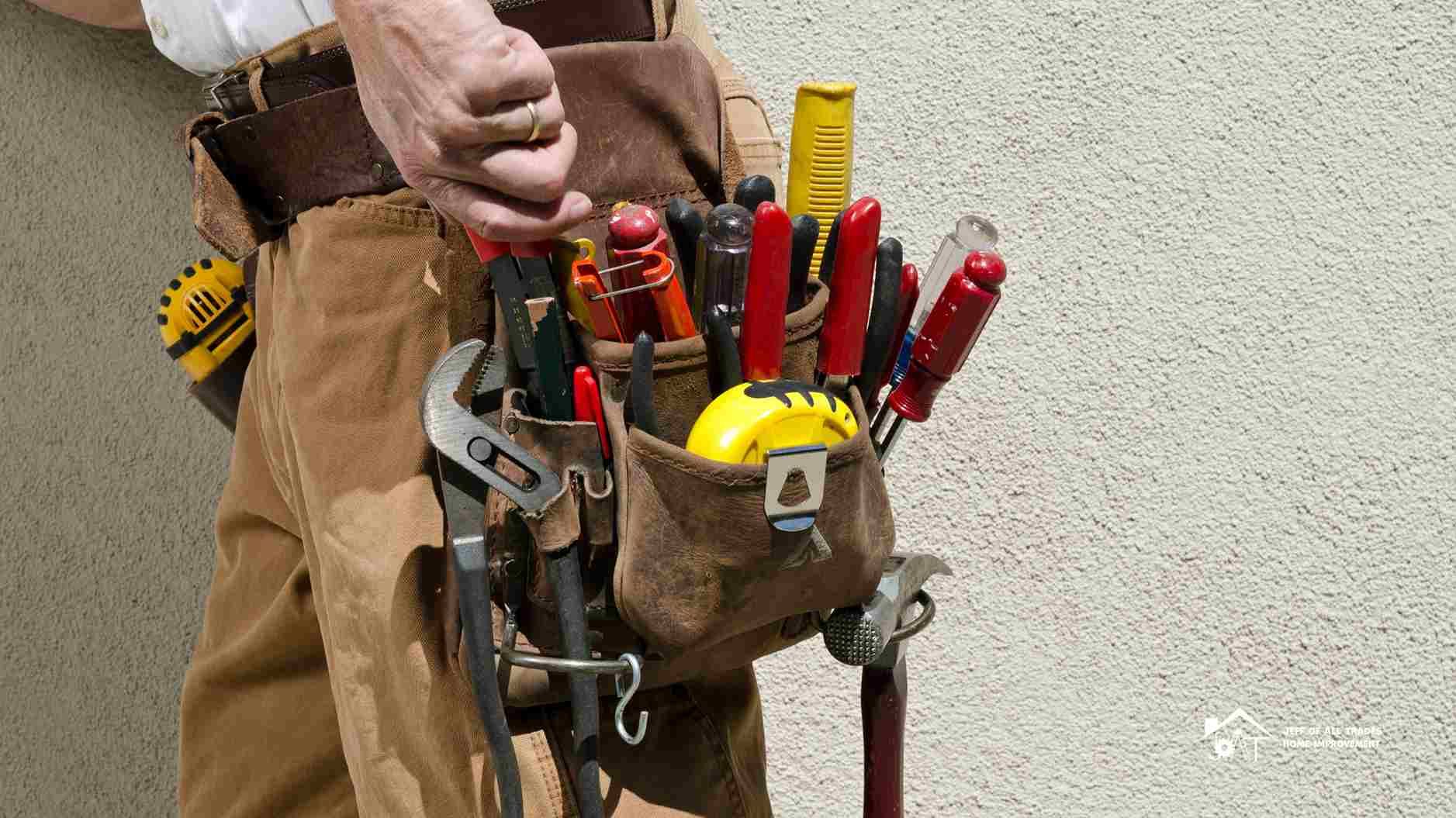
There's something satisfying about fixing things around your house yourself. You save money, learn new skills, and get bragging rights at the next neighborhood barbecue. Plus, with YouTube tutorials making everything look easy, why wouldn't you tackle that bathroom tile job or electrical outlet replacement yourself?
Here's why: Because some DIY projects that seem simple can turn into expensive disasters that cost five times more to fix than they would have cost to do right the first time.
I'm not here to tell you that all DIY is bad. Some home repairs are perfect for handy homeowners. But others? They're traps waiting to spring on unsuspecting do-it-yourselfers who think they can handle anything with enough confidence and a few online videos.
The difference between a smart DIY project and a costly disaster often comes down to knowing where your skills end and professional expertise begins. This article will help you figure out exactly that.
We'll walk through common home repairs, explain which ones you can realistically handle yourself, identify the red flags that scream "call a professional," and show you how to avoid the most common DIY mistakes that New Jersey homeowners make.
By the end, you'll know exactly when to grab your toolbox and when to grab your phone to call Jeff of All Trades Home Improvement.
The True Cost of DIY Gone Wrong
Before we get into specific projects, let's talk about what happens when DIY goes sideways.
YouTube makes everything look easy. Watch a ten-minute video, pause and replay a few times, grab some tools from Home Depot, and you're good to go, right?
The video doesn't show you what to do when you hit unexpected problems. The person in the video has years of experience that lets them work efficiently and troubleshoot on the fly. They have the right tools. They know building codes. They can spot problems before they become disasters.
When your DIY project fails, you're not just out the time you spent on it. You're also paying for:
Materials you bought and ruined - That expensive tile you installed incorrectly? Trash. That drywall you cut wrong? Trash. Failed DIY projects often mean buying materials twice.
Damage you caused trying to fix the original problem - Tried to fix a small plumbing leak and ended up flooding your bathroom? Congratulations, you just turned a $200 repair into a $3,000 water damage situation.
Professional repairs that cost more because they have to fix your mistakes first - Contractors charge more to undo botched DIY work than they would have charged to do the job right initially. They're not punishing you; it just takes more time to fix mistakes than to do things right the first time.
Potential safety hazards: bad electrical work can cause fires. Improper plumbing can lead to water damage and mold. Structural mistakes can compromise your home's integrity. These aren't just expensive, they're dangerous.
Code violations - Many home repairs in New Jersey require permits and inspections. DIY work that doesn't meet code creates problems when you try to sell your house or make an insurance claim.
According to home improvement industry data, roughly 30% of homeowners who attempt DIY projects end up calling professionals to fix their mistakes, often spending 2-3 times as much as the original professional repair would have cost.
That's not a smart save. That's an expensive lesson.
DIY Projects You Can Actually Handle
Not all home repairs require a professional contractor. Some projects are genuinely DIY-friendly if you have basic tools and skills.
Painting Interior Rooms
Interior painting is the classic DIY project for good reason. It's hard to mess up catastrophically, the learning curve is gentle, and you can save significant money by doing it yourself.
Why it's DIY-friendly: The worst that happens is you need another coat or have some uneven coverage. No safety hazards, no code violations, no structural concerns.
What you need: Basic supplies (paint, rollers, brushes, tape, drop cloths), patience, and attention to prep work.
When to call a pro: Exterior painting (safety and expertise needed), high ceilings or stairwells (safety), or if you need perfect results for selling your home.
Replacing Cabinet Hardware
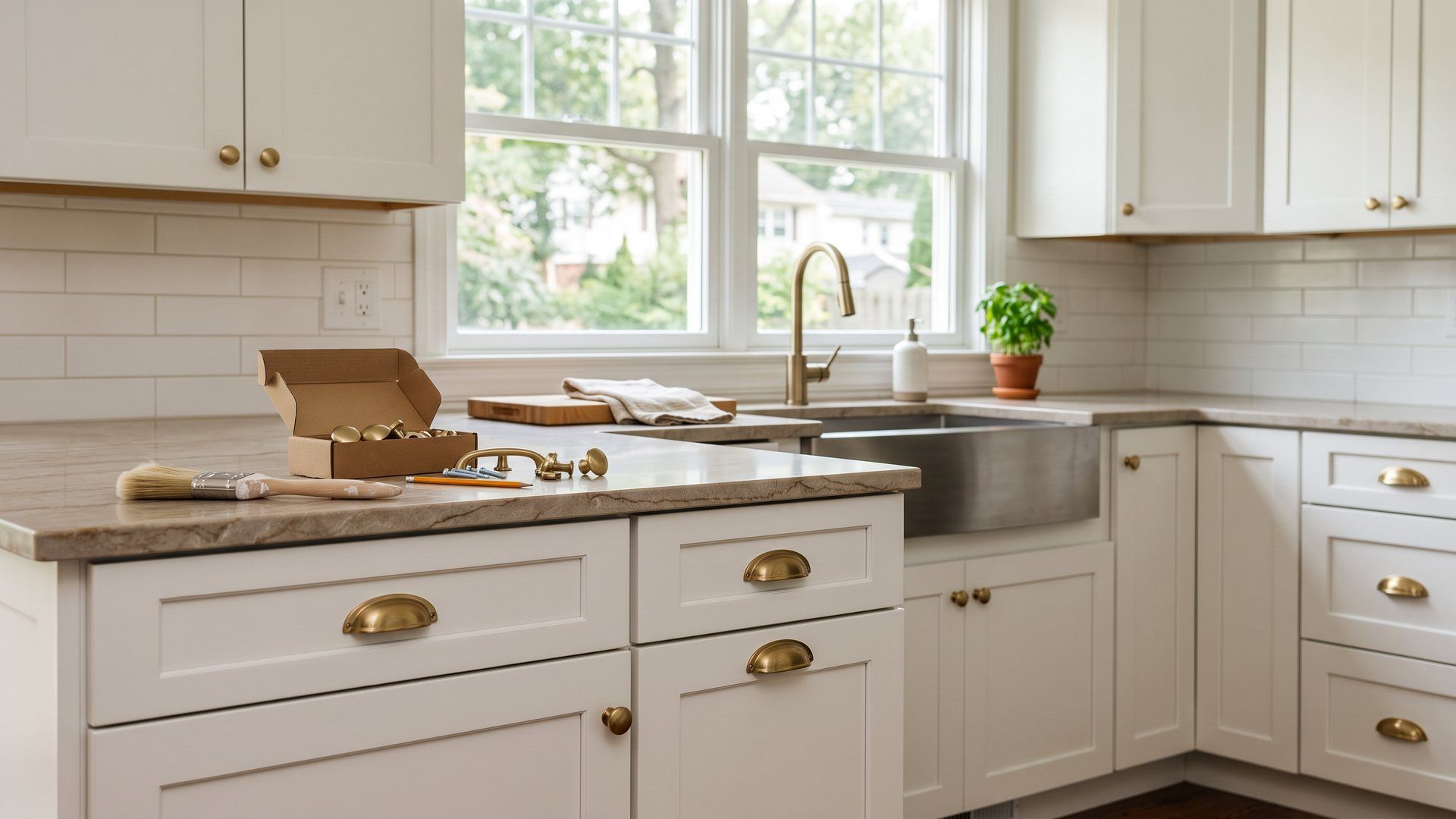
Swapping out old cabinet knobs and pulls for new ones is simple and makes a surprising visual impact in kitchens and bathrooms.
Why it's DIY-friendly: Just screws, if you can use a screwdriver, you can do this.
What you need: A screwdriver, your new hardware, and maybe some wood filler if the new hardware doesn't match the old holes perfectly.
When to call a pro: Never. This is pure DIY territory.
Installing New Light Fixtures (Simple Replacements)
Swapping a basic light fixture for another basic light fixture is manageable for DIYers who are comfortable with simple electrical work.
Why it's DIY-friendly: If you're replacing like-for-like (same mounting style, same wiring), it's straightforward.
What you need: Basic electrical knowledge, proper safety precautions (turning off power at the breaker), wire nuts, and the new fixture.
When to call a pro: If you're changing fixture types, adding new circuits, working with old wiring, or feel uncertain about electrical safety. Electricity is not forgiving of mistakes.
Caulking and Sealing
Recaulking tubs, showers, sinks, and windows is simple maintenance that prevents water damage.
Why it's DIY-friendly: Low stakes, inexpensive materials, and mistakes are easy to fix.
What you need: Caulk gun, appropriate caulk for the application, utility knife to remove old caulk, and painter's tape for clean lines.
When to call a pro: If water damage has already occurred behind the caulk, you need more than just fresh caulk; you need to repair the damage.
Replacing Air Filters and Basic HVAC Maintenance
Changing furnace filters, cleaning vents, and basic system maintenance are homeowner responsibilities.
Why it's DIY-friendly: These are designed for homeowner maintenance with no tools required.
What you need: The correct filter size and maybe a vacuum for cleaning vents.
When to call a pro: For any actual repairs, refrigerant issues, or if your system isn't working properly. HVAC repair requires expertise and specialized equipment.
Minor Drywall Repairs
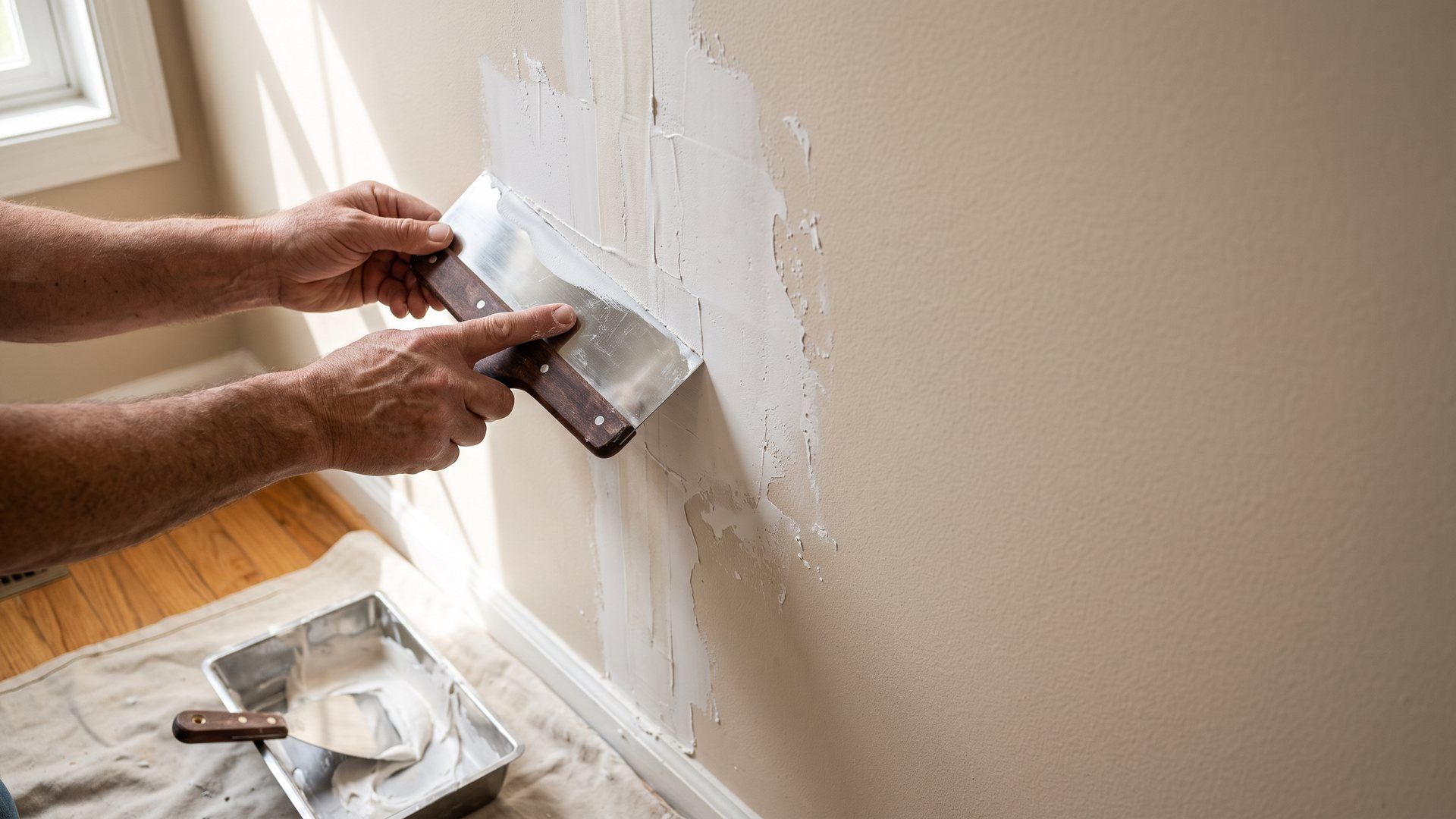
Small holes from nails or minor dings can be patched easily.
Why it's DIY-friendly: Patch kits make this almost foolproof for small repairs.
What you need: Spackle or joint compound, putty knife, sandpaper, and matching paint.
When to call a pro: For large holes, water-damaged drywall, or any repair that involves cutting and replacing sections of drywall.
Replacing Door Hardware
Doorknobs, locks, and hinges are straightforward replacements.
Why it's DIY-friendly: Standard hardware fits standard holes and requires only basic tools.
What you need: Screwdriver, your new hardware, and occasionally a drill if pilot holes need adjustment.
When to call a pro: If doors need rehinging, frames need repair, or you're installing high-security locks that require precise installation.
Basic Landscaping and Yard Work
Mowing, trimming, planting flowers, and basic yard maintenance are obviously DIY.
When to call a pro: For custom walkways, retaining walls, major grading work, or anything involving drainage issues. Jeff of All Trades can help with custom walkways that are properly designed and built to last.
Projects That Look Easy But Aren't
These are the trap projects. They look simple in YouTube videos. They seem like obvious DIY opportunities. Then they go wrong in expensive ways.
Tile Installation (Bathrooms and Kitchens)
The tile looks like simple geometry. Cut pieces, apply adhesive, stick them to walls or floors, and add grout. What could go wrong?
Why it's not DIY-friendly: Everything has to be perfect. If your substrate isn't properly prepared, tiles fail. If your layout isn't precise, you end up with weird cuts and poor aesthetics. If waterproofing isn't done correctly in wet areas, you get water damage behind the tiles. If grout isn't applied properly, it cracks and fails.
What goes wrong: Uneven tiles, cracked tiles, failed grout, water damage behind tiles, ugly cuts and layouts. Fixing failed tile work means ripping everything out and starting over, an expensive lesson.
When to call a pro: Always, for anything beyond replacing a single cracked tile. Professional floor tiling ensures proper substrate prep, waterproofing, layout, and installation that lasts.
Plumbing Repairs Beyond Basic Fixture Replacement
Replacing a faucet? Maybe DIY. Anything involving pipes, drain lines, or water supply lines? Call a pro.
Why it's not DIY-friendly: Plumbing mistakes cause water damage fast. One failed connection, one pipe you crack while working nearby, one seal you don't tighten properly, and you've got water pouring into your walls or floors. New Jersey plumbing codes are strict for good reason.
What goes wrong: Leaks you don't notice until damage is severe, improperly sloped drain lines that clog constantly, connections that fail under pressure, and code violations that create problems during home sales.
When to call a pro: For anything involving supply lines, drain lines, or connections that aren't simple fixture swaps. Professional handyman services handle plumbing repairs correctly the first time.
Electrical Work Beyond Simple Replacements
Swapping one basic light fixture for another basic light fixture? Probably okay if you're careful. Anything else involving electricity? Not DIY.
Why it's not DIY-friendly: Electrical work can kill you. It can also burn your house down. New Jersey requires licensed electricians for most electrical work for very good reasons.
What goes wrong: Fire hazards from improper connections, shock hazards from incorrect wiring, code violations that void insurance coverage, and, in worst cases, actual fires or electrocutions.
When to call a pro: For anything involving new circuits, panel work, running new wiring, installing ceiling fans, or any situation where you're unsure. This is not an area to experiment.
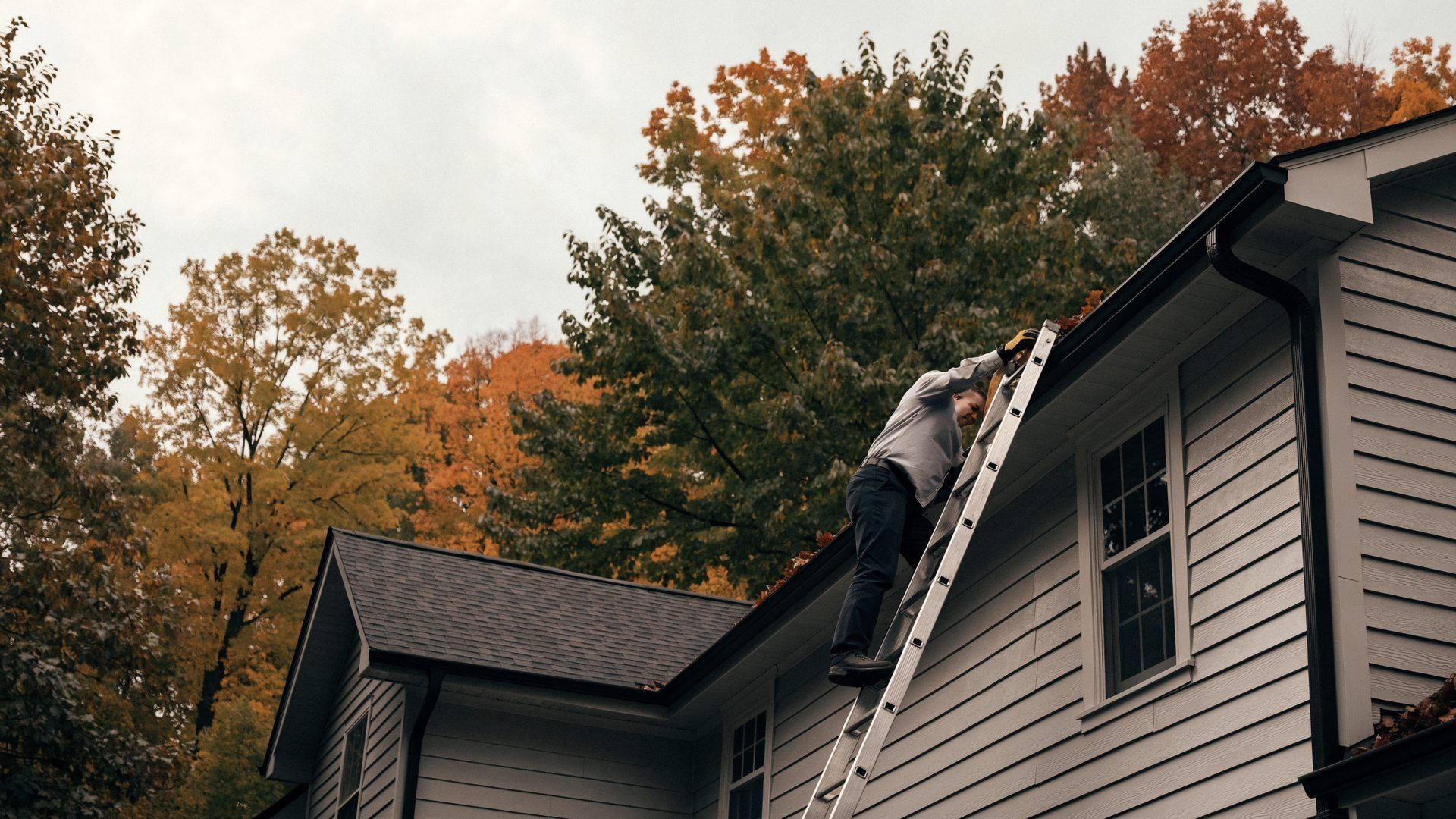
Roof Repairs
Fixing roof damage looks straightforward: replace some shingles, seal some flashing, done. Except it's not.
Why it's not DIY-friendly: Safety is the first issue; roof work is dangerous. But beyond that, improper roof repair can lead to costly water damage inside your home. You might fix the visible problem while missing underlying issues or creating new leak paths.
What goes wrong: Falls (the obvious danger), incomplete repairs that don't stop leaks, damage to surrounding shingles while making repairs, and voided roof warranties if manufacturer requirements aren't met.
When to call a pro: Always. Roof work requires safety equipment, expertise to diagnose problems correctly, and knowledge of proper repair techniques. The cost of professional repair is much less than the medical bills from falling off your roof or the damage repair costs from leaks you didn't fix correctly.
Structural Modifications
Removing walls, adding windows, reinforcing floors, anything structural is absolutely not DIY.
Why it's not DIY-friendly: You can compromise your home's structural integrity and create dangerous conditions. You need to understand the difference between load-bearing and non-load-bearing walls, proper support methods, and building codes.
What goes wrong: Collapsed ceilings, sagging floors, cracked walls throughout the house, and incredibly expensive professional repairs to fix the damage.
When to call a pro: For any work involving structure. This includes wall removal, window or door additions, floor reinforcement, or anything that changes how weight is distributed in your home.
Major Kitchen or Bathroom Remodeling
Updating cabinet hardware? DIY. Completely renovating a kitchen or bathroom? Not even close to DIY unless you're a professional contractor.
Why it's not DIY-friendly: These projects involve plumbing, electrical, and potentially structural work, proper task sequencing, code compliance, and coordinating multiple trades. One mistake anywhere in the process creates cascading problems.
What goes wrong: Everything. Plumbing leaks, electrical hazards, improper ventilation, code violations, elements installed in the wrong order requiring rework, and timelines that stretch from weeks to months as you struggle through unexpected problems.
When to call a pro: For anything beyond cosmetic updates. Professional bathroom remodeling and kitchen remodeling services handle the complexity, coordination, and code compliance while delivering results that actually work.
The Hidden Costs of DIY
Beyond the obvious costs when DIY goes wrong, there are hidden expenses people don't consider.
Your Time Has Value
That tile project you think will take a weekend? Plan on two or three weekends as you learn, make mistakes, and redo work. As a beginner, everything takes longer than you expect.
Even at $25/hour (probably less than you earn at your job), a project that takes 30 hours of your time represents a $750 opportunity cost. Could a professional have done it for that price or less, in a fraction of the time, with better results?
Tools and Equipment
Professional contractors own the right tools because they use them constantly. You might need to buy or rent specialized equipment for a single DIY project.
That tile saw rental? $60/day. That drywall lift? $35/day. Special bits, blades, and accessories? Add them up, and you've spent hundreds on tools you'll rarely use again.
The Learning Curve
Professionals make it look easy because they've done it hundreds of times. Your first time doing anything takes longer, involves more mistakes, and produces less polished results.
You're paying for on-the-job training (on a time-and-materials basis). That's fine for low-stakes projects, but expensive for major work.
Warranty and Insurance Issues
Many products require professional installation to maintain warranties. Do it yourself,f and the manufacturer won't cover defects.
Similarly, if DIY work causes damage, your homeowner's insurance may not cover it.
Red Flags That Say "Call a Professional"
Sometimes you start a project thinking it's DIY-manageable, then hit red flags that indicate you're in over your head.
You Don't Have the Right Tools
If completing the job requires tools you don't own and won't use again, that's a sign it's not a good DIY project.
The Project Involves Permits
If local building codes require permits, you need professional help. Permits exist because the work involves safety, structure, or systems where mistakes have serious consequences.
You're Not Sure What You're Looking At
Cut into a wall and find something unexpected? Don't know what those wires do? Not sure if that wall is load-bearing? Stop. Don't guess. Call someone who knows.
The Stakes Are High
Painting a bedroom wrong means you repaint. Installing plumbing incorrectly can lead to water damage, mold, and thousands in repairs. Doing electrical work incorrectly poses a fire risk.
When mistakes have serious consequences, err on the side of calling professionals.
You Feel Uncertain or Overwhelmed
That feeling in your gut that says "this is more complicated than I thought" is probably right. Trust it.
Pushing forward out of stubbornness or because you've already invested time and money is how DIY becomes a disaster.
Time Is a Factor
If you need the repair done quickly (emergencies, selling your house, guests coming), professionals work faster and more efficiently than DIY attempts.
The Project Keeps Expanding
Started what seemed like a simple repair and discovered more problems? That's common in home repair. What seems like replacing a section of drywall becomes addressing water damage, mold, and failed plumbing.
When projects expand beyond your original scope, professionals can assess and handle everything properly.
How to Choose the Right Professional Contractor
When you decide to hire a professional, choosing the right one matters as much as the decision itself.
License and Insurance
In New Jersey, home improvement contractors must be registered with the state. Always verify the license number (Jeff of All Trades: NJHIC LIC #13VH06643500).
Local Experience
Contractors familiar with your area understand local building codes, common issues in regional housing stock, and how to work efficiently with local building departments.
Somerset County homes have specific characteristics and common problems. A contractor who regularly works in Basking Ridge, Hillsborough, Bernardsville, and surrounding areas knows what to expect.
References and Reviews
Check online reviews on Google, Yelp, and contractor-specific sites. Look for patterns, consistent punctuality, quality work, communication, and fair pricing.
Ask for references from recent similar projects. Actually call them.
Clear Communication
Good contractors explain what needs to be done, why, and how much it will cost. They answer questions without condescension and help you understand your options.
If a contractor can't or won't explain their process clearly, find someone else.
Projects Jeff of All Trades Can Help With
When you're ready to call a professional for home repairs in Somerset County, Jeff of All Trades Home Improvement handles a comprehensive range of services.
Bathroom Remodeling
From simple updates to complete renovations, professional bathroom remodeling includes proper plumbing, electrical, ventilation, waterproofing, and tile work, all the elements that turn DIY attempts into disasters.
Kitchen Remodeling
Kitchen renovations involve plumbing, electrical, ventilation, cabinetry, and often structural modifications. Professional kitchen remodeling ensures everything works together properly and meets code.
Interior and Exterior Painting
While interior painting can be DIY, professional painters work faster and deliver better results. Exterior painting requires safety equipment, surface prep expertise, and knowledge of proper products for New Jersey weather.
Floor Tiling
From kitchens to bathrooms to entryways, professional floor tiling includes proper substrate preparation, precise layout, correct adhesive and grout application, and proper sealing.
Door Staining
Professional door staining delivers even, beautiful finishes that protect wood and enhance your home's appearance, much harder to achieve with DIY methods.
Custom Walkways
Properly designed and constructed walkways require understanding drainage, proper base preparation, and correct installation techniques to prevent settling and cracking.
Damage Repair
Water damage, storm damage, accidental damage, and professional damage repair address not just what you see but the underlying problems that caused or resulted in the visible damage.
Handyman Services
For all those tasks that don't quite warrant a specialist but are beyond simple DIY, professional handyman services provide efficient, quality repairs and maintenance.
Making the Smart Decision
The decision to DIY or hire a professional isn't about pride or proving you can do it yourself. It's about making smart, practical financial decisions that protect your home and your investment.
Some projects are genuinely DIY-friendly and represent smart money-saving opportunities. Others are traps that seem simple but aren't, where DIY attempts end up costing far more than professional services would have initially.
The key is honest self-assessment:
Do you have the skills and experience for this specific project? Not general handiness, but specific expertise with the particular systems and materials involved.
Do you have the right tools? If you need to buy or rent specialized equipment, factor that into your cost comparison.
Do you have enough time? Not just time to complete the job, but time to learn, make mistakes, and redo work.
What are the stakes if you make a mistake? Low stakes (cosmetic appearance) argue for DIY attempts. High stakes (safety, code compliance, extensive damage potential) argue for professionals.
Does the project require permits? If yes, you almost certainly need a professional contractor.
How do you feel about the project? Confident and excited suggests it might be appropriate for your skill level. Uncertainty and overwhelm suggest it's not.
The Value of Professional Expertise
Professional home improvement contractors offer more than just labor. They bring:
Experience - Having completed hundreds or thousands of similar projects, professionals spot problems, adapt to unexpected situations, and work efficiently.
Knowledge - Understanding building codes, proper techniques, and best practices ensures work is done right and remains compliant.
Tools and equipment - Professionals own the right tools and know how to use them effectively.
Efficiency - What takes you multiple weekends takes professionals days or less.
Problem-solving - When unexpected issues arise (and they always do in home repair), professionals know how to address them without the project spiraling into disaster.
Accountability - Licensed contractors stand behind their work and can be held accountable for problems.
Insurance protection - Professional contractors carry insurance that protects you if something goes wrong.
These aren't luxuries; they're the core value professionals provide that makes their services worth paying for on appropriate projects.
Real Stories: DIY Gone Wrong
Let's look at some real scenarios that illustrate when DIY can turn into a disaster.
The Bathroom Tile Disaster
A Bernardsville homeowner decided to retile their bathroom shower to save money. They watched videos, bought materials, and spent three weekends on the project.
The finished tile looked okay, not professional quality, but acceptable. The problem was what happened six months later.
Water had been seeping through improperly waterproofed walls behind the tile. Mold grew. Wood framing rotted. By the time they noticed musty smells and damage appearing on the other side of the wall, the damage had extended far beyond the original shower area.
The cost to remediate mold, replace rotted framing, properly waterproof, and reinstall everything correctly was over $8,000. Professional bathroom remodeling would have cost around $4,000 for the original project.
The lesson: Waterproofing is critical in wet areas. It's invisible when done right, so DIYers often skip it or do it inadequately, leaving this crucial step undone.
The Electrical "Upgrade"
A Hillsborough homeowner wanted to add more outlets in their home office. Seemed straightforward, run some wire, install some boxes, connect the outlets. They did it themselves and saved the electrician's fee.
Two years later, during a home sale, the inspection revealed multiple code violations in the DIY electrical work. The work had to be completely redone by a licensed electrician before the sale could proceed.
The rework cost $1,800 and delayed the home sale by two weeks. A licensed electrician would have charged $800 initially to do the work properly.
The lesson: Electrical work follows strict safety codes. DIY work often violates codes even when it "works," creating problems years later.
The Roof Repair Attempt
A Basking Ridge homeowner noticed some damaged shingles after a storm. They bought matching shingles and climbed up to replace them.
They successfully replaced the visibly damaged shingles. What they missed was that the storm had also damaged flashing around a chimney, which was not obvious without expertise.
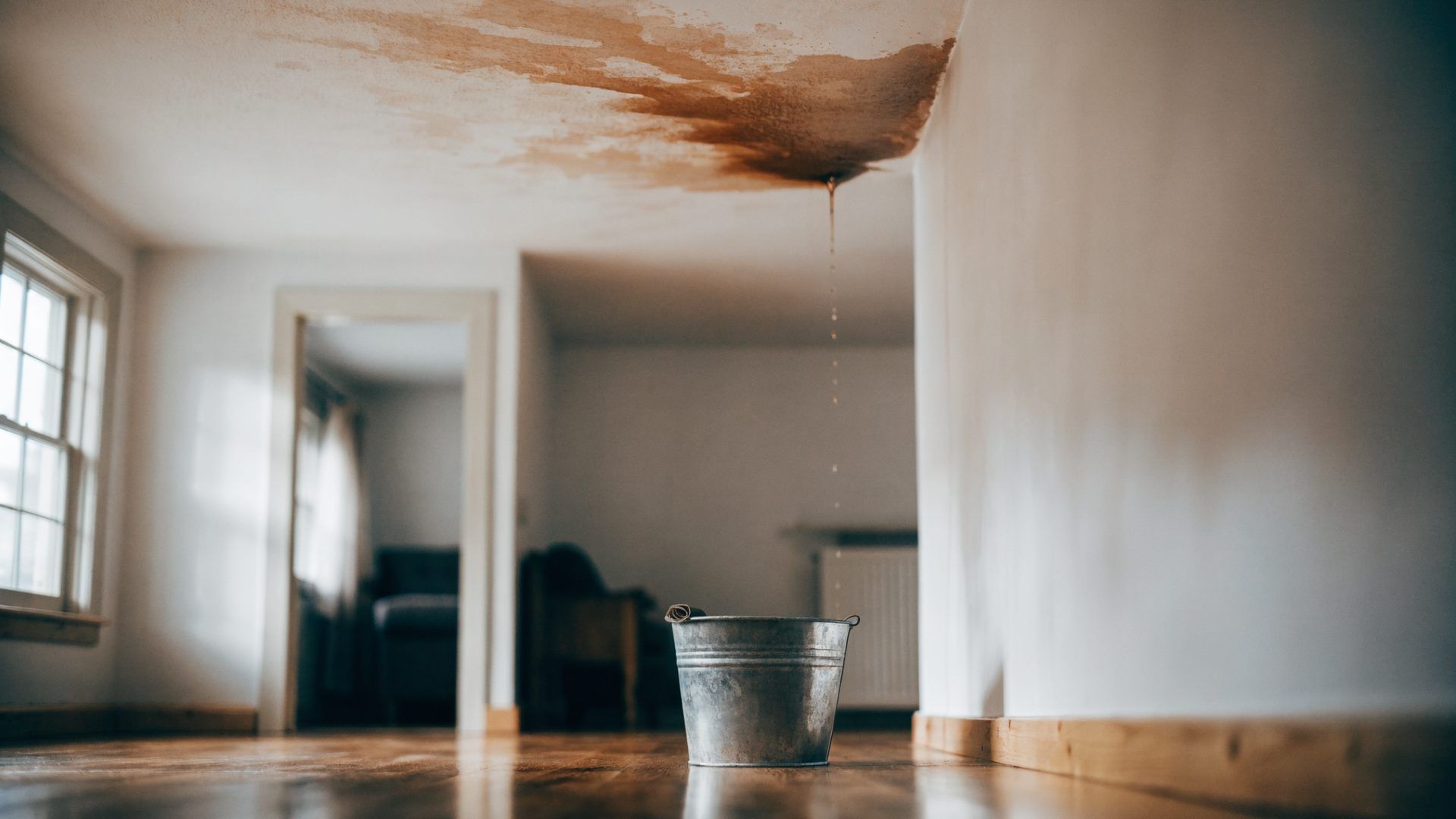
Three months later, water stains appeared on the ceiling. The homeowner called professionals to investigate. The flashing failure had allowed water into the wall cavity and attic, causing water damage that required extensive drywall repair, insulation replacement, and mold treatment.
Total cost for professional damage repair: $4,500. Professional roof inspection and repair after the storm would have cost $600.
The lesson: DIY roof repair misses underlying problems that professionals routinely check for. The visible damage isn't always the only damage.
When DIY Works Well
Not all DIY stories are disasters. Let's look at situations where homeowners successfully handled repairs themselves.
Interior Painting Success
A Warren homeowner wanted to update their living room with new paint colors. They properly prepped surfaces (cleaning, patching holes, taping trim), used quality paint and proper technique, and took their time.
The result looked great and saved them about $1,200 compared to professional painting quotes.
Why it worked: Interior painting is forgiving. Mistakes can be fixed with another coat. No safety issues, no code concerns, and the homeowner had realistic expectations about the time required.
Minor Repairs and Maintenance
A Far Hills homeowner maintained their home with regular DIY tasks, replacing air filters, recaulking around tubs, tightening cabinet hardware, touching up paint, and cleaning gutters.
By staying on top of small maintenance items, they prevented larger problems and maintained their home's value while keeping costs low.
Why it worked: These simple maintenance tasks are designed for homeowners to complete. They don't require specialized skills, tools, or expertise.
Strategic DIY with Professional Backup
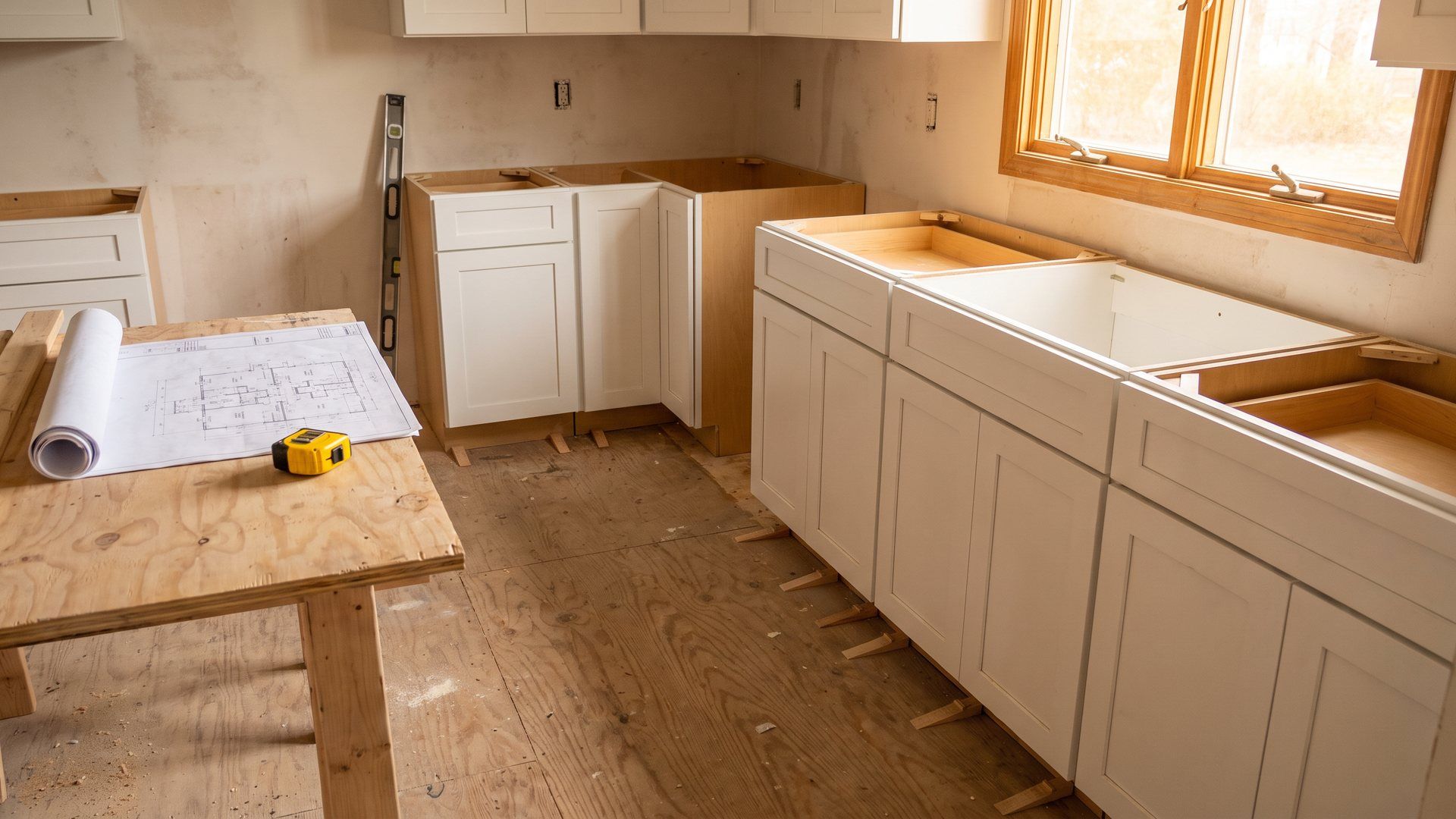
A Gladstone homeowner tackled prep work for a kitchen remodel, including demolition and removal of old fixtures and cabinets, then hired Jeff of All Trades for the skilled work: plumbing, electrical, cabinet installation, and tile work.
This approach saved money on labor while ensuring critical work was done professionally.
Why it worked: The homeowner knew the limits of their skills and where professionals were needed. They saved money on unskilled labor while investing in professional expertise for technical work.
Working With Jeff of All Trades
When you're ready to move forward with professional home repairs in Somerset County, here's what working with Jeff of All Trades looks like.
Initial Contact
Call 908-963-3533 or email jeffofalltradeshandymanservice@gmail.com to discuss your project.
Describe what you need, whether it's bathroom remodeling, damage repair, floor tiling, or general handyman services, and schedule a consultation.
Assessment and Estimate
Jeff will assess the project, discuss your goals and preferences, and identify any potential issues or additional work that may be needed.
You'll receive a detailed written estimate covering the scope of work, materials, timeline, and costs.
Transparent Communication
Throughout the project, you'll know what's happening, why decisions are being made, and how the work is progressing.
Questions are welcomed and answered clearly.
Quality Workmanship
Work is completed to high standards with attention to detail, proper techniques, and code compliance.
The focus is on results that last and protect your home's value.
Customer Satisfaction
As testimonials from Somerset County homeowners show, Jeff's work is done with professionalism, respect for your home, and commitment to your satisfaction.
Conclusion: Making Smart Choices
The DIY vs. professional question doesn't have a single answer. It depends on the specific project, your skills, the stakes involved, and a realistic assessment of what's required.
Some projects are perfect for DIY; they're safe, forgiving, don't require specialized expertise, and offer genuine savings.
Other projects just aren't DIY-appropriate. They involve safety risks, require specialized knowledge, have high stakes if mistakes occur, or need code compliance. For these projects, calling a professional isn't admitting defeat; it's making a smart financial decision that protects your home and your investment.
The key is honest self-assessment and knowing where to draw the line between smart DIY and potential disaster.
When that line is reached, Somerset County homeowners can count on Jeff of All Trades Home Improvement for reliable, quality professional home repair services on projects large and small.