

The Truth About Permit Requirements for Home Renovations in Somerset County, New Jersey

You're finally ready to tackle that kitchen remodel or bathroom renovation you've been planning. You've got your budget sorted, you found a contractor, and you're excited to get started. But then someone mentions permits, and suddenly you're confused.
Do you actually need a permit? What happens if you skip it? How much does it cost, and how long does it take?
Here's the truth about NJ building permits required for home renovations in Somerset County. By the end of this guide, you'll know exactly when you need permits, how to get them, and what happens if you don't.
Why Do Building Permits Even Exist?
Before we get into the specifics, let's talk about why permits matter in the first place.
Building permits aren't just bureaucratic red tape designed to annoy you and slow down your project. They exist to keep you safe. Permits ensure that work on your home meets current building codes, codes that protect you from electrical fires, structural collapses, gas leaks, and other serious hazards.
When you pull a permit, a building inspector comes out to verify that the work was done correctly. That inspector is checking things you can't see once walls are closed up: proper wiring, adequate structural support, correct plumbing connections, and safe installation methods.
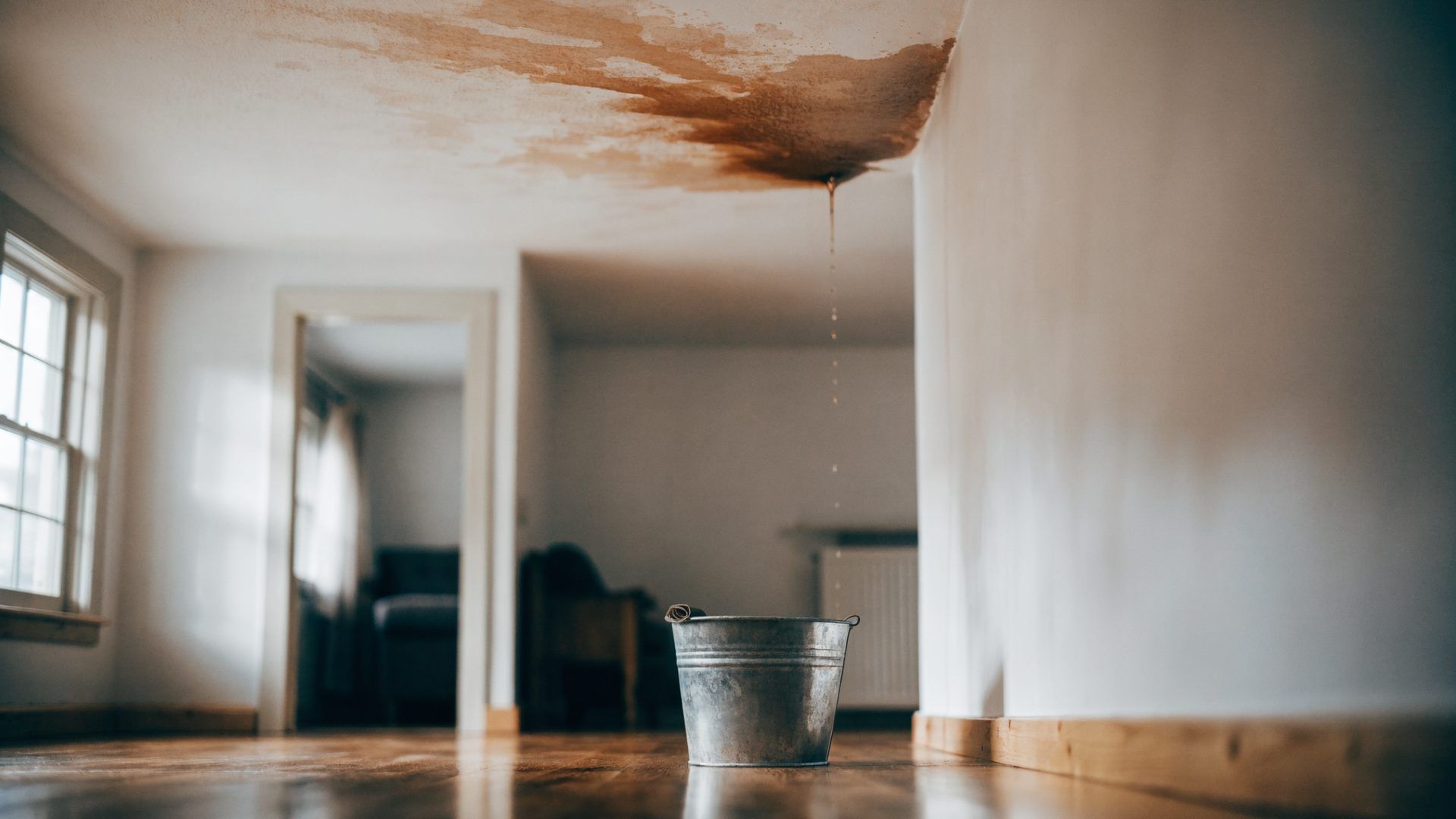
Plus, unpermitted work can seriously mess with your home's resale value. When you sell your house, the buyer's home inspector might discover unpermitted work. That can kill deals, force you to rip out and redo work, or result in price reductions that cost way more than the permit would have.
When Are NJ Building Permits Required in Somerset County?
This is the big question, and the answer is more nuanced than you'd think.
Renovations That Almost Always Require Permits
If you're doing any of the following in Basking Ridge, Hillsborough, Bedminster, or anywhere else in Somerset County, you definitely need permits:
- Electrical Work: Any work that involves your home's electrical system, adding circuits, upgrading your panel, installing new outlets, or rewiring, requires an electrical permit. Even seemingly small jobs, like adding a ceiling fan, often require permits if you're running new wiring.
- Plumbing Changes: Moving fixtures, adding new plumbing lines, replacing water heaters, or doing any work that connects to your home's plumbing system requires a plumbing permit. This includes bathroom remodeling projects where you're relocating toilets, sinks, or showers.
- Structural Modifications: Knocking down walls, adding support beams, cutting into load-bearing structures, or making any changes that affect your home's structural integrity absolutely require permits. This is critical for safety; mess this up, and you could literally have your house collapse.
- HVAC Installation: Installing or replacing heating and cooling systems, adding ductwork, or doing any work on gas lines requires permits. This includes both the mechanical permit for the equipment and potentially a gas permit if you're working with gas lines.
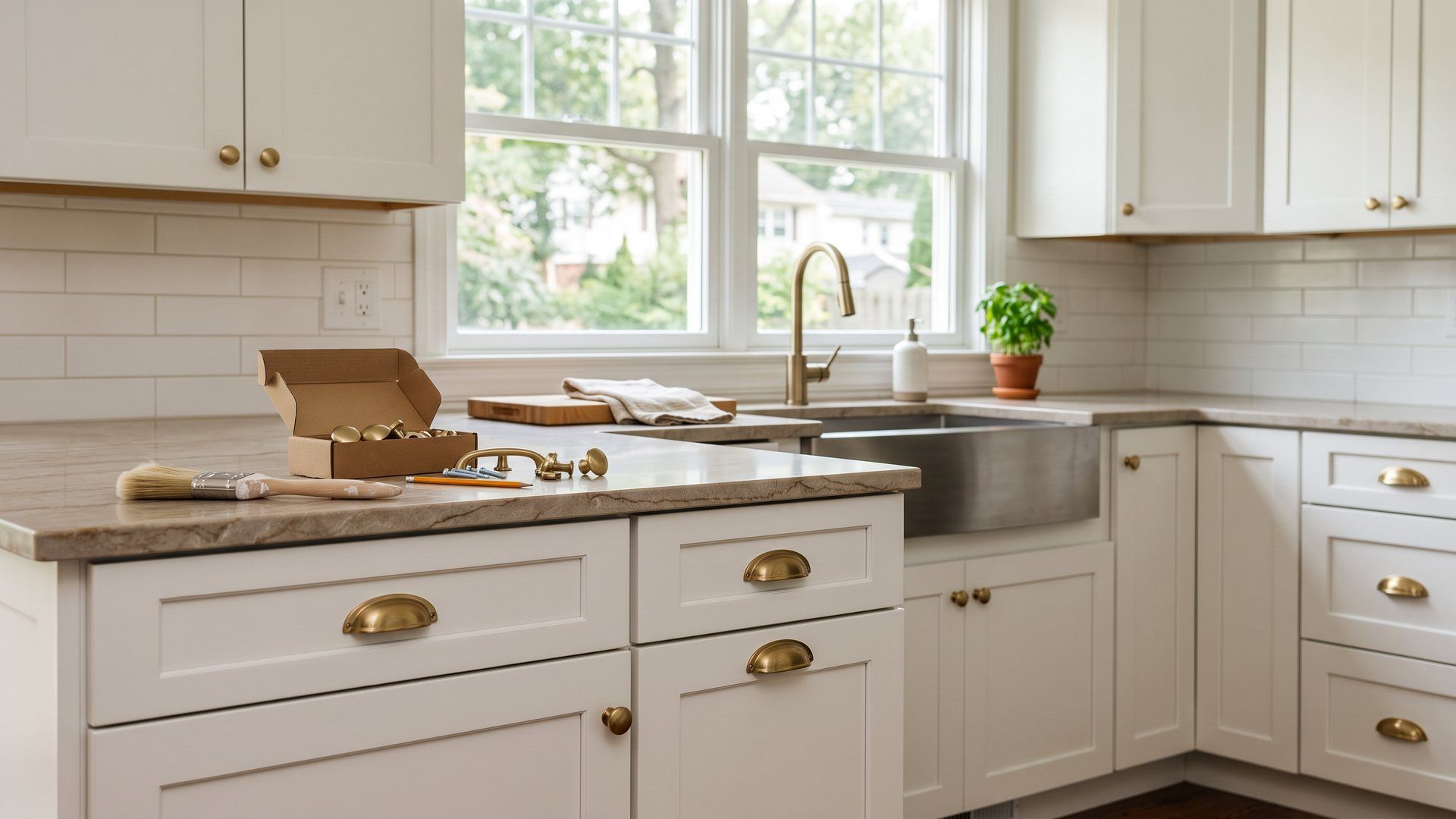
- Kitchen Remodeling: Full kitchen renovations typically require multiple permits, electrical for new lighting and appliances, plumbing if you're moving the sink or adding a dishwasher, and potentially mechanical if you're upgrading ventilation.
- Bathroom Remodeling: Like kitchens, bathroom projects usually need permits for plumbing, electrical, and potentially structural work if you're removing walls or changing the layout.
- Room Additions: Adding any new living space, whether it's a bedroom addition, sunroom, or finished basement, requires permits. You'll need building, electrical, and plumbing permits at a minimum.
- Deck Construction: Building a new deck or rebuilding an existing one typically requires a permit in Somerset County, especially if it's elevated more than 30 inches above grade.
- Window Replacement: This one surprises people, but in New Jersey, replacing windows often requires a permit, particularly if you're changing the window's size or if the window is in a bearing wall.
- Roof Replacement: Replacing your roof usually requires a permit. Even tear-offs and re-roofing need permits to ensure proper installation and code compliance.
Work That Generally Doesn't Require Permits
Some projects are small enough that Somerset County doesn't require permits:
- Cosmetic Updates: Painting (interior and exterior), wallpapering, installing new flooring over existing subfloors, and replacing cabinet doors generally don't need permits.
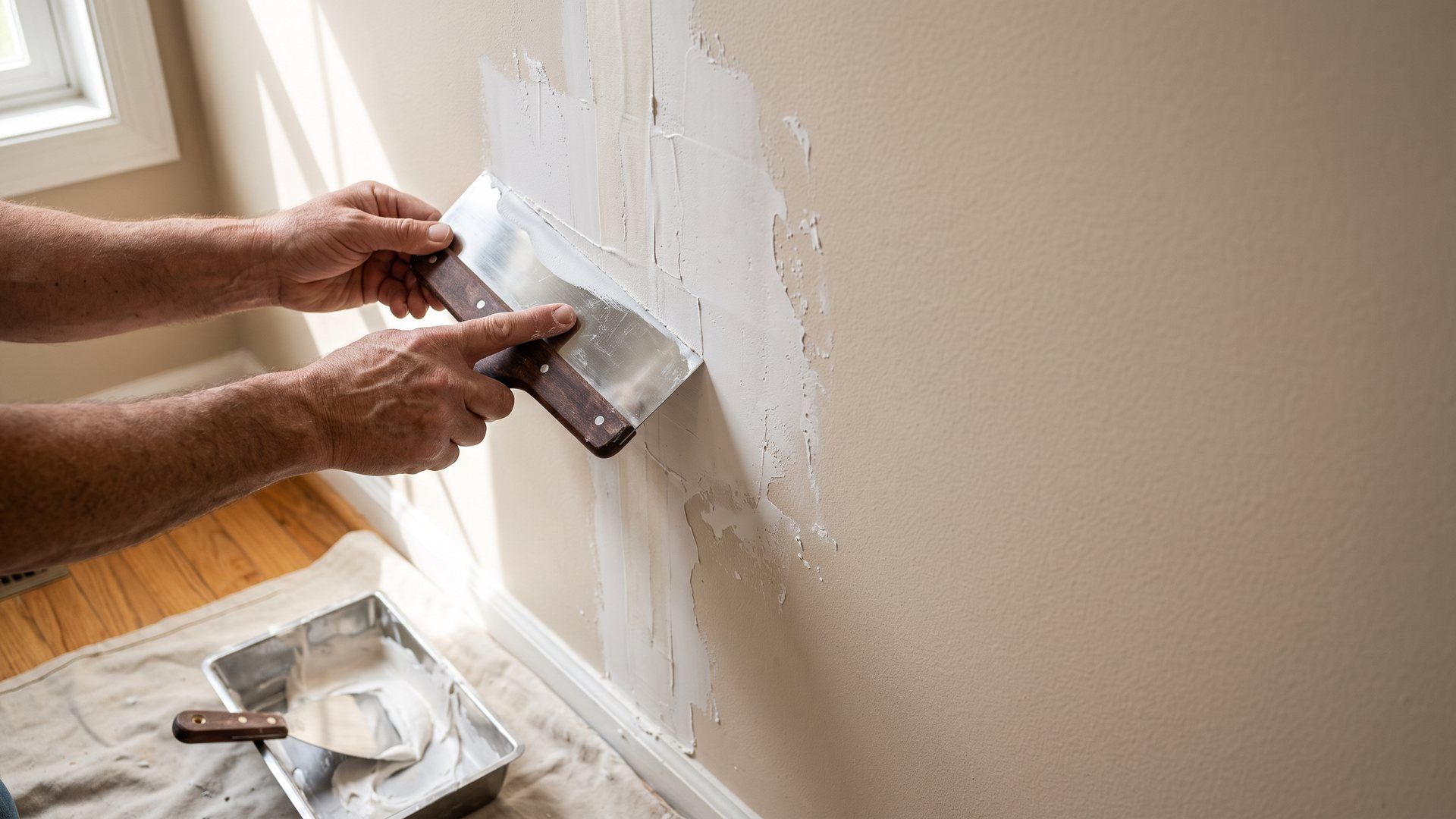
- Minor Repairs: Fixing a leaky faucet, replacing a broken outlet cover, patching drywall, or repairing damaged siding typically don't require permits as long as you're not doing extensive work.
- Landscaping: Most landscaping work, including planting, mulching, and decorative elements, doesn't need permits. However, hardscaping, such as retaining walls over a certain height, might require permits.
- Door Staining and Refinishing: Refinishing or staining existing doors doesn't require permits. However, if you're installing a new door in a different location or changing the opening size, you'll need a permit.
- Minor Handyman Work: Small repairs and maintenance tasks generally don't require permits. Think caulking, fixing loose trim, replacing broken fixtures with identical ones, or basic maintenance.
The Gray Areas
Some projects fall into gray areas where permit requirements depend on the scope:
Flooring: Installing new flooring over existing floors usually doesn't need a permit. But if you're removing subfloors or doing structural work underneath, you'll need permits.
Sheds and Outbuildings: Small sheds under a certain square footage may not require permits, but anything substantial will.
When in doubt, call your local building department. A quick phone call can save you massive headaches later.
How Do NJ Building Permit Requirements Vary by Town?
Here's something important: while New Jersey has statewide building codes, individual municipalities in Somerset County may have additional requirements.
Basking Ridge (part of Bernards Township), Bedminster, Bernardsville, Far Hills, Gladstone, Hillsborough, and Warren each have their own building departments with slightly different procedures and fees.
For example, Hillsborough might have different deck setback requirements than Bedminster. Far Hills might have stricter regulations about exterior changes due to historic preservation concerns.
Always check with your specific town's building department before starting work. Don't assume that what was allowed in your friend's town applies to yours.
What's the Actual Permit Process in Somerset County?
Getting permits isn't as complicated as people think, but it does require some planning.
Step 1: Plan Your Project
Before you can apply for permits, you need detailed plans. For major renovations, this means architectural drawings showing what you're doing. For smaller projects, a detailed sketch might be enough.
Your plans need to show dimensions, materials, electrical layouts, plumbing connections, and structural details. Most contractors can help with this; in fact, if you're working with Jeff of All Trades Home Improvement, they handle this part for you.
Step 2: Submit Your Application
You'll submit your permit application to your local building department. This includes:
- Completed application forms
- Your project plans and drawings
- Proof of property ownership
- Contractor information (license numbers, insurance certificates)
- Permit fees
Many Somerset County towns now allow online submissions, which speeds things up considerably.
Step 3: Plan Review
The building department reviews your plans to ensure they comply with building codes, zoning regulations, and local ordinances. This process takes anywhere from a few days to several weeks, depending on the complexity of your project and the building department's workload.
If there are issues with your plans, the department will send them back with notes about what needs to change. You'll revise and resubmit until everything is approved.
Step 4: Receive Your Permit
Once approved, you'll receive your permit. This needs to be posted visibly at the job site, usually in a front window or on the property where inspectors can see it.
Step 5: Schedule Inspections
As work progresses, you'll need to schedule inspections at specific milestones:
Rough Inspections: Before closing up walls, inspectors need to see electrical wiring, plumbing connections, and structural work.
Insulation Inspection: If applicable, the insulation must be inspected before covering with drywall.
Final Inspection: Once work is complete, a final inspection ensures that everything was done correctly and meets code.
You can't move forward until each inspection is passed. If something fails, you'll need to fix it and schedule a re-inspection.
Step 6: Receive Your Certificate of Occupancy (CO)
For major renovations and additions, you'll need a Certificate of Occupancy before you can legally use the space. This certifies that the work was completed properly and the space is safe to occupy.
How Long Does the Permit Process Take?
Timing varies significantly based on project complexity and the time of year.
Simple permits (like replacing a water heater or doing minor electrical work) might be issued the same day or within a few days.
Standard renovations (bathroom or kitchen remodels) typically take 1-3 weeks for plan review and permit issuance.
Major projects (additions, significant structural work) can take 4-8 weeks or even longer, especially if revisions are needed.
Spring and summer are busy seasons for building departments. If you're planning work during these times, factor in extra time for permit processing.
Pro tip: Start the permit process before you need to start construction. Don't wait until your contractor is ready to begin work to apply for permits.
Who's Responsible for Getting Permits: You or Your Contractor?
This is a common point of confusion.
Legally, as the property owner, you're ultimately responsible for ensuring proper permits are obtained. However, most reputable contractors handle the permit process as part of their service.
When you work with a licensed contractor like Jeff of All Trades Home Improvement (NJHIC LIC #13VH06643500), they typically:
- Determine what permits are needed
- Prepare the necessary documentation
- Submit permit applications
- Schedule inspections
- Ensure all work meets code requirements
Make sure this is spelled out clearly in your contract. A contractor who suggests skipping permits to "save time and money" is a massive red flag. Run away from anyone suggesting this.
If you're doing work yourself as a homeowner, you can pull permits in your own name. However, you'll be responsible for ensuring all work meets code, and you'll need to be present for inspections.
What Happens If You Don't Get Required Permits?
This is where things get ugly.
Getting Caught During Construction
If a building inspector or code enforcement officer notices unpermitted work happening, they can issue a stop-work order immediately. Your project halts until you obtain proper permits, which means:
- Paying permit fees (often with penalties)
- Potentially tearing out completed work so inspectors can see what's behind the walls.
- Delaying your project by weeks or months
- Paying your contractor to sit idle or come back later
Getting Caught Later
If unpermitted work is discovered months or years later (during a home inspection when selling, through a complaint from a neighbor, or during unrelated work), you're looking at:
Fines and Penalties: Somerset County municipalities can fine you hundreds or even thousands of dollars for unpermitted work.
Required Retroactive Permits: You'll need to apply for permits after the fact. This often requires opening up walls to allow inspections, which means additional demolition and reconstruction costs.
Failed Home Sales: When you try to sell, the buyer's home inspector will likely discover unpermitted work. This can:
- Kill the sale entirely
- Force you to complete all permitting before closing
- Result in price reductions that far exceed what permits would have cost
- Require you to rip out and redo work that doesn't meet code
Insurance Issues: If unpermitted work causes damage (electrical fire, plumbing leak, structural failure), your homeowner's insurance might deny your claim. That could leave you personally liable for massive repair costs or even injuries if someone is hurt.
Liability Concerns: If unpermitted work causes problems for future owners, you could face legal liability even after you've sold the property.
Common Myths About Building Permits in New Jersey
Myth #1: "If I hire a contractor, they're responsible if we don't get permits."
False. As the property owner, you are ultimately responsible. Yes, you can sue a contractor who did unpermitted work, but you'll still face fines, forced corrections, and problems selling your home.
Myth #2: "Small projects don't need permits."
Depends on what you mean by "small." Replacing a toilet probably doesn't need a permit. Relocating that toilet three feet over? That definitely does. Size isn't the only factor; scope and type of work matter more.
Myth #3: "Permits are just a way for the town to make money."
Permit fees barely cover the cost of running building departments. The real purpose is safety. Inspectors have prevented countless disasters by catching dangerous work before it causes fires, floods, or collapses.
Myth #4: "Nobody actually checks for permits."
Building departments absolutely do check, and neighbors sometimes report unpermitted work. Plus, even if you "get away with it" for years, it'll come back to haunt you when you sell.
Myth #5: "Getting permits will massively increase my property taxes."
This is partially true but overstated. Yes, improvements that add square footage or significantly increase your home's value can raise property taxes. But that increase reflects your home's improved value, which you benefit from when you sell. And tax increases are typically modest compared to the value gained.
How Jeff of All Trades Home Improvement Handles Permits
When you work with Jeff of All Trades Home Improvement for your Basking Ridge, Hillsborough, or Somerset County renovation, here's how the permit process works:
Initial Consultation: Jeff discusses your project and identifies the permits needed. This happens during the estimate phase, so there are no surprises.
Permit Application: Jeff's team prepares all necessary documentation and submits permit applications on your behalf. They handle all communication with the building department.
Plan Revisions: If the building department requests changes to the plans, Jeff's team makes them and resubmits promptly.
Inspection Coordination: Jeff schedules all required inspections at appropriate times and ensures everything is ready when inspectors arrive.
Code Compliance: All work is done to meet or exceed current building codes, ensuring inspections pass the first time.
Final Documentation: Jeff ensures you receive all final approvals and certificates of occupancy, providing complete documentation for your records.
This is part of what you're paying for when you hire a licensed, reputable contractor. You get peace of mind knowing everything is done legally and safely.
FAQs: Permit Requirements for Home Renovations
Can I pull my own permits?
Yes, New Jersey allows homeowners to obtain permits for work on their own primary residence.
Am I responsible for code compliance?
Just because you got a permit doesn't mean your work automatically passes inspection. You need to understand current building codes and follow them correctly.
How do I manage complex projects?
For complex projects such as bathroom or kitchen remodeling or structural changes, hiring professionals like Jeff of All Trades makes sense. The cost difference between DIY and professional work is often smaller than people think, especially when you factor in your time, tool costs, and the risk of costly mistakes.
The Bottom Line: Permit Requirements for Home Renovations in Somerset County
Getting proper permits might seem like a hassle, but it's non-negotiable for safe, legal home improvements. The consequences of skipping permits far outweigh the time and cost of obtaining them.
When you need bathroom remodeling, kitchen remodeling, window replacement, or any other home improvement in Somerset County, work with a licensed contractor who handles permits properly. Jeff of All Trades Home Improvement handles the entire permit process, ensuring your project is completed legally and safely.
Your home is likely your biggest investment. Protect that investment by doing renovations the right way, with proper permits, licensed contractors, and work that meets current building codes.
Ready to start your renovation project the right way?
Contact Jeff of All Trades Home Improvement at 908-963-3533 or jeffofalltradeshandymanservice@gmail.com. Serving Basking Ridge, Hillsborough, Bedminster, Bernardsville, Far Hills, Gladstone, and Warren with honest, professional home improvement services, including complete permit handling.
Don't gamble with unpermitted work. Do it right the first time.