

Open Concept vs. Traditional Layout: Which Floor Plan Actually Works Better for Somerset County Homes in 2026?
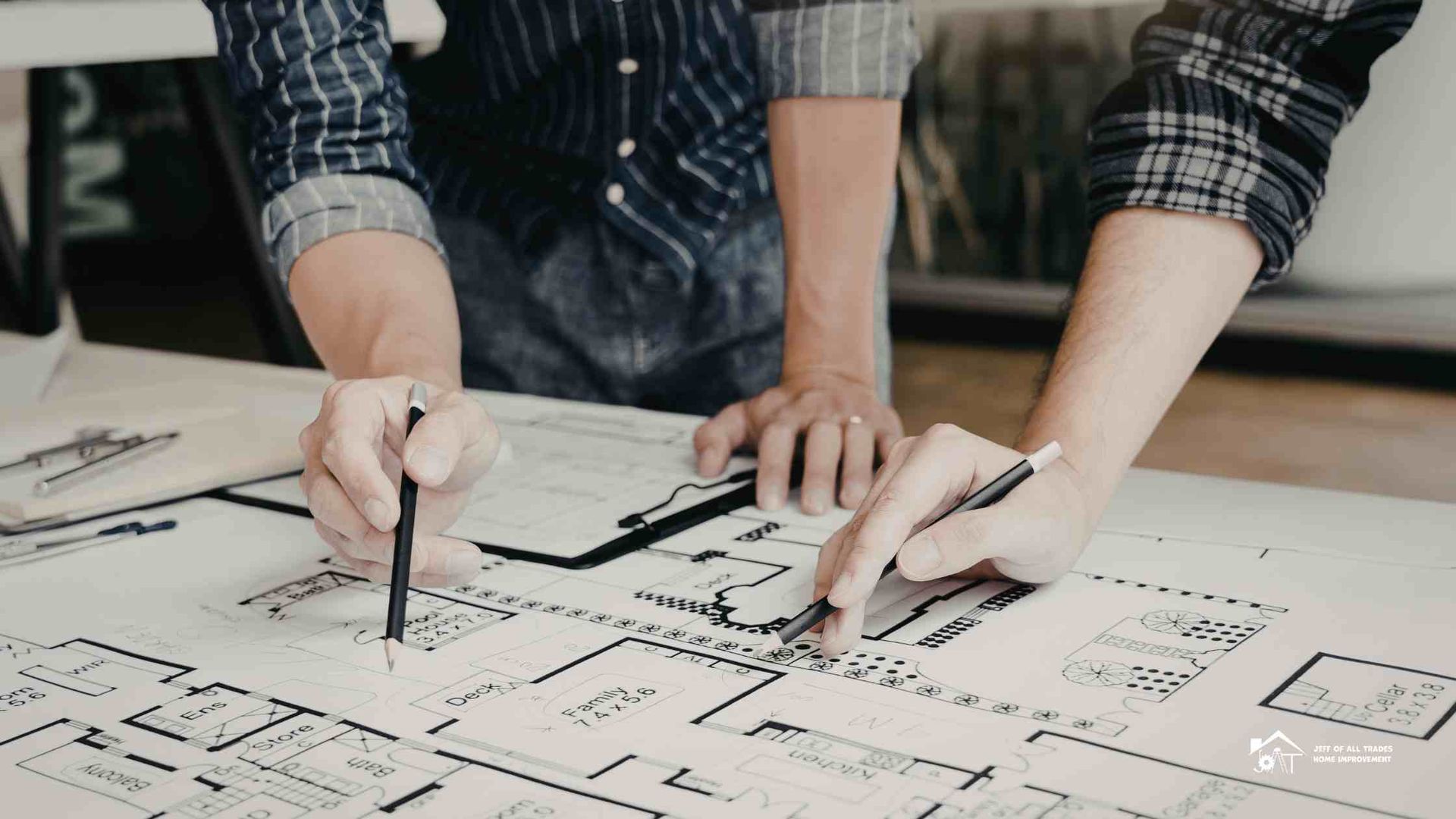
Walk into any home built in the last 15 years, and chances are you'll see one massive room where the kitchen, dining area, and living room all blend. Open concept has dominated home design for years.
But something interesting is happening in 2026. More homeowners in Hillsborough, Basking Ridge, and throughout Somerset County are questioning whether the open concept actually works for their lives. Some are even adding walls back in.
So what's the truth? Is open concept still the gold standard, or are traditional layouts making a comeback? More importantly, which one actually works better for your home and lifestyle?
This isn't about following trends. It's about making a smart decision that affects how you live every single day and how much your home is worth when you sell it.
Let's break down the real pros and cons of each layout, look at what's actually happening in 2026, and help you figure out which floor plan makes sense for your Somerset County home.
What Exactly Is Open Concept?
Let's define terms so we're all on the same page.
Open concept means removing walls between traditionally separate rooms—usually the kitchen, dining room, and living room—to create one large, flowing space. The idea is that this creates a sense of spaciousness, improves sightlines, and makes it easier for families to interact.
The trend exploded in the early 2000s and dominated home design for two decades. HGTV made it seem like every home needed to be "opened up" to be desirable.
What Is a Traditional Layout?
Traditional layouts feature distinct, separate rooms with walls and doorways between them. The kitchen is its own room. The dining room is separate. The living room has clear boundaries.
This was the standard for most of American history until the open concept took over. Each room had a specific purpose and was physically separated from other spaces.
The Real Advantages of Open Concept Layouts
Let's start with why the open concept became so popular. There are genuine benefits.
Better for Family Interaction
This is the biggest selling point, and it's real.
With an open layout, parents can cook dinner while watching kids do homework at the dining table or play in the living room. Everyone's in the same space, even while doing different activities.
For families with young children, this is genuinely valuable. You're not isolated in the kitchen while your kids are in another room. You can see and interact with everyone while preparing meals or cleaning up.
Makes Homes Feel Larger
An open concept creates the perception of more space. When you walk in and see all the way to the back of the house, it feels bigger than it actually is.
This is especially valuable in smaller homes where every square foot counts. A 1,500-square-foot home with an open layout can feel more spacious than a 1,800-square-foot home with a traditional layout.
For Somerset County homes, where property values are high, and space comes at a premium, making your home feel larger is worth something.
Better Natural Light Distribution
Without walls blocking light, natural light flows through the entire space. Windows on one side of the house illuminate areas that would otherwise be dark.
Easier Entertaining
When you're hosting a party or family gathering, open concept shines.
The cook isn't stuck in the kitchen, missing all the conversation. Guests naturally flow between areas. The party can spread out without feeling cramped or separated.
For people who entertain frequently, this is a major advantage.
More Flexible Use of Space
With fewer walls dictating what each area is "for," you can use the space more flexibly.
The dining table might also serve as a workspace. The kitchen island becomes a homework station. The living area can expand or contract based on furniture arrangement rather than wall placement.
Modern Aesthetic
Let's be honest—open concept looks modern and up to date. It photographs well. It impresses visitors. It signals that your home is contemporary rather than dated.
In terms of style and visual impact, open concept wins.
The Real Disadvantages of Open Concept
Now let's talk about the problems because there are real, significant downsides that people don't always consider until they're living with them.
Noise Carries Everywhere
This is the complaint you hear most often from people living in open concept homes.
Someone watching TV in the living room? The whole house hears it. Kids playing loudly? It echoes through every space. Running the dishwasher or garbage disposal during conversation? Good luck hearing anything else.
There's no sound barrier between activities. If different family members want to do different things at different volume levels, tough luck. Someone's going to be bothered.
For families with teenagers, people who work from home, or anyone who values some quiet, this is a dealbreaker.
Cooking Smells Spread Everywhere
Bacon for breakfast sounds great until your living room couch smells like bacon grease for three days.
Without walls containing cooking odors, they permeate every fabric surface in your open space. Your curtains, furniture, and even clothes nearby absorb food smells.
Strong-smelling foods like fish, curry, or garlic become house-wide events. Even with a good exhaust hood, some smells escape and spread.
Kitchen Messes Are Always Visible
In a traditional layout, you can close the kitchen door and ignore the dishes until later, but in an open concept, you can't.
Every dirty pan, cluttered counter, and pile of breakfast dishes is on full display from your living room. If you're not naturally tidy or you have a busy family, this creates constant visual stress.
You're either cleaning constantly or feeling stressed about the mess everyone can see.
Less Privacy
Everyone's always together. Always visible. Always aware of what everyone else is doing.
Sounds cozy. Until you realize that means zero privacy or personal space in your main living areas.
Want to have a phone conversation? Everyone hears it. Need to focus on work? Too bad, someone's making lunch. Does a teenager want to watch their show? It's a family negotiation.
There's no option to separate and have different family members doing different things in peace.
Difficult Climate Control
Heating and cooling one giant space is challenging. Hot air rises and collects at the ceiling. Cold air settles. Creating a uniform temperature throughout a large, open space requires more energy and better HVAC planning.
Some areas might be too warm while others are too cold, and there's no way to close off sections to control temperature zones.
Limited Wall Space
Where do you put furniture when there are no walls? Where do you hang art or family photos?
An open concept dramatically reduces usable wall space, creating furniture placement challenges and limiting decorating options. Your TV has to go somewhere. Your couch needs to face something. Your dining table needs to relate to the kitchen in some way.
These spatial relationships become puzzles rather than obvious solutions.
Everything Needs to Match
In a traditional layout, each room can have its own style. Your formal dining room can look different from your casual living room. The kitchen can be modern, while the den is cozy and traditional.
In an open concept, everything's visible at once. Your design choices need to work together to create a cohesive space. This limits flexibility and can make decorating more expensive because everything needs to coordinate.
The Real Advantages of Traditional Layouts
Traditional layouts fell out of favor, but they solve many of the problems that open-concept layouts create.
Sound Control
Walls block sound. Revolutionary concept, right?
Someone wants to watch TV while another person reads? No problem—different rooms. Are kids loud? Close a door. Need quiet for a work call? Find an empty room.
Traditional layouts allow families to coexist while engaging in different activities at different volume levels. This becomes increasingly valuable as kids get older and family members have different schedules and needs.
Privacy and Separation
Sometimes people need to be apart. Traditional layouts acknowledge this reality.
Teenagers get space that feels separate. Adults can have conversations without little ears hearing everything. Someone can retreat when they need alone time without leaving the main floor.
Kitchen Messes Stay Hidden
Close the kitchen door (or at least turn a corner), and the mess disappears from view. You can cook a big meal, leave the cleanup for later, and your guests in the living room won't even notice.
This reduces stress and permits you to live normally without constant performance pressure.
Better Temperature Control
Smaller, separated rooms are easier to heat and cool efficiently. You can close off rooms you're not using. You can keep the kitchen cooler while cooking without freezing the living room.
More Wall Space
Traditional layouts provide ample wall space for furniture, art, built-ins, and storage. This makes decorating easier and more functional.
Your TV has an obvious home. Your couch goes against a wall. Your dining room has space for a buffet or china cabinet. These practical considerations matter for daily living.
Each Room Can Have Its Own Style
Design flexibility is underrated. Traditional layouts let you create distinct moods and styles in different rooms, tailored to their purposes.
Your formal dining room can be elegant, while your family room is casual and comfortable. These contrasts add interest and let you express different aspects of your taste.
The Real Disadvantages of Traditional Layouts
Traditional layouts aren't perfect either. Let's be honest about the downsides.
Can Feel Cramped or Dated
Older traditional layouts can feel choppy, dark, and closed in. Small, boxy rooms with low ceilings don't have the airy, spacious feel people want.
This is especially true in older homes where room sizes and layouts don't match modern living patterns.
Less Family Interaction
When everyone's in different rooms, you naturally interact less. Parents in the kitchen don't see what the kids are doing in the living room. Family members can be home but not really together.
For families with young children who want to keep an eye on everyone, this is a legitimate concern.
More Difficult for Entertaining
When you host a gathering, people get spread across different rooms. The cook is isolated in the kitchen. Conversation splits into separate groups. The party doesn't flow as naturally.
For people who entertain frequently, traditional layouts can feel limiting.
Less Flexible Use
That formal dining room you never use? It's just sitting there. You can't easily repurpose the space for something else because the walls and layout dictate what the room is for.
Traditional layouts can create wasted space if your lifestyle doesn't match the home's intended use patterns.
Dated Resale Appeal (Sometimes)
Depending on your market, traditional layouts seem old-fashioned to buyers. Many people shopping for homes expect an open concept and might pass on homes with traditional layouts, even if those layouts are actually functional.
This perception issue can affect resale value in some markets.
What's Actually Trending in 2026
Here's what's really happening in home design right now.
The Rise of "Broken Plan" Design
The hottest trend in 2026 isn't pure open concept or pure traditional—it's something in between called "broken plan" or "semi-open" design.
This approach creates visual and functional separation without the need for full walls. Think:
- Half walls or pony walls that define spaces without blocking them completely
- Large openings between rooms instead of removing all walls
- Strategic partial walls that create zones while maintaining sightlines
- Sliding doors or pocket doors that can close off spaces when needed
- Different ceiling heights or floor levels to distinguish areas
Broken-plan design aims to capture the best of both worlds—the spaciousness and light of open-concept layouts with the functionality and separation of traditional layouts.
Bringing Back Defined Kitchen Spaces
One specific shift happening in 2026 is the reconsideration of the fully open kitchen.
More homeowners want their kitchen to be somewhat separate—still connected to the main living areas but with more definition. This might mean:
- Reinstalling partial walls or butler's pantries
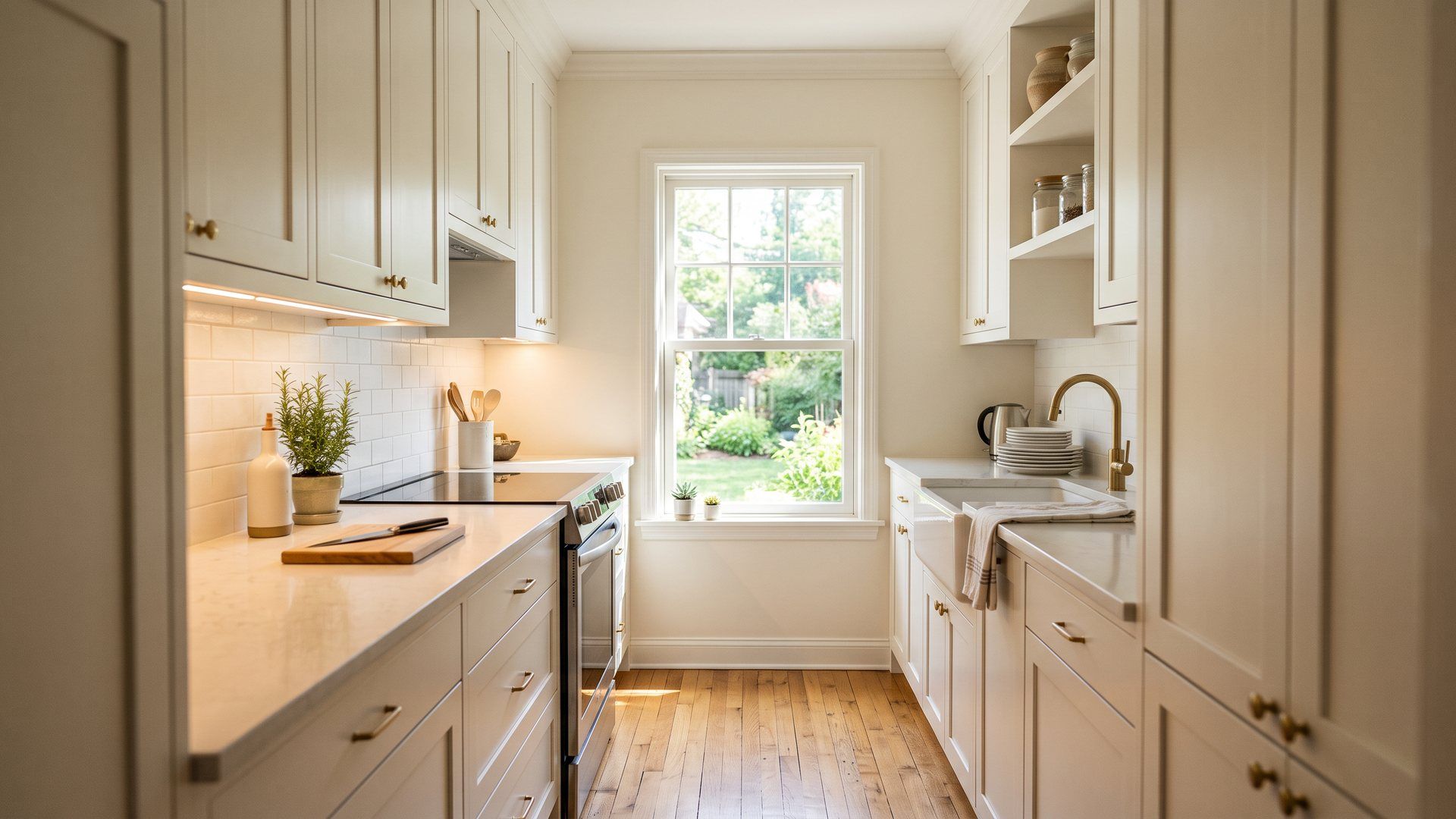
- Creating proper galley-style kitchens with controlled access
- Using large islands as physical and visual barriers
- Building prep kitchens or sculleries to hide mess
The goal is to keep some visual connection while creating functional separation that contains mess, smell, and noise.
Home Offices and Dedicated Workspaces
Working from home is now permanent for many people. Open concept doesn't support this well.
There's huge demand in 2026 for dedicated home office spaces with doors that close. People are willing to sacrifice some openness to gain a functional workspace with privacy and quiet.
Many remodels now involve adding walls to create offices rather than removing walls to create openness.
Multifunctional Spaces with Flexibility
The winning approach in 2026 is creating spaces that can adapt. Think:
- Sliding barn doors or glass walls that can open or close spaces as needed
- Furniture arrangement that defines zones without permanent walls
- Flex rooms that can serve multiple purposes
- Thoughtful design that allows both openness and separation depending on need
Return to Formal Spaces
Interestingly, some higher-end remodels are bringing back formal living rooms and dining rooms. Not everyone wants casual all the time.
Having a beautiful space that's separate and special for holidays, entertaining, or quiet adult time has renewed appeal.
Which Layout Works Better for Different Lifestyles?
The right answer depends entirely on how you actually live. Let's break it down.
Open Concept Works Best For:
Families with young children (under 10) - You need to keep an eye on the kids while doing other things. Open sightlines are genuinely valuable for safety and interaction.
Empty nesters or couples - Fewer people means less noise and conflict. You can coordinate activities easily without stepping on each other's toes.
People who love to entertain - If hosting parties is a major part of your lifestyle, an open concept facilitates this beautifully.
Those who want maximum visual space - If making your home feel as large as possible is the priority, open concept delivers.
Very small homes - When square footage is tight, an open concept makes the most of limited space.
Traditional Layout Works Best For:
Families with teenagers - Older kids need privacy and space. Traditional layouts let different family members do different things without constant conflict.
Multi-generational households - When you have grandparents, parents, and kids under one roof, everyone needs some separation and quiet.
People who work from home - If you need an actual workspace that supports focus and privacy, you need walls and doors.
Those who value privacy - Some people simply prefer more separation and personal space in daily living.
People who aren't naturally tidy - If you're not going to clean up every kitchen mess immediately, traditional layouts permit you to be human.
Those with very different schedules - When family members have conflicting schedules, traditional layouts let everyone do their thing without disturbing others.
Broken Plan Works Best For:
For most people, the middle ground approach solves many problems of both extremes.
Those who want flexibility - If your needs change (young kids growing into teenagers, starting to work from home, etc.), a broken plan adapts better.
People remodeling existing homes - It's often easier and more cost-effective to create thoughtful partial openness rather than removing all walls or leaving everything closed.
What About Resale Value in Somerset County?
Let's talk money because your home is an investment.
Current Market Reality in 2026
In Somerset County and similar suburban markets, here's what we're seeing:
Buyers still prefer some openness - Completely closed-off, choppy floor plans from the 1970s don't sell well. People want light, flow, and visual spaciousness.
But buyers also want functionality - Pure open concept with zero separation is losing appeal. Buyers with families want some ability to separate activities.
The sweet spot is broken plan - Homes with thoughtful semi-open designs get the best market response. Defined but connected spaces win.
Home offices are non-negotiable: in 2026, homes without a dedicated workspace sell for less. This is especially true in higher-end markets where professional couples are common.
Kitchens should be open, but not completely so. The trend is toward kitchens that connect to living spaces but retain some definition and can hide mess.
Making Smart Remodeling Decisions
If you're planning a kitchen remodeling or major renovation, think carefully before making dramatic changes.
Don't remove all walls unthinkingly - Just because it's been trendy doesn't mean it's right for your home and future buyers.
Don't build full walls everywhere - Going too traditional might date your home and limit appeal.
Consider your neighborhood - Look at what's selling well in Basking Ridge, Hillsborough, Bernardsville, and your specific area. Match general market expectations while addressing your needs.
Think long-term - Will this work for your family in 5-10 years? Will it appeal to buyers when you sell?
Real-World Solutions for Somerset County Homes
Let's get practical. If you're planning a remodel or evaluating your current layout, here are some smart approaches.
Creating Semi-Open Spaces
Instead of removing an entire wall between the kitchen and the living room:
- Remove most of the wall, but leave partial walls or columns at the ends
- Create a large opening (8-10 feet), but keep walls on either side
- Install a structural beam to create an opening without removing all support
- Use your kitchen island as a visual and functional divider
This gives you openness and connection without sacrificing all separation and function.
Adding Flexible Separation
Install elements that can open or close spaces as needed:
- Sliding barn doors between the kitchen and the living areas
- Pocket doors that disappear when open
- Glass doors that maintain a visual connection when closed
- Room dividers or screens that can be moved
This gives you maximum flexibility to adapt spaces based on immediate needs.
Defining Zones Without Walls
Use design elements to create distinct areas within open spaces:
- Different flooring materials or patterns
- Ceiling treatments (beams, coffers, or different heights)
- Furniture arrangement that creates natural boundaries
- Rugs that define specific areas
- Lighting zones that distinguish different spaces
These subtle divisions create the benefits of separation without physical walls.
Creating Hidden Mess Zones
If you love open concept but hate visible messes:
- Add a butler's pantry or prep kitchen behind the main kitchen
- Install a kitchen island with cabinet doors to hide clutter
- Create a mudroom or back entry to contain everyday chaos
- Add closed storage solutions that hide messes attractively
Converting Open Back to Traditional (Carefully)
Some homeowners are actually adding walls back. If you're considering this:
- Focus on creating functional spaces (home office, separate playroom)
- Use glass walls or transoms to maintain some visual connection
- Don't create tiny, dark rooms—maintain good proportions
- Ensure proper natural light in newly separated spaces
- Consider resale impact before making permanent changes
The Process of Changing Your Floor Plan
If you're seriously considering a layout change, here's what's involved.
Assessment and Planning
A professional contractor needs to evaluate:
- Which walls are load-bearing (can't be removed without structural work)
- Where plumbing, electrical, and HVAC run
- How changes affect your home's structure and systems
- What permits are required
- Realistic costs for your goals
Don't assume any wall can just be removed. Structural considerations are critical.
Design Considerations
Work with your contractor to think through:
- Traffic flow through new spaces
- Furniture placement in the new layout
- Where TVs, lighting, and outlets will go
- How the new design affects other rooms
- Storage implications of layout changes
Good contractors help you think through these practical details before construction starts.
Realistic Costs
Layout changes vary dramatically in cost depending on scope:
Minor changes (creating larger openings, adding doors): $2,000-8,000
Moderate remodels (removing non-structural walls, reconfiguring spaces): $10,000-30,000
Major renovations (removing load-bearing walls, complete kitchen or main floor remodels): $40,000-100,000+
Structural work, relocating utilities, and finishing new configurations all add cost. Get detailed estimates before committing.
Living Through the Renovation
Layout changes are disruptive. Plan for:
- Dust and noise during construction
- Limited or no access to affected areas
- Temporary kitchen setups if remodeling main living spaces
- Timeline of several weeks to several months, depending on scope
Work with contractors who minimize disruption and keep projects on schedule.
How Jeff of All Trades Approaches Floor Plan Projects
Jeff of All Trades Home Improvement works with Somerset County homeowners to create layouts that actually work for how they live.
The approach starts with listening. What problems are you trying to solve? How does your family actually use spaces? What's frustrating about your current layout?
From there, Jeff helps you think through options that address your needs while considering:
- Structural realities of your specific home
- Budget constraints and priorities
- Resale implications for the Somerset County market
- Building codes and permit requirements
- Timeline and disruption concerns
Whether you need kitchen or bathroom remodeling, repair from previous poor renovations, or general handyperson services to make smart modifications, Jeff handles projects with the skill and care your home deserves.
The goal isn't following trends—it's to create spaces that work for your life while protecting your home's value.
Making Your Decision
So which layout is right for your Somerset County home?
Ask yourself these questions:
About your family:
- How old are your kids (if you have them)?
- Does anyone work from home regularly?
- How much do you entertain?
- How important is privacy to family members?
- What creates conflict in your current space?
About your home:
- What's the current condition and layout of your home?
- Are there structural limitations?
- What's your realistic budget?
- How long do you plan to stay?
- What's selling well in your neighborhood?
About your priorities:
- What bothers you most about your current layout?
- What do you love about how other homes feel?
- How important is resale value versus personal preference?
- Are you willing to adapt your habits to fit your space?
Be honest in your answers. The right layout supports how you actually live, not how you think you should live or what looks good on Instagram.
The Bottom Line
There's no universal "best" floor plan in 2026. Open concept isn't automatically better than traditional, and traditional isn't automatically smarter than open.
The answer depends entirely on your family, lifestyle, home, and goals.
What is clear is that pure extremes—completely open everything or totally separate rooms—are both losing ground to more thoughtful middle approaches that create connection and separation as needed.
If you're planning a remodel, don't unthinkingly follow trends. Think carefully about function, consider resale implications, and create spaces that work for how you actually live.
Ready to Rethink Your Home's Layout?
Whether you're considering opening up spaces, adding some walls back, or creating a smarter semi-open design, Jeff of All Trades Home Improvement helps Somerset County homeowners make smart decisions about their floor plans.
From kitchen remodeling and bathroom remodeling to structural changes, interior painting, floor tiling, and complete renovations, Jeff brings expertise and honest advice to every project.
Contact Jeff of All Trades Home Improvement:
Phone:
908-963-3533
Email:
jeffofalltradeshandymanservice@gmail.com
Serving Basking Ridge, Bedminster, Bernardsville, Far Hills, Gladstone, Hillsborough, and Warren with reliable home improvement services that improve how you live.
Your home should work for you. Let's make that happen.