
The Monthly Bill That Nobody Wants to Talk About (And How You're Probably Making It Worse)

Sarah and Tom bought their dream home in Phoenix three years ago. Beautiful four-bedroom with a pool, mountain views, the whole package. Their monthly mortgage payment? $2,100. Their homeowner's insurance? $427 per month.
Wait, what?
That's right. Over $5,100 per year for insurance alone. And it continues to increase every year.
Last week, Sarah called our office at Jeff's Home Improvement, almost in tears. Her insurance company just sent a renewal notice, now $512 per month. That's a 20% increase in one year. When she called to ask why, the agent mentioned "increased risk due to deferred maintenance and previous claims in the area."
Here's what nobody tells you when you buy a house: Does home maintenance lower insurance? The answer is absolutely YES, and most American homeowners are leaving thousands of dollars on the table every year because they don't understand this connection.
At Jeff's Home Improvement, we've worked with hundreds of homeowners over the past 20 years to help them not just maintain their homes, but to do so in ways that reduce insurance costs and claim risk. We've seen families cut their premiums by $100+ per month with relatively simple improvements.
This guide will show you how preventive maintenance reduces home insurance claims, which specific tasks insurance companies prioritize most, and how to document everything. Hence, you get every discount you deserve.
By the end, you'll have a clear action plan that could easily save you $2,000 to $ 5,000 per year. That's a vacation. That's a car payment. That's your kid's braces.
Let's stop giving insurance companies more money than we have to.
The Hidden Connection Between Your Maintenance and Your Insurance Bill
Most people think insurance premiums are fixed costs they have no control over. Wrong.
Your premium is based on risk. The insurance company is literally betting on whether your house will be claimed. The higher they perceive your risk, the more they charge you. Lower the risk? Lower the premium.
Think about car insurance for a second. Good driver with no accidents? Low rates. Multiple accidents and speeding tickets? Sky-high rates. Your home insurance works the same way.
Here's what insurance underwriters actually look at when calculating your premium:
Claim History (yours and your neighborhood's)
One claim in the past 3-5 years can raise your rates by 9-20%. Two claims? You might be considered "high risk," and some companies won't even renew you. Your neighbors' claims also affect you if your zip code has a high rate of water damage claims; everyone pays more.
Home Age and Condition
Older homes cost more to insure because they're more likely to have problems. But here's the key: a well-maintained 50-year-old home can cost less to insure than a neglected 10-year-old home. Maintenance matters more than age.
Risk Factors on the Property
Roof condition, plumbing age, electrical systems, proximity to trees, and fire hazards are all calculable risks. Address them, and you reduce your premium.
Safety and Mitigation Features
Smoke detectors, burglar alarms, water leak detectors, and storm shutters reduce risk, and insurance companies reward them with discounts.
Your Deductible and Coverage Choices
Higher deductibles mean lower premiums, but only if you're confident you won't have claims. Preventive maintenance lets you confidently choose higher deductibles.
The magic happens when you understand this formula: Reduced risk through maintenance = Lower premiums + Fewer claims = Massive long-term savings.
The Insurance Company's Secret Wish List (Give Them What They Want)
Insurance companies won't always tell you exactly what maintenance they care about, but after two decades working with homeowners and their insurers, we know exactly what moves the needle.
Here are the specific maintenance tasks that insurance underwriters actually notice and reward:
1. Roof Maintenance and Replacement
Why insurers care: Roof claims are the #1 source of homeowner insurance claims, accounting for over $10 billion annually. A failing roof leads to water damage, mold, and structural issues, all of which are costly.
What to do:
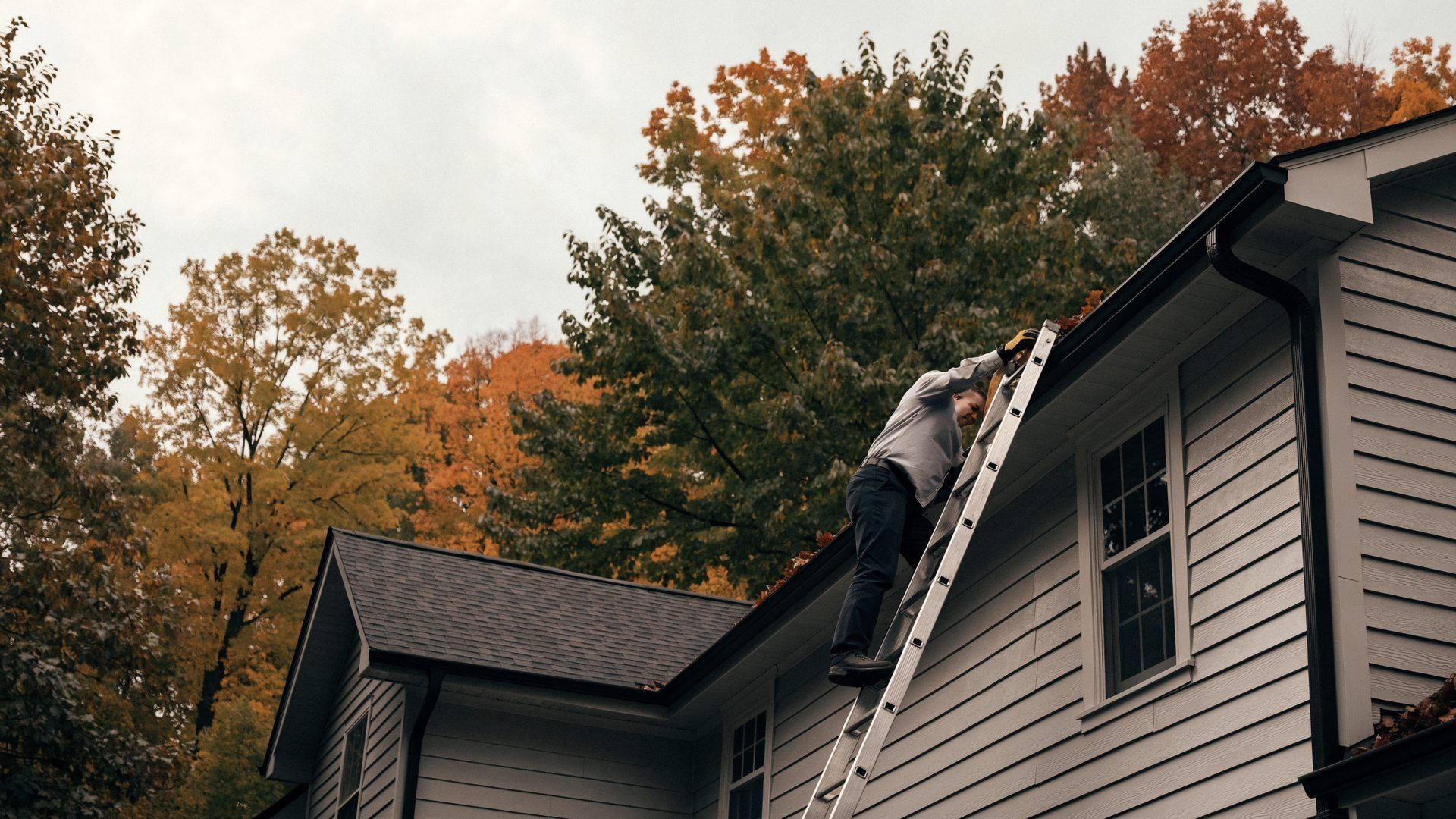
- Inspect your roof twice per year (spring and fall)
- Replace missing or damaged shingles immediately
- Keep valleys and flashing sealed
- Replace the roof when it reaches 15-20 years old (don't wait for leaks)
Insurance impact: Many insurers won't cover homes with roofs older than 20 years, or they significantly increase premiums. A new roof can reduce your premium by 10-20%, and some companies offer "new roof" discounts for the first 5 years.
Jeff's Home Improvement tip: Get a professional roof certification. Many insurers offer discounts for roofs certified within the past 10 years. We provide these certifications, and they typically save homeowners $200-400 annually in premiums, way more than the inspection costs.
2. Plumbing System Updates
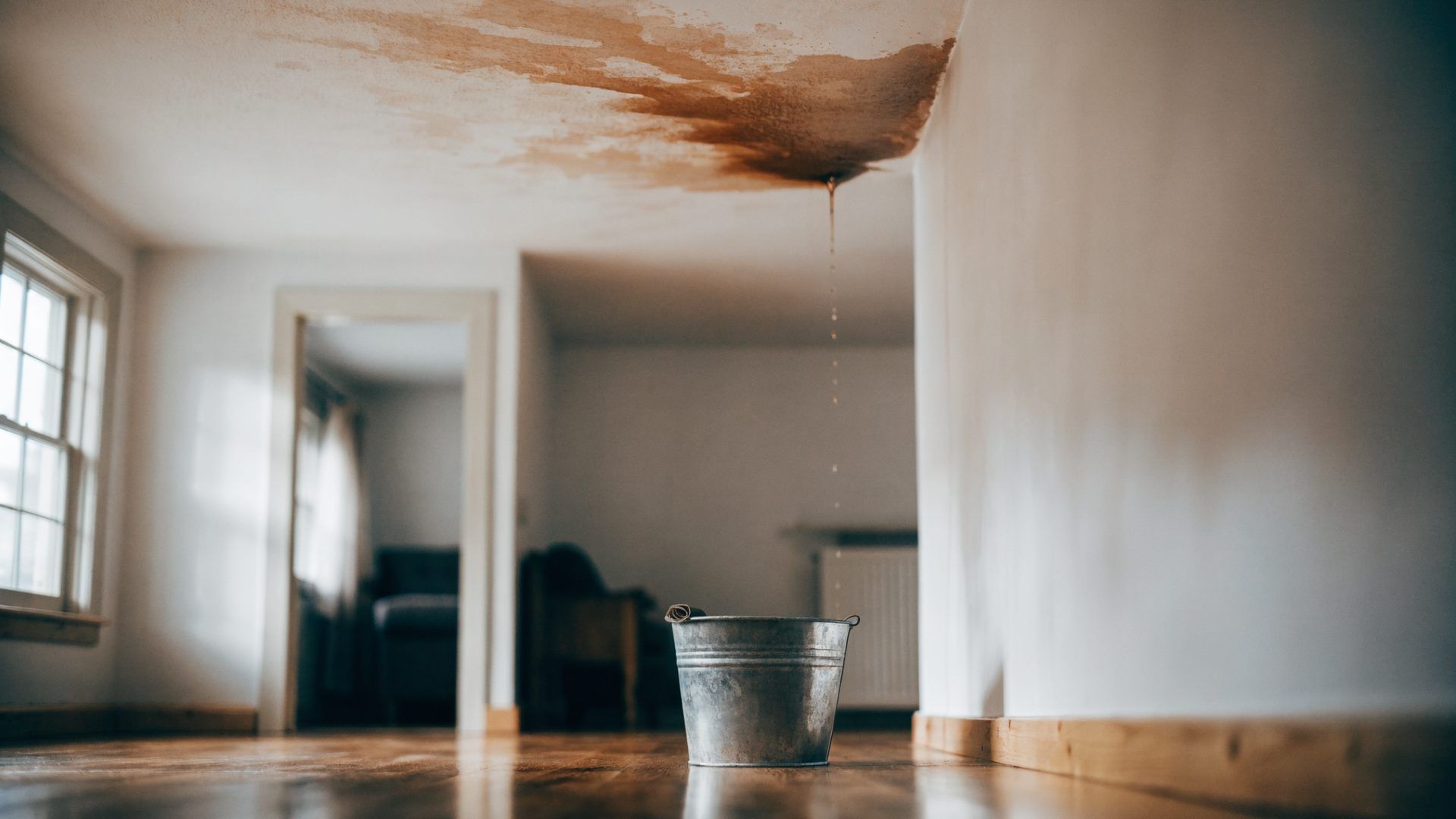
Why insurers care: Water damage claims cost insurers $13 billion per year. Old pipes, water heaters, and supply lines are ticking time bombs.
What to do:
- Replace water heater every 10-12 years (before it fails)
- Upgrade old galvanized or polybutylene pipes
- Replace rubber washing machine hoses with braided steel
- Install water leak detectors near the water heater, washing machine, and under sinks
- Inspect and maintain the sump pump if you have one
Insurance impact: Homes with updated plumbing systems can see premium reductions of 5-15%. Some insurers offer specific "water mitigation" discounts for leak detection systems (up to 5% off).
3. HVAC System Maintenance
Why insurers care: HVAC fires cause $875 million in property damage annually. Neglected systems can cause fires, carbon monoxide incidents, and water damage from condensation.
What to do:
- Annual professional HVAC inspection and tune-up
- Change filters every 1-3 months
- Keep the area around the furnace clear of combustibles
- Install and maintain carbon monoxide detectors
- Replace the system every 15-20 years
Insurance impact: Some insurers offer small discounts (2-5%) for documented annual HVAC maintenance. More importantly, you prevent fires and system failures that lead to major claims.
4. Electrical System Safety
Why insurers care: Electrical fires cause 13% of home fires and $1.3 billion in direct property damage yearly. Old wiring is a huge risk factor.
What to do:
- Upgrade old knob-and-tube or aluminum wiring
- Install GFCI outlets in bathrooms, kitchens, and outdoor locations
- Replace Federal Pacific or Zinsco electrical panels (known fire hazards)
- Address any flickering lights, warm outlets, or tripping breakers immediately
- Don't overload circuits
Insurance impact: Homes with updated electrical systems and modern panels may see premiums 10-20% lower. Some insurers won't even cover homes with Federal Pacific panels, or they require significant premium increases.
5. Tree and Landscaping Management
Why insurers care: Trees falling on homes cause $1 billion+ in claims annually. Dead trees and overhanging branches are obvious risks insurers hate.
What to do:
- Trim branches overhanging the roof (keep 10+ feet away)
- Remove dead or dying trees near the house
- Regular tree health assessments
- Clear yard of fire fuel in wildfire-prone areas
- Maintain proper drainage away from the foundation
Insurance impact: In wind-prone or wildfire areas, proper tree management can reduce premiums by 5-10%. Some insurers require tree removal as a condition of coverage.
The Annual Maintenance Calendar That Pays You Back
Let's make this actionable. Here's your month-by-month maintenance plan designed to reduce homeowners' insurance costs through preventive maintenance and help prevent claims.
Spring (March-May)
Exterior:
- Inspect roof for winter damage (shingles, flashing, valleys)
- Clean gutters and downspouts
- Checkthe foundation for cracks or drainage issues
- Inspect and service the A/C before summer
- Trim trees and remove dead branches
- Check exterior caulking around windows/doors
Interior:
- Test smoke and CO detectors
- Inspect plumbing under sinks for leaks
- Check the water heater for rust or moisture
- Service garage door and safety features
- Clean the dryer vent thoroughly
Insurance action: Take photos of completed work. Schedule a professional roof inspection if the roof is over 10 years old.
Cost: $300-800 DIY, $800-1,500 with professionals
Potential savings: Preventing one spring storm roof leak = $5,000-20,000 claim avoided
Summer (June-August)
Exterior:
- Monitor for storm damage after severe weather
- Keep yard clear of fire hazards (drought areas)
- Clean and inspect the deck/patio
- Check exterior paint and siding
- Inspect windows and doors for air leaks
Interior:
- Service the HVAC system professionally
- Replace HVAC filters
- Check attic ventilation and insulation
- Inspect the basement/crawl space for moisture
- Test the sump pump if applicable
Insurance action: Get HVAC service documentation. Update your home inventory with photos/video of valuable items (separate insurance issue, but important).
Cost: $200-500
Potential savings: HVAC fire prevention = $50,000+ claim avoided
Fall (September-November)
Exterior:
- Second roof inspection before winter
- Clean gutters and downspouts (critical for winter)
- Winterize exterior faucets and sprinkler systems
- Check the chimney and have it cleaned if used
- Seal driveway cracks
- Store or secure outdoor items (wind damage prevention)
Interior:
- Service the furnace before the heating season
- Replace furnace filters
- Check weather stripping on doors/windows
- Test all safety systems again
- Inspect the attic for signs of pests or moisture
Insurance action: Document winterization steps. Get furnace service certification. This is the prime time to call your insurer about discounts for the year's maintenance.
Cost: $400-900
Potential savings: Preventing frozen pipe burst = $10,000-30,000 claim avoided
Winter (December-February)
Exterior:
- Remove snow from the roof if excessive (prevents ice dams and collapse)
- Keep walkways clear (slip-and-fall liability)
- Monitor for ice dams
- Check for icicles indicating ice dam formation
Interior:
- Monitor pipes in unheated areas during freezes
- Keep cabinets open during extreme cold
- Maintain heating system operation
- Check for drafts and air leaks
- Review insurance policy and update coverage
Insurance action: This is planning season. Review your maintenance expenses for the past year, calculate what you spent, and prepare documentation for spring insurance renewal or the shopping season.
Cost: $100-300
Potential savings: Preventing winter weather damage = $5,000-50,000, depending on severity
Annual Professional Inspections Worth the Money
Some things need professional eyes:
Roof inspection every 1-2 years: $200-400 (saves thousands in undetected damage)
Plumbing inspection every 3-5 years: $150-300 (identifies hidden leaks and aging pipes)
Electrical inspection after storms or if the house is 20+ years old: $200-400 (prevents fires)
HVAC annual service: $150-300 (prevents breakdowns and hazards)
Termite inspection (if in a termite-prone area): $75-150 (prevents structural damage)
Total annual professional maintenance cost: $1,000-2,000
Average annual savings in prevented claims and lower premiums: $2,000-5,000+
The math works. Every. Single. Time.
The Bottom Line: Your House Is Paying You to Take Care of It
Let's do the math on a typical scenario:
Annual preventive maintenance investment: $1,500
Annual insurance savings from maintenance and discounts: $800
Average claim prevented every 5 years: $12,000
Average increased premiums avoided by preventing that claim: $2,000 (over 5 years)
Net benefit over 5 years:
- Maintenance cost: -$7,500
- Insurance savings: +$4,000
- Claim avoided: +$12,000
- Premium increases avoided: +$2,000
- Total net benefit: +$10,500
And that doesn't even count:
- Higher home value from good maintenance
- Better living conditions
- Peace of mind
- Avoiding the stress and disruption of insurance claims
The house that pays you to maintain it isn't a fantasy. It's basic financial sense that most people miss because they don't understand how preventive maintenance reduces the risk of home insurance claims.
Don't Wait for a Disaster to Get Smart About Maintenance
Sarah and Tom from Phoenix remember them from the beginning. They called us after that insurance renewal shock.
We did a full assessment. Their roof was original and failing. Their water heater was 14 years old. They had no monitoring systems. Their gutters were full of debris.
We created a priority plan:
- New roof immediately (it was about to fail anyway)
- New water heater (ticking time bomb)
- Basic monitoring systems (leak detection and security)
- Documentation of everything
Total investment: $18,000
They financed it over 5 years at 6% ($348/month payment)
Their insurance shopping with proper documentation resulted in:
- New premium: $310/month (was $512)
- Monthly savings: $202
- After loan payment: Net cash flow is negative $146/month for 5 years
- After the loan is paid off, the net cash flow is positive $202/month forever
Plus, they eliminated the risk of roof failure (a $25,000-40,000 insurance claim that would make them nearly uninsurable) and a water heater burst ($15,000-30,000 claim).
They chose to invest in their home rather than pay ever-increasing insurance premiums.
Five years from now, they'll have a beautiful, safe, well-maintained home and be saving $2,400+ annually on insurance compared to where they were heading.
Your turn.
The knowledge is here. The plan is clear. The savings are real.
The only question is: Are you going to keep overpaying for insurance while your home slowly degrades? Or are you going to take control, maintain your investment, and get rewarded for it?
Call Jeff's Home Improvement today for an insurance-focused home maintenance assessment. We'll help you identify which improvements will deliver the greatest insurance savings and prevent the costliest claims.
Your home wants to pay you back. Let's make it happen.