

Energy-Efficient Window Glass Explained for NJ Winters
Sitting on your couch while the cold air pours through the living room windows can literally move you to tears. Turning on the heater can cause your utility bills to rise exponentially. This is when you need to install energy-efficient window glass, which acts as a thermal insulator and improves window efficiency. The additional air space filled with this argon-gas blend is part of what makes triple-pane glass the most efficient type of glass.
If you're sitting in Somerset County reading this while wearing two sweaters indoors, we need to talk about your windows.
Why Windows Matter More Than Walls in Winter
Older homes around Bernardsville, Far Hills, and Hillsborough feature charming colonials and ranches from the '60s and '70s, with original windows. Though they look stunning, they actually function as expensive air conditioners in reverse.
NJ Climate and The Need for Energy-Efficient Windows
Our climate demands better, and the technology exists to deliver it.
NJ’s climate can be really harsh at times, and you'll need energy-efficient windows to keep the indoors warm year-round. These certified windows have low-emissivity coatings (also known as “low-e glass”) and insulated frames. They also have special inert gases between the glass panes (rather than just air), making them even better insulated.
Window-Glass Technologies Explained
Modern window glass isn't just "glass" anymore. Instead, it is a completely engineered system designed to keep heat where it actually belongs.
Here's what actually works in New Jersey winters:
Double-Pane Windows
They come with two pieces of glass with a sealed space between them, usually filled with argon gas. That gap creates an insulating barrier that dramatically outperforms old single-pane windows.
Triple-Pane windows
Add a third layer of glass alongside another insulating space, and you get windows like these. They're excellent, but here's the truth: if you're building a passive house or you've got extreme exposure (like a wall of windows facing north with no windbreak), double-pane with proper Low-E coatings will handle our winters just fine and save you about 30% on the upfront cost.
Low-E Coatings: The Invisible Game-Changer
Low-E stands for "low-emissivity’’.
In simple words, it keeps heat from radiating through the glass. It's a microscopically thin metallic coating —thinner than a human hair—that reflects infrared light while allowing visible light to pass through.
There are two types:
- Hard-coat Low-E is baked onto the glass during manufacturing. It's durable and pleasing, but not great.
- Soft-coat Low-E is applied in a vacuum chamber after the glass is made. It performs significantly better for insulation, which is what we care about in winter. The trade-off is that it has to be protected inside the sealed unit, but that's not an issue with quality windows.
For New Jersey, I spec soft-coat Low-E on the inside surface facing the gap. This reflects your home's heat into the room instead of letting it pass through to the cold outside pane. In summer, it works in reverse, reflecting heat away.
A window with Low-E coating can have a U-factor that's 30-40% better than the same window without it. We'll talk about U-factors in a second, but lower numbers mean better insulation.
Gas Fills: Argon vs Krypton
That space between the panes isn't filled with regular air—or at least it shouldn't be. Quality windows use argon or krypton because these noble gases are denser than air and conduct heat less readily.
Argon is the standard fill for most double-pane windows. It's affordable, effective, and stable. About 90% of the energy-efficient windows I install use argon.
Krypton is denser and performs even better, but it costs more. I typically see it in triple-pane windows or in very narrow gaps where argon wouldn't fit as well.
The gas fill makes a real difference. An argon-filled window might improve your U-factor by 15-20% compared to an air-filled unit. That translates directly to comfort and lower heating bills.
What the Numbers Mean: ENERGY STAR Targets for NJ
Here's a quick reference for what you should be looking for when shopping for windows in our Northern Climate Zone:
| Rating | What It Measures | Target for NJ | Why It Matters |
|---|---|---|---|
| U-Factor | Heat loss | ≤0.27 | Lower = better insulation |
| SHGC | Solar heat gain | 0.25–0.40 | Lower blocks summer heat; slightly higher helps in winter |
| VT | Visible light | 0.40+ | Higher = brighter rooms |
| Air Leakage | Draft control | ≤0.3 | Lower = tighter seal |
To meet ENERGY STAR certification requirements for our climate zone, windows must have a U-factor of 0.27 or lower. Most quality vinyl or fiberglass windows with double-pane Low-E glass and argon fill have a U-value of around 0.24 to 0.28. That's the sweet spot.
Installation Quality: The Hidden Variable Nobody Talks About
Here's something that frustrates me about this industry: you can buy the best windows on the market, but if the installation is sloppy, you've wasted your money.
I've done remedial work on jobs where another contractor installed premium windows but skipped critical steps. The windows themselves were great, but the homeowner still had drafts and condensation because the rough opening wasn't properly insulated and flashed.
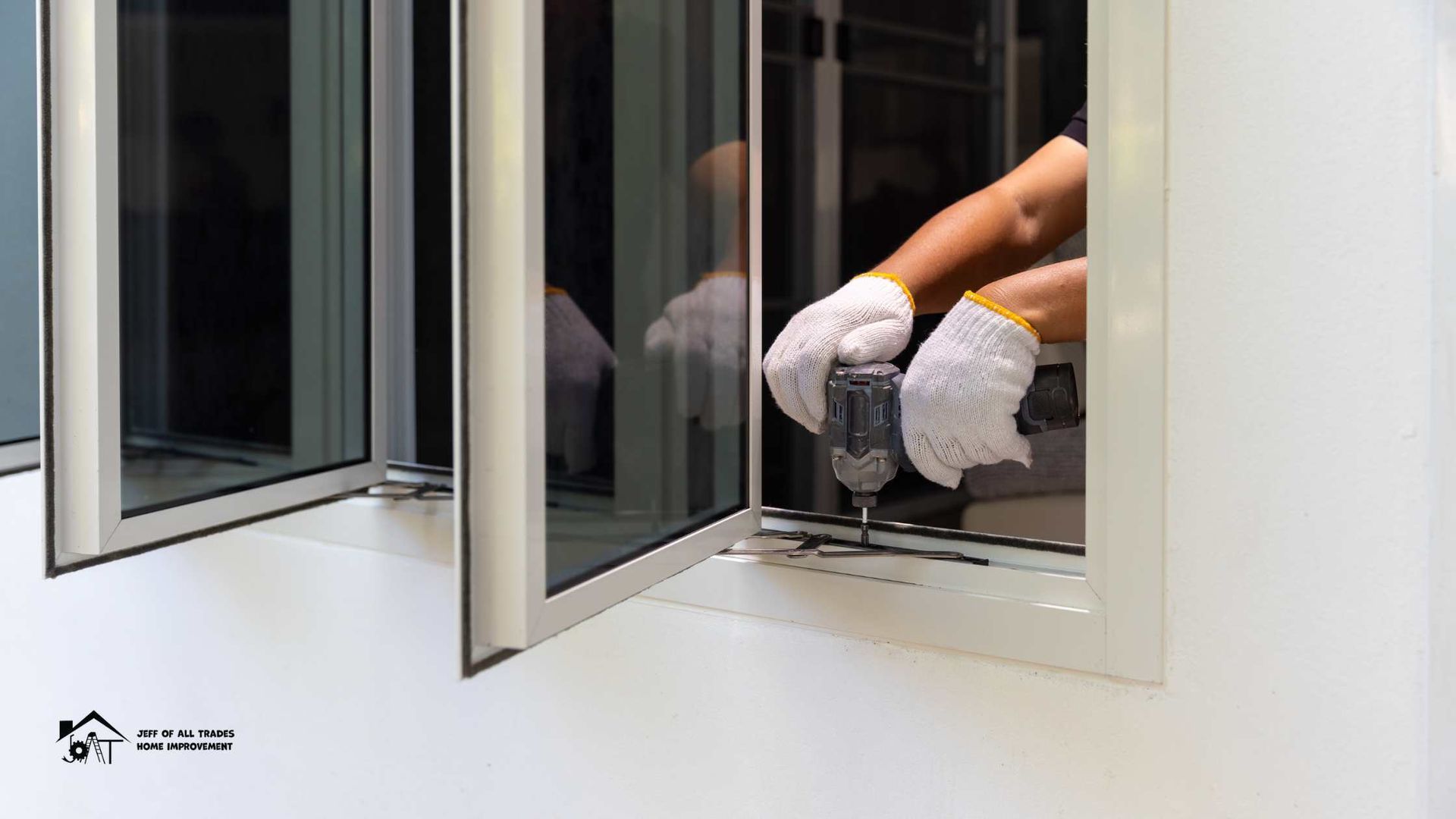
Proper window installation in New Jersey includes:
- Removing the old window completely (not just the sash—I mean the entire frame if we're doing a full-frame replacement)
- Inspecting and repairing any rot or damage in the rough opening
- Installing the new window level and plumb with proper shims
- Sealing the perimeter with low-expansion foam insulation specifically designed for windows (not that general-purpose stuff that can bow the frame)
- Installing exterior flashing tape and trim to keep water out
- Interior trim work that looks clean and professional
FAQs: Energy Efficient Windows Glass
Do I really need triple-pane windows in New Jersey?
No. Triple-pane windows offer 10-15% better insulation than a quality double-pane window with Low-E and argon, but they cost 25-40% more. For most Somerset County homes, the extra investment doesn't pay back in energy savings. I recommend double-pane for 90% of my clients and save triple-pane for extreme situations—north-facing walls with huge windows, homes in particularly windy exposed locations, or when someone just wants the absolute best regardless of payback.
Can I just replace the glass instead of the whole window?
Sometimes, but usually it's not the best move. If your window frames are in good condition and less than 15 years old, replacing only the sealed glass unit may be sufficient. But most of the time, if the glass has failed (you see fog or condensation between the panes), it means the seals have degraded, and the frame's probably not far behind.
Request Your Free Estimate
Call:
(908) 963-3533
Final Thoughts: Energy Efficient Window Glass
Energy-efficient windows aren't just about saving money—they're about making your home comfortable, protecting it from our harsh NJ weather, and investing in something that's going to serve your family for decades.
Let's talk about what new windows can do for your home.
Get
window replacement services today!
Contact Jeff of All Trades Home Improvement
for more information!