

Kitchen Island Sizing Rules for Flow and Seating Comfort
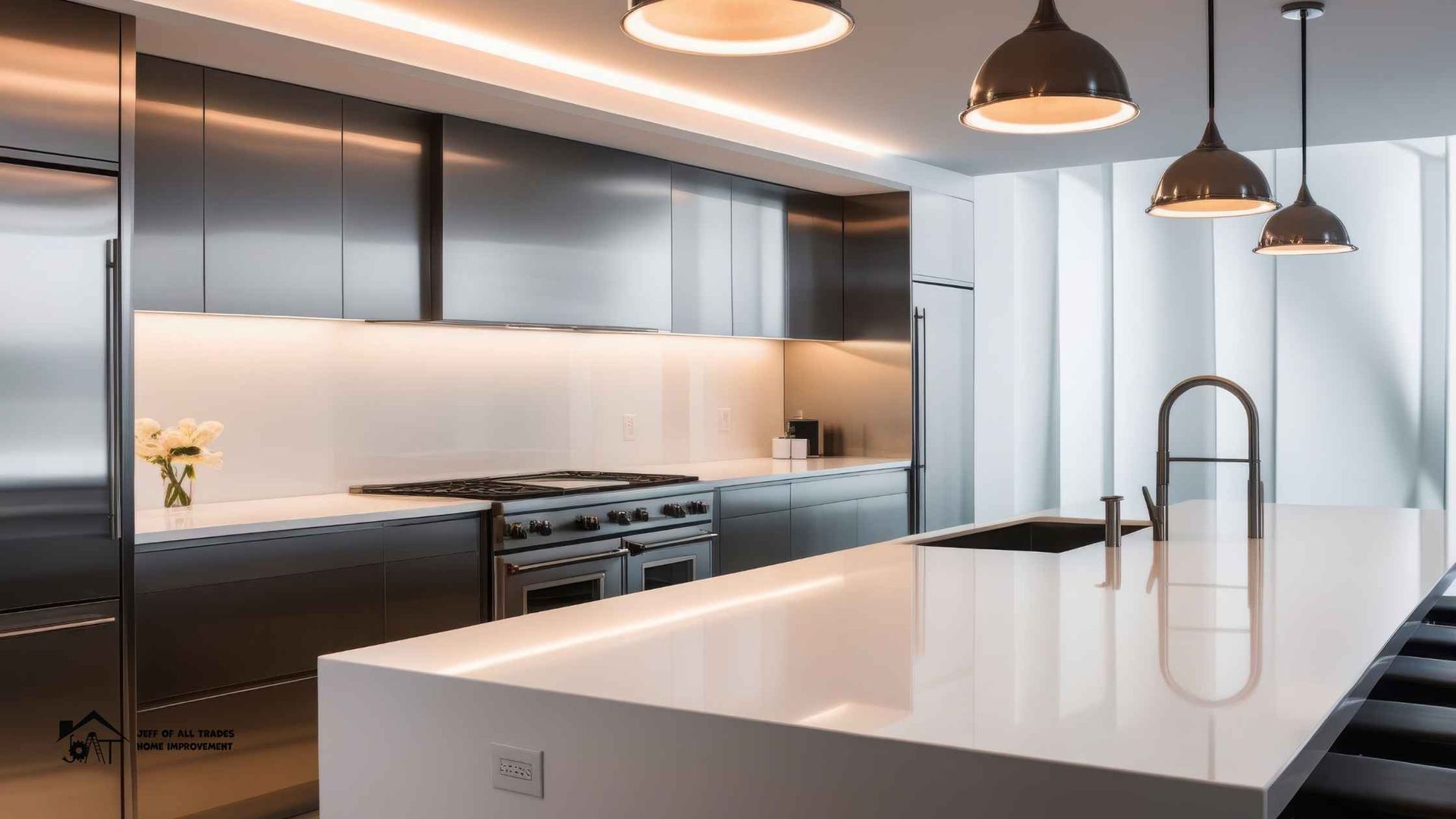
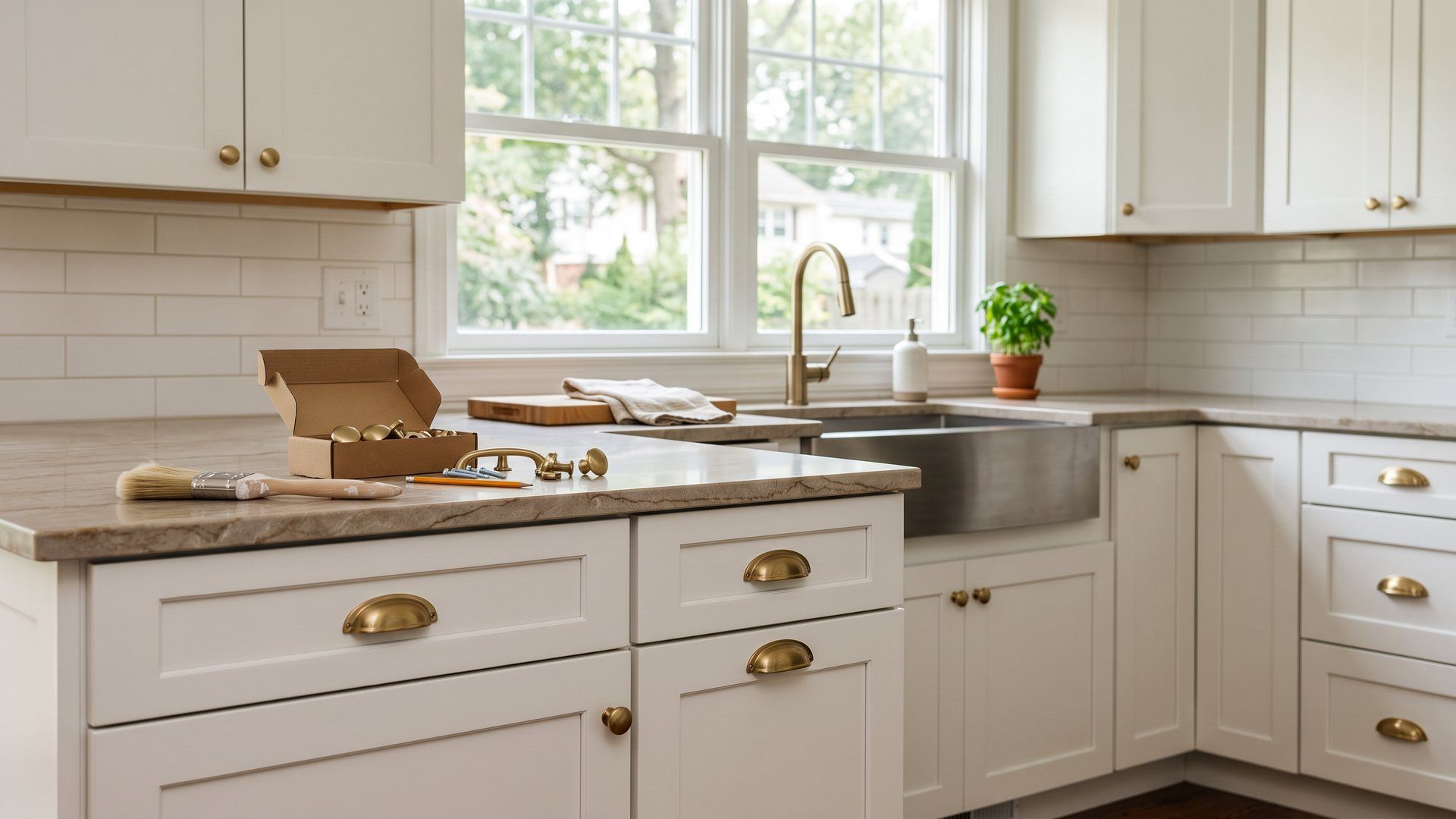
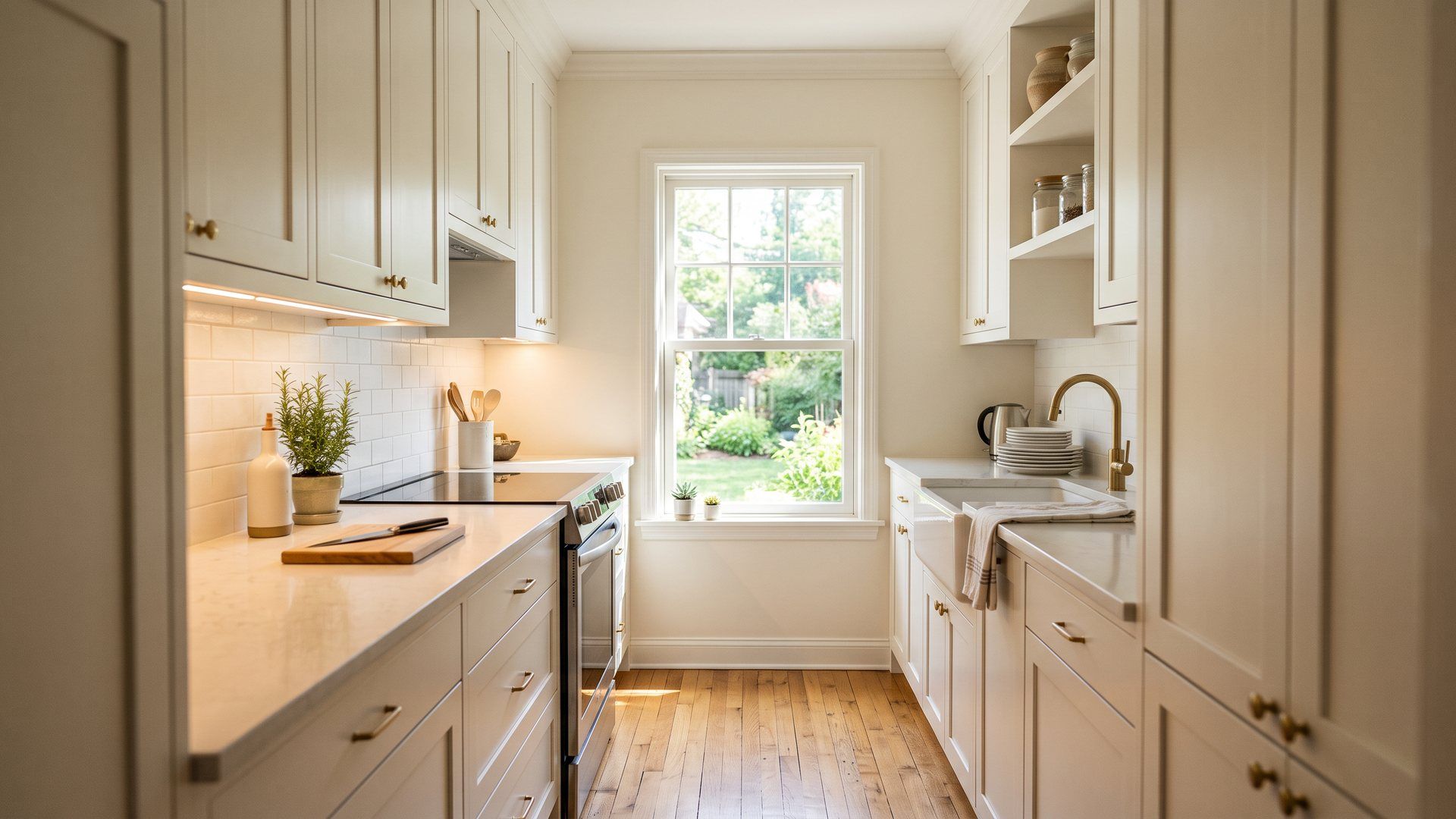
Nothing says “come hang out” quite like a well-proportioned kitchen island. Done right, it becomes a breakfast table, homework hub, and sous-chef station all in one. Done wrong, it turns the room into an obstacle course.
Check out this manual, which contains everything from cabinet-maker specs to construction codes, showing exactly how much area you really need for circulation and for seating that people will actually use. It offers you practical sizing rules for easy flow & seating comfort in modern kitchen designs.
First Things First: Can Your Room Even Fit an Island?
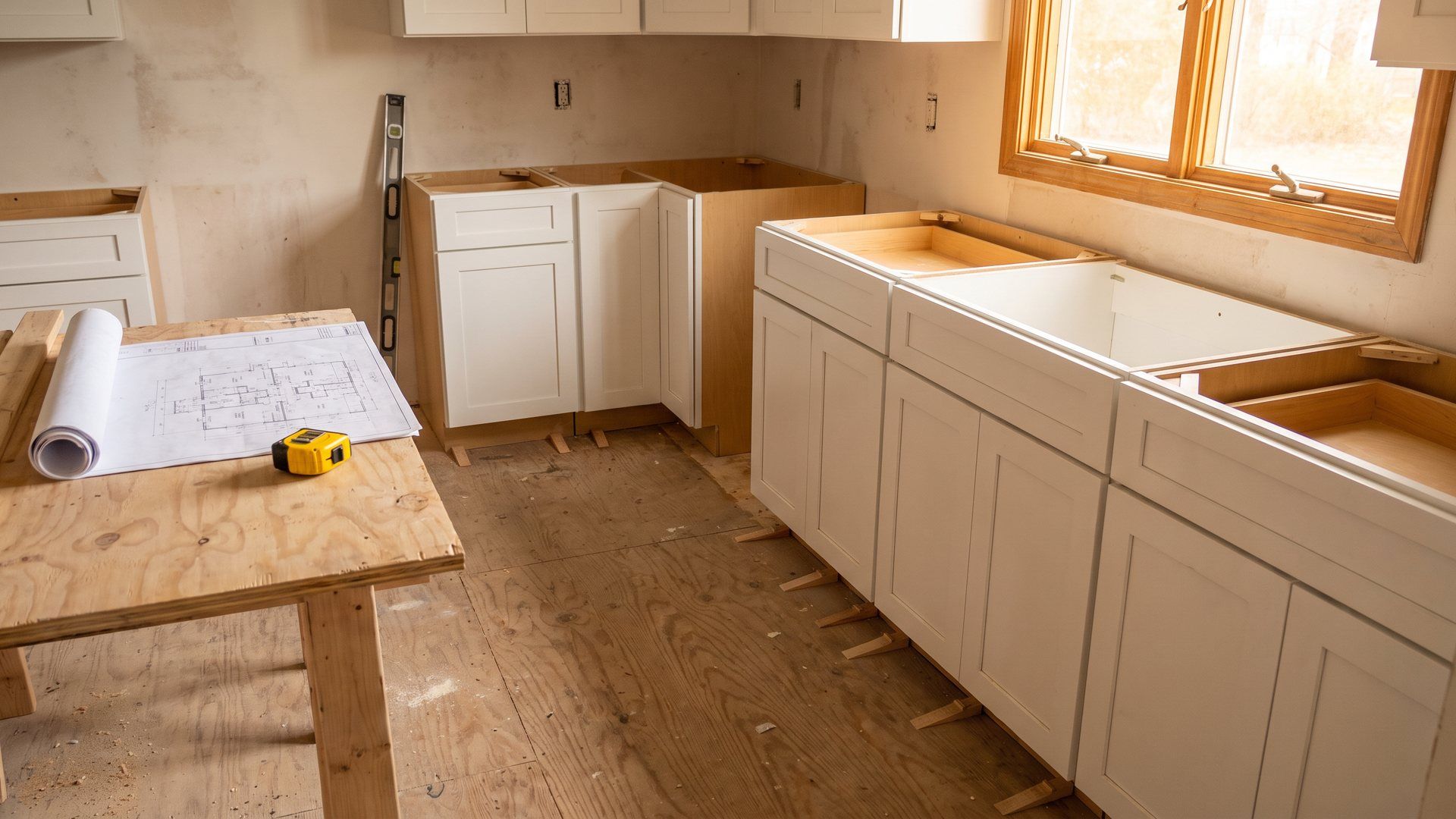
I am sure that you have already fallen in love with Pinterest pictures. But before you put your moodboard into reality, grab a tape and check two numbers:
Minimum clear walking aisle around the island:
- 42 in. (107 cm) if one side faces a run of cabinets
- 48 in. (122 cm) if both sides are active work zones with appliances
If you get anything that is even a little tighter than these measurements, you’ll end up playing bumper-cars with open dishwasher doors.
Room length: You need the island length plus those clearances at both ends.
Example: A 6-ft (1.8 m) island sandwiched by two 4-ft aisles demands a 14-ft (4.3 m) long kitchen.
If your kitchen can’t spare that much real estate, consider a slim rolling cart or peninsula instead.
The Golden Triangle vs. The Island
Classic kitchen planning keeps the cooktop, sink, and fridge inside a 26-ft (8 m) imaginary triangle. Plunking an island in the wrong spot breaks that flow. Place the sink or hob on the island only if you can still hit these triangle legs without crossing a seating zone.
Core Island Dimensions
| Function | Depth (front-to-back) | Length | Height |
|---|---|---|---|
| Prep-only | 24–30 in (61–76 cm) | 4 ft min (1.2 m) | 36 in (91 cm) counter height |
| Prep + 2 seats | 36–40 in (91–102 cm) | 5 ft min (1.5 m) | 36 in |
| Prep + 4 seats | 40–44 in (102–112 cm) | 7 ft min (2.1 m) | 36 in or split-level |
Think of 36 in depth as the tipping point: anything shallower struggles to give both prep space and overhang for knees.
Some Tips To Follow
Follow these tips, and you’ll get the modern kitchen design that's just the right one for you:
The Real-World Math Behind a Comfortable Stool
Discovering that two grown-ups can’t sit without knocking elbows on your kitchen’s stools is such a turn-off. A dependable rule is to allot at least twenty-four inches of horizontal counter per person for everyday meals, and closer to thirty if you expect steak knives and a laptop.
Give knees fifteen inches beneath the counter for an overhang at the standard thirty-six-inch height. Less than that, and thighs will press against wood; more and the countertop needs discreet steel braces to prevent sag.
Appliances, Sinks, and the Temptation to Do Too Much
If you want the modern kitchen island to also work as a miniature command centre, including everything from the prep sink to the dishwasher and pop-up outlets, be sure to ensure there is no annoying wiring.
A prep sink makes sense if the main sink sits across the room; just leave at least eighteen inches of landing counter on both sides so wet colanders don’t drown your cutting board.
Flow on the Seating Side
The walkway behind the stools should be:
- 36 in (91 cm) for a light-use passage
- 44–48 in (112–122 cm) if it’s a major route to the patio, pantry, or fridge
Multi-Level Islands: Worth It?
A raised 42-in bar ledge hides dirty dishes and adds visual interest, but:
- It reduces overall depth by 6 inches while maintaining the same knee space.
- Passing platters up and down levels gets old fast.
If you entertain formally, go split-level. For everyday family life, a generous 36-in plane is easier.
Common Mistakes & Easy Fixes
| Mistake | Consequence | Fix |
|---|---|---|
| Oversized counter stools | Stools stick out, walkway shrinks | Measure stools first; plan aisle later |
| 12-in overhang at 36-in height | Knees knock | Add steel L-brackets, extend top to 15 in |
| Island dead-center under ceiling fan | Fan kills pendant lighting vibe | Shift fan or island 6–8 in |
| Cabinet doors on the stool side | No one opens them |
Final Checklist Before You Sign Off
- At least 42 in all around?
- 24 in seating width per person?
- 15 in knee space?
- Outlets planned into the end panels?
- Lighting: pendants, centerline one-third in from each end?
- Can the floor structure handle the additional stone weight (40 lb/sq ft)?
Tick every box and your island won’t just look magazine-worthy—it’ll live well day after day.
Conclusion
A kitchen island is real estate you’re adding to the heart of your home. Size it with a carpenter’s precision and a host’s empathy, and it will pay you back by letting you make lots of beautiful memories while you prepare meals each day. Head towards
Jeff's Home Improvement for just the right services!