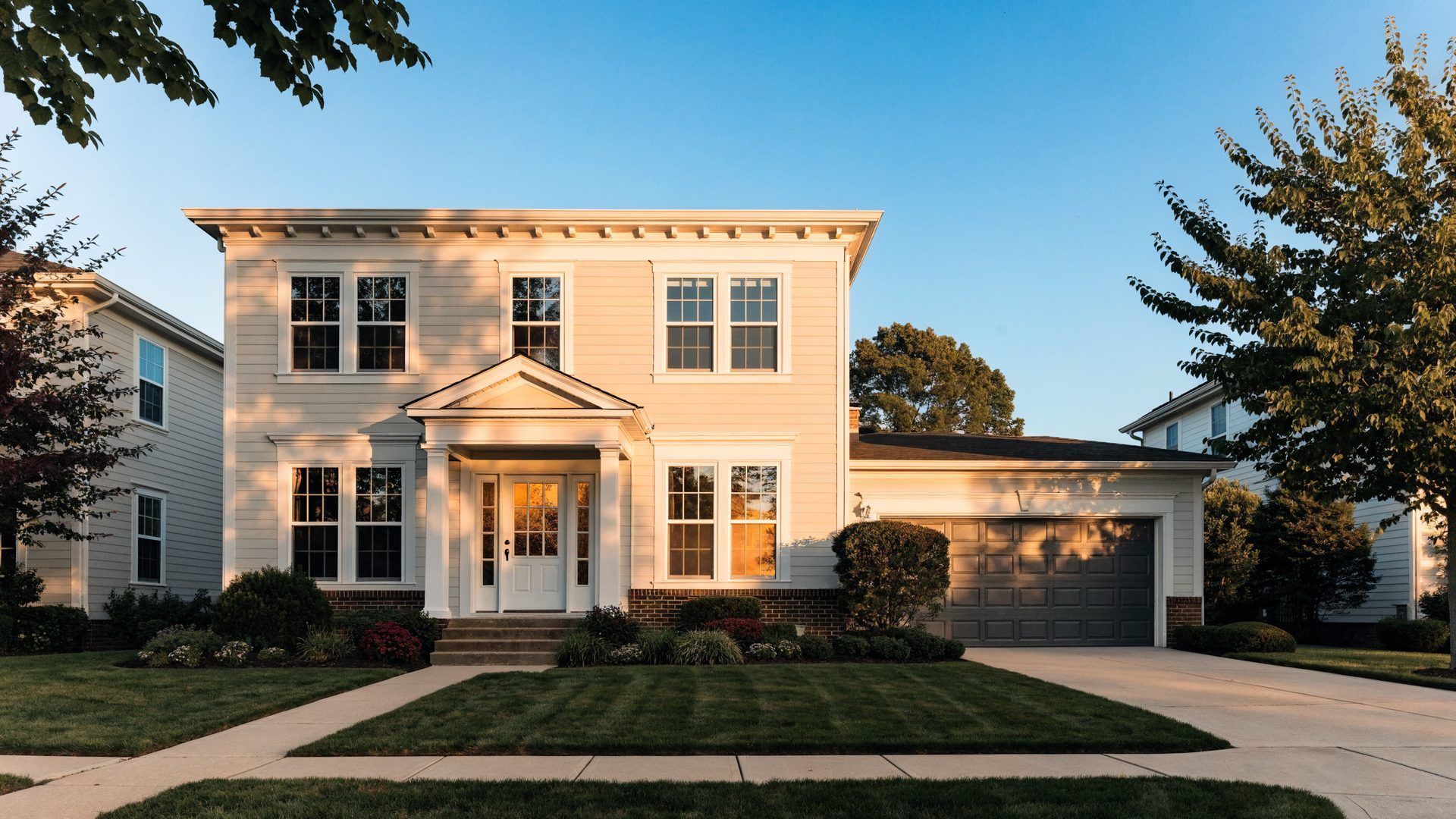


NJ Winter Prep: Insulating Windows to Lower Heating Bills

Remember last winter’s heating bill? That icy draft you feel even when the thermostat is cranked up? As another New Jersey winter approaches, with its Nor’easters and skyrocketing utility rates, your windows are a significant battleground in the war against heat loss. Up to 30% of your home's heating energy can escape through them. Properly insulating windows in NJ isn't just about comfort; it's a direct investment in lowering your monthly bills and achieving significant winter energy savings.
Why Your Warm Air Vanishes
Heat escapes through windows in three primary ways. Conduction is heat passing directly through the glass panes. Convection is the movement of air currents, where cold air by the window sinks and circulates. Infiltration is the most common culprit: air leaking through gaps and cracks in the window frame, a classic drafty window fix.
At a Glance: Window Insulation ROI Comparison
| Solution | Material Cost (per window) | DIY Difficulty | Lifespan |
|---|---|---|---|
| Adhesive Weather-stripping | $5 – $10 | Low | 1–3 years |
| Rope Caulk | $3 – $5 | Very Low | 1 season |
| Shrink-Film Kits | $4 – $8 | Low | 1 season |
| Thermal Curtains | $50 – $150 | Very Low | 5+ years |
| Interior Storm Panels | $100 – $250 | Moderate | 10+ years |
| Full Window Replacement | $800 – $1,500+ | Pro Only | 20+ years |
DIY Fix #1: Applying Adhesive Weather-stripping
This is a frontline defense for operable windows. Foam or rubber weather-stripping creates a seal where the window sash meets the frame, stopping infiltration cold.
- Tools & Supplies: High-density foam or V-strip weather-stripping ($15 for a 30-foot roll), measuring tape, scissors, and an alcohol-based cleaner.
- Installation Steps: First, clean the inside of the window stop and the bottom of the sash thoroughly with rubbing alcohol to ensure good adhesion. Measure the lengths you need and cut the stripping. Peel back the paper backing a few inches at a time, and press the adhesive side firmly into place along the channel where the sash closes. For double-hung windows, apply it to the bottom of the lower sash and the top of the upper sash.
- Pro Tip: In our humid NJ climate, cheap foam can absorb moisture and compress. Opt for a quality EPDM rubber V-strip for better durability and a tighter seal.
- Time to Complete: About 15–20 minutes per window.
DIY Fix #2: Sealing Gaps with Rope Caulk
For non-operable joints and older, drafty windows you don’t plan to open all winter, rope caulk is a simple, effective, and removable solution. It’s like Play-Doh for grown-ups.
- Tools & Supplies: A roll of rope caulk (about $9 for a 90-foot roll) and a putty knife or 5-in-1 tool.
- Installation Steps: Clean the area of any dust or grime. Unroll a strand of the caulk and use your fingers to press it firmly into the gap between the window sash and the frame. Use the putty knife to push it deeper into the crack for a tighter seal. You can easily layer strands for larger gaps. It remains pliable in the cold and peels off cleanly in the spring without damaging paint.
- Pro Tip: If you have condensation issues, rope caulk won't trap moisture against wood like permanent caulk can, making it a safer choice for historic homes in places like Morristown.
- Time to Complete: About 10 minutes per window.
DIY Fix #3: Installing Shrink-Film Kits
This method creates a pocket of insulating air that acts like a temporary double-pane window. It’s one of the most effective DIY methods for stopping both drafts and conductive heat loss.
- Tools & Supplies: A window insulation kit ($20 for a 5-window kit), measuring tape, scissors, and a standard hair dryer.
- Installation Steps: Apply the included double-sided tape around the interior face of your window trim, ensuring the surface is clean and dry. Cut the plastic film roughly one inch larger than the taped area. Starting at the top, carefully press the film onto the tape, working your way down and keeping it taut. Once it’s attached, use a hair dryer on medium-high, holding it 4-6 inches away. The heat will shrink the film, removing all wrinkles and creating a crystal-clear, tight seal.
- Pro Tip: Don’t overheat one spot; keep the hair dryer moving to avoid melting a hole in the film.
- Time to Complete: About 20 minutes per window.
DIY Fix #4: Hanging Thermal Curtains
The easiest solution of all, thermal curtains provide a heavy barrier that blocks drafts and reduces heat loss, especially at night. They work best on windows that get hit by those strong winter wind gusts off the Shore.
- Tools & Supplies: Thermal-lined curtains ($50-$150 per pair) and a sturdy curtain rod.
- Installation Steps: Simply hang the curtains as you would any other. For maximum effectiveness, ensure they are wide enough to extend several inches past the window frame on both sides and long enough to reach the floor or windowsill. This creates a sealed air pocket. Keep them closed at night and on cloudy days, but open them on sunny days to take advantage of passive solar heating.
- Pro Tip: Look for curtains with a high-quality thermal lining. The thicker and heavier the curtain, the better its insulating properties (known as R-value).
- Time to Complete: About 15 minutes per window (if a rod is already installed).
DIY Fix #5: Building Interior Storm Panels
For the serious DIYer, custom-fit interior storm panels offer near-replacement-window performance at a fraction of the cost. These are removable panels of clear acrylic or glass held in a frame.
- Tools & Supplies: Acrylic sheeting, wood or vinyl frame material, weather-stripping, screws or magnetic clips, and basic carpentry tools. Costs vary widely by material, ranging from $100 to $250 per window.
- Installation Steps: Carefully measure the interior of your window opening. Build a simple frame and secure the acrylic sheet within it. Apply compression weather-stripping around the perimeter of the frame. Install the panel on the inside of your existing window using clips or a magnetic system for an airtight seal. This is a more involved project but provides excellent winter energy savings.
- Pro Tip: Condensation can form between the storm panel and the primary window. Drilling a tiny weep hole or two at the bottom of the frame can allow this moisture to escape without compromising performance.
When to Repair vs. Fully Replace Windows
While DIY fixes are significant, some windows are beyond saving. It’s time to call a professional Somerset County handyperson or window contractor if you see:
- Condensation between the panes: This means the seal on your double- or triple-pane window has failed. The insulating gas has been removed, and its R-value is compromised.
- Rotted wood: Soft, crumbling wood in the sash, sill, or frame is a structural problem that also allows for massive air and water infiltration. A simple caulk job won't fix this.
- Cracked glass or sashes: A cracked pane is an obvious problem, but a cracked sash (the part of the window that holds the glass) can be just as bad, compromising the window’s stability.
- Difficulty operating: If a window is nearly impossible to open or close, the frame may be warped or the balance system broken. This often indicates larger structural issues.
For these issues, investing in new, high-performance Energy-Star rated windows is the best long-term solution for insulating windows in NJ homes. You can also get window insulating services in NJ from Jeff’s.
NJ Rebates & Tax Credits to Help You Save
Upgrading your windows doesn't have to be an entirely out-of-pocket expense. New Jersey homeowners can take advantage of several programs:
- NJ Clean Energy Program: Offers rebates and financing options for qualifying high-efficiency window replacements.
- Federal Energy Efficiency Tax Credit: Provides a 30% tax credit on qualifying exterior windows, up to a maximum of $600 annually.
- Local Utility Rebates: Companies like PSE&G and JCP&L often offer their own rebates for home energy audits and air-sealing measures, which go hand in hand with window improvements.
Cost Example: 1970s Colonial in Hillsborough
Let's break down the costs for a typical 3-bedroom, 12-window colonial:
- Aggressive DIY Approach:
- Rope caulk for all 12 windows: 2 rolls @ $9/roll = $18
- Shrink-film kits for all 12 windows: 3 kits @ $20/kit = $60
- Foam weather-stripping for four operable windows: 1 roll @ $15 = $15
- Total DIY Cost: ≈ $93
- Professional Replacement Approach:
- Twelve new, mid-grade vinyl double-hung Energy Star windows were installed.
- Average cost per window (incl. labor): $900
- Total Pro Cost: ≈ $10,800 (before any rebates or credits)
Common Mistakes to Avoid
- Using permanent interior caulk that will damage paint when removed.
- Forgetting to thoroughly clean surfaces before applying adhesive tapes.
- Applying weather-stripping in a way that obstructs the window from closing and locking correctly.
- Blocking weep holes on the exterior of vinyl or metal windows to prevent water from trapping.
FAQs: Insulating Windows to Lower Heating Bills
Will plastic film trap moisture and cause my wood sashes to rot?
If installed correctly on a dry window, it shouldn't. The film creates a vapor barrier. If you have excessive indoor humidity, moisture can condense on the cold film. Running a dehumidifier can help. The real danger is pre-existing moisture, so ensure sills are dry before sealing them for winter.
Can I apply adhesive weather-stripping when it’s below 40°F?
It's not recommended. Most adhesives need temperatures of 50°F or higher to bond properly. Apply it during a mild autumn day before the deep cold sets in.
How long do thermal curtains last?
A high-quality pair of thermal curtains can last 5-10 years or more with proper care. They are a durable, long-term investment in both style and efficiency.
Does installing interior storm panels require a permit in NJ?
No. Because interior storm panels are non-permanent and do not alter the home's structure, they typically do not require a building permit in New Jersey municipalities.
A Pro Tip for Older Homes
Many older homes in our area have beautiful, original double-hung windows with sash weights and pockets. A common DIY mistake is to inject expanding spray foam into these pockets to stop drafts. Please don't do this! You will gum up the weights and pulleys, permanently turning off the window. A skilled handyman knows how to properly insulate these pockets with fiberglass or wool without compromising the window's function. It's a nuanced job that requires experience.
Get a Professional Assessment for Your Windows
Feeling overwhelmed? Deciding between a simple drafty window fix and a full replacement is a big decision. With 20 years of experience helping homeowners in Somerset County and beyond, Jeff Of All Trades Home Improvement can inspect your windows and provide an honest, practical plan for insulating windows NJ style—effectively and affordably.
Let's make your home more comfortable and cut those heating bills before the first snowfall.
- Call or Text for a Free, No-Obligation Quote: 908-963-3533
- Email Us Your Questions: jeffofalltradeshandymanservice@gmail.com
- Proudly Serving: Bedminster, Basking Ridge, Bernardsville, Far Hills, Gladstone, Hillsborough, Warren, and surrounding towns.