New Jersey Homeowner’s Guide to Water-Saving Bathroom Fixtures
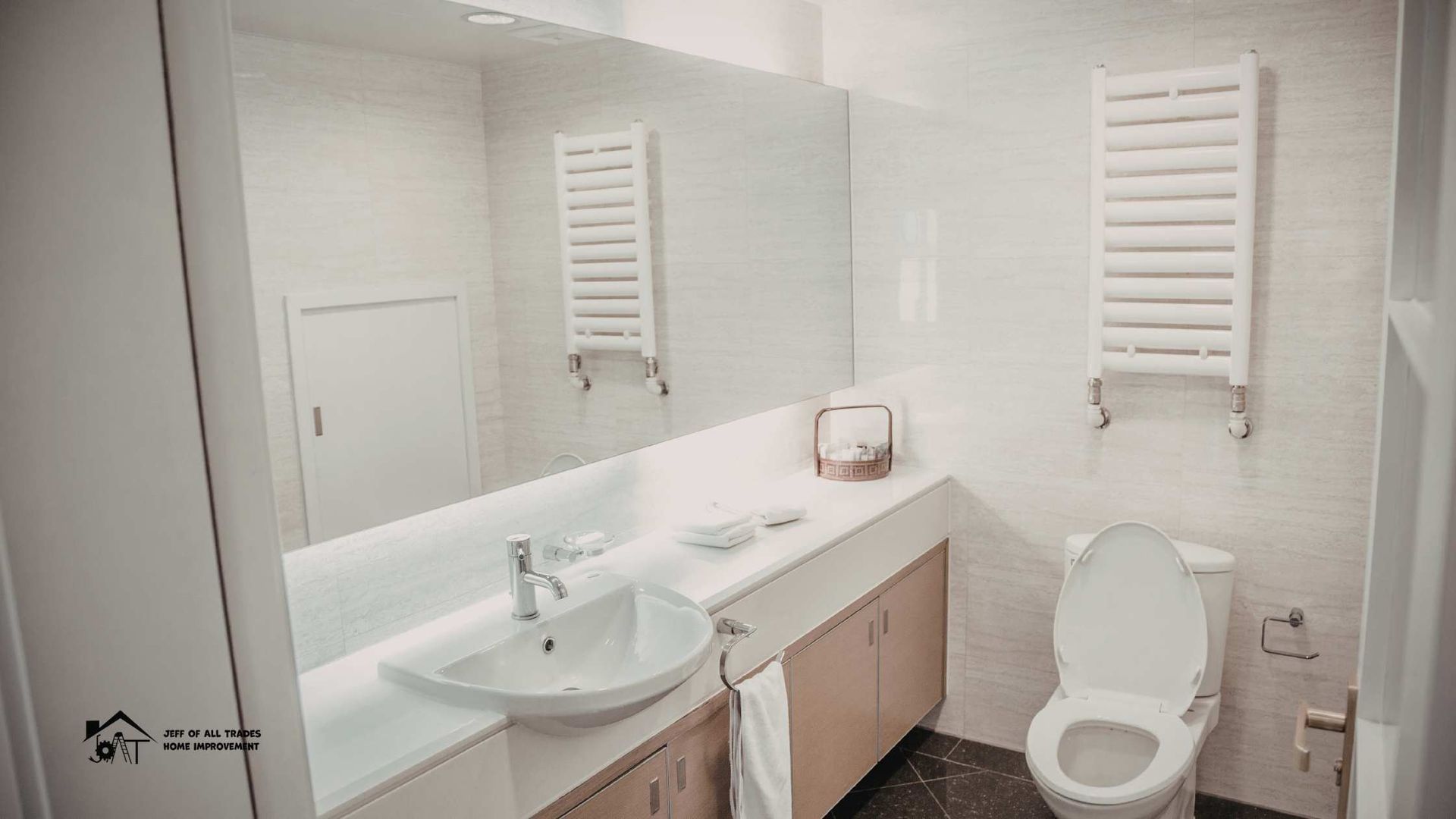
If you’re a New Jersey homeowner gearing up for a remodel or simply looking to lower those eye-popping water bills, you’ve just tapped into the right resource. In the Garden State, water isn’t something we can afford to take for granted. From summer drought advisories along the Shore to aging infrastructure in North Jersey’s sprawling suburbs, every drop—and every dollar—counts. And here’s a reality check: about 60% of home water use goes straight down the bathroom drain.
But here’s the good news: today’s high-efficiency toilets, faucets, and showerheads let you cut bathroom water use by more than half, without sacrificing performance or comfort. Plus, between WaterSense labels, new state codes, and rebates of up to $100 per fixture, going green in your powder room or master bath is easier—and more rewarding—than ever.
In this guide, we’ll cut through the jargon, decode those efficiency labels, and give you straight answers on what to buy, how to install it, how much you’ll save, and how to claim every dollar in state and utility rebates. Whether you’re updating that 1980s ranch or breaking ground on a new build, this guide is your streamlined roadmap to more brilliant, more sustainable, and more cost-effective bathroom choices.
Why Water Conservation Matters in New Jersey
Let’s call it like it is: New Jersey’s water challenges may fly under the radar, but they’re real and growing. Here’s why making water-wise choices in your bathroom matters more here than almost anywhere else in the U.S.:
1. Aging Infrastructure: Over 20% of New Jersey’s drinking water is lost through leaky pipes before it ever reaches your faucet (NJDEP, 2023). That’s millions of gallons wasted every day, which drives up both water and sewer bills.
2. Seasonal Droughts & ‘Drought Watch’: From Sussex County’s rolling hills to Cape May’s beachfront, drought advisories are an annual routine. In 8 of the last 12 years, at least part of NJ was under a “Drought Watch” or “Alert.”
3. Rising Fees and Stressed Aquifers: Water and sewer rates in NJ have climbed 35% since 2010. Overdrawn aquifers threaten drinking water supplies, especially in fast-growing counties like Monmouth and Ocean.
4. Bathroom Water Waste: The average NJ household uses roughly 70 gallons per person per day indoors.
Understanding Efficiency Labels: WaterSense, MaP Scores, GPF, and GPM
Before you head to the hardware store or browse endless Amazon listings, a quick decoder ring for efficiency jargon:
EPA WaterSense:
If you see the blue WaterSense label, you’re good to go. This EPA-backed certification guarantees a toilet, faucet, or showerhead that uses at least 20% less water than federal baseline models—without sacrificing performance. To earn this stamp, a fixture must pass strict third-party testing for efficiency and functionality.
Gallons per Flush (GPF):
Standard toilets from before 1994 can guzzle up to 3.5-7 gallons per flush. WaterSense toilets are limited to 1.28 GPF or less—a significant reduction.
Gallons per Minute (GPM):
This indicates how quickly water flows from a fixture. Most pre-1992 showerheads blast out 5-8 GPM. Modern WaterSense picks flow at 2.0 GPM or less. The same applies to faucets (maximum 1.5 GPM for WaterSense).
MaP Score:
MaP (Maximum Performance) scores toilet flushing performance based on how many grams of waste it reliably flushes (up to 1,000g). For real-world performance, look for models at 350+ grams—no more double-flushing or embarrassing “clogs.”
Toilets: High-Efficiency Choices, Performance Comparisons & Rebate Details
1. High-Efficiency Toilets (HET)
Ready for some shocking math? That old commode could be your home’s thirstiest water hog. Replacing a modern HET can reduce bathroom water use by up to 40%, saving a family of four over 13,000 gallons—and $110—per year (EPA studies, 2022).
Types & Specs:
- Single-Flush HET: Capped at 1.28 GPF; simple, reliable.
- Dual-Flush: Provides “number one” and “number two” flush options (typically 0.8/1.28 GPF).
| Brand/Model | GPF | MaP Score | NJ Rebate Eligible |
|---|---|---|---|
| Toto Drake II | 1.28 | 800 | Yes |
| American Standard ActiClean | 1.28 | 1000 | Yes |
| Kohler Wellworth | 1.1/1.6 | 1000 | Yes (dual) |
| Niagara Stealth | 0.8 | 600 | Yes |
Best For:
- Master baths: Go dual-flush for efficiency and flexibility.
- Powder rooms or infrequently used baths: Single-flush HETs (lowest cost, easiest maintenance).
How to Claim the Rebate:
Most major NJ utility providers, such as New Jersey American Water and SUEZ, offer $50–$100 rebates for verified WaterSense-labeled toilets.
2. Pro-Tips for NJ Homeowners
- Insist on WaterSense: It’s required for most public utility rebates.
- Check Waste-Line Compatibility: Ancient homes may need an extra-wash toilet (consult a plumber or MaP guide).
- DIY Install or Pro: Replacing a toilet is a manageable weekend project, but shifting from a 10” to a 12” rough-in or replacing corroded pipes requires professional help.
Showerheads: Balancing Pressure, Flow, and Satisfying Showers
If you’ve ever shivered under a trickle, you know low-flow doesn’t always mean luxury. Cut-rate models may leave soap in your hair, but today’s best WaterSense showerheads create a spa-worthy experience and significant savings.
1. Flow, Feel, and Features
- WaterSense Minimum: 2.0 GPM at 80 psi
- Best Pick Range: 1.5 - 1.8 GPM
- Technology: Engineered spray plates, aeration, and “pulse” or “power-rinse” settings create pressure while using less water.
2. Top-Rated Showerheads Under $50
| Brand/Model | GPM | Notable Feature |
|---|---|---|
| Speakman Hotel Anystream | 1.75 | Intense massage |
| Moen Magnetix Engage | 1.75 | Detachable hose |
| High Sierra Classic | 1.5 | Patented force spray |
| Delta H2Okinetic | 1.75 | Chunky droplets |
| Niagara Conservation Earth | 1.25 | Ultra water saving |
Notable NJ Fact:
The New Jersey Division of Environmental Protection ranks “installing low-flow fixtures” as the #1 household water-saving step. Homeowners report annual savings of up to 7,000 gallons per shower.
Real World Test:
A Jersey City family of four switched from 3.5 GPM heads to 1.75 GPM, achieving $88/year in savings with no change in shower satisfaction.
DIY Tip: Look for units with easy-to-clean nozzles to prevent mineral buildup—critical in North Jersey’s hard-water zones.
Faucets & Valves: Efficient, Durable, and Convenient
Forgotten but essential, faucets and valves chew through serious water—especially in busy family homes.
1. Aerated & Laminar-Flow Faucets
- WaterSense Certified: 1.5 GPM or less.
- Aerators: Mix air with water for a soft, splash-proof flow.
- Laminar flow: Delivers a “solid” stream; ideal for high-traffic areas (think: guest baths, powder rooms).
Pro Tip: Add screw-on WaterSense aerators to any standard faucet for under $10—fast ROI.
2. Motion-Sensor & Metering Valves
Perfect for the powder room or guest bath, these shut off automatically to prevent accidental overuse (or kids with a fascination for running taps).
| Brand/Model | Type | GPM | Sensor Type |
|---|---|---|---|
| Moen Align | Touchless | 1.2 | IR |
| Sloan SOLIS | Metered Valve | 0.5 | Timer |
| Delta Essa | Touch-On | 1.5 | Capacitive |
3. Cartridge Quality
Splurge on ceramic disc cartridges for drip-free, durable performance—less maintenance, less waste.
Local Regulations & Plumbing Codes: What NJ Homeowners Must Know
Renovating? Don’t skip the basics—every fixture you install in New Jersey must comply with state plumbing codes. Here’s what’s on the books as of the 2021 update:
- Toilets: 1.28 GPF max (WaterSense label strongly advised)
- Showerheads: 2.0 GPM max per shower opening
- Lavatory Faucets: 1.5 GPM max
- Replacement Parts: Aerators and retrofits must also meet WaterSense specs
Permits & Inspections:
Any major plumbing work (new water lines, moving a fixture, or full gut remodel) demands a permit and may require a final municipal inspection. Minor swaps (showerhead or faucet aerator changes) generally don’t. Always check with your township code office before tearing into tile!
Incentives & Rebates: How to Claim $50-$100 Per Fixture
New Jersey leads the region in water-efficiency incentives, with programs from local utilities, the state, and even county partners. Here’s your step-by-step map to claim every eligible rebate:
Check Your Fixture
- Must be WaterSense certified (most require submission of model # and proof of purchase)
- Save your receipts and packaging!
Documentation
- Fill out the rebate form (usually requires a scanned receipt and sometimes a pre-installation photo)
- Submit within 60-90 days of purchase/installation
Get Your Check
- Rebates are typically $50–$100 for each new WaterSense toilet, $25–$50 for showerheads, $25–$50 for faucets (check your provider for updates)
- Allow 4-6 weeks for processing
Insider Pro-Tip: Stack rebates with store sales or manufacturer promotions for bigger upfront savings.
Installation Pointers (and When to Call A Pro)
DIY Friendly Jobs
- Showerheads screw right on—use plumber’s tape for a leak-free fit.
- Faucet aerators twist on/off with a wrench or firm grip (wrap in cloth to avoid scuffs).
- One-piece toilets with standard rough-ins can be swapped in a few hours with basic tools and YouTube as a reference.
Call a Pro For:
- Relocating plumbing, changing rough-in size, or dealing with lead/cast iron pipes
- Multiple fixture installs requiring code inspection
- Signs of water damage, mold, or corroded shut-offs (these often signal deeper issues)
Conclusion & Next Steps: Water-Saving Bathroom Fixtures
Water conservation in New Jersey starts at home, and the greatest impact occurs in the smallest room—the bathroom. With the right WaterSense-labeled fixtures, you’ll slash your water bill, help secure NJ’s water future, and scoop up hundreds in rebates. No more cold showers or finicky flushes—just real-world savings, state-compliant upgrades, and a little Garden State pride every time you turn on the tap.
Let's talk about what we can do for your home.
Contact Jeff of All Trades Home Improvement today for Bathroom Fixtures.