

Garage Door Maintenance to Avoid Emergency Breakdowns
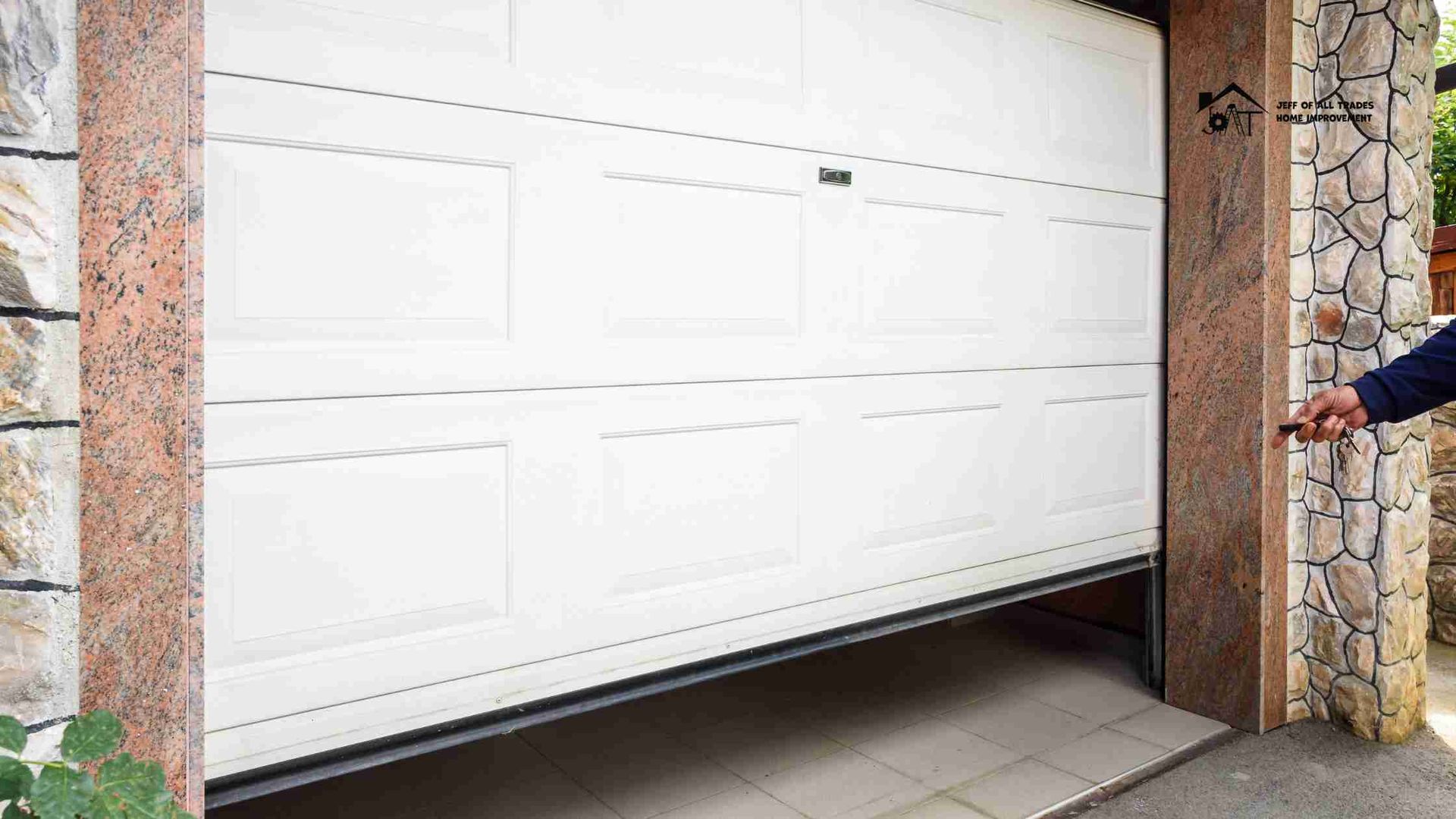
It’s 7 a.m. on an icy February morning in Hillsborough. You’re already running late, and the last thing you need is a garage door that groans, shudders, and refuses to open. For New Jersey homeowners, from the salt-sprayed coast to the frosty northwest corner, a garage door isn’t a luxury—it’s a critical piece of machinery. Waiting for it to break isn’t a strategy; it’s a recipe for a frantic, expensive emergency call. Preventive care is the key to ensuring your door works every single time.
This guide provides a clear, actionable plan to avoid garage door breakdowns through simple, regular checks.
A Critical Safety Warning First
Your garage door is the largest and heaviest moving object in your home. The torsion and extension springs, which do the actual lifting, are under extreme tension. If they break or are handled improperly, they can cause severe injury or even death. Never attempt to adjust, repair, or replace garage door springs yourself. This is a job exclusively for a trained professional. Similarly, always ensure your photo-eye safety sensors are aligned and working correctly. When in doubt, call for help. You can get garage door maintenance services from Jeff’s today!
Monthly Check-Ups (5–10 Minutes)
Spending just a few minutes each month can catch problems before they become catastrophes.
First, perform a visual inspection with the door closed. Look closely at the high-tension cables on either side of the door. Do you see any broken strands or fraying? Check the rollers in the tracks. Are any cracked, chipped, or excessively worn? Look for rust spots on hinges and panels.
Next, conduct a balance test. With the door closed, pull the red emergency release cord to disconnect the opener. Now, lift the door manually. It should move smoothly and feel relatively light. Lift it about halfway up and let go. A properly balanced door will stay put. If it slams to the ground or flies open, the springs are unbalanced and need professional adjustment. This simple step is the foundation of good garage door maintenance that NJ homeowners can easily perform.
Seasonal Deep-Dives for Your NJ Home
New Jersey’s distinct seasons each pose a unique threat to your garage door’s health. Here’s how to prepare.
Spring Tune-Up: Clean Tracks and Test Safety Features
After a long winter of road salt and grime, spring is the time for a deep clean and safety check. Start by wiping down the inside of the tracks with a damp cloth. Do not lubricate the tracks themselves, as this will attract dirt and gum up the rollers. Just get them clean. Next, grab a socket wrench and check the bolts and screws on the door hinges and roller brackets. They can vibrate loose over time. Give them a gentle tightening, but don’t overtighten.
The most important spring task is testing the auto-reverse feature. With the door open, place a 2x4 flat on the ground in the door’s path. Press the button to close the door. When the door touches the wood, it should immediately reverse and go back up. If it doesn’t, the closing force on your opener needs to be adjusted professionally.
Summer Humidity Defense: Fight Rust and Warping
The thick, humid air of a Jersey summer, especially near the shore, is brutal on metal and wood. This is the season for rust prevention. Wipe down your steel door panels with a mild car-washing soap and water to remove any salt residue and grime. Inspect the door for any paint chips or scratches, especially near the bottom. Sand these spots lightly and apply a coat of touch-up paint to seal the metal from moisture.
Also, check the vinyl or rubber weather-stripping around the perimeter of the garage door opening. The sun’s UV rays can make it brittle and cracked. If you see daylight streaming through the sides or top when the door is closed, it’s time to replace the stripping to keep humid air and summer pests out.
Fall Prep for Nor’easters: Seal the Gaps
Autumn in New Jersey means preparing for wind, rain, and falling leaves. This is the perfect time to inspect and replace the flexible rubber seal on the bottom of your garage door. A worn-out bottom seal is an open invitation for wind-driven rain, cold drafts, and critters seeking shelter. You can find replacement seals at any major home improvement store.
Clear any fallen leaves or debris from around your photo-eye sensors near the floor. Anything blocking their line of sight will prevent the door from closing. Finally, test your opener’s battery backup. Unplug the main opener unit from the ceiling outlet and try to operate the door using the remote. If it doesn’t work, the battery needs to be replaced. A working backup is essential during a storm-related power outage.
Winter Freeze Prevention: Lubricate and De-Ice
The biggest winter challenge is freezing. When temperatures drop below 20°F, the metal parts of your door contract, causing loud squeaking, groaning, and extra strain. This is when lubrication is most critical. Use a garage-door-specific lubricant (not WD-40!) on all hinges, metal roller stems, and the torsion spring bar bearings. A well-lubricated door runs smoothly and quietly in the cold.
If your door freezes shut to the concrete, never use force to open it. You could tear the bottom seal or damage the opener. Instead, pour hot water along the threshold to melt the ice. Proper winter garage door maintenance in NJ is all about reducing strain on the system.
Smart Technology for Peace of Mind
Modern garage door openers offer features perfect for a busy commuter lifestyle.
- Wi-Fi Connectivity: Many new openers connect to your home’s Wi-Fi, allowing you to check the door’s status, open or close it remotely, and receive "left open" alerts on your smartphone. No more worrying all day at the office.
- Battery Backup: Due to frequent power outages caused by storms, New Jersey law now requires that all new garage door opener installations include a battery backup system. If you have an older model, adding one is a smart upgrade.
The Real Cost of Maintenance vs. Emergency Repair
What is the true cost of a garage door tune-up? It's a fraction of an emergency call. Here’s a breakdown for a standard 16’x7’ double door:
- DIY Annual Supplies:
- Can of quality garage door lubricant spray: $22
- New bottom weather seal: $14
- Microfiber cloths/sensor wipes: $9
- Total Annual DIY Cost: ~$45
- Professional Tune-Up:
- A full inspection, lubrication, and minor adjustments by a pro typically costs $110–$180.
- Emergency Spring Replacement:
- The cost to have a professional replace a broken torsion spring on short notice can range from $350 to $550 or more.
Preventive care clearly pays for itself.
Longevity, ROI, and Your Home’s Value
A garage door is a significant investment. With consistent maintenance, a quality door can last 15 to 20 years. A neglected door, however, may fail in as little as 7 to 10 years, especially under the stress of New Jersey’s climate. A smoothly operating, well-kept garage door is also a major plus for curb appeal and will be noted on any home inspection report when it comes time to sell. It signals to buyers that the home has been cared for.
Common Warning Signs of Failure
If you see or hear any of these, it’s time to call a professional:
- A Loud Bang or Pop: This is almost always a broken torsion spring. Do not try to open the door.
- Shaking or Shuddering: The door is likely unbalanced, or the rollers are worn out.
- The Opener is Straining: The motor sounds like it's working extra hard. This means the springs are weak and not doing their job of lifting the door's weight.
- Door Reverses Before Hitting the Floor: The photo-eye sensors are likely misaligned or dirty.
- Visible Gaps or Sagging: The door panels or tracks may be damaged.
FAQs: Garage Door Maintenance
How often should I lubricate my garage door rollers?
You should lubricate all moving metal parts, including the roller stems (not the nylon wheel itself), every three to four months. A spring and fall application is the absolute minimum.
Can I use WD-40 instead of garage-door grease?
No. WD-40 is a solvent and degreaser, not a long-term lubricant. It will strip away any existing grease, attracting dust and dirt, making the problem worse over time. Always use a product specifically labeled as a white lithium grease or a silicone-based garage door lubricant.
Do I need to unplug the opener during a lightning storm?
It’s a wise precaution. A nearby lightning strike can send a power surge through your home’s wiring and fry the sensitive logic board in your opener. Unplugging it or using a quality surge protector is the best defense.
Why does my door reverse on its own in very cold weather?
The cold can cause the door and its mechanisms to contract and stiffen, creating more resistance. The opener’s safety feature may interpret this resistance as an obstruction and automatically reverse. A professional can make a minor "force setting" adjustment to compensate for the cold.
A Pro Tip from a Local Handyman
I’ve seen it all in my 20+ years of service. Homeowners are great at tasks like lubrication and cleaning sensors. But the moment you find yourself watching a YouTube video about adjusting high-tension springs and holding a pair of winding bars, you have crossed a line. That spring contains enough force to be lethal. Before you even think about torquing that torsion spring, call a pro. As a trusted Somerset County handyman, my priority is your safety.
Need a Professional Tune-Up or Repair?
Regular garage door maintenance is the best way to ensure safety, reliability, and peace of mind. If you’ve noticed warning signs or simply want a professional eye to inspect, tune-up, and service your garage door system, we’re here to help.
- Call or Text for a Free, No-Obligation Quote: 908-963-3533
- Email Us Your Questions: jeffofalltradeshandymanservice@gmail.com
- Proudly Serving: Bedminster, Basking Ridge, Bernardsville, Far Hills, Gladstone, Hillsborough, Warren, and surrounding towns.