

Window Washing Tips for Streak-Free Skylights & Panes - A New Jersey Guide
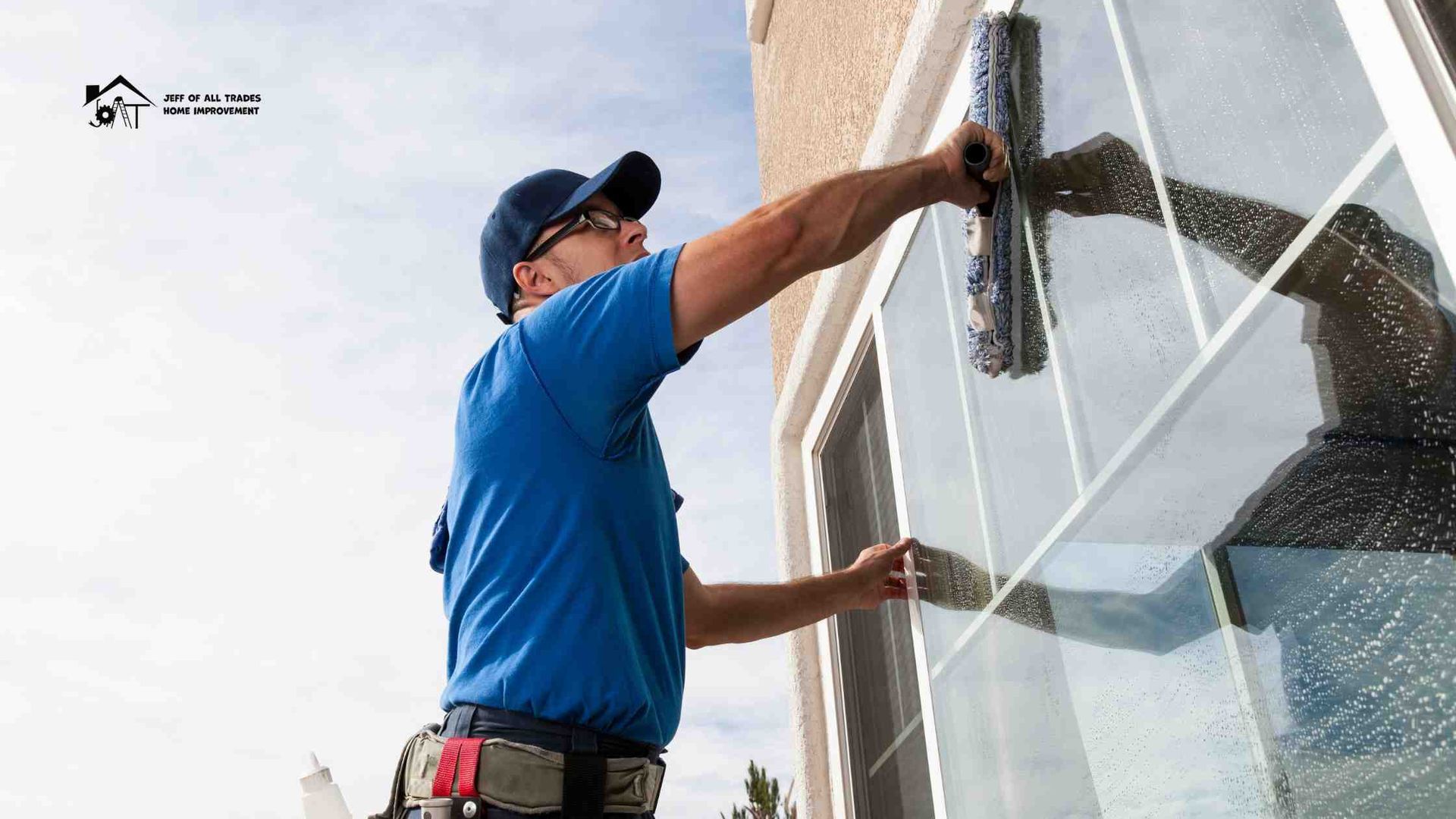
That hazy film on your windows isn’t just your imagination. Here in New Jersey, our glass takes a beating from salty shore air, a thick yellow blanket of spring pollen, and the grimy residue left by melting snow and ice. Reclaiming your view is one of spring’s most satisfying chores. Achieving a perfect, professional finish is possible with the right tools and techniques. This guide provides our best tips for a truly streak-free window washing NJ homeowners can be proud of.
Your Window Washing Toolkit: Supplies & NJ Costs
- Professional Squeegee: A 12- or 14-inch brass or stainless steel squeegee is a must. ($25 for a quality squeegee and scrubber combo).
- Microfiber Cloths: You'll need at least three: one for scrubbing, one for detailing edges, and one for spills. Waffle-weave cloths are best for glass. ($15 for a 10-pack).
- Cleaning Solution: A simple solution of one gallon of cool water with a teaspoon of dish soap (like Joy or Dawn) works well. Alternatively, a 50/50 mix of white vinegar and water is great for cutting grease.
- Extension Pole: Essential for second-story work. A 12- to 24-foot telescoping pole is versatile. ($30 – $50).
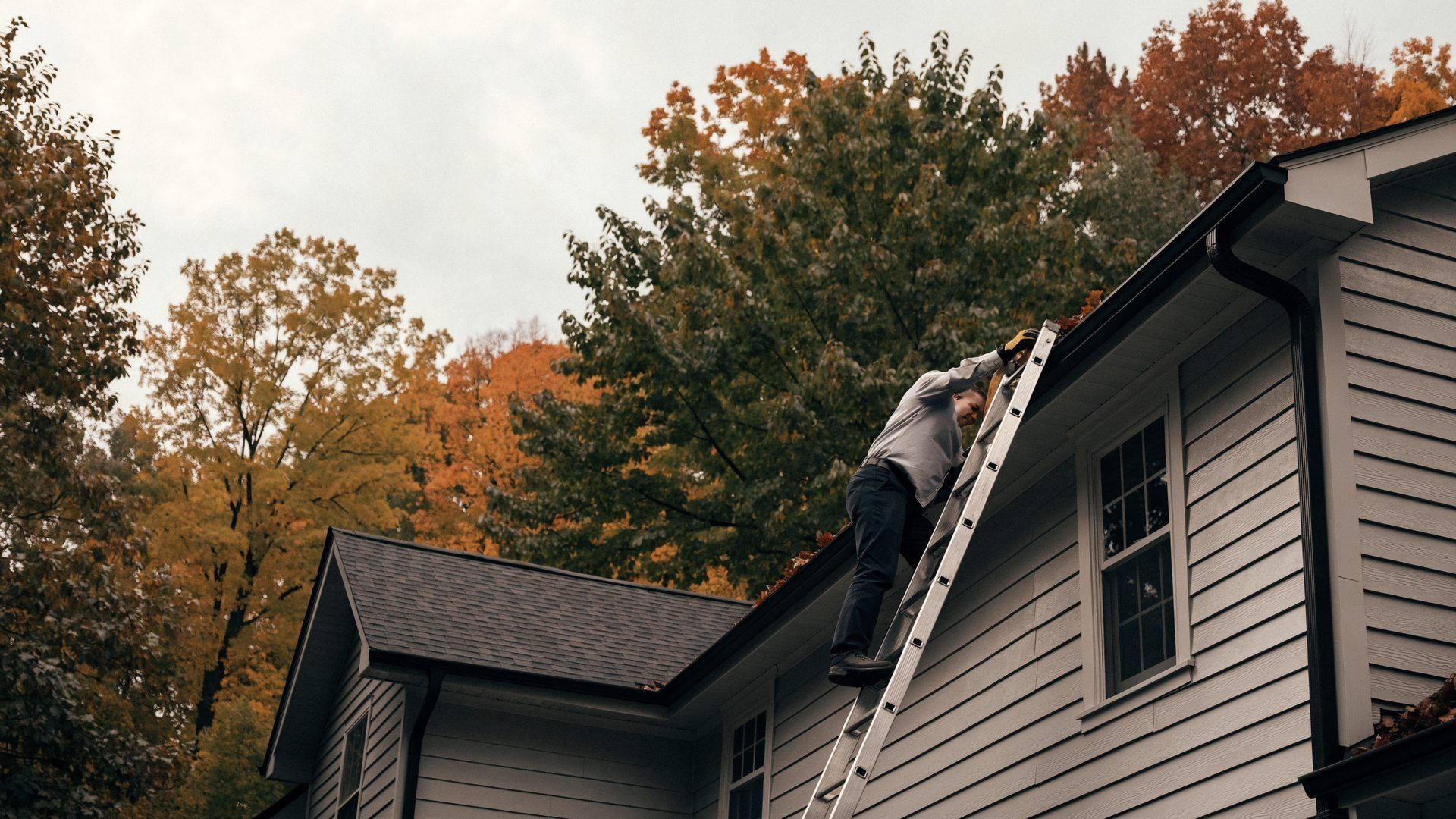
- Ladder Stabilizer: A "standoff" brace that rests on the roof or siding, not the gutter, is crucial for safety and stability. ($40).
- Deionized (DI) Water: For the ultimate spot-free rinse on skylights or high windows, pros use purified water. A small DIY system can be costly, but it’s a game-changer.
- Safety Gear: Always use safety goggles ($10) and wear rubber-soled, non-slip shoes. For roof work, a proper roof harness and anchor are non-negotiable ($80+).
Safety First: Before You Clean a Single Pane
Working at height is serious business. Before you start, internalize these safety rules.
- The 4-to-1 Ladder Rule: For every 4 feet of height the ladder reaches, the base should be 1 foot away from the wall. This ensures a stable angle.
- Proper Footwear: Wear sturdy, rubber-soled shoes for maximum grip on ladder rungs and potentially damp ground.
- Skylight Smarts: Never put your weight directly on a skylight's glass or frame. They are not designed to support a person. Work from a secure position on the roof beside the skylight.
- NJ Fall Protection: OSHA requires fall protection for residential construction work above 6 feet. While you're not a contractor, the physics are the same. If you feel unsafe on a ladder or roof, it's time to call a professional for window washing in Somerset County.
At a Glance: Five Methods for a Streak-Free Finish
| Method | Equipment Cost | Best For | Streak Score (1-5) | Time per 30 sq ft | DIY Difficulty |
|---|---|---|---|---|---|
| Classic Squeegee | $ | Interior & 1st Story | 5 | 5 minutes | Low |
| Microfiber-Only | $ | Small Interior Panes | 3 | 8 minutes | Very Low |
| Newspaper Polish | $ | Small Panes (Old School) | 2 | 10 minutes | Very Low |
| Water-Fed Pole | $$$ | 2nd & 3rd Story | 4 | 7 minutes | High |
| Purified DI Water | $$$$ | All Exterior, Skylights | 5 | 4 minutes | High |
Step-by-Step Guide to Streak-Free Window Washing NJ Style
Interior Panes with Minimal Drips
Cleaning inside requires finesse to protect your floors and sills. Lay down an old towel or drop cloth on the windowsill and floor below the window. Use two spray bottles: one with your cleaning solution and one with plain water for rinsing. Lightly mist a section of the glass with the cleaner. Scrub with a damp microfiber cloth. Squeegee from top to bottom, overlapping each stroke by an inch. Use a separate, dry microfiber cloth to wipe the squeegee blade clean after every single pass. This is the key to preventing streaks.
Pro Tip: For old wooden sills, use the "dry" method: apply the solution directly to your cloth instead of the glass to prevent water from seeping into the wood grain.
Exterior First-Story Windows Using a Squeegee Sweep
This is where you can master the classic pro technique. First, use a soft brush or cloth to wipe away any cobwebs, dirt, and that lovely Bridgewater oak pollen from the frame and screen. Wet the window thoroughly with your scrubber. For a perfect start, use a microfiber cloth to dry a one-inch vertical strip on one side of the glass. Now, place your squeegee in that dry zone, tilt it at a slight angle, and pull it across the pane in a single, smooth motion. Overlap your strokes and wipe the blade after each stroke.
Pro Tip: For homes near the shore, do a pre-rinse with fresh water. This removes abrasive salt crystals from the glass before you start scrubbing, preventing micro-scratches.
Second-Story Glass with an Extension Pole (No Ladders)
This method lets you clean exterior windows NJ style without setting foot on a ladder. Attach your scrubber and squeegee to the extension pole. The trick is maintaining consistent, even pressure, which takes practice. Work in smaller, more manageable sections. Use horizontal strokes, starting from the top and working your way down. Angle the squeegee so the leading edge collects the water as you pull. It's difficult to avoid a few drips, but a final wipe of the sill from a second-story window (if it opens inward) can clean it up.
Pro Tip: Before tackling a high window, practice your pole-squeegee technique on an easily accessible first-floor window to get a feel for the pressure and angle.
Skylight Cleaning from the Roof—Harness & DI Water Finish
This is advanced, and safety is paramount. Never attempt this without a proper fall-protection harness securely anchored to the roof. First, clear all leaves and debris from around the skylight frame. Scrub the glass thoroughly with your soap solution. Now for the magic: instead of trying to squeegee on a dangerous slope, use a sprayer filled with deionized (DI) water to rinse the glass from top to bottom. Because the water is 100% pure, it will evaporate without leaving a single mineral spot or streak. This is one of our top skylight cleaning tips.
Pro Tip: While you're safely harnessed, visually inspect the flashing and seals around your skylight for cracks or signs of wear.
Removing Hard-Water Spots & Mineral Stains
Much of New Jersey, especially areas with well water, has hard water rich in calcium and magnesium. When sprinklers hit your windows, these minerals are left behind as stubborn, chalky spots. For light spotting, a 50/50 vinegar-water solution can work. For tougher stains, use 0000 (quadruple-ought) steel wool. Wet the glass with soapy water (this is critical for lubrication!), then gently rub the spot with the steel wool. Test on an inconspicuous corner first! For less than $12, products like Bar Keepers Friend can also dissolve these mineral deposits effectively.
The Best Time to Wash Windows in NJ
Timing is everything for a streak-free finish. Avoid washing windows in direct, hot sunlight. The heat causes your cleaning solution to "flash dry" on the glass before you can squeegee it off, leaving soap scum and streaks. The perfect time is on an overcast, 60–70°F day. High humidity can slow evaporation, giving you more time to work, but a dry, cool morning after spring pollen settles is ideal.
DIY vs. Hiring a Pro: Cost Breakdown
For a typical 2-story, 24-window colonial in New Jersey:
- DIY Approach:
- One-time equipment cost (squeegee, pole, cloths, bucket, etc.): ≈ $110 – $165
- Time commitment: 4–6 hours, twice a year.
- Professional Service:
- Cost for a full-service cleaning (inside, outside, screens, sills): ≈ $300 – $475 per visit.
- Most homeowners opt for a spring and fall cleaning. For many, the time saved and the professional, safe result for second-story windows and skylights is well worth the investment.
Common Mistakes to Avoid
- Using a dull or nicked squeegee blade.
- Forgetting to wipe the blade between each stroke.
- Using too much soap, which leaves a sticky film.
- Washing windows in direct sunlight or when the glass is hot.
- Using a razor blade on tempered or coated glass.
FAQs: Window Washing Tips
Can I use dish soap instead of a commercial window cleaning concentrate?
Yes, absolutely. A small squirt of a basic dish soap like Dawn or Joy, in a gallon of water is what many pros use. The key is to use it sparingly to avoid excess suds and residue.
Will vinegar harm my low-E glass coatings?
In a highly diluted solution (1 part vinegar to 10 parts water), it is generally safe for most low-E coatings. However, prolonged exposure to strong acids can potentially damage them. It's always best to check your window manufacturer's cleaning recommendations.
How often should skylights be cleaned in NJ?
Twice a year is ideal. A cleaning in late spring removes the heavy layer of pollen and grime, and another in late fall clears off summer dust and prepares them for winter, maximizing precious sunlight.
What temperature is too cold for window washing?
You should stop window washing when the temperature is near or below freezing (32°F). The water will freeze on the glass as you work, creating a streaky, icy mess that is impossible to remove cleanly.
A Pro Tip for Your Roof
Before you decide to walk on your roof to reach a skylight, look at what you're stepping on. Many beautiful homes in Bernardsville and Far Hills feature delicate roofing materials such as slate, Spanish tile, or copper accents. Stepping on the wrong spot can crack a tile or dent a copper cap, leading to a leak and a repair bill that costs ten times more than a professional window cleaning. A pro has the right ladders, standoffs, and experience to work without causing damage.
Get a Flawless Finish, Safely
Ready for a crystal-clear view but not ready to climb a 24-foot ladder? Jeff Of All Trades Home Improvement offers professional, streak-free window washing that NJ residents have trusted for over 20 years. We handle everything from first-floor panes to tricky skylights, always with a focus on safety and protecting your property.
Let us bring the sunshine back into your home.
- Call or Text for a Free, No-Obligation Quote: 908-963-3533
- Email Us Your Questions: jeffofalltradeshandymanservice@gmail.com
- Proudly Serving: Bedminster, Basking Ridge, Bernardsville, Far Hills, Gladstone, Hillsborough, Warren, and surrounding towns.