

Interior Painting Cost: Why Two Quotes for the Same Room Can Look Nothing Alike
You get three quotes to paint the same four rooms. One comes back at roughly half of another.
Your first instinct is that somebody is trying it on. Usually that is not what is happening. What is usually happening is that the three painters are quoting three genuinely different jobs, and only one of them has explained that clearly.
Painting is the home improvement service where the gap between the cheapest and the most expensive quote is widest, and it is also the one where homeowners have the least ability to judge what they are comparing. A finished wall looks like a finished wall on the day. The difference shows up in year two, when one of them is still flat and even and the other has started peeling around the window trim.
I have been doing interior work around Basking Ridge, Bernardsville and Bedminster for a long time, and I want to explain what is actually inside a painting quote. Not so you spend more. So you can tell which quote is cheap and which one is just missing things.
We have written before about choosing colors, and that is a separate question entirely. This one is about what the work costs and why.
The Uncomfortable Truth: Paint Is the Cheap Part
Start here, because it reframes everything else.
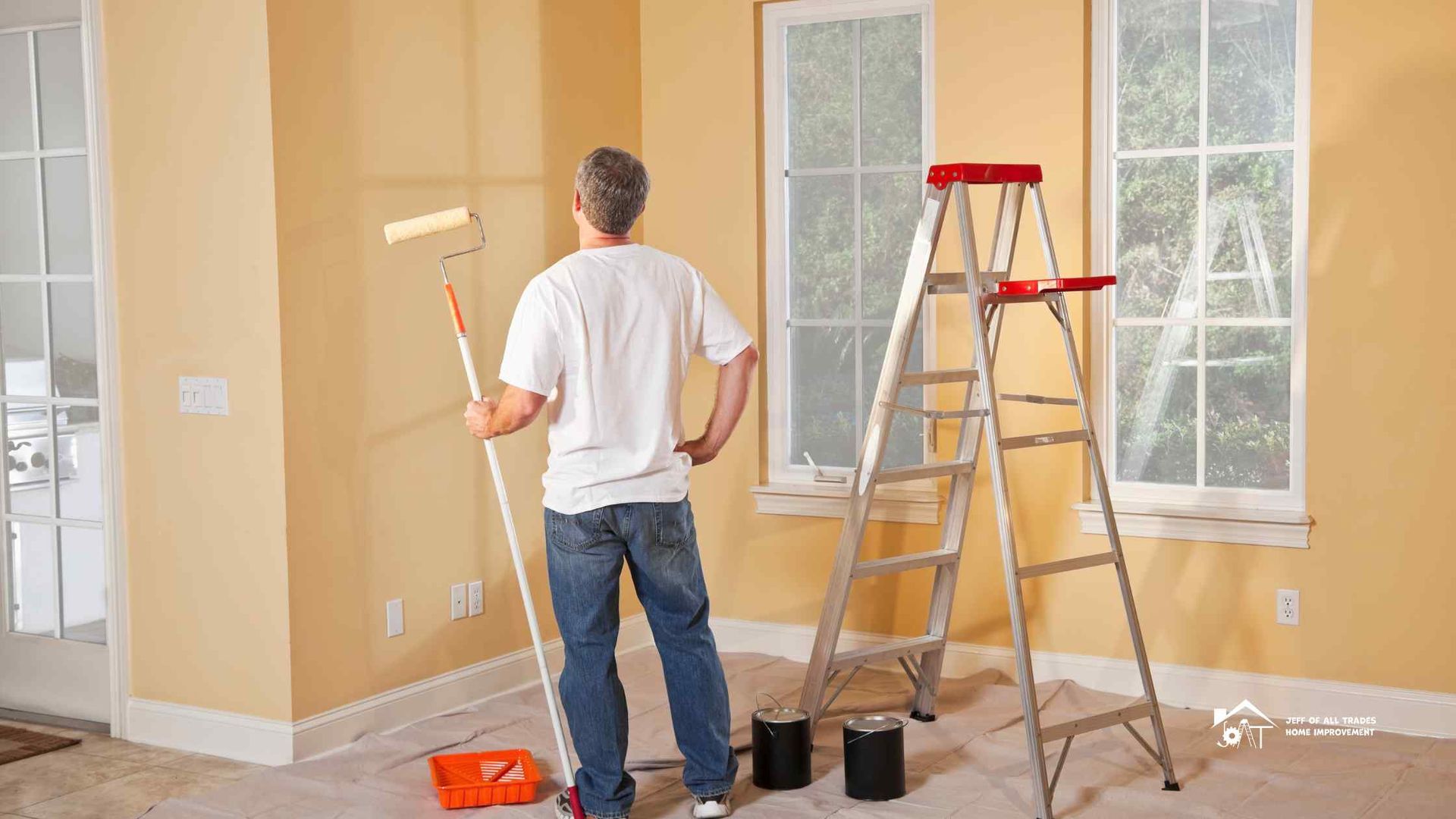
On a typical interior job, the paint itself is a small fraction of the total. The overwhelming majority of what you are paying for is labor, and the overwhelming majority of that labor is not rolling color onto walls. Rolling is the fast part. It is also the fun part, which is why DIY painters consistently underestimate the job.
What takes the time is everything that happens before the first coat, and that is precisely where quotes diverge.
So when a painter comes in dramatically low, the money has almost never been saved on paint. It has been saved on hours. The question worth asking is: which hours?
Where the Hours Actually Go
Prep, Which Is Most of the Job
Prep is the difference between a paint job that lasts a decade and one that looks tired in three years, and it is invisible the moment it is finished. Nobody ever walks into a room and admires the caulking.
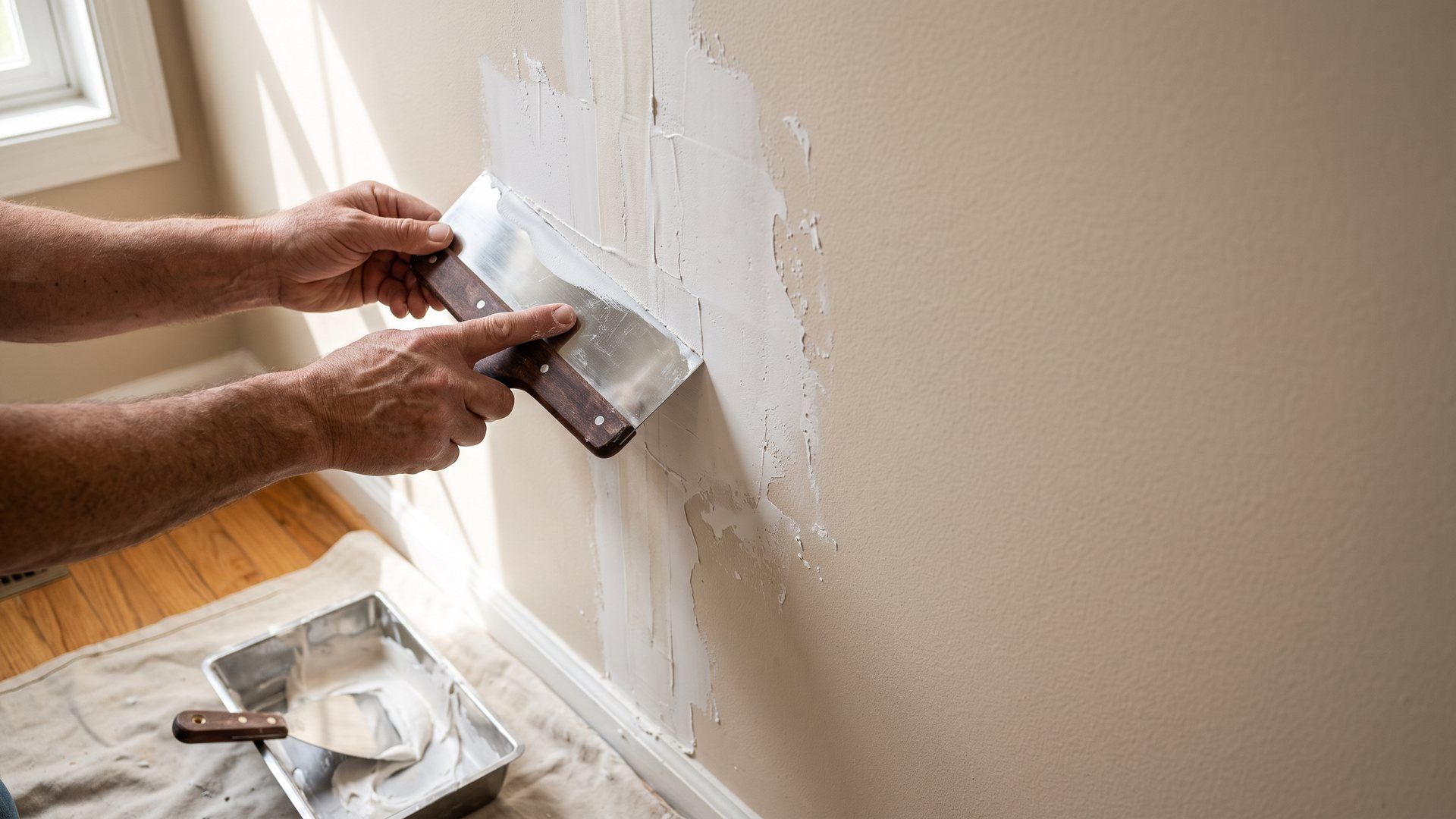
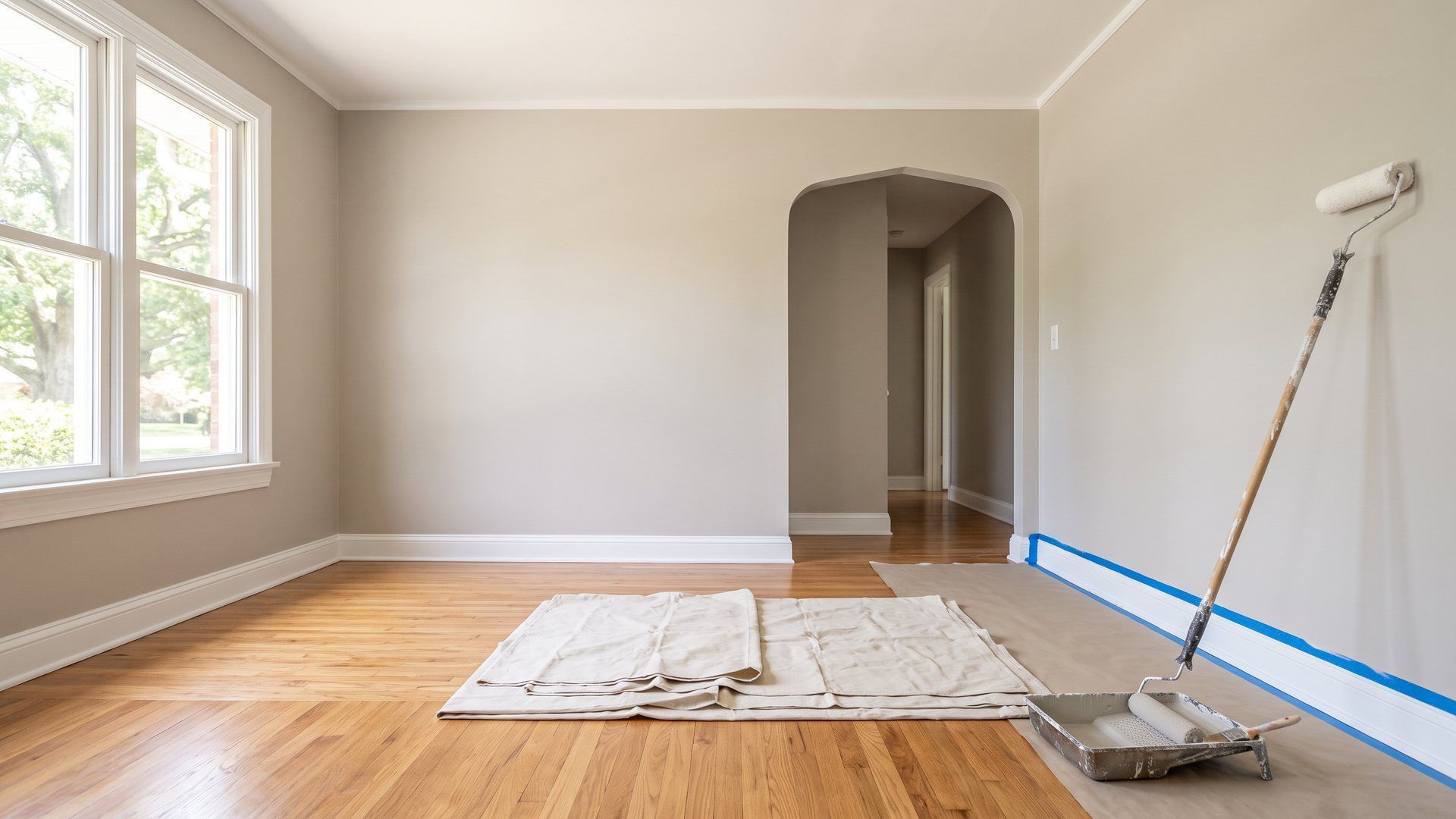
Proper prep on an average room means: moving and covering furniture, protecting floors properly rather than with a token sheet, filling nail holes and dings, sanding those filled spots flat, scraping any failing paint, caulking gaps where trim meets wall, cleaning surfaces so paint has something to grip, and taping off.
In a kitchen or bathroom, add degreasing, because paint does not stick to cooking residue no matter how good it is.
In an older home, add more. A lot of houses around here have plaster rather than drywall, and plaster comes with hairline cracking, previous repairs of varying quality, and walls that are not flat. Prepping a plaster wall properly can take longer than painting it.
This is the single biggest variable between quotes. A painter planning two days of prep and a painter planning two hours will produce very different numbers for the same room, and on the day the job finishes both rooms will look fine.
Cutting In and Trim Work
Cutting in is the freehand line where wall meets ceiling, trim, or another color. It is slow, it cannot be rushed, and it is genuinely a skill. A room with a lot of corners, angles, built-ins and windows has vastly more cut-in length than a plain square room of the same square footage.
This is why square footage alone is a poor way to price painting, and why a small bathroom with a window, a vanity, a mirror and tile can cost more per square foot than a large plain bedroom.
Trim, doors and baseboards are priced separately for good reason. Doing trim properly means sanding, sometimes priming, and usually two coats of a harder-wearing finish, applied carefully enough to avoid brush marks. Trim work can easily equal or exceed the cost of the walls in the same room.
Ceilings
Ceilings cost more than walls per square foot. Working overhead is slow and physically hard, coverage is harder to judge, and ceilings show every roller mark and every missed spot because of how light travels across them.
Plenty of quotes exclude ceilings by default. Check yours.
Number of Coats, and Whether Primer Is Real
Two coats is standard. One coat over a similar color can be acceptable in a low-traffic room, but as a general rule, one coat is how you get a finish that looks slightly patchy in certain light and wears unevenly.
Some situations genuinely need more: covering a dark color with a light one, covering red or deep blue, or painting over bare filler or new drywall.
Primer is where I would look carefully. "Paint and primer in one" is a marketing description of a paint with good build, not a substitute for a dedicated primer when you actually need one. You need real primer over bare drywall, over patches, over stains, over glossy surfaces, and when making a dramatic color change. A quote that skips primer in those situations is quoting a job that will not hold.
The Things That Push a Quote Up Legitimately
Not every expensive quote is padded. These genuinely cost more:
High ceilings and stairwells. Anything requiring staging or extension work slows everything down and adds a safety dimension. Two-story foyers are consistently underestimated by homeowners.
Wallpaper removal. This is its own project, and it varies wildly. Some paper comes off in sheets in an afternoon. Some has been painted over, or was hung on unprimed drywall, and removing it takes the wall surface with it, leaving you needing skim coating before you can paint anything. Nobody can price this reliably without testing a corner first, and a painter who quotes wallpaper removal sight unseen is guessing.
Color changes that fight you. Going from dark to light, or covering strong reds and yellows, means extra coats. This is a real cost, not an upsell.
Damage that needs repair first. Cracks, holes, water stains and failing plaster all need addressing before paint. Painting over a water stain without sealing it means the stain comes back through.
Lead paint. This matters here. New Jersey has a lot of pre-1978 housing, and disturbing lead paint has legally required procedures. If your home predates 1978 and the work involves sanding or scraping, this is a genuine cost and compliance issue, not an optional precaution. A contractor who ignores it is exposing you as well as themselves.
Occupied homes. Working around your furniture, your schedule and your kids is slower than working in an empty house. If you can empty a room, you will get a better price and a better result.
The Things That Make a Quote Cheap
Some savings are real. Some are deferred costs.
Real savings: you do the prep yourself, you empty the rooms, you accept standard colors, you book in a slower season, or you bundle several rooms into one visit rather than calling somebody back three times. Bundling is genuinely the easiest way to reduce your per-room cost, because setup and travel get spread across more work.
Deferred costs disguised as savings: one coat instead of two, skipping primer where it is needed, no caulking, minimal surface prep, cheap paint in a high-traffic area, and not repairing damage before covering it.
The last category is not a scam exactly. It is a cheaper job, honestly delivered, and sometimes it is the right call for a room you plan to redo in two years or a rental between tenants. The problem is when it is presented as the same job as the expensive quote.
How To Compare Quotes Properly
Ask every painter the same set of questions and the differences will surface immediately:
How many coats, and is primer included where needed?
What specifically does prep include? Ask them to list it.
Are ceilings included? Trim? Doors? Closets? Inside the closets?
What paint, which line, and what sheen?
Who moves and covers the furniture?
How is the site protected, and who cleans up?
How many painters, how many days?
Is there a warranty, and what does it actually cover?
The closets question sounds petty. It is not. It is a very common source of "I assumed that was included" at the end of a job.
If one quote is far lower than the others, do not assume it is bad. Take it back to the expensive painter and ask what they are doing that the cheap one is not. A good contractor will tell you plainly, and sometimes the honest answer is that for your situation, the cheaper scope is fine.
Sheen, Because It Affects Cost and Durability
Briefly, since it comes up in every quote.
Flat hides wall imperfections best and is the most forgiving on old plaster, but it marks easily and does not clean well. Fine for ceilings and adult bedrooms.
Eggshell and satin are the practical middle ground for most living space. They clean reasonably and do not spotlight every flaw.
Semi-gloss and gloss are hard-wearing and washable, which is why they belong on trim, doors, kitchens and bathrooms. They also show absolutely every imperfection underneath, which means surfaces have to be prepped better, which means they cost more to do properly.
That last point is the cost link. Choosing a higher sheen quietly raises the prep standard required.
Timing, Which Affects Both Price and Quality
When you book has more effect than most homeowners realize.
The Busy Season Costs More
Painting demand around Somerset County peaks in late spring and early autumn, and again in the run-up to the holidays when everybody wants the house looking right before guests arrive. Good painters are booked out during those windows, and prices reflect it.
Winter and midsummer are quieter. If you have flexibility, asking a contractor when their slow weeks are can get you both a better price and better attention, because they are not trying to finish your job to start another.
Humidity Genuinely Matters
This is a New Jersey point specifically. Our summers are humid, and paint cures by evaporation.
High humidity extends drying and recoat times, sometimes substantially. Push a second coat onto a first that has not properly released its moisture and you get poor adhesion, a soft finish, and occasionally visible blotching. A painter who tells you a job will take an extra day in August is not padding, they are being honest about conditions.
Air conditioning and dehumidifiers help considerably, which is one of the reasons interior work in summer is more controllable than exterior.
Order of Operations
If you have other work planned, sequence it correctly, because painting is nearly always last.
Flooring, trim carpentry, drywall repair, electrical and any plumbing that opens a wall should all be finished before the final coats go on. Painting first and then having a trade come back through means touch-ups at best and repainting at worst.
The one exception is priming. Priming new drywall before flooring goes in is common and sensible, since it protects the surface and the overspray risk is lower.
If you are having new floors installed, talk to both contractors about the order. Most of the time paint goes on after floors are in and protected, but it depends on the flooring type.
Common Questions About Interior Painting Costs
Is it cheaper to paint room by room or do the whole house at once?
The whole house at once, and usually by a wide margin per room.
A meaningful part of any painting job is setup and breakdown: arriving, protecting floors, moving furniture, masking, then reversing all of it and cleaning up. That overhead happens whether you are painting one room or six. Spread across six, the per-room cost falls substantially.
There is also a material saving, because paint bought in larger quantity costs less per unit, and a scheduling saving, because a painter can plan a continuous block of work rather than fitting in separate small visits.
The obvious counterweight is disruption and cash flow. Doing the whole house at once means living around it for a week or more. If that is not workable, the next best approach is to group rooms sensibly, all the upstairs bedrooms together, rather than doing one room every few months.
How long should an interior paint job actually last?
In an ordinary living room or bedroom, with proper prep and decent paint, eight to ten years before it looks tired. Some rooms go longer.
High-traffic areas are different. Hallways, stairwells and mudrooms take physical contact and typically want refreshing every five to seven years. Kitchens and bathrooms are shorter again, because heat, steam and grease all work against the finish. Trim and doors take the most abuse of anything in the house.
If a paint job is failing within two or three years, that is almost never the paint. It is prep. Peeling, flaking and poor adhesion are surface preparation problems, which is why the cheap quote can turn out to be the expensive one. Paint that fails early has to be scraped and sanded before repainting, so you pay for the prep eventually, plus the paint twice.
Should I supply my own paint to save money?
Usually not worth it, and occasionally counterproductive.
Painting contractors buy at trade pricing that homeowners cannot get, so the saving is smaller than you expect and sometimes negative. More importantly, most contractors will not warranty their work over materials they did not select, which is reasonable, because if the finish fails there is no way to establish whether it was the product or the application.
There is one situation where supplying your own makes sense: you have a specific premium product you want and your contractor's usual line is not it. In that case, discuss it upfront rather than turning up with cans on day one.
What is genuinely worth doing is asking which line they are quoting. There is a real difference between a builder-grade product and a premium one in coverage, durability and washability, and it is a legitimate thing to ask to upgrade. The material cost difference across a whole house is smaller than most people assume relative to the labor.
Can I just paint the walls and leave the trim?
You can, and plenty of people do, but go in knowing how it will look.
Fresh wall paint against old trim tends to make the trim look worse than it did before, because the new surface next to it is clean and even by comparison. Trim also yellows over time, particularly older oil-based white, and that yellowing is invisible until there is something bright next to it.
If the trim is in genuinely good condition and reasonably white, walls-only is fine and saves real money. If the trim is scuffed, chipped or noticeably yellowed, you will likely finish the job dissatisfied and end up doing the trim within a year, at which point you have paid for two mobilizations instead of one.
A reasonable compromise is doing walls throughout and trim only in the rooms where it is visibly tired.
The Bottom Line
The most expensive interior paint job is the one you pay for twice.
That is not an argument for always taking the highest quote. It is an argument for knowing which corners a quote has cut and deciding deliberately whether those corners matter in that particular room. Minimal prep in a spare bedroom you rarely enter is a perfectly sensible economy. Minimal prep on a stairwell in a hundred-year-old house is not.
Ask about prep, ask about primer, ask what is excluded, and get all of it in writing. The painter who takes ten minutes to explain what they are doing differently is usually the one worth hiring, whatever their number is.
Jeff's Home Improvement handles interior and exterior painting throughout Basking Ridge, Bedminster, Bernardsville, Far Hills, Gladstone, Hillsborough and Warren, including the plaster walls and older trim that a lot of homes around here come with, and the lead-safe procedures that pre-1978 houses require.
If you want a straight answer on what your rooms actually need, get in touch and we will walk through it with you.
Jeff's Home Improvement. NJHIC LIC #13VH06643500.