

Outdoor Living Spaces: Custom Walkway Ideas for Your Hillsborough Home
Your walkway is one of those things you probably don't think about much until you start noticing problems. Cracked concrete, uneven pavers, puddles forming after rain, or just a tired-looking path that doesn't match your home's style anymore. Then suddenly you can't stop seeing it every time you come home.
I've been installing custom walkways around Hillsborough and Somerset County for years, and the transformation a good walkway makes is remarkable. It's not just about getting from your driveway to your front door. A well-designed walkway changes how your entire property looks and feels.
The good news is that there are more options now than ever before. Gone are the days when your choices were plain concrete or nothing. Modern walkway materials, patterns, and designs offer endless possibilities to create something that suits your specific home, landscape, and style preferences.
Let's talk about what actually works in this area, what looks good, and what holds up to our New Jersey weather. I'll share ideas I've seen work brilliantly in Hillsborough homes, along with mistakes to avoid, based on projects that didn't turn out quite as expected.
Why Your Walkway Matters More Than You Think
Before diving into specific ideas, it's worth understanding why walkways deserve more thought than just picking the cheapest option and calling it done.
Your walkway is part of your home's first impression. When someone pulls up to your house, the walkway is one of the first things they notice. A thoughtfully designed walkway suggests a well-maintained home where attention to detail has been paid, making you feel proud of your property's appearance.
Walkways are functional elements that need to work properly. They need to provide a safe, stable passage in all weather conditions. They need to drain properly so water doesn't pool. They need to be level enough to walk on easily but sloped enough to shed water. They need to handle foot traffic, the occasional wheeled cart or luggage, and whatever else gets rolled or carried along them.
The right walkway connects different areas of your property in a way that makes sense. It guides people naturally from the driveway or street to your front door. It might connect your patio to your garden, or your back door to your garage. Good walkways create flow in your outdoor spaces.
Walkways are also part of your landscape design. They break up lawn areas, define spaces, add visual interest, and can be designed to complement or contrast with your home's architecture and your garden plantings. The materials, colors, and patterns you choose all contribute to your property's overall aesthetic.
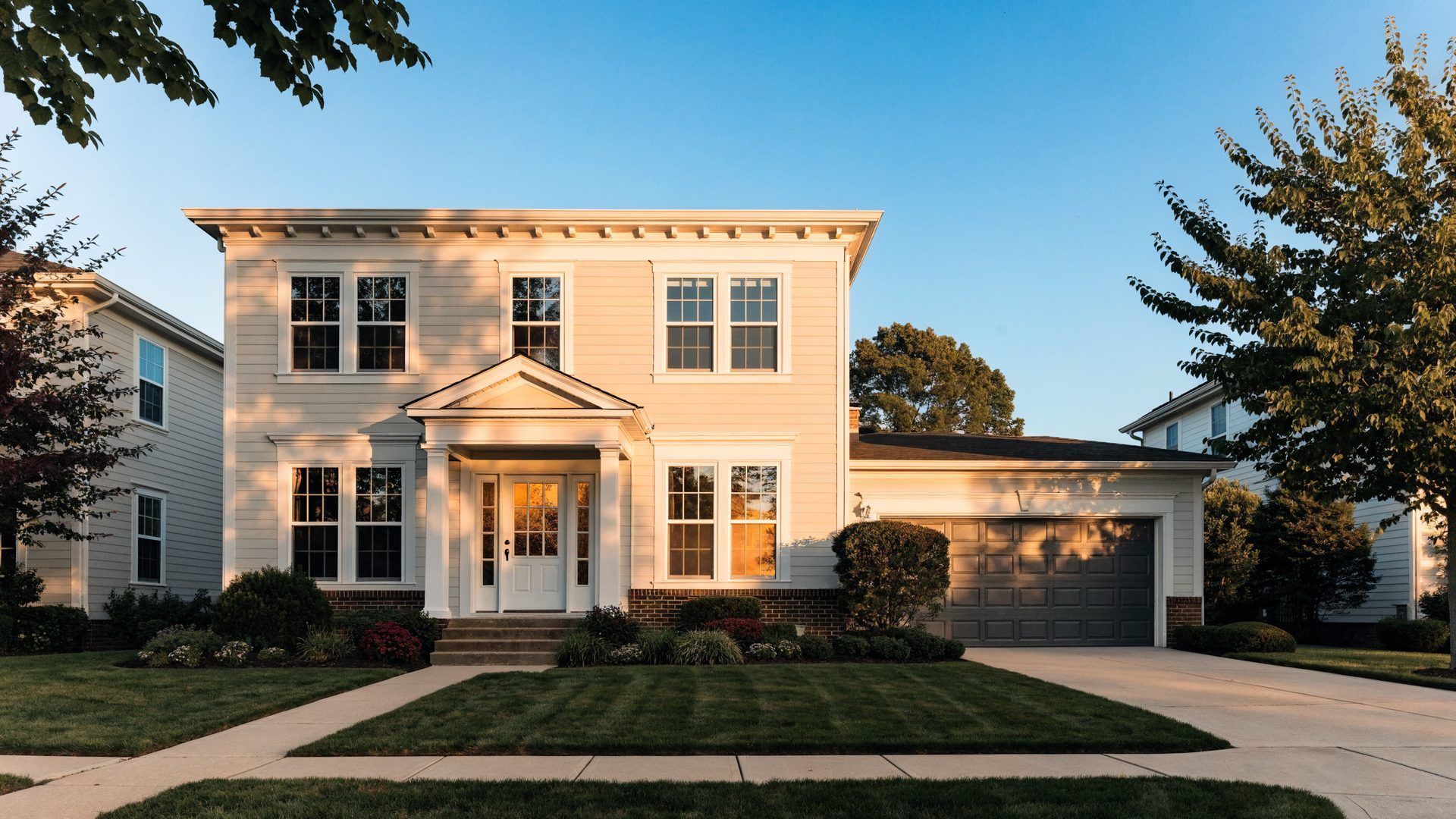
Around Hillsborough specifically, where homes range from traditional colonials to more contemporary styles, walkways that complement the home's architecture and the neighborhood's character work best. You want something that looks like it belongs in your home, not like you picked a design at random from a catalog.
Traditional Paver Walkways
Pavers remain one of the most popular walkway materials, and for good reason. They offer durability, ample design flexibility, and a finished look that suits most home styles.
The beauty of pavers is the pattern possibilities. A simple running bond pattern where pavers are laid in offset rows gives a clean, traditional look. Herringbone patterns add visual interest and are particularly strong structurally because the interlocking pattern distributes weight well. Basketweave patterns create a more ornate traditional appearance. Random patterns with differently sized pavers can create a more natural, less formal look.
Color choices with pavers let you either match your home's exterior or create contrast. Warm earthy tones like terracotta, rust, and tan work beautifully with brick or stone homes. Grays and charcoals suit contemporary homes or create an elegant contrast with lighter colored houses. Mixing colors within the same walkway adds depth and interest without being overly busy.
Paver edges matter more than people realize. The edge treatment keeps pavers in place and creates a finished look. Options include metal or plastic edging that's hidden, soldier-course borders where pavers are set on edge, or contrasting border pavers in a different color or pattern.
One advantage of pavers is repairability. If a section settles or a paver cracks, you can remove and relay just that section without replacing the entire walkway. Try doing that with poured concrete.
In Hillsborough, where we get freezing and thawing cycles every winter, pavers perform well because they can flex slightly as the ground moves. The joints between pavers allow for expansion and contraction that solid concrete doesn't accommodate as well.
For homes with traditional architecture, brick pavers or pavers that mimic weathered brick create a classic appearance that never goes out of style. For more contemporary homes, large-format pavers in grays or charcoals with clean, straight lines suit the aesthetic better.
Natural Stone Walkways
Natural stone creates walkways with a unique character that manufactured materials can't quite replicate. Every stone is different, giving your walkway a one-of-a-kind appearance.
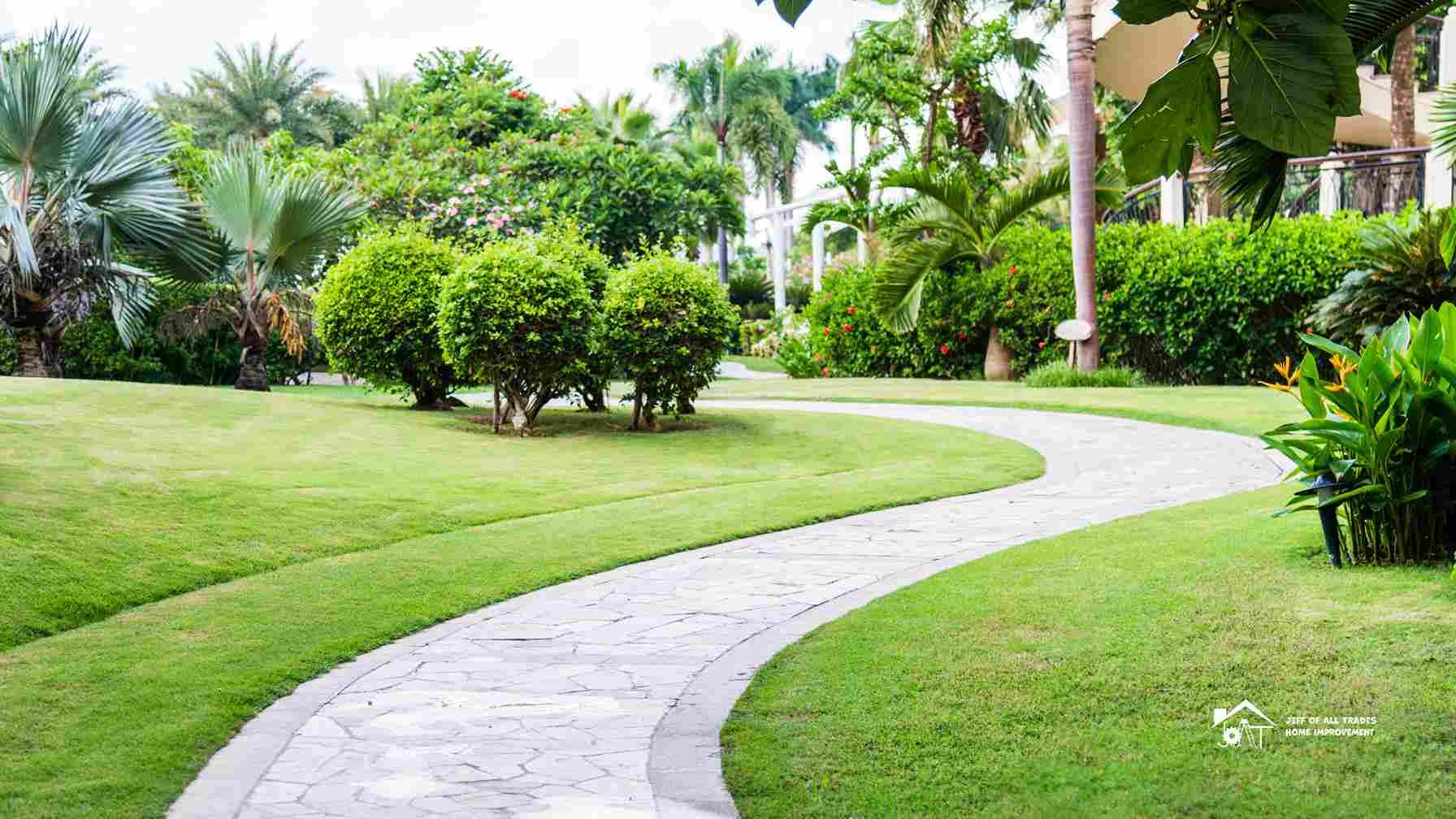
Flagstone is probably the most popular natural stone for walkways. Large, irregularly shaped pieces create a casual, organic look that works beautifully in garden settings. The gaps between stones can be filled with sand, gravel, or ground-cover plants like creeping thyme to create different effects.
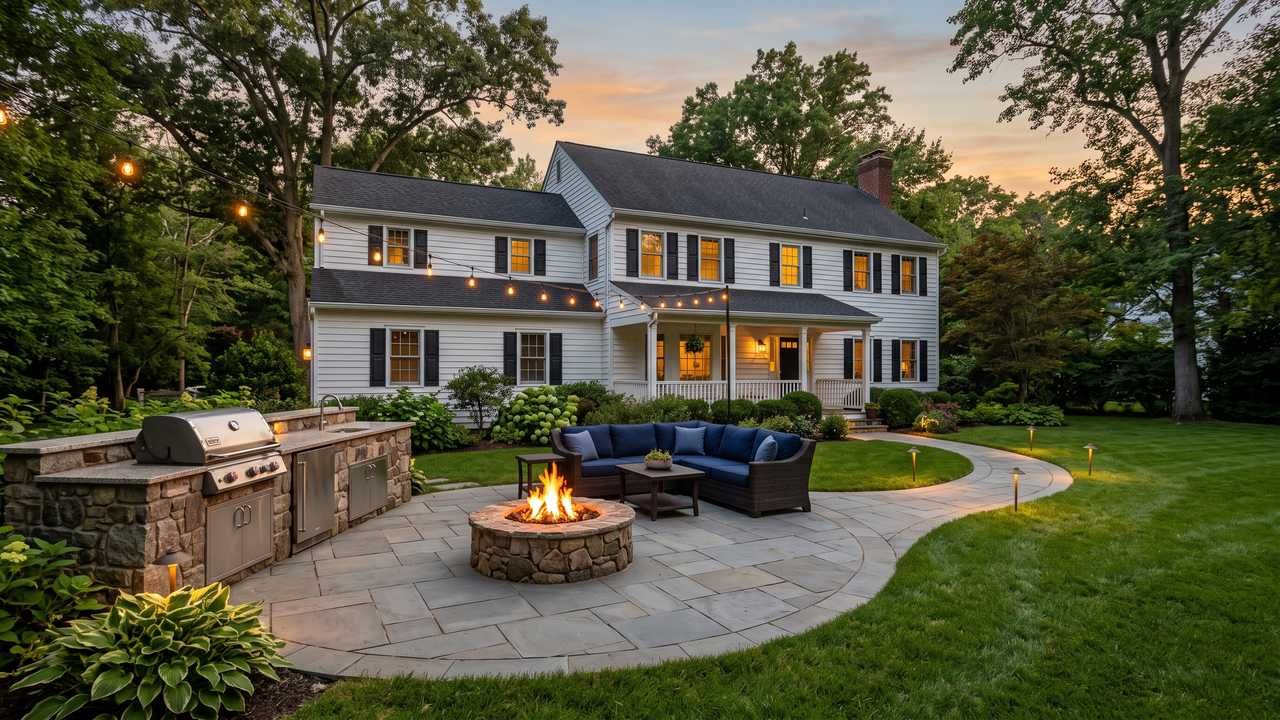
Bluestone offers a more refined natural stone option. Cut into rectangular pieces, bluestone creates formal, elegant walkways with the durability and natural beauty of stone. The blue-gray color of bluestone is distinctive and works particularly well with colonial and traditional architecture common in Hillsborough.
One consideration with natural stone is that some types can be slippery when wet or icy. Choosing stones with textured surfaces and ensuring proper slope for water runoff helps address this concern.
Gravel and Loose Stone Walkways
Gravel walkways offer a completely different aesthetic and practical benefits that make them worth considering for certain applications.
Crushed stone or pea gravel creates casual, cottage-style walkways that work beautifully in garden settings. The sound of gravel underfoot is pleasant, and the appearance is informal and natural. Gravel walkways suit properties with cottage gardens, informal landscapes, or areas where you want a softer, less structured look.
Gravel provides excellent drainage, letting water percolate through rather than running off. This makes gravel walkways environmentally friendly and eliminates puddles.
Maintenance is different with gravel. You'll need to occasionally rake it level and add more gravel over time as some inevitably spreads or gets tracked away. Weeds can still be an issue even with underlayment, though proper installation and occasional treatment minimize them.
Gravel isn't ideal for high-traffic main walkways or where wheelchairs or strollers need to navigate. Still, for secondary garden paths or side-yard access, gravel creates charming walkways at a reasonable cost.
Mixing materials works well – perhaps pavers or stone for your main front walkway and gravel for garden paths. This creates visual variety and uses each material where it's most appropriate.
In Hillsborough yards with extensive gardens or properties aiming for English cottage aesthetics, gravel paths winding through plantings create the right ambiance in a way that more formal paving materials don't.
Stamped and Decorative Concrete
Concrete doesn't have to mean plain gray slabs. Modern decorative concrete techniques create surprisingly attractive walkways at prices that are competitive with, or even lower than, pavers.
The advantage of stamped concrete is that you get the look of individual stones or pavers but with the durability of a solid concrete slab. There are no joints to settle unevenly or gaps for weeds to grow.
The disadvantage is that if stamped concrete cracks, the repair is more noticeable than with individual pavers, where you can replace just the damaged pieces. Quality installation with proper base prep, adequate thickness, and control joints minimizes the risk of cracking.
Colored concrete, even without stamping, offers alternatives to plain gray. Integral color throughout the concrete or topical stains and dyes create walkways in earth tones, grays, or even more adventurous colors. Combining color with exposed aggregate or other surface treatments adds texture and interest.
Concrete allows for curves and flowing shapes more easily than pavers. If your desired walkway has curved sections or organic shapes, concrete might be the better choice.
For Hillsborough homes on tight budgets who still want attractive walkways, decorative concrete offers good value. The installation is faster than with individual pavers, and the finished product can look quite upscale despite the lower cost.
One consideration with concrete in New Jersey is winter performance. Concrete can crack due to freeze-thaw cycles and salt damage, though proper installation and sealing help mitigate these issues. Concrete generally requires less maintenance than pavers but is harder to repair if problems develop.
Brick Walkways
Brick creates classic traditional walkways with timeless appeal that suits many Hillsborough homes' architectural styles.
Clay brick pavers are different from the bricks used in walls – they're denser and more durable to withstand ground contact and weather. Quality brick pavers last for generations and develop a beautiful weathered patina over time.
The warm red and brown tones of brick beautifully complement traditional architecture. Brick works particularly well with colonial, Georgian, and Victorian style homes common in established neighborhoods.
Pattern options with brick are extensive. Running bond, herringbone, basketweave, and various other patterns each create different visual effects. Mixing patterns or using soldiers' course borders adds interest.
Brick walkways pair beautifully with brick homes, creating a cohesive appearance. But brick walkways also work well as a contrast with homes built of other materials, adding warmth and traditional character.
For Hillsborough properties with traditional architecture, brick walkways feel appropriate and timeless. They're a safe choice that will still look good decades from now, unlike trendy materials that might feel dated.
Combining Materials for Visual Interest
Some of the most attractive walkways use combinations of materials to create visual interest and define different areas.
Pavers with natural stone accents combine the practicality of pavers with the beauty of natural stone. You might use pavers for the main walkway surface with flagstone or cut stone as borders or accent bands. This gives you stone's visual appeal without the full expense of an all-stone walkway.
Brick and bluestone combinations are classic and elegant. Bluestone treads with brick risers for steps, or brick walkways with bluestone borders, create sophisticated traditional walkways.
Pavers with ground-cover plantings in the joints create softer, more garden-integrated walkways. Using larger pavers or stones with wide joints, planted with creeping thyme, sedum, or moss,s gives a romantic cottage garden effect.
Concrete sections with paver borders provide visual interest while keeping costs moderate. Pour concrete for the main walkway surface, but frame it with a course of pavers in a contrasting color.
Mixing paving materials helps define different zones. You might use one material from the driveway to the front door, then transition to a different material for paths through your yard or garden areas. The material change signals a transition in space.
In our custom walkway work around Hillsborough, we often recommend material combinations that provide visual interest while staying within budget. Using accent materials strategically gives you an upscale appearance without premium costs throughout.
Curved versus Straight Walkways
The shape and path of your walkway significantly affect your landscape's overall appearance and how people move through your space.
Straight walkways are formal, direct, and efficient. They make logical sense for front-entry walks where the goal is to get from the driveway to the door. Straight walks suit formal architecture and geometric landscape designs.
Curved walkways feel more casual and garden-like. A gently curving path creates a more relaxed atmosphere and can make your landscape feel larger by extending the walking distance. Curves soften formal architecture and work beautifully in cottage garden or naturalistic landscape styles.
The context matters enormously. A curved walkway meandering across a small, flat front yard to a door directly visible feels contrived and silly. A straight shot makes more sense there. But a curved path through garden beds, around a tree, or following natural terrain contours feels organic and appropriate.
The relationship between the walkway and plantings matters. Leaving planting beds along walkway edges lets you soften the hardscaping with flowers, ground covers, or shrubs. Plantings spilling slightly over walkway edges create a lush, integrated look.
Lighting Your Walkway
Walkway lighting serves both practical and aesthetic purposes, extending use into evening hours while creating ambiance.
Safety is the primary practical concern. Well-lit walkways prevent trips and falls. Lights should adequately illuminate the walking surface without creating glare that makes it harder to navigate.
Low-voltage path lighting is the most common approach to walkway lighting. Small fixtures mounted on stakes line the walkway at regular intervals, typically 6 to 10 feet apart. They provide pools of light that define the path.
Bollard lights provide taller fixtures that spread light over wider areas. They work well for broader walkways or where you want fewer, more substantial fixtures rather than many small ones.
Recessed lights in steps or along walkway edges provide subtle lighting without protruding. Small LED fixtures recessed into risers or along walkway borders create a modern, sophisticated effect.
Timers, photocells, or smart controls automate lighting so it's on when needed without manually switching. Modern systems let you easily control brightness and timing.
We handle all aspects of outdoor lighting for our custom walkway installations throughout Somerset County. Properly integrated lighting makes walkways safer and more attractive while remaining energy-efficient.
Drainage Considerations
Proper drainage prevents walkway problems and protects your home's foundation, yet it's something people often overlook until issues develop.
Walkways need to shed water rather than channel it toward your home or create pools where ice forms in winter. Proper slope is essential – typically a 1-2% grade away from structures or toward drainage points.
The base beneath the walkways must drain adequately. A compacted gravel base allows water to percolate rather than remain trapped beneath paving materials, where it causes frost heaving and settling.
Edge drainage channels water away from walkways. Small drainage swales, gravel strips, or drains along walkway edges prevent water from undermining the base.
Downspouts and roof drainage shouldn't discharge onto walkways, where they'll cause ice in winter and accelerate wear. Route downspouts to drain away from walkways to planting beds or rain gardens.
Low spots where water pools are both maintenance problems and safety hazards when they freeze. During installation, careful attention to grade prevents low spots. If they develop in existing walkways, repairs might involve releveling sections.
Part of our planning for any custom walkway project involves assessing drainage conditions and designing appropriate solutions. Proper grading and features like swales or drains help keep your walkway safe by preventing water-related damage and ice hazards, giving you confidence in the durability and safety of your outdoor space.
Maintenance Requirements for Different Walkway Types
Different walkway materials require different maintenance, which should factor into your choice beyond just initial cost and appearance.
Pavers require occasional maintenance to keep them looking good. Joints need sand replenishment every few years as sand gradually washes out. Pavers can develop efflorescence (white mineral deposits) that requires cleaning. Sealing pavers protects colors and makes cleaning easier, though it adds maintenance every few years.
Concrete is relatively low-maintenance – occasional pressure washing keeps it clean, and periodic sealing protects the surface. Cracks can develop over time, requiring repair. Concrete can stain from leaves, mulch, or other organic material left on the surface.
Understanding maintenance requirements helps you choose materials that align with your willingness and ability to maintain them. Low-maintenance materials cost more initially but save time and effort in the long term.
Cost Considerations and Budgeting
Walkway costs vary enormously based on materials, size, complexity, and site conditions. Understanding the factors that affect cost helps you budget realistically.
Site preparation significantly affects cost. Removing existing walkways, dealing with poor soil or drainage, extensive grading, or working around obstacles all add labor and expense. Simple installations in good conditions cost far less than challenging sites.
Base preparation is critical for longevity but adds cost. Adequate excavation, proper gravel base, compaction, and drainage features all require time and materials but prevent future problems.
Edging, borders, accents, curves, patterns, and other design elements add cost compared to simple straight installations. Complexity equals more labor.
Project size obviously affects total cost, though larger projects often have lower per-square-foot costs due to efficiency of scale.
Getting proper estimates from experienced contractors helps you understand real costs for your specific project. Detailed estimates that break down materials, labor, base prep, and other elements let you compare contractors fairly.
At Jeff's Home Improvement, we provide detailed estimates for custom walkway projects throughout Hillsborough and Somerset County. We discuss options at different price points and help you get the most value within your budget.
Sometimes phasing projects makes sense – do your main entry walkway now and the garden paths later, when the budget allows. This lets you spread costs while still completing important work.
Getting Started with Your Walkway Project
If you're considering a new walkway or replacing an existing one, taking a methodical approach helps ensure good results.
Start by assessing your current situation. What problems exist with current walkways? What do you like or dislike? How do you actually use the space? What would make it work better?
Think about practical requirements. How much traffic? Need for accessibility? Drainage challenges? Grade changes? All these factors constrain or inform design choices.
Look at examples in your neighborhood and around Hillsborough. Notice what appeals to you and what doesn't. Take photos of the walkways you like as a reference.
Choose contractors based on experience, quality of work, and references. Look at examples of their previous walkway projects. Check that they're properly licensed and insured. Get detailed estimates that specify materials, scope of work, timeline, and warranty.
We've been doing this work around Hillsborough for years and have the experience to handle projects from simple repairs to complete custom walkways. We understand local soil conditions, drainage challenges, and what materials perform well in New Jersey weather.
At Jeff's Home Improvement, we handle all our custom walkway work personally from initial consultation through completion. We're not a company that books jobs and then sends random crews. Jeff is on site, ensuring quality at every step.
We also handle related work that often accompanies walkway projects – landscape damage repair, grading, retaining walls, patios, and other outdoor improvements. If your walkway project involves multiple elements, we can coordinate everything so you don't have to hire multiple contractors.
FAQs: Custom Walkway Ideas
What's the best walkway material for New Jersey winters, and how much should I expect to pay for a typical front walkway in Hillsborough?
The best walkway materials for New Jersey winters are those that handle freeze-thaw cycles without cracking or becoming dangerously slippery. Concrete pavers perform excellently in our climate because the joints between pavers allow for expansion and contraction as the ground freezes and thaws, unlike solid concrete, which can crack under these stresses. Quality concrete pavers designed for ground contact withstand winter conditions for decades with minimal maintenance. Natural stone, such as bluestone or granite, also performs brilliantly, being essentially indestructible and naturally slip-resistant even when wet or icy, thanks to its textured surface. Clay brick pavers work well, provided you use high-quality paving bricks specifically rated for ground contact, rather than wall bricks, which can flake and spall from freeze-thaw cycles.
How long does walkway installation take, and will I be able to use my front door during construction?
Walkway installation typically takes 2-5 days for most residential projects, though exact timing depends on project size, complexity, weather conditions, and whether extensive prep work is required. A straightforward front entry walkway replacing an existing walk in good condition might take just 2-3 days from start to finish. More complex projects involving extensive excavation, drainage work, steps, multiple levels, or challenging access might take 4-5 days or even longer. The process breaks down into stages: demolition and removal of existing materials if applicable (typically half day to one day depending on existing walkway size), excavation and site prep creating proper base (typically one day), base material installation and compaction (typically one day), actual paving material installation (one to two days depending on complexity), and finishing with joint sand, edge securing, and cleanup (typically half day). Weather affects timing because rain stops work, since proper compaction and material setting are required.
Should I replace my entire walkway, or can I just repair the damaged sections? How do I know if my walkway problems are serious enough to require replacement rather than maintenance?
The repair-versus-replace decision depends on several factors, including the extent of damage, the walkway's age and overall condition, whether underlying problems exist, and your long-term plans for the property. Minor damage to otherwise sound walkways can often be repaired cost-effectively. For paver or stone walkways, individual damaged pavers or stones can be removed and replaced without disturbing the surrounding areas. Small cracks in concrete can be filled and sealed. Settled sections of pavers can sometimes be lifted, base material added, and pavers relayed. These repairs make sense when damage is localized, the rest of the walkway is in good condition, and the underlying base is sound. However, several situations indicate that replacement rather than repair is the better choice. Widespread damage throughout the walkway suggests underlying problems or material failure that repair won't adequately address.
Why Professional Installation Matters
While some homeowners attempt DIY walkway projects, professional installation offers significant advantages that typically justify the cost.
Experience prevents problems. We've done hundreds of walkways and encountered every challenge. We know what works under local conditions, how to handle difficult sites, and how to prevent the common problems that plague DIY and poorly executed professional installations.
Proper base preparation is critical, but it is often done poorly by inexperienced installers. We know how deep to excavate, what base materials work best, proper compaction techniques, and how to create drainage that prevents settling and frost heaving.
Efficient work saves you time. What might take you multiple weekends to struggle through, we complete in days. Your time has value, and professional efficiency often makes the labor cost worthwhile even aside from quality considerations.
Professional work comes with a warranty. If problems develop, we fix them. DIY work that fails is your problem to fix at your expense.
Proper equipment matters. Compactors, saws, levels, and other specialized tools produce better results than attempting projects with basic hand tools. Professionals have the right equipment and know how to use it.
Code compliance and permits are handled properly by licensed contractors. Some walkway projects require permits, and all need to meet local codes. Professional work ensures compliance.
The finished quality of professional work simply looks better. Clean lines, proper drainage, consistent joints, level surfaces, and attention to detail all contribute to walkways that look professionally done rather than DIY.
For Hillsborough homeowners considering walkway projects, we'd be happy to discuss your ideas, look at your property, and provide detailed estimates. Call us at 908-963-3533 or email jeffofalltradeshandymanservice@gmail.com.
We serve Hillsborough, Basking Ridge, Bedminster, Bernardsville, Warren, Far Hills, Gladstone, and throughout Somerset County. We're a local company that's part of this community, not some large contractor from an hour away. We care about quality work because our reputation here depends on it.