

Sustainable Home Improvements: Eco-Friendly Trends for Winter

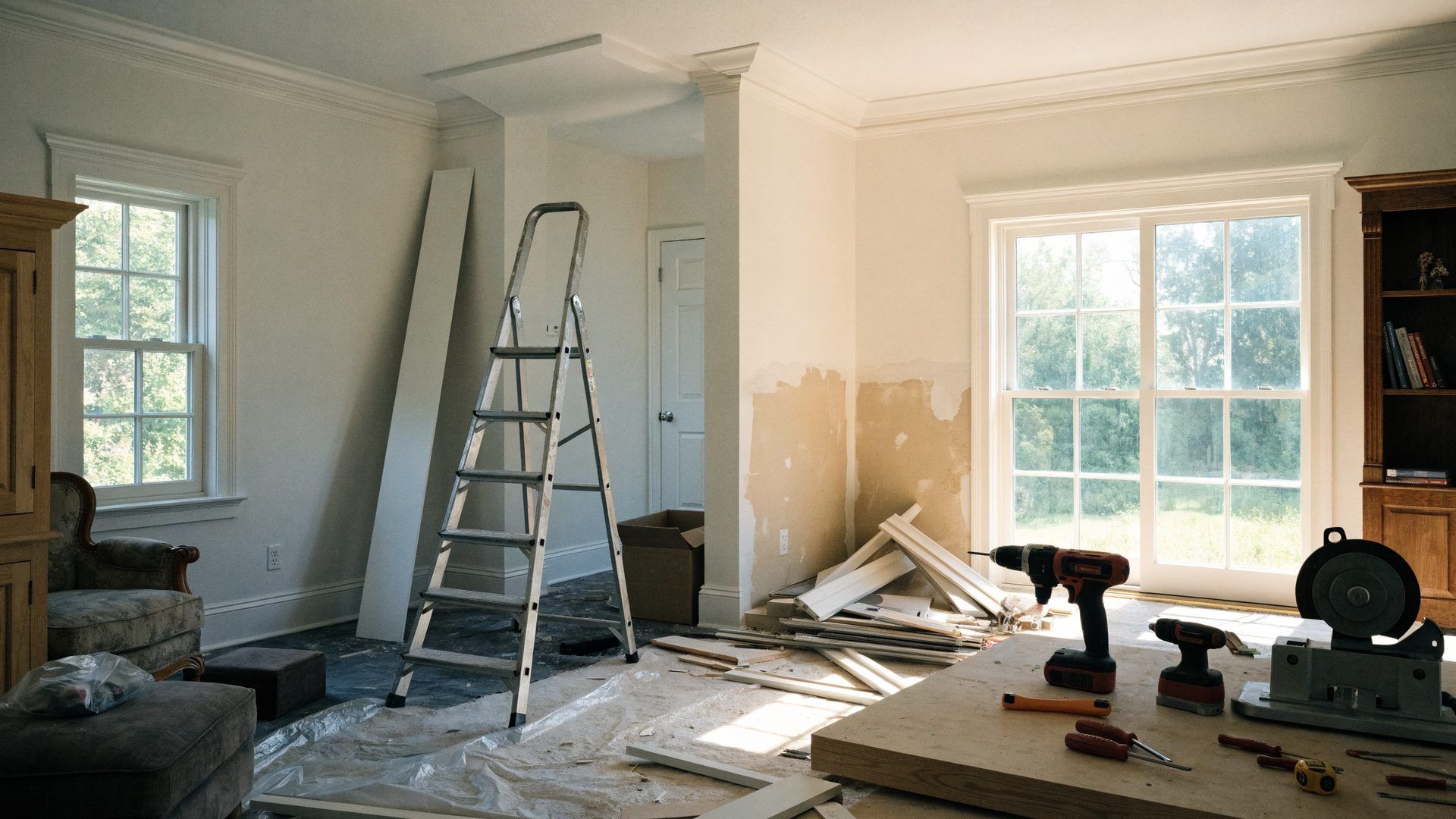
As winter approaches, many homeowners are looking for ways to improve their homes while also being mindful of the environment. The good news is that the home improvement world is evolving, focusing more on sustainability and eco-friendly solutions. Whether it's insulating your home for better energy efficiency, choosing sustainable materials for your next remodel, or investing in energy-saving technologies, Sustainable Home Improvements are becoming more accessible and affordable than ever.
In this article, we'll explore winter's top home improvement trends that promote sustainability while ensuring comfort, savings, and longevity. Let's look at some innovative eco-friendly trends you can consider to make your home more energy efficient and contribute to a greener future.
Energy-Efficient Windows and Doors
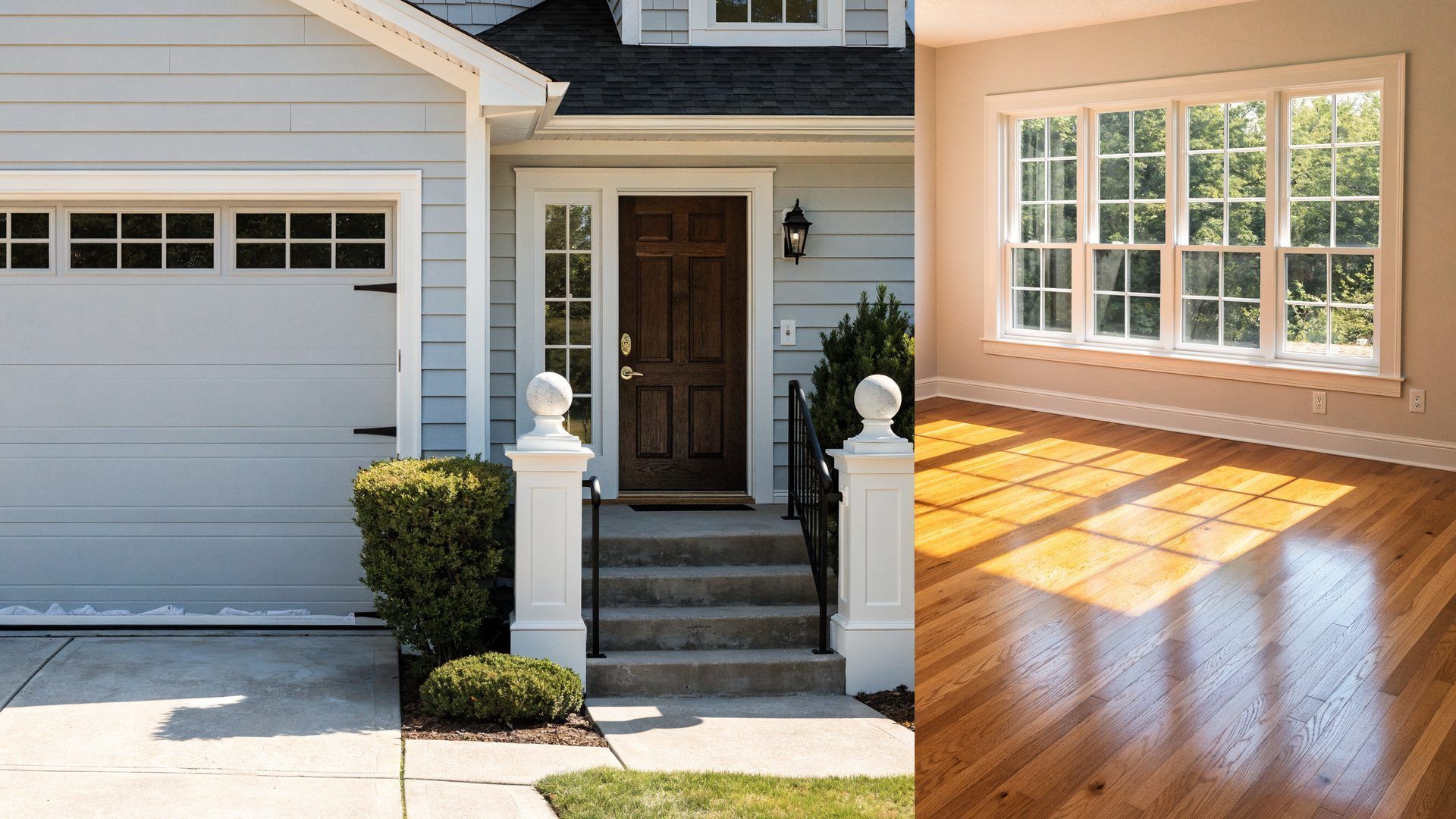
Upgrading your windows and doors is one of the best ways to improve your home's insulation during the cold winter months. Traditional windows can be a major source of heat loss, increasing your heating costs. However, energy-efficient windows help prevent heat from escaping and block out cold drafts.
-
Double or Triple Glazing: Windows with multiple layers of glass provide better insulation and keep the temperature inside your home more stable.
-
Low-Emissivity Glass: Low-E glass is designed to reflect heat into your home during the winter, reducing the need for heating.
By installing energy-efficient windows and doors, you can lower your carbon footprint, reduce energy bills, and improve the comfort of your home during the colder months. If you're considering upgrading, Jeff Home Improvement offers expert home improvement services to help you select and install the right energy-efficient solutions for your home.
Smart Thermostats for Efficient Temperature Control
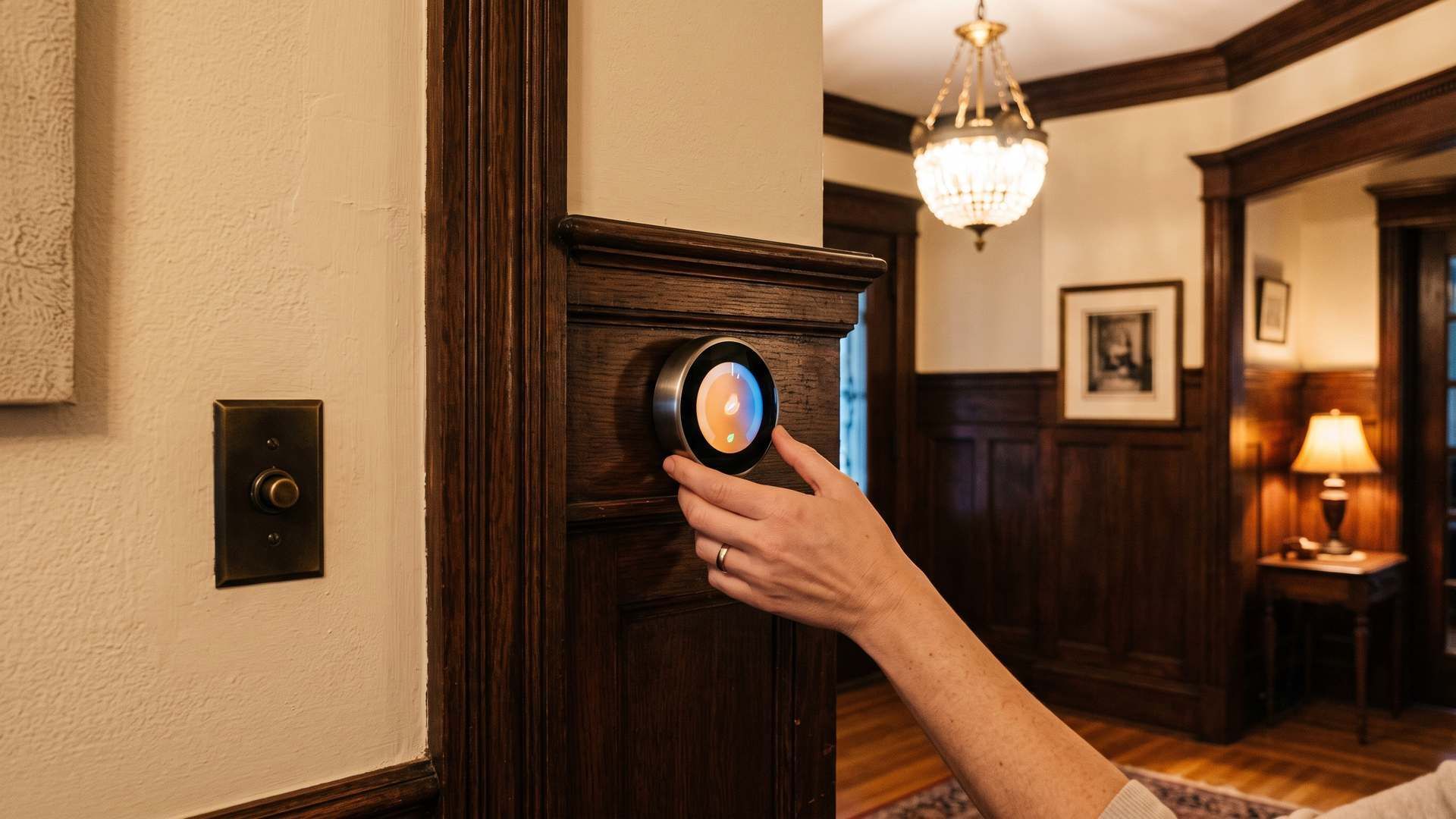
One of the easiest and most effective ways to conserve energy in winter is by installing a smart thermostat. These devices allow you to remotely control the temperature in your home, adjusting it to your comfort level while preventing unnecessary heating when you're not home.
Smart thermostats can learn your heating preferences over time, creating an energy-efficient schedule tailored to your lifestyle. With these devices, you can ensure your home is warm when you need it and cooler when you're away or asleep, reducing your overall heating consumption.
By incorporating smart technology into your winter home improvements, you'll save money on your energy bills and reduce your environmental impact. These simple adjustments can significantly lower carbon emissions and promote sustainability.
Sustainable Insulation Solutions
Proper insulation is critical to energy efficiency, especially during the winter months. If your home is poorly insulated, you could lose heat through the walls, attic, or floor, forcing your heating system to work harder and consume more energy. Sustainable insulation materials are an eco-friendly way to address this issue.
-
Spray Foam Insulation: Made from recycled materials, spray foam provides excellent air sealing and reduces the need for additional heating or cooling.
-
Cotton or Denim Insulation: This material is a non-toxic and highly effective insulation option made from recycled cotton fibers.
-
Cellulose Insulation: Derived from recycled paper, cellulose is an eco-friendly and energy-efficient choice.
Incorporating sustainable home improvement solutions can help keep your home warm without relying heavily on energy-consuming heating systems. Proper insulation lets you stay comfortable all winter while reducing your home's carbon footprint.
Solar-Powered Heating Systems
Another exciting development in winter home improvement trends is the increased use of solar-powered heating systems. Solar panels can harness the sun's energy and use it to power your heating system, reducing reliance on fossil fuels and lowering energy bills.
While solar-powered heating systems are often associated with summer, they can still be incredibly effective in winter, especially in sunny areas. Solar thermal collectors can capture sunlight, even in colder temperatures, and heat your home efficiently.
By investing in solar-powered heating, you're making a sustainable choice that benefits both the environment and your wallet. In addition, many governments and utility companies offer rebates and incentives for installing solar panels, making this an attractive option for homeowners looking to save on energy costs.
Green Roofs and Walls
Green roofs and walls are becoming a popular feature in sustainable home design. These living systems help insulate your home by providing a natural layer of protection against extreme weather, keeping it cool in the summer and warm in the winter.
-
Green Roofs: These roofs are covered in vegetation, which provides an additional layer of insulation. During winter, the plants act as a buffer to keep the warmth inside while reducing energy use.
-
Green Walls: Vertical gardens, or green walls, are another great way to increase insulation in your home. They can be installed inside and outside the house to help regulate temperature and improve air quality.
Investing in green roofs or walls is a long-term investment that supports sustainability and adds beauty and a sense of tranquility to your home. These eco-friendly features can be a standout part of any winter home improvement project.
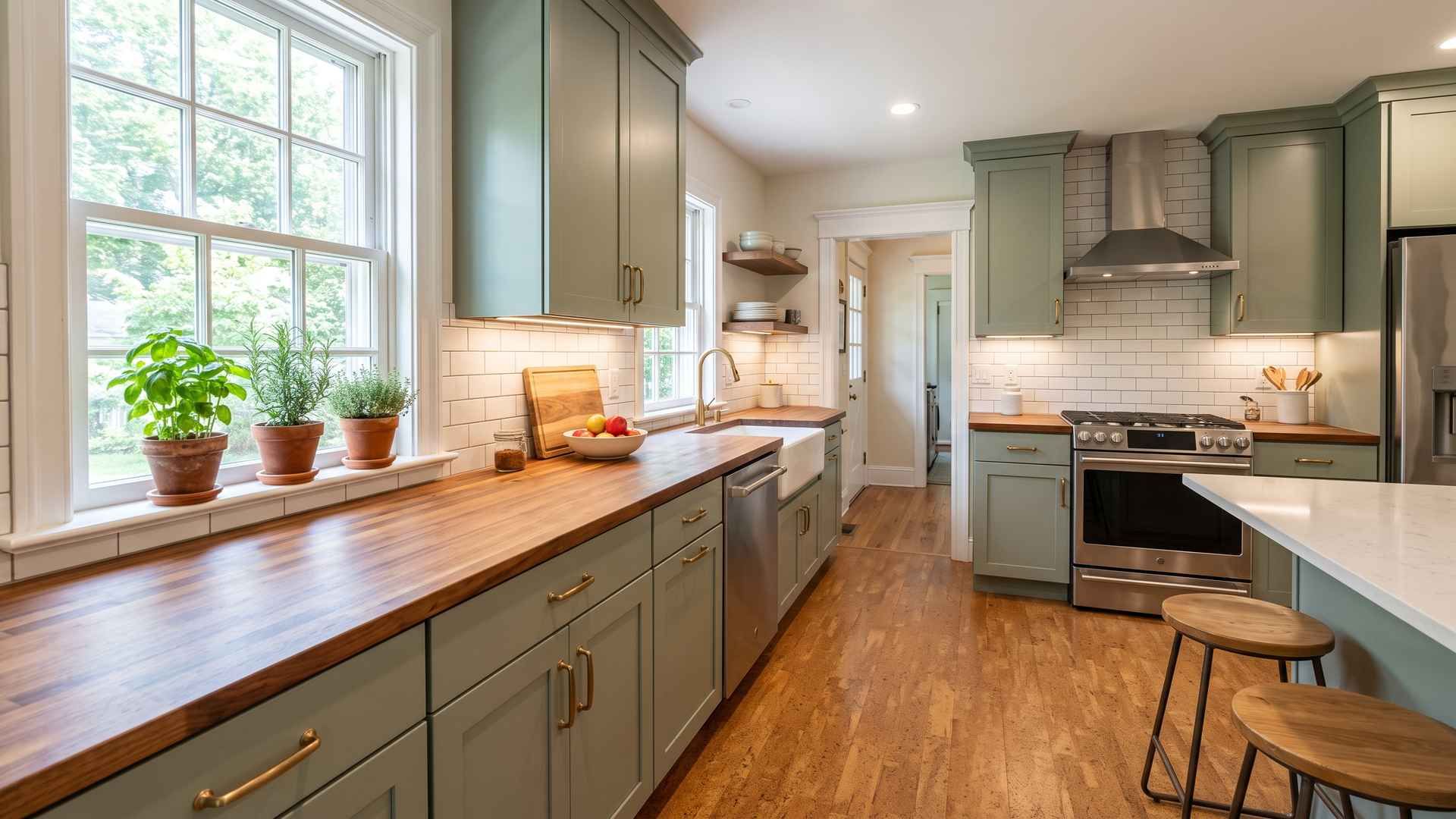
Eco-Friendly Flooring Solutions
Another trend in home improvement for winter is the shift toward sustainable flooring materials. Flooring plays a significant role in your home's energy efficiency, and choosing eco-friendly options can make a difference.
-
Bamboo Flooring: Bamboo is a fast-growing, renewable resource that is durable and stylish. It's a great option for homeowners looking to reduce their environmental impact.
-
Cork Flooring: Cork is made from the bark of cork oak trees, making it a renewable and biodegradable option. It's naturally insulating and provides a comfortable, quiet surface for your home.
-
Recycled Materials: Floors from recycled materials, such as recycled wood or rubber, offer a sustainable and stylish alternative to traditional flooring options.
Sustainable flooring options help you create a greener home and provide excellent insulation, keeping your home cozy throughout the winter months.
Eco-Friendly Lighting Solutions
As days get shorter in winter, lighting becomes more important in your home. Switching to energy-efficient lighting can reduce electricity usage while creating a warm and welcoming ambiance.
-
LED Bulbs: LED lighting consumes far less energy than incandescent bulbs and lasts much longer. By replacing your old bulbs with LEDs, you can reduce your energy consumption and carbon footprint.
-
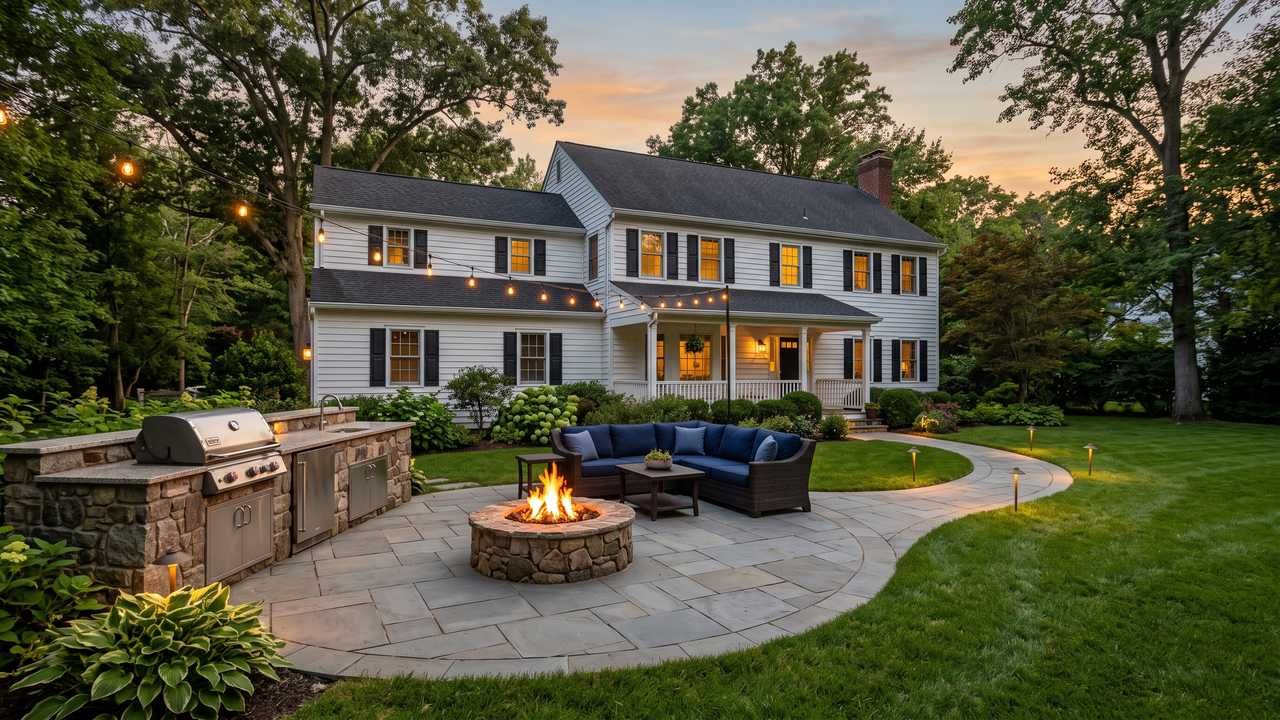
Solar-Powered Outdoor Lighting: Solar-powered lighting can be an excellent option for outdoor areas like your porch or garden, lighting up your space without consuming electricity.
With these simple upgrades, you can enjoy a well-lit home without significantly increasing your energy bills, making them a perfect addition to your winter home improvement projects.
Eco-Friendly Paints and Finishes
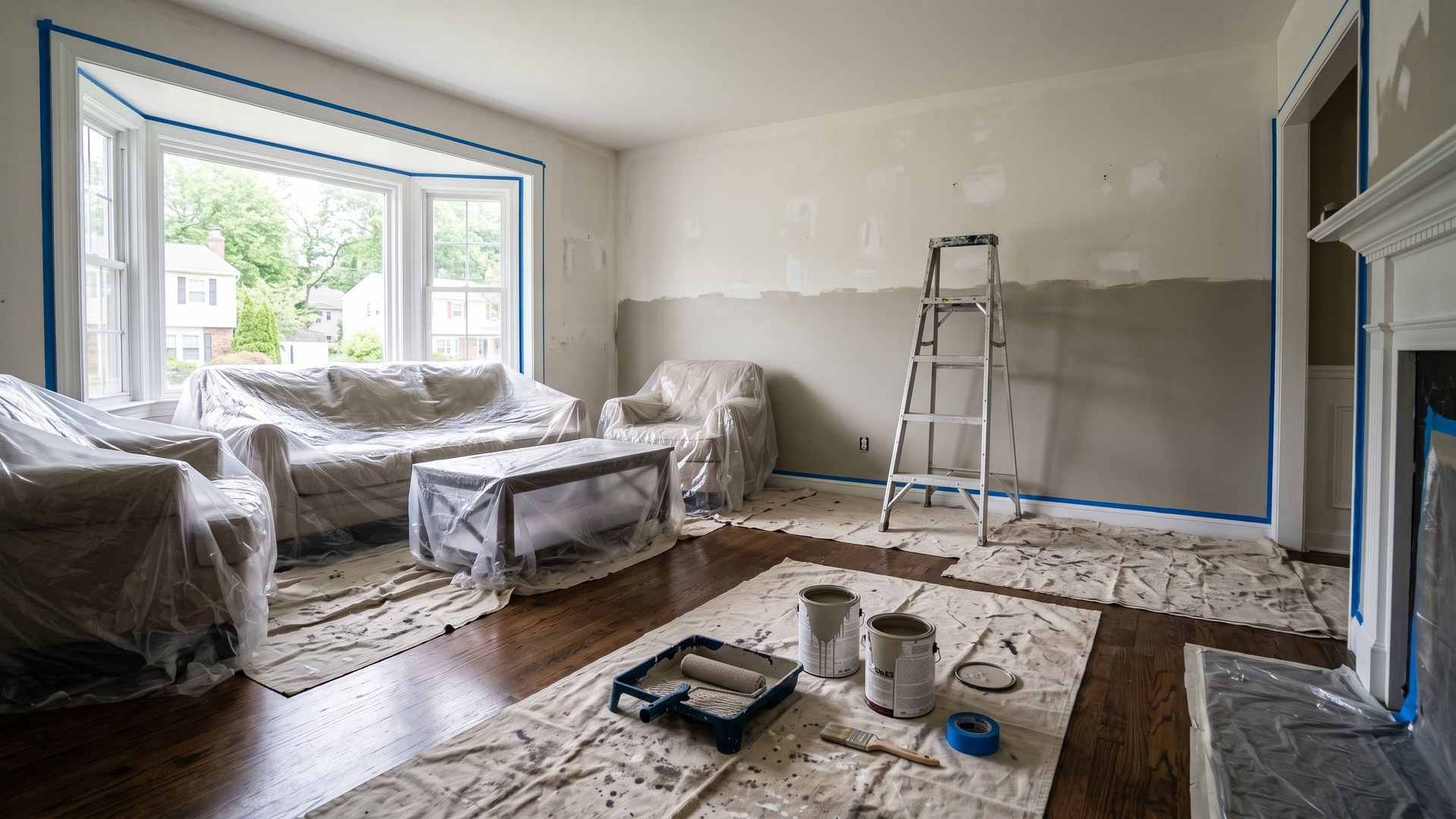
When making home improvements this winter, remember the impact of paints and finishes. Traditional paints often contain volatile organic compounds (VOCs), which can contribute to indoor air pollution. Eco-friendly paints, however, are made with low or no VOCs, ensuring better air quality in your home.
These paints come in a wide range of colors and finishes, and many brands are now offering sustainable, non-toxic options that are safe for your family and the environment. Using sustainable finishes and coatings for furniture and woodwork can reduce your home's ecological footprint.
Conclusion
As we move into winter, embracing sustainable home improvement trends is an excellent way to reduce energy consumption, save money, and contribute to a more sustainable future. From energy-efficient windows and insulation to eco-friendly flooring and lighting, numerous ways exist to enhance your home while reducing its environmental impact.
At Jeff Home Improvement, we specialize in helping homeowners implement eco-friendly solutions that make a real difference. Whether you want to upgrade your windows, install smart thermostats, or embrace sustainable materials, our team is ready to assist with all your home improvement services . By making small but significant changes, you can revitalize your home and make it more energy-efficient this winter, all while staying true to your commitment to the environment.