

Spring Storm Damage? Here's How to Assess and Repair Your Somerset County Home

Spring in Somerset County is beautiful, until a storm rolls through and leaves your home damaged.
I've been helping homeowners in Hillsborough, Basking Ridge, Bedminster, and throughout Somerset County deal with storm damage for years, and if there's one thing I've learned, it's this. How you respond in the hours and days after a storm can make the difference between a minor repair and a major disaster.
Maybe you heard branches hitting your roof during last night's storm. Maybe you came home to water pooling in your garage. Maybe you're looking at a tree leaning dangerously close to your house, or shingles scattered across your lawn. Whatever the situation, you're probably wondering: How bad is it? What do I do first? Who do I call? How much is this going to cost?
Let's start with what you need to do right now if you've just experienced storm damage.
Immediate Steps After a Storm: The First 24 Hours
The first day after a storm is critical. Your actions during this time can prevent minor damage from becoming major problems. Here's what you need to do.
Ensure Everyone's Safety First
Before you worry about property damage, make sure everyone in your family is safe. If you smell gas, leave immediately and call the gas company. If you see downed power lines anywhere near your property, stay away and call the utility company. If your home has structural damage that makes it unsafe, collapsed ceilings, major roof damage, or compromised walls, evacuate and call for help.
Don't take chances with safety. Property can be repaired. People can't.
Document Everything Immediately
As soon as it's safe, start documenting damage. Take photos and videos of everything, even minor damage. Photograph the overall scene, then get close-ups of specific damage. Take shots from multiple angles. If you have time stamps on your photos, even better.
This documentation is crucial for insurance claims, but it's also helpful for contractors when they're assessing what needs to be done. I can't tell you how many times homeowners have called me days after a storm and said, "I should have taken more pictures." You can't have too much documentation.
Stop Water From Getting Inside
If you have roof damage and it's raining (or more rain is forecast), you need to stop water from entering your home. If you can do it yourself safely, cover damaged areas with tarps. If the damage is extensive or you can't safely access it, call for emergency services right away.
Water damage escalates quickly. What starts as a small leak can turn into thousands of dollars in damage if water gets into your walls, ceilings, and insulation. At Jeff of All Trades Home Improvement, we offer 24-hour emergency service for situations like these. Call us at 908-963-3533 if you need immediate help stopping water intrusion.
Protect Your Property From Further Damage
Your insurance policy requires you to prevent further damage when possible. That means if you have a broken window, board it up. If water is coming in, tarp the area. If a tree is threatening to fall on your house, get it taken care of.
Keep receipts for any emergency materials you buy (tarps, boards, etc.) and any emergency services you hire. These are typically reimbursable under your insurance policy.
Assessing Storm Damage: Room by Room
Once the immediate crisis is handled, it's time for a thorough assessment. Let's systematically check your home for damage.
Start With the Roof
Your roof is your home's first line of defense against the elements, and it's usually the most vulnerable to storm damage. Here's what to look for:
From the ground: Walk around your house and look up at the roof from all sides. Look for missing or damaged shingles, dents in metal flashing, damaged gutters, or debris lodged in valleys or against chimneys.
In the attic: Go into your attic with a flashlight. Look for water stains on the underside of the roof decking, wet insulation, or daylight coming through anywhere it shouldn't. Feel the insulation; if it's damp, water has gotten in.
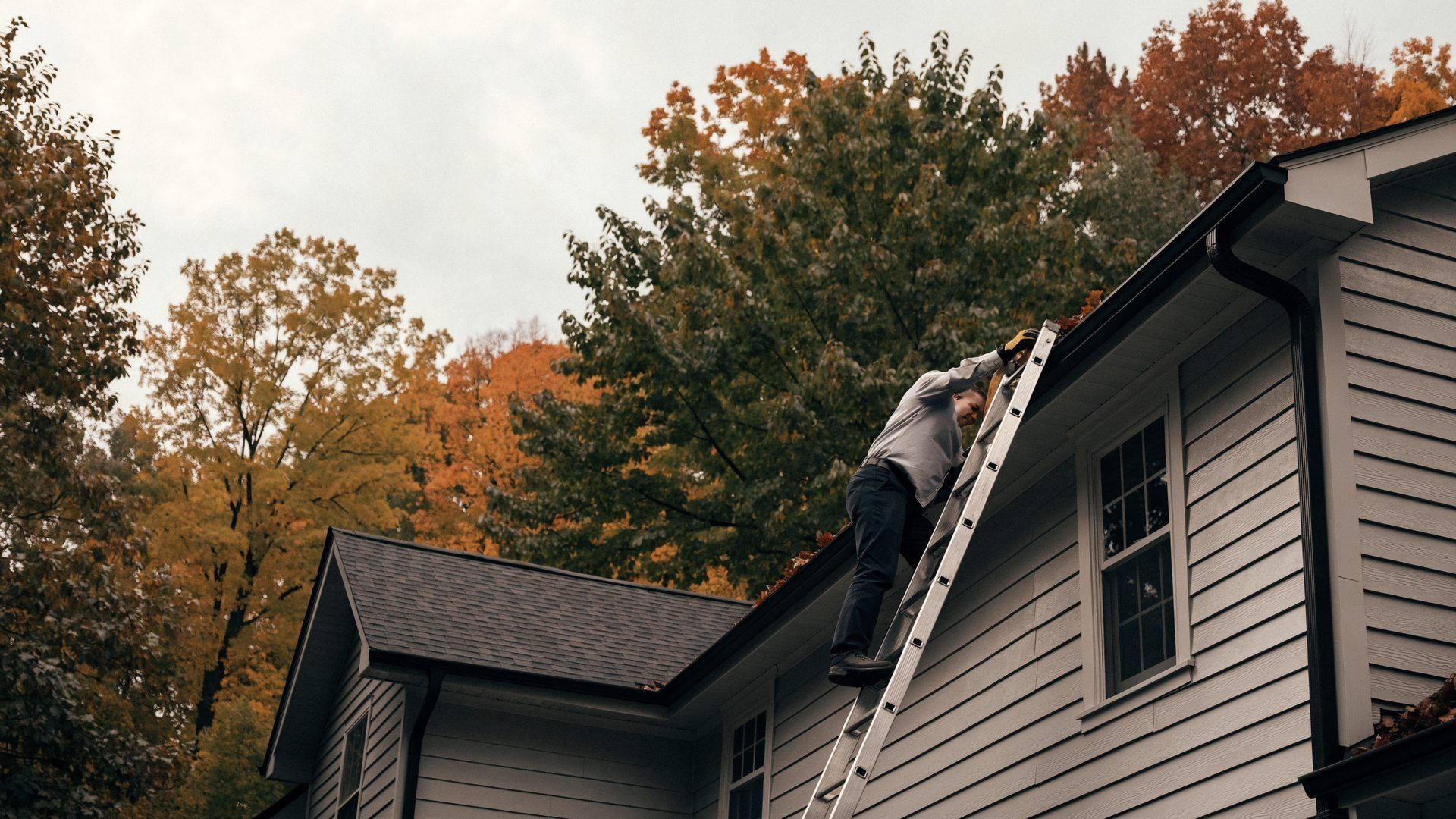
Gutters and downspouts: Check that the gutters are securely attached, not bent or dented, and that the downspouts are directing water away from your foundation.
If you see significant roof damage, don't try to climb up there yourself. A professional roofer can safely assess the situation and determine what needs immediate attention versus what can wait for permanent repairs.
Check Your Siding and Exterior Walls
Walk around your entire house and inspect the siding carefully. Look for:
- Cracked, broken, or missing siding pieces
- Dents or holes from hail or flying debris
- Areas where siding has pulled away from the house
- Damage around windows and doors
- Cracks in stucco or damaged brick
Pay special attention to the sides of your house that face the storm. Wind-driven rain can force water behind siding, even if the siding itself looks intact.
Examine Your Foundation and Basement
Heavy rain can cause foundation problems or basement flooding. Check for:
- Water in your basement or crawl space
- New cracks in foundation walls
- Doors or windows that stick (which can indicate foundation movement)
- Wet spots on the basement walls or floors
- Sump pump problems
If you have significant water in your basement, you need to address it quickly to prevent mold growth and structural damage.
Look at Your Driveway, Walkways, and Landscaping
Storm damage isn't just about the house itself. Check your:
- Driveway and walkways for new cracks or heaving
- Retaining walls for damage or movement
- Fencing for leaning posts or broken sections
- Trees for damage, leaning, or exposed roots
- Landscaping for erosion or drainage problems
A tree that's been weakened by a storm might not fall immediately, but it could come down in the next storm. Better to address it now.
Common Types of Spring Storm Damage in Somerset County
Living in New Jersey, we deal with several types of spring storms, each causing different kinds of damage. Understanding what you're dealing with helps you respond appropriately.
Wind Damage
Spring winds in Somerset County can be fierce, especially during thunderstorms. Wind damage typically includes:
- Shingles ripped off roofs
- Siding torn away or damaged
- Broken tree branches on your roof or house
- Damaged gutters and downspouts
- Broken or blown-out windows
- Damaged fencing
Hail Damage
Hailstorms can cause extensive damage in minutes. Common hail damage includes:
- Dented or cracked shingles (look for dark spots where granules are knocked off)
- Dented metal roofing, flashing, or gutters
- Damaged siding, especially aluminum or vinyl
- Cracked or broken windows
- Dented vehicles, outdoor furniture, or equipment
Hail damage to roofs isn't always obvious from the ground. A professional inspection is often necessary to assess the full extent of hail damage.
When to Call Professionals vs. Handling It Yourself
Some storm damage you can handle yourself. Some absolutely require professionals. Here's how to tell the difference.
DIY-Appropriate Tasks
You can probably handle:
- Cleaning up small branches and debris
- Picking up scattered items from your yard
- Removing standing water with a wet-dry vacuum
- Placing tarps over small damaged areas (if safely accessible from the ground)
- Cleaning out gutters after the storm
- Boarding up a broken window temporarily
Even with these tasks, if you're not comfortable or confident, there's no shame in calling for help. Safety comes first.
Call Professionals For
You need professional help with:
- Roof repairs beyond replacing a few shingles
- Any electrical damage or concerns
- Tree removal, especially large trees or trees near power lines
- Structural damage to walls, floors, or ceilings
- Significant water damage requiring extraction and drying
- Foundation problems
- Major siding or exterior repairs
- Anything involving safety risks
At Jeff of All Trades Home Improvement, we handle all types of damage repair for homes in Somerset County. We can assess the full scope of damage, provide detailed estimates, work with your insurance company, and complete repairs properly to protect your home.
Emergency Services: When You Need Help Right Now
Some situations require immediate professional response:
- Active water intrusion through your roof or walls
- Structural damage that makes your home unsafe
- Gas leaks or electrical hazards
- Large trees or branches threatening to fall on your house
- Extensive flooding
The Repair Process: What to Expect
Understanding what happens after you call a contractor helps you know what to expect and ask the right questions.
Initial Assessment and Estimate
A reputable contractor will thoroughly assess all damage before providing an estimate. This might take an hour or more for extensive damage. They should:
- Inspect all damaged areas carefully
- Take photos and measurements
- Explain what needs to be done and why
Be wary of contractors who give you a price in five minutes or push you to sign a contract immediately. Quality work requires careful assessment.
Working With Your Insurance
Your insurance company sends an adjuster to assess damage and create an estimate. Your contractor also creates an estimate. Sometimes these match; sometimes they don't. If your contractor's estimate is higher (which is common), they can work with the insurance adjuster to explain the discrepancy.
A good contractor has experience working with insurance companies and can advocate on your behalf to ensure all necessary repairs are covered. At Jeff of All Trades, we help our clients navigate the insurance process, provide detailed documentation that supports claims, and work directly with adjusters when needed.
Temporary Repairs vs. Permanent Repairs
Sometimes you need temporary repairs immediately, with permanent repairs coming later. For example:
- Tarping a damaged roof section until materials arrive and weather permits permanent repair
- Boarding up windows until replacement windows can be installed
- Temporary water extraction and drying before renovation
- Temporary structural support until full repairs can be completed
Your contractor should explain what's temporary, what's permanent, and the timeline for each phase.
Timeline Expectations
Storm damage repair timelines vary widely based on:
- Extent of damage
- Material availability
- Weather conditions
- Insurance approval process
- Contractor availability
After a major storm, contractors get flooded with calls (no pun intended). Quality contractors may have a wait list. However, emergency services should be available immediately to prevent further damage, even if permanent repairs take longer to schedule.
Preventing Future Storm Damage
Once you've repaired current damage, let's talk about preventing future problems. Somerset County will have more storms, so preparation is smart.
Regular Roof Maintenance
Have your roof inspected annually. A professional can spot problems before they become disasters. Replace worn shingles promptly, keep flashing in good condition, and ensure proper ventilation. A well-maintained roof handles storms much better than one that's already compromised.
Keep Gutters Clean and Functional
Clogged gutters cause water to back up and penetrate your roof or flow over and flood your foundation. Clean gutters at least twice a year, in late spring and late fall. Consider gutter guards to reduce debris accumulation.
Trim Trees Regularly
Don't wait until branches are hanging over your roof. Trim trees back so branches are at least 6-10 feet from your house. Remove dead or damaged branches promptly. If you have large, old trees, have them inspected by an arborist to identify potential problems before they become emergencies.
Maintain Your Home's Exterior
Keep siding, windows, and doors in good repair. Seal cracks and gaps that could allow water to enter, and touch up paint to prevent moisture from entering the wood. Small maintenance tasks prevent bigger problems during storms.
Ensure Proper Drainage
Grade soil away from your foundation. Keep downspouts directing water at least 5-6 feet away from your house. Consider installing a sump pump if you don't have one, and test it regularly if you do. Make sure your property's drainage systems, including any swales or French drains, are functioning properly.
If you need help with custom walkways or drainage solutions, we can design systems that protect your home from water problems.
Choosing the Right Storm Damage Contractor
After a storm, contractors come out of the woodwork, some legitimate, some not. Here's how to choose wisely.
What to Look For
Choose contractors who:
- Are licensed and insured in New Jersey (check NJHIC license)
- Have a physical local address and phone number
- Provide detailed written estimates
- Have good reviews and references
- Have experience with insurance claims
- Communicate clearly and professionally
- Don't pressure you or use high-pressure sales tactics
At Jeff of All Trades Home Improvement, we're a licensed New Jersey contractor (NJHIC LIC #13VH06643500) with years of experience serving Somerset County. We're based right here in the community, and our reputation depends on doing quality work for our neighbors.
Check References and Reviews
Ask for references from recent projects and actually call them. Check online reviews. Look at the contractor's portfolio. At Jeff of All Trades, we're proud of our testimonials from satisfied customers throughout Somerset County.
Taking Action: Your Next Steps
If your Somerset County home has sustained storm damage, here's what you should do next:
Immediately: Ensure safety, stop water intrusion, document the damage, and contact your insurance company.
Within 24-48 hours: Complete a thorough damage assessment, get a professional inspection for significant damage, and get emergency repairs done if needed.
Within the first week: Get estimates from reputable contractors, work with the insurance adjuster, and begin planning permanent repairs.
Ongoing: Monitor for any additional problems that arise, follow through on all repairs, and implement preventive measures for future storms.
Don't delay addressing storm damage. What seems minor can become major if left unrepaired, and insurance claims need to be filed promptly.
We're Here to Help
At Jeff of All Trades Home Improvement, we understand how stressful storm damage is. You're worried about your home, dealing with insurance companies, trying to figure out what needs to be done, and how much it will cost. We've been helping Somerset County homeowners through this process for years, and we know how to make it as smooth as possible.
Call us at 908-963-3533 or contact us online to discuss your storm damage situation. We'll schedule an assessment, answer your questions, and help you understand what needs to be done to get your home back to normal.
We also handle all your other home improvement needs, everything from door staining to complete renovations. Whatever your home needs, we're your one-stop shop for quality home improvement in Somerset County.
FAQs: Storm Damage Repair Somerset County
What should I do immediately after my home sustains storm damage?
The priority after storm damage is ensuring everyone's safety. If you smell gas, see downed power lines, or have major structural damage making your home unsafe, evacuate immediately and call emergency services. Once it's safe, take these immediate steps: First, document all damage with photos and videos from multiple angles. This is crucial for insurance claims. Second, stop water from entering your home if possible by tarping damaged roof areas or boarding up broken windows, but only if you can do so safely. Third, contact your insurance company right away to report the damage and start your claim. Most policies require prompt notification. Fourth, take reasonable steps to prevent further damage; your insurance policy requires this.
How much does storm damage repair typically cost, and will my insurance cover it?
Storm damage repair costs vary dramatically depending on the type and extent of damage. Minor repairs, such as replacing a few shingles or fixing a small section of siding, might cost $300-$800, while major repairs, such as a complete roof replacement, extensive water damage restoration, or structural repairs, can run $10,000-$50,000 or more. Typical costs for common repairs in Somerset County include: roof repairs ($800-$5,000+ depending on extent), siding repairs ($500-$3,000), window replacement ($400-$1,200 per window), water damage restoration ($1,000-$10,000+), and tree removal ($500-$5,000+ depending on size and complexity). As for insurance coverage, most homeowner's policies cover sudden storm damage, such as wind, hail, falling trees, and lightning strikes. However, coverage varies by policy, and you'll need to pay your deductible (typically $500-$2,500). Insurance generally doesn't cover damage from flooding (which requires separate flood insurance), normal wear and tear, or pre-existing problems that the storm simply revealed.
How do I choose a reputable contractor for storm damage repairs, and what red flags should I watch for?
Choosing the right contractor after storm damage is crucial because storms often bring out both legitimate contractors and scammers. Here's how to protect yourself: First, only work with licensed and insured contractors. In New Jersey, contractors must be registered with NJHIC (New Jersey Home Improvement Contractor). Ask to see their license and verify it's current at nj.gov/dca. Also, verify they carry liability insurance and workers' compensation insurance, and ask to see certificates. Second, be wary of "storm chasers", contractors who go door-to-door after storms offering deals or claiming they're working in your neighborhood. Legitimate contractors don't need to solicit this way. Third, watch for major red flags: anyone who asks for full payment upfront (never do this), contractors who pressure you to sign immediately, anyone who offers to pay your insurance deductible (this is fraud), contractors without local addresses or references, and anyone who can't provide detailed written estimates.